A washing machine that refuses to spin can quickly turn an ordinary laundry day into a frustrating experience. Clothes remain soaking wet, washing cycles take longer than expected, and repeated attempts often fail to solve the issue. While many people assume a broken motor is always responsible, the reality is that several mechanical and electrical components can prevent a washer from entering its spin cycle.
Understanding the possible causes can help homeowners identify whether the problem requires a simple adjustment or professional repair. This guide explains the most common reasons why a washing machine stops spinning, practical troubleshooting steps, preventive maintenance tips, and when it is time to seek expert assistance.
Why the Spin Cycle Matters
The spin cycle removes excess water from clothing before drying. Without proper spinning, laundry stays heavy, drying time increases, and excessive moisture may encourage mold growth inside both the washing machine and your laundry room.
A properly functioning spin cycle also reduces wear on fabrics while improving overall washing efficiency.
Common Reasons a Washing Machine Stops Spinning
1. Unbalanced Load
One of the simplest causes is an uneven distribution of clothes inside the drum. Large blankets, towels, or heavy garments can shift to one side, causing the washer to stop spinning as a safety precaution.
Try redistributing the load evenly and restarting the spin cycle before assuming a serious fault exists.

2. Lid Switch or Door Lock Failure
Modern washing machines include safety mechanisms that prevent spinning when the door is not securely locked.
If the lid switch or door lock assembly becomes faulty, the washer may complete washing and draining but refuse to spin.
Homeowners interested in understanding this component can also read how a washing machine lid switch works and when it should be replaced.
3. Worn Drive Belt
Many washing machines rely on a drive belt that transfers motor power to the drum. Over time, this belt may stretch, crack, or slip, reducing spinning performance.
A damaged belt often causes slow spinning or complete drum inactivity.
4. Faulty Motor Coupling
In direct-drive washers, the motor coupling connects the motor to the transmission. Normal wear eventually weakens this component, preventing the drum from rotating properly.
5. Drainage Problems
Most washing machines will not begin spinning if water remains inside the drum.
Blocked drain pumps, clogged filters, or kinked drain hoses can prevent proper water removal.
6. Damaged Drum Bearings
If your washer produces loud grinding sounds before failing to spin, worn drum bearings may be responsible. Bearing failure usually develops gradually and becomes more noticeable over time.
Replacing bearings requires significant disassembly and is generally considered a professional repair.
7. Electronic Control Board Issues
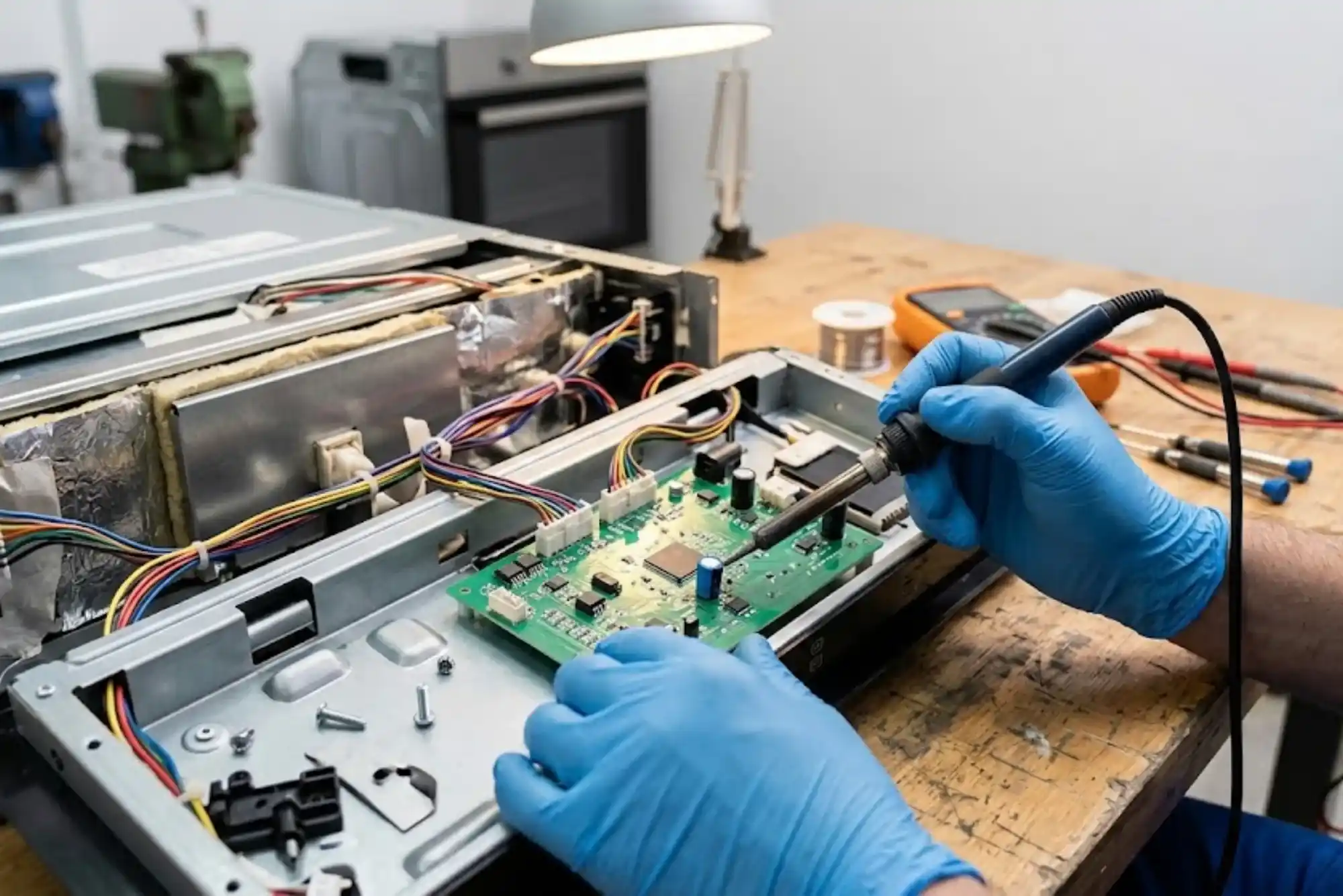
Modern washing machines depend heavily on electronic control systems. Damaged control boards, failed sensors, or software faults can interrupt the spin cycle even when all mechanical components appear functional.
Signs That Professional Repair Is Needed
- Burning smell during operation
- Grinding or metal scraping noises
- Drum refuses to rotate manually
- Machine repeatedly stops mid-cycle
- Error codes continue after resetting
- Water remains inside after draining
- Frequent vibration alongside failed spinning
These symptoms often indicate internal mechanical or electrical failures that require proper diagnostic equipment.
Quick Troubleshooting Checklist
| Problem | Possible Cause | Recommended Action |
|---|---|---|
| Wet clothes after cycle | Drain blockage | Inspect drain hose and pump filter |
| Drum not moving | Broken drive belt | Professional inspection |
| Machine shakes violently | Unbalanced load | Redistribute laundry |
| No spin after washing | Faulty door lock | Inspect door locking mechanism |
| Loud grinding noise | Bearing damage | Arrange component replacement |
| Error code displayed | Control board or sensor issue | Run diagnostic testing |
Safe DIY Checks Before Calling a Technician
Inspect the Load
Pause the machine and redistribute heavy clothing evenly inside the drum.
Verify the Drain Hose
Ensure the hose is free from twists or obstructions that restrict water flow.
Clean the Pump Filter
Lint, coins, buttons, and small objects commonly block pump filters and prevent proper draining.
Restart the Washer
Disconnect power for several minutes before restarting. Some electronic faults clear after a complete reset.
Listen Carefully
Motor humming without drum movement usually indicates a mechanical issue rather than an electrical failure.
Preventing Future Spin Problems
Routine maintenance significantly extends washing machine lifespan.
- Avoid consistently overloading the drum.
- Wash bulky items separately.
- Inspect pockets before washing.
- Clean the pump filter regularly.
- Keep detergent usage within manufacturer recommendations.
- Check hoses for blockages every few months.
- Schedule periodic servicing for older machines.
Regular maintenance also reduces the likelihood of larger mechanical failures. Homeowners can benefit from following a preventive washing machine maintenance routine to improve long-term reliability.
When Drum Rotation Problems Become Serious
If the drum spins manually but refuses to rotate during a wash cycle, internal drive components or electronic controls may have failed.
Professional diagnosis becomes especially important when symptoms involve repeated error codes, electrical smells, or intermittent operation.
More detailed information about mechanical drum faults can be found in this guide on washer drum rotation repair, which explains common internal failures affecting spin performance.
Why Professional Diagnosis Saves Time
Modern washing machines combine electronics, sensors, motors, bearings, suspension systems, and computer-controlled programs. Replacing the wrong component based on guesswork often increases repair costs.
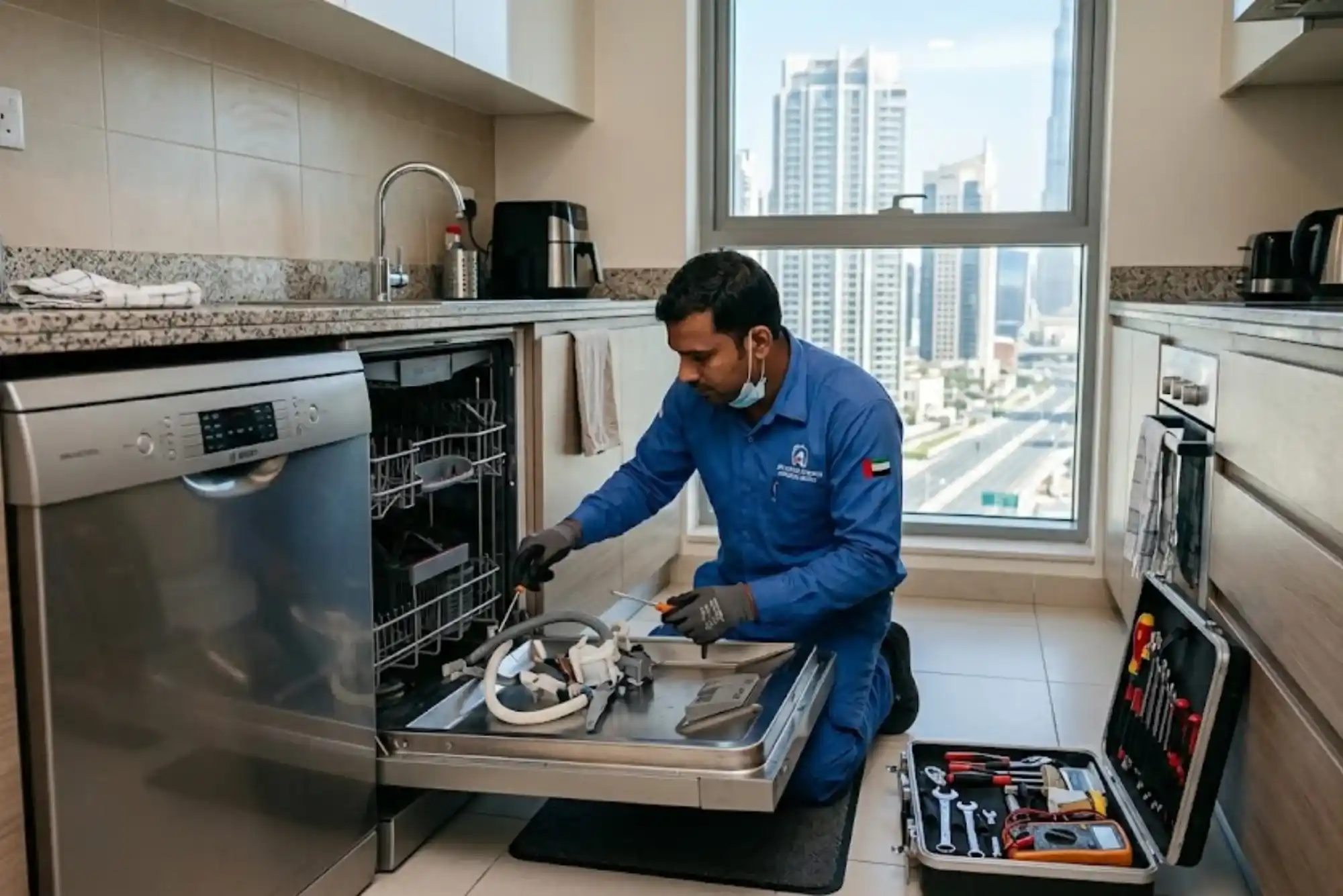
Experienced technicians use diagnostic testing to isolate the exact fault before replacing any parts. This approach minimizes downtime while extending appliance life.
For homeowners experiencing persistent spin issues across different washing machine brands, seeking multi-brand washing machine repair services ensures the appliance is assessed using the correct procedures and manufacturer-specific knowledge.
Conclusion
A washing machine that stops spinning is not always facing a major breakdown. In many cases, simple issues such as uneven loads, clogged drainage systems, or faulty door locks are responsible. However, persistent spin failures accompanied by unusual noises, burning smells, or repeated error messages often indicate mechanical or electronic faults that require professional attention.
Routine maintenance, early diagnosis, and timely repairs help prevent more expensive damage while keeping your washing machine operating efficiently for years to come. Understanding how the spin system works allows homeowners to respond quickly, reduce unnecessary downtime, and make informed repair decisions when problems arise.“`
Related Reading: Washing Machine Fault Fixing
Related Reading: How Much Does Washing Machine Repair Cost — full guide
Related Reading: Cheap Washing Machine Repair — full guide
Related Reading: Washing Machine Error Codes Explained — full guide
Related Reading: Front Load Washing Machine Repair — full guide