A washing machine is one of the most relied-upon appliances in any home, and its performance depends heavily on the smooth rotation of the drum. When the drum fails to rotate correctly, the entire washing process is compromised. Washer drum rotation fault repair is therefore a critical service that restores efficiency, protects internal components, and extends the lifespan of the appliance. Understanding how drum rotation works, why it fails, and how professionals repair it helps homeowners make confident and informed decisions.
The Role of Drum Rotation in Washing Performance
The drum is the central component of a washing machine, designed to rotate in controlled movements during wash, rinse, and spin cycles. This rotation allows clothes to tumble evenly, ensuring detergent penetrates fabric fibers and dirt is effectively removed. Proper drum movement also ensures balanced spinning, efficient water drainage, and reduced vibration. When rotation is disrupted, clothes may come out poorly cleaned, overly wet, or damaged. Washer drum rotation fault repair focuses on restoring this precise movement so the washing machine performs as intended.
Early Signs of Drum Rotation Problems
Drum rotation faults often develop gradually, giving early warning signs before complete failure occurs. A common indicator is a drum that hesitates or struggles to move during the wash cycle. Some machines may start normally but stop rotating midway, while others rotate only in one direction. Loud noises such as grinding, squealing, or thumping can signal internal resistance or worn components. Excessive vibration during spinning is another sign that should not be ignored. Prompt washer drum rotation fault repair at this stage can prevent more serious and expensive damage.
Mechanical Reasons Behind Drum Rotation Failure
Mechanical wear is one of the leading causes of drum rotation problems. Over time, the drive belt that connects the motor to the drum can stretch, slip, or break, resulting in reduced or lost movement. Drum bearings may also wear out due to age, moisture exposure, or heavy usage, causing stiffness and noise during rotation. In some cases, the drum pulley becomes loose or damaged, preventing smooth power transfer. Washer drum rotation fault repair in these scenarios involves careful inspection and precise replacement of worn mechanical parts.
Impact of Foreign Objects on Drum Movement
Small objects left in clothing pockets often find their way into the washing machine drum. Coins, hairpins, screws, or metal fragments can become trapped between the inner drum and outer tub, restricting rotation. These obstructions not only prevent smooth movement but can also damage the drum surface and seals. Professional washer drum rotation fault repair includes removing such objects and checking for secondary damage to ensure the appliance operates safely and quietly after repair.
Motor-Related Issues Affecting Drum Rotation
The motor is responsible for powering the drum, and any fault within it can directly affect rotation. In older washing machines, worn carbon brushes can reduce motor efficiency, leading to weak or intermittent drum movement. Modern machines may experience motor coil damage or overheating, causing the motor to shut down as a safety measure. Washer drum rotation fault repair in motor-related cases often requires testing electrical resistance, replacing worn components, or installing a new motor to restore full functionality.

Electrical and Control System Failures
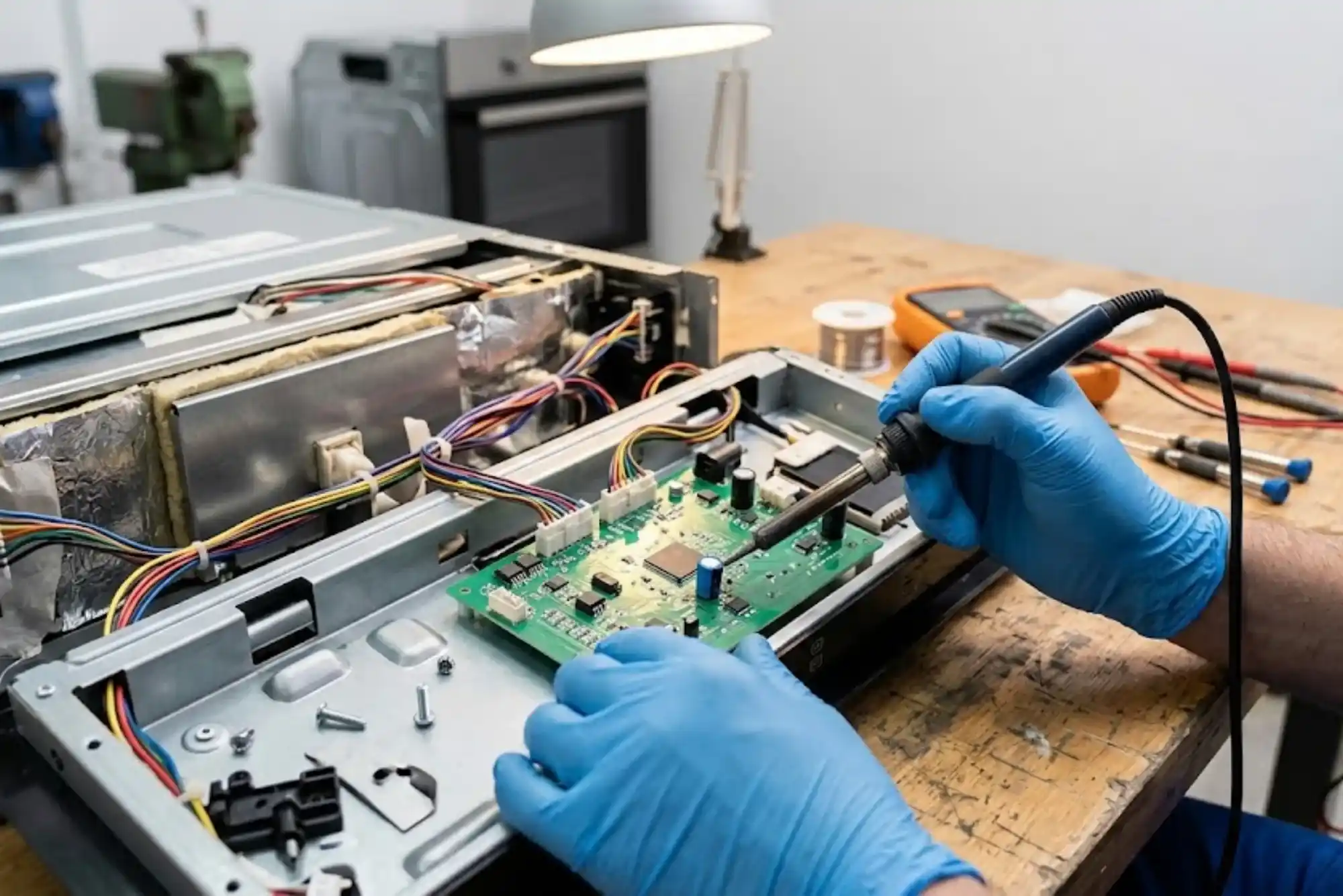
Beyond the motor itself, electrical faults within the washing machine can disrupt drum rotation. Damaged wiring, loose connections, or faulty sensors may prevent the control system from sending accurate signals. Control boards play a crucial role in regulating speed and direction, and even minor faults can result in irregular rotation. Professional washer drum rotation fault repair involves advanced diagnostic tools to identify these electronic issues and restore correct communication between components.
The Effect of Overloading on Drum Rotation
Overloading is a common user-related cause of drum rotation problems. When a washing machine is consistently loaded beyond its capacity, excessive strain is placed on the motor, belt, and bearings. This strain accelerates wear and increases the risk of sudden failure. Uneven loads can also trigger safety mechanisms that stop the drum from rotating to prevent damage. Washer drum rotation fault repair caused by overloading often includes addressing worn components and advising users on proper loading practices to avoid recurrence.
Diagnostic Process in Professional Repairs
Accurate diagnosis is the foundation of effective washer drum rotation fault repair. Technicians begin by observing the machine during operation, listening for unusual sounds, and checking drum movement manually. Internal inspections help identify mechanical resistance, while electrical tests confirm motor and control board performance. Many modern washing machines display error codes that guide technicians toward specific faults. A thorough diagnostic approach ensures the correct repair solution is applied without unnecessary part replacement.
Professional Repair Techniques and Best Practices
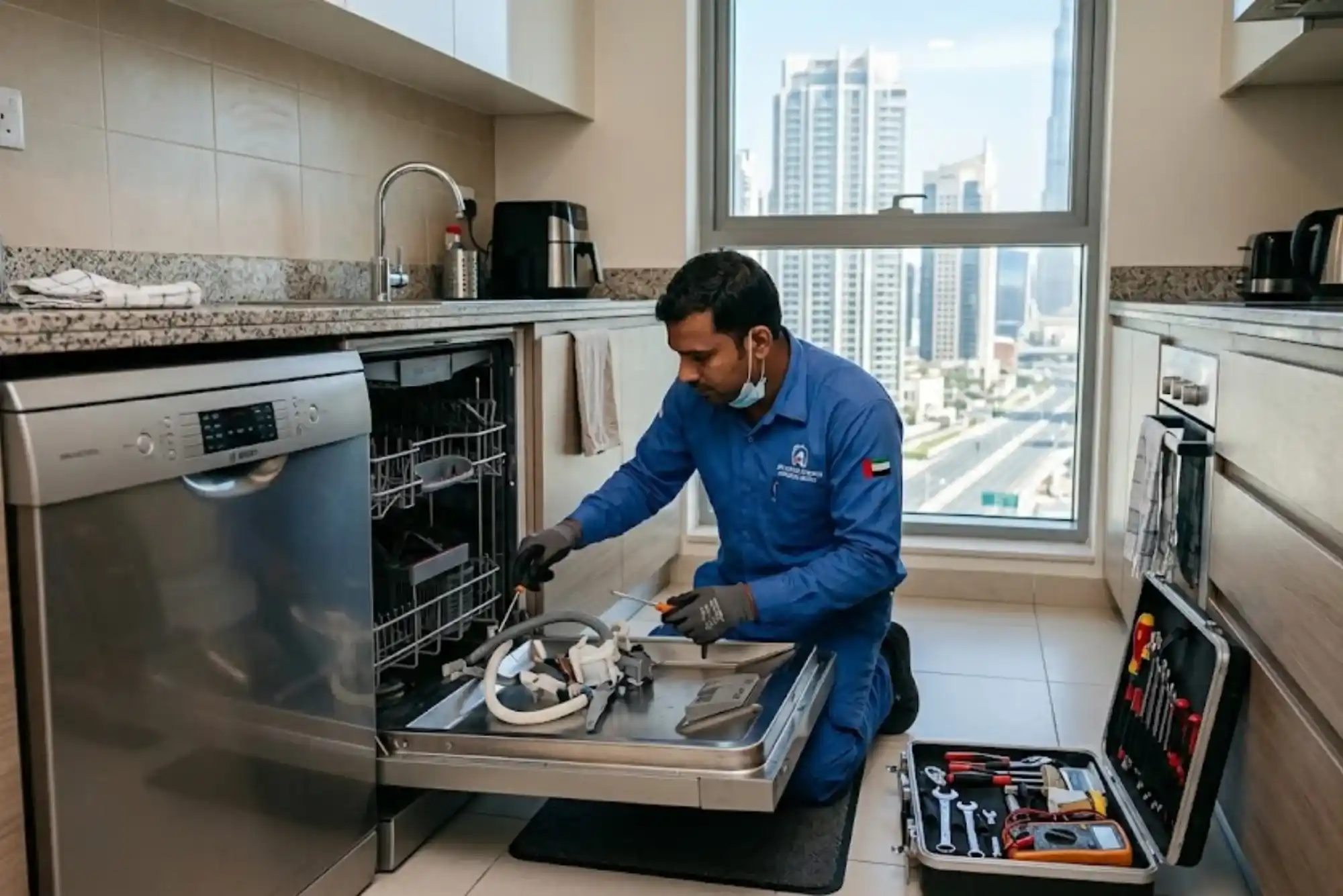
Repairing drum rotation faults requires technical skill and adherence to manufacturer standards. Mechanical repairs may involve replacing belts, bearings, pulleys, or shock absorbers. Electrical repairs often include replacing carbon brushes, repairing wiring, or installing new control modules. Each step must be performed with precision to maintain balance and alignment. Washer drum rotation fault repair carried out by professionals ensures that repairs are durable, safe, and compliant with appliance specifications.
Importance of Using Genuine Replacement Parts
The quality of replacement parts plays a significant role in the success of washer drum rotation fault repair. Genuine or high-quality compatible parts ensure proper fit, durability, and performance. Inferior components may fail prematurely, leading to repeated breakdowns. Professional repair services prioritize quality parts to provide long-term reliability and peace of mind for users.
Post-Repair Testing and Performance Verification
After completing washer drum rotation fault repair, thorough testing is essential. Technicians run the machine through multiple cycles to confirm smooth rotation, balanced spinning, and normal noise levels. This testing phase ensures that all repaired components function together correctly and that no secondary issues remain. A properly tested repair restores confidence in the appliance’s performance.
Preventive Maintenance to Avoid Future Faults
Preventive maintenance is key to minimizing the risk of future drum rotation problems. Regular cleaning of the drum and filter prevents debris buildup that can restrict movement. Ensuring the washing machine is level reduces stress on bearings and suspension components. Avoiding overloading and distributing laundry evenly protects the motor and belt system. Periodic professional inspections can detect early signs of wear, reducing the need for emergency washer drum rotation fault repair.
Cost Factors and Long-Term Value of Repair
The cost of washer drum rotation fault repair varies depending on the severity of the issue and the parts involved. Minor repairs such as belt or brush replacement are generally affordable, while bearing or motor replacements may involve higher costs. However, repairing a washing machine is often more economical than replacing it entirely, especially when the appliance is otherwise in good condition. Professional assessment helps homeowners understand repair value and make cost-effective decisions.
Environmental Benefits of Repairing Appliances
Repairing washing machines instead of discarding them contributes to environmental sustainability. Washer drum rotation fault repair reduces electronic waste and conserves the resources required to manufacture new appliances. Extending the lifespan of household equipment supports eco-friendly living while maintaining comfort and convenience.
Choosing a Reliable Repair Service
Selecting the right service provider is crucial for successful washer drum rotation fault repair. Experienced technicians, transparent pricing, and warranty-backed services ensure quality results. A reliable repair service not only resolves the immediate issue but also provides guidance on maintenance and proper usage to prevent future problems.
Long-Term Impact of Timely Repair
Delaying drum rotation repairs can lead to more extensive damage, affecting multiple components and increasing costs. Timely washer drum rotation fault repair prevents cascading failures, protects internal systems, and ensures consistent washing performance. Addressing the problem early helps maintain appliance efficiency and reliability for years to come.
Washer drum rotation fault repair is an essential service that restores the heart of washing machine operation. From mechanical wear and electrical faults to user-related issues, many factors can disrupt drum movement. Professional diagnosis, high-quality repairs, and preventive maintenance work together to ensure long-term performance and efficiency. By addressing drum rotation problems promptly and professionally, homeowners can protect their investment, reduce environmental impact, and enjoy reliable washing results with confidence.