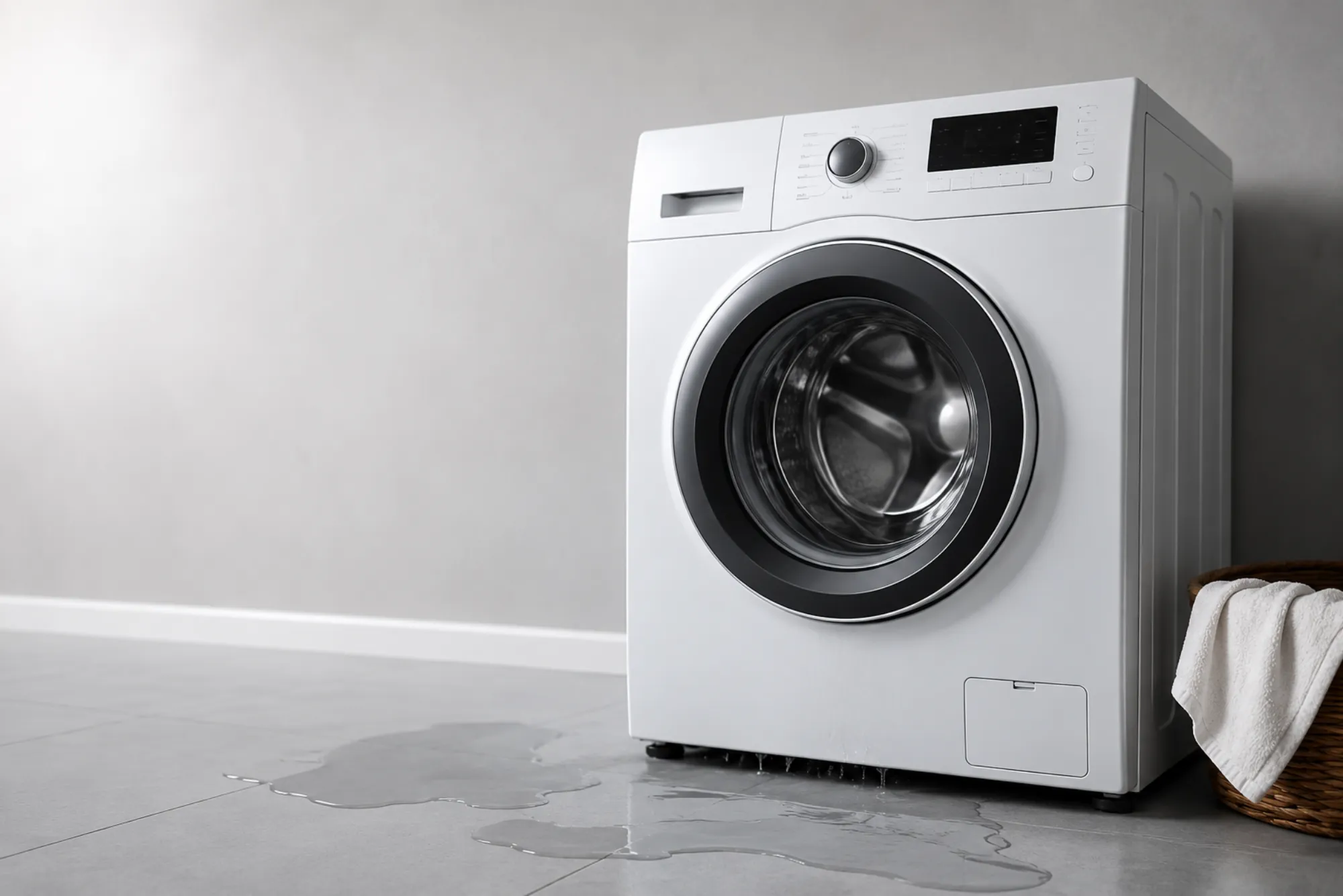
A washing machine is designed to make laundry easier, but discovering water pooling around the appliance can quickly become a frustrating experience. Even a small leak can damage flooring, walls, cabinets, and nearby furniture if left unattended. Fortunately, many leaks begin with minor issues that can be identified early before they develop into expensive repairs.
Understanding the source of a leak is the first step toward protecting both your appliance and your home. Some problems are simple enough for homeowners to inspect, while others require professional diagnosis to avoid damaging internal components.
This guide explains the most common causes of washing machine leaks, practical troubleshooting methods, preventive maintenance strategies, and situations where professional repair becomes the safest option.
Why Is Your Washing Machine Leaking Water?
Water leaks rarely happen without warning. In many cases, small signs appear before the problem becomes severe. You may notice damp flooring, unusual noises during wash cycles, reduced cleaning performance, or moisture around the machine after completing a load.
Several components work together to move water safely through the appliance. If even one part becomes damaged, clogged, loose, or worn out, water may begin escaping during washing, rinsing, or draining cycles.
Common Causes of Washing Machine Water Leaks
| Cause | Common Symptoms | Recommended Solution |
|---|---|---|
| Loose water hose | Leak behind machine | Tighten or replace hose |
| Damaged door seal | Water from front panel | Replace rubber gasket |
| Blocked drain pump | Water during draining | Clean pump and filter |
| Cracked detergent drawer | Water near dispenser | Clean or replace drawer |
| Faulty water inlet valve | Constant dripping | Install new inlet valve |
| Overloading washer | Overflow or excessive vibration | Reduce laundry load size |
1. Damaged Water Supply Hoses
The water inlet hoses are among the most common sources of leaks. Over time, rubber hoses may crack, while metal braided hoses can loosen around connection points.

Inspect both hot and cold water hoses for:
- Visible cracks
- Bulging sections
- Loose threaded fittings
- Signs of corrosion
- Water stains near connections
If damage is visible, replacing the hose is usually more reliable than attempting temporary repairs.
2. Worn Door Gasket
Front-load washing machines use a thick rubber gasket around the door to create a watertight seal. Coins, hairpins, buttons, and lint often become trapped inside this seal, eventually causing tears.
Regular cleaning prevents mold buildup while helping you identify damage before leaks become significant.
Homeowners looking to reduce long-term appliance problems can also follow regular washing machine preventive maintenance practices that help extend appliance lifespan.
3. Drain Pump Problems
The drain pump removes dirty water after each wash cycle. If the pump housing develops cracks or internal seals wear out, water may leak while draining.
Common warning signs include:
- Water underneath the machine after draining
- Grinding sounds
- Drain cycle interruptions
- Poor drainage performance
A professional inspection is recommended when pump damage is suspected.
4. Faulty Detergent Dispenser
Many leaks originate from the detergent drawer rather than the internal plumbing.
Excess detergent, hardened residue, or blocked channels may redirect water outside the dispenser during filling cycles.
Cleaning the dispenser regularly helps maintain proper water flow and improves detergent performance.
5. Drain Hose Issues
The drain hose carries wastewater away from the appliance. Problems may include:
- Loose clamps
- Small punctures
- Kinks restricting water flow
- Incorrect installation height
Ensuring the hose is securely attached and free from damage can eliminate many leak-related issues.
How to Troubleshoot a Leaking Washing Machine
Step 1: Disconnect Power
Always unplug the appliance before beginning any inspection.
Step 2: Turn Off Water Supply
Close both water valves connected to the machine.
Step 3: Dry the Area
Remove standing water so you can accurately identify the leak source.
Step 4: Run a Short Wash Cycle
Observe when the leak appears:
- During filling
- During washing
- During spinning
- During draining
The timing often indicates which component requires attention.
Can You Fix It Yourself?
Some minor problems are suitable for DIY maintenance.
- Tightening loose hose connections
- Cleaning detergent drawers
- Removing debris from door seals
- Cleaning accessible drain filters
However, replacing pumps, inlet valves, bearings, electronic controls, or internal hoses should generally be left to experienced technicians.
If your appliance is also showing cleaning performance issues, understanding why a washing machine won’t dispense detergent may help identify related maintenance concerns.
When Should You Call a Professional?
Professional repair becomes the better option when:
- Water continues leaking after basic troubleshooting
- Electrical components become wet
- The machine stops mid-cycle
- The drum makes unusual noises
- Leaks originate from internal components
- Error codes continue appearing
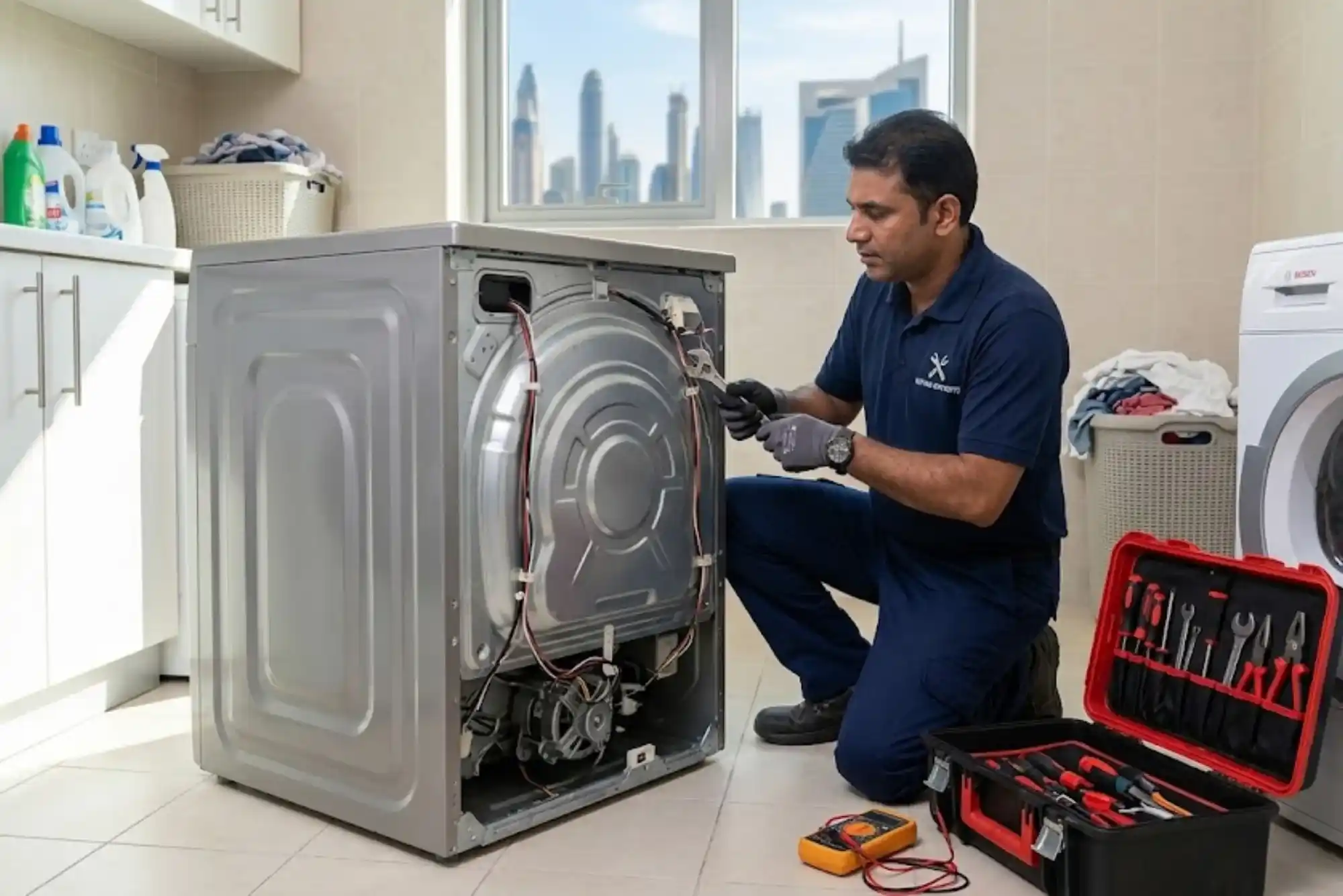
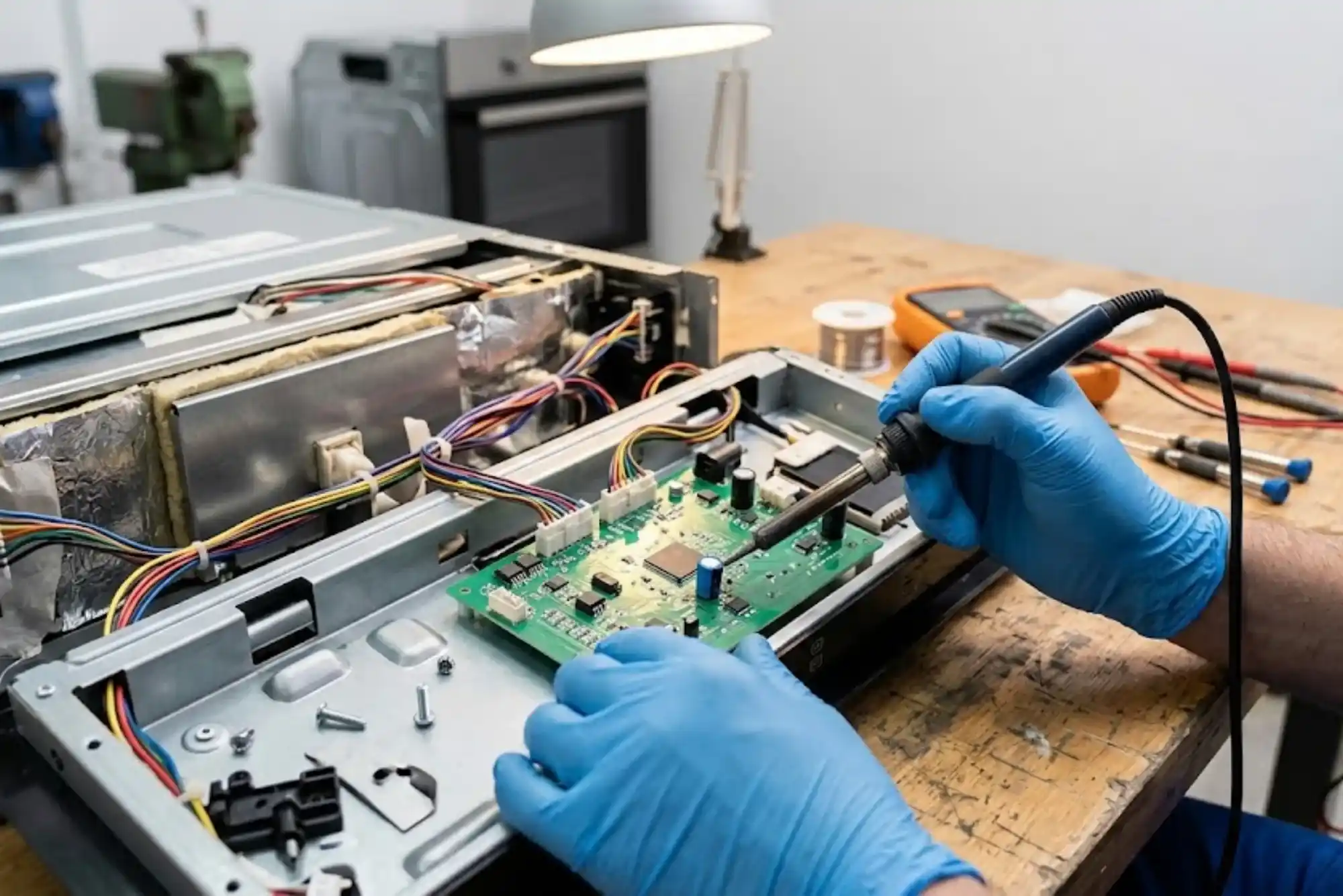
An experienced technician has specialized tools for pressure testing, seal replacement, electrical diagnostics, and component inspection that reduce the risk of further damage.
Preventing Future Water Leaks
Preventive maintenance significantly lowers the chance of unexpected breakdowns.
- Inspect hoses every six months
- Clean the detergent drawer monthly
- Remove debris from the door gasket
- Avoid overloading the washer
- Use the correct detergent type
- Check drain filters regularly
- Replace aging hoses every few years
Scheduling periodic inspections with a qualified washing machine repair company can also help identify worn components before they fail.
Does Overloading Cause Water Leaks?
Yes. Overloading places excessive strain on suspension systems, door seals, bearings, and hoses.
Large, heavy loads may also create excessive vibration that loosens hose connections over time.
Following the manufacturer’s recommended load capacity helps improve washing performance while reducing wear.
How Long Does a Typical Repair Take?
Repair time depends on the underlying issue.
- Loose hose replacement: 20–30 minutes
- Drain hose replacement: 30–60 minutes
- Door gasket replacement: 1–2 hours
- Drain pump replacement: 1–2 hours
- Water inlet valve replacement: About 1 hour
Parts availability may influence the total repair timeline.
Should You Continue Using a Leaking Washer?
Continuing to operate a leaking washing machine is generally not recommended. Water exposure can damage flooring, encourage mold growth, and create electrical hazards if moisture reaches internal wiring.
Stopping use immediately and identifying the cause helps minimize repair costs and protects surrounding areas of your home.
Choosing Reliable Repair Services
When professional assistance is needed, choose technicians who have experience servicing multiple appliance brands, use quality replacement parts, and provide clear repair recommendations based on proper diagnostics.
You can also explore additional appliance care resources through the Hafixer blog, where homeowners can find maintenance guides and troubleshooting articles for various household appliances.
Final Thoughts
Water leaks are among the most common washing machine problems, but they are also one of the most manageable when addressed early. Whether the issue involves a loose hose, worn gasket, clogged drain system, or damaged pump, identifying the source quickly can prevent more serious damage to your appliance and home.
Routine maintenance, proper loading habits, and periodic inspections remain the most effective ways to keep your washing machine operating efficiently for years. If troubleshooting doesn’t resolve the issue, seeking professional repair ensures the problem is corrected safely and reliably before it becomes more expensive.
Related Reading: How Much Does Washing Machine Repair Cost
Related Reading: Washing Machine Repairing Dubai
Related Reading: Commercial AC Repair Service Dubai
Related Reading: Whirlpool Refrigerator Not Freezing
Related Reading: Washing Machine Error Codes Explained
Related Reading: Washing Machine Not Spinning Issue Repair
Related Reading: Cheap Washing Machine Repair
Related Reading: Dishwasher Leaking Water Repair
Related Reading: Washing Machine Leaking Water Repair
Related Reading: Front Load Washing Machine Repair — full guide
Related Reading: Dishwasher Leaking Water Repair — full guide
Related Reading: Expert AC Repair Technician Dubai
Related Reading: Stove Repair Experts Dubai
Related Reading: Dishwasher Cleaning And Repair Dubai — full guide
Related Reading: Stove Repair Experts Dubai — full guide
Related Reading: Washing Machine Error Codes Explained — full guide
Related Reading: Expert AC Repair Technician Dubai — full guide
Related Reading: Dryer Repair Specialists Dubai — full guide