A washing machine is one of the most dependable home appliances, built to handle the daily chore of cleaning clothes with ease. When it suddenly stops dispensing detergent, however, it disrupts the entire washing process. You may notice detergent left behind in the drawer, clothes that don’t feel fully clean, or a persistent odor inside the machine. While it may seem like a minor inconvenience, a washing machine that won’t dispense detergent often signals an underlying issue that needs attention.
Understanding why this happens is essential for both homeowners and technicians. Modern washing machines rely on precise coordination between water pressure, detergent flow, and timing systems. When one element fails, the entire process is affected. The good news is that once you understand the mechanics behind it, you can identify the cause more accurately and know when professional repair is needed.
How the Detergent Dispenser Works
The detergent dispenser is designed to release soap, softener, or bleach at specific times during the wash cycle. Inside the dispenser, small water jets or valves are triggered to flush the detergent into the drum. This process depends on proper water pressure and an accurate signal from the control system. If water flow is restricted or the timing mechanism malfunctions, the detergent remains in the drawer.
In high-efficiency washing machines, this system is even more precise. Any variation in pressure, sensor function, or electronic signal can cause the dispenser to stop working properly. Because everything is interconnected, diagnosing the problem requires understanding both the water and electrical components of the machine.
Common Causes Behind the Problem
One of the most common reasons detergent fails to dispense is a blockage in the drawer or water jets. Over time, detergent residue, fabric softener, and mineral deposits can accumulate inside the compartment. This buildup hardens and prevents water from flowing freely, trapping detergent inside.
Another factor is water pressure. If the machine is connected to a weak or inconsistent water supply, the jets cannot push detergent through the system. Sometimes, a kinked hose or clogged water filter also affects pressure, making the dispenser ineffective.

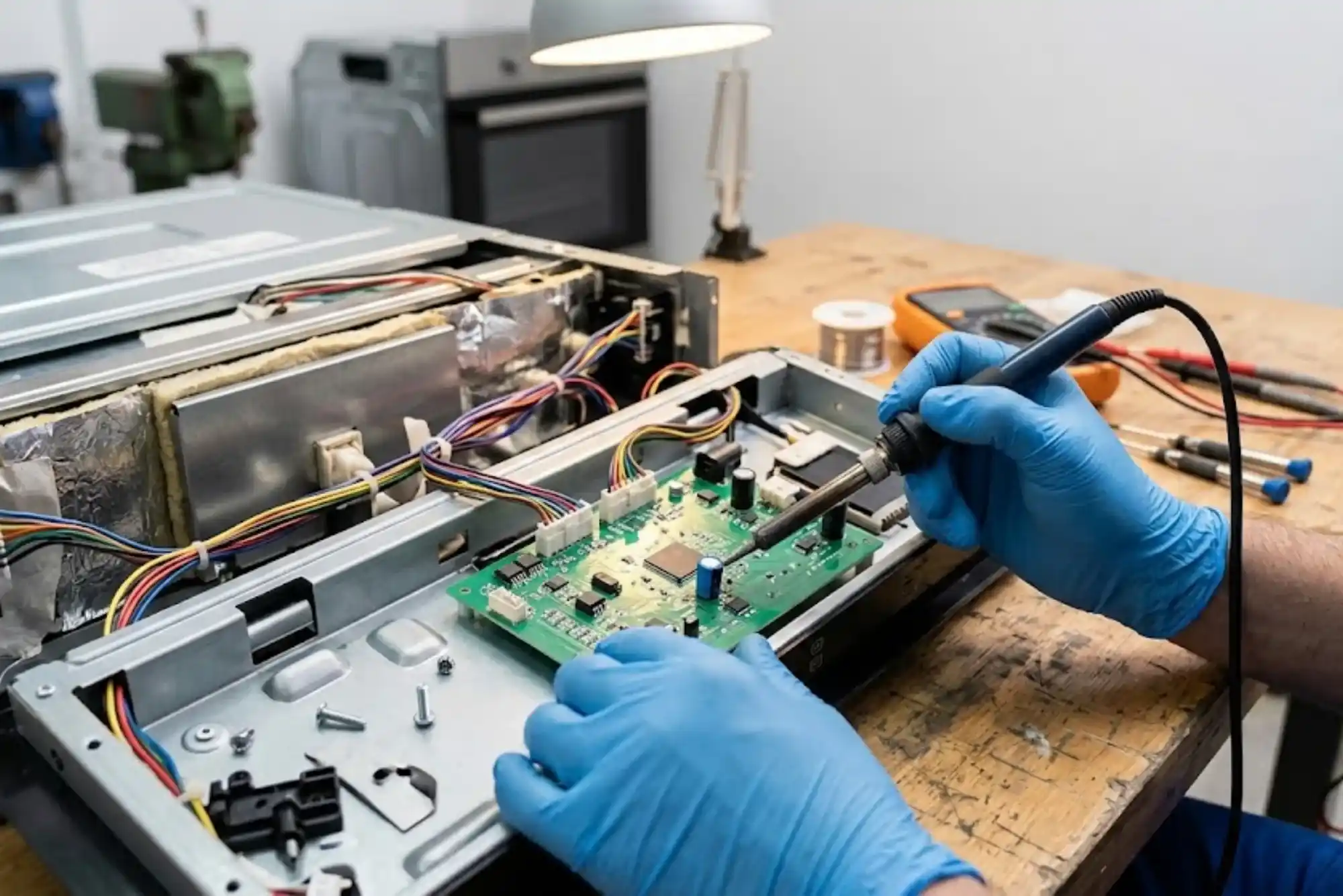
For front-loading machines, electronic faults can also play a role. The control board sends signals to release water at specific times. A damaged solenoid valve or faulty wiring may interrupt that signal. In newer models with smart sensors, even a small miscalibration can delay the detergent release, leaving clothes inadequately cleaned.
The Role of Detergent Type and Usage
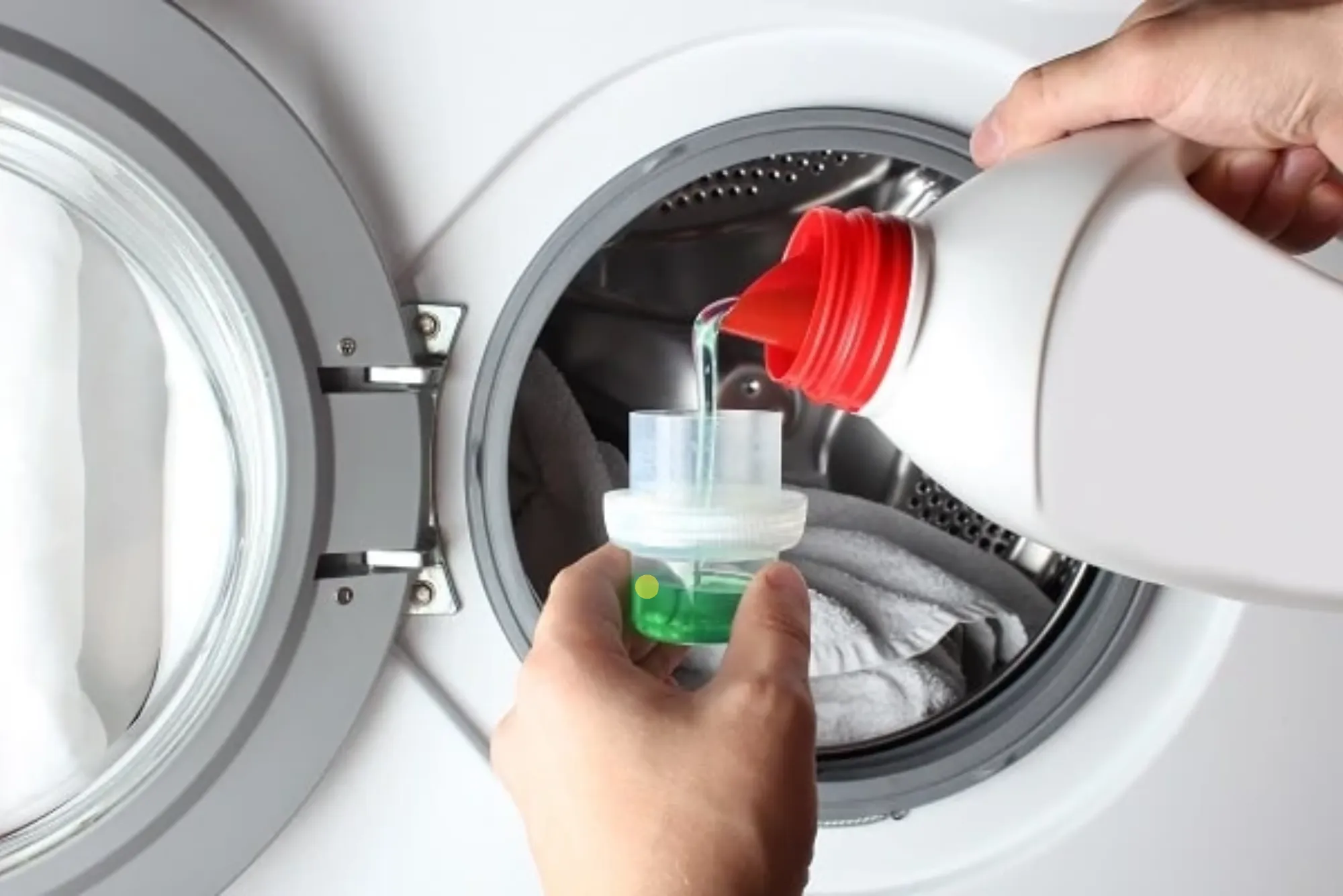
Not all detergents behave the same way. Using the wrong type can cause buildup or clogging. High-efficiency (HE) washing machines require low-suds detergent. When regular detergent is used, excess foam forms, reducing water pressure in the dispenser channels. Over time, this creates residue and restricts the movement of detergent.
Humidity also affects detergent consistency. In damp conditions, powdered detergent can clump and stick to the drawer walls, while liquid detergent can thicken and block the flow. Proper storage and correct dosing help prevent these small issues from developing into larger mechanical problems.
The Importance of Regular Cleaning
Residue is a silent enemy in washing machines. Every cycle leaves small traces of detergent and fabric softener behind. When these traces combine with lint or mineral deposits from hard water, they form sticky layers that block the detergent path.
Cleaning the drawer regularly prevents this buildup. Most modern washing machines allow the detergent compartment to be removed for cleaning. Warm water and mild soap are usually enough to clear residue. Keeping the compartment dry between washes also helps prevent mold growth, which can affect both performance and hygiene.
At HAFixer, we provide expert insights and reliable solutions under our latest blog updates to help you understand and fix common home appliance issues. If you are facing issues such as Why Your Washing Machine Won’t Dispense Detergent or Not Dispensing Detergent in a Front Load Washer, our professional guide and service support at washing machine repair service can help you quickly identify and resolve the problem. We also cover advanced troubleshooting topics like How to Fix a Dispenser Motor for a Washer That Will Not Work, along with complete Home Appliance Repairing Service in Dubai, ensuring your appliances run smoothly and efficiently.
Even with good maintenance, some internal parts—like hoses and valves—require professional attention. Over time, small clogs develop deep within the system where regular cleaning cannot reach. This is where professional service becomes essential.
Electronic and Mechanical Failures
As washing machines have become more advanced, they now rely on electronic components to control nearly every function. A simple control board malfunction can throw off the timing that regulates detergent release. Similarly, solenoid valves that control water entry can wear out or stick, especially if exposed to hard water or detergent residue.
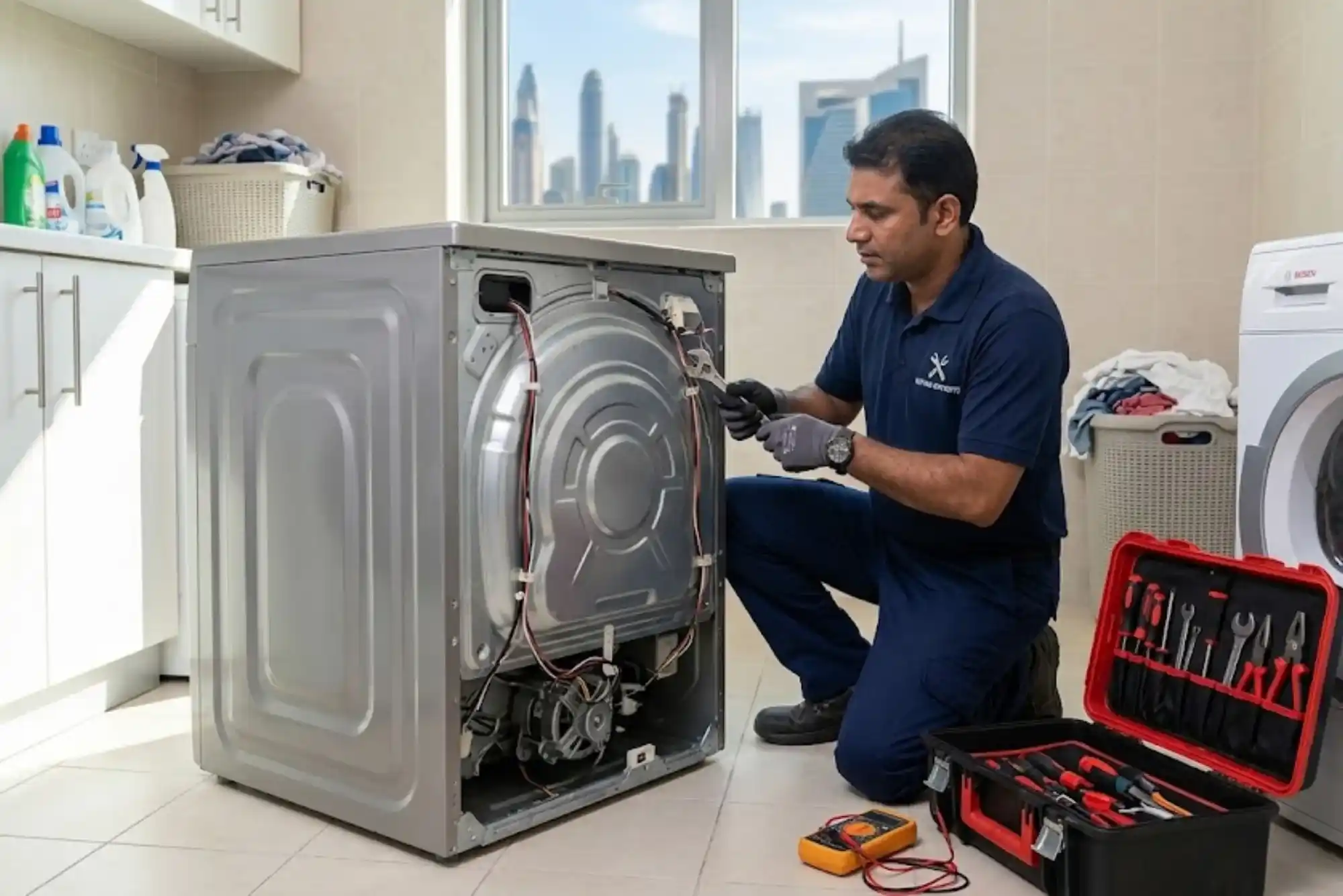
When mechanical or electronic faults occur, professional diagnosis is necessary. Technicians use tools such as multimeters to test voltage, continuity, and component functionality. Replacing a faulty valve or recalibrating the control board restores the system to proper working condition and prevents future failures.
Hard Water and Mineral Deposits
In areas with hard water, mineral buildup inside the washing machine is a frequent problem. Over time, these deposits narrow the openings where water flows, lowering pressure and preventing detergent from being flushed out completely. The same buildup can affect the heating element, altering water temperature and detergent solubility.
Using water softeners or running periodic descaling cycles helps reduce mineral buildup. Keeping the water inlet filters clean also ensures that pressure remains consistent, allowing the dispenser system to function correctly.
When Professional Help Is Needed
While regular cleaning can fix minor issues, professional service is recommended when detergent consistently fails to dispense despite maintenance. A technician can check whether the water inlet valves, dispenser motor, or sensors are malfunctioning.
Attempting to disassemble these parts without experience can lead to electrical hazards or damage to sensitive components. Professional washing machine repair ensures accurate diagnosis, safe handling, and long-term solutions. It also gives you the advantage of having your appliance inspected for other hidden problems that might not yet be visible.
Preventing Future Issues
Prevention is always better than repair. Using the right detergent, maintaining steady water pressure, and cleaning the drawer regularly are simple ways to avoid this problem. Leaving the detergent compartment slightly open after each wash helps reduce moisture buildup, preventing mold and clogs.
Regular servicing also plays a vital role. Technicians can identify early signs of mechanical or electronic wear before they turn into major failures. Scheduling maintenance once or twice a year helps extend the life of the washing machine and keeps it performing efficiently.
Restoring Efficiency and Performance
A washing machine that doesn’t dispense detergent is a clear sign that something is disrupting its normal operation. Whether it’s water pressure, detergent residue, or a mechanical fault, identifying the cause early ensures both cleaner clothes and a longer lifespan for the appliance.
Modern washing machines are built for precision, and each component—no matter how small—plays a critical role. Ignoring small issues like a clogged dispenser can eventually lead to larger failures that affect the entire system.
By understanding the causes, maintaining regular cleaning habits, and seeking professional repair when needed, you can keep your washing machine running efficiently for years. The key is not just to fix the symptom, but to ensure that every part of the appliance works together as intended. With proper care and timely attention, detergent dispensing issues become a minor inconvenience instead of a recurring problem.