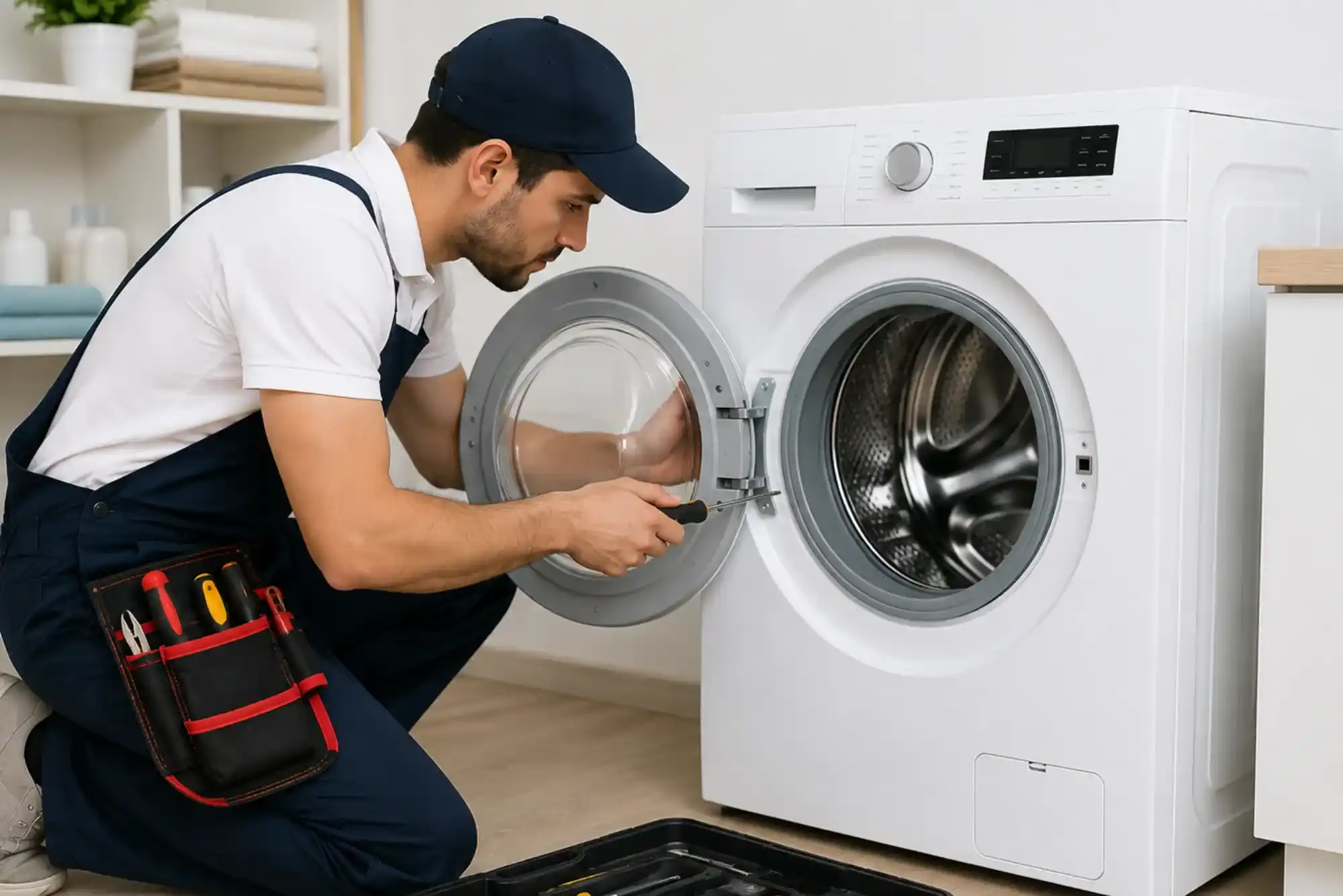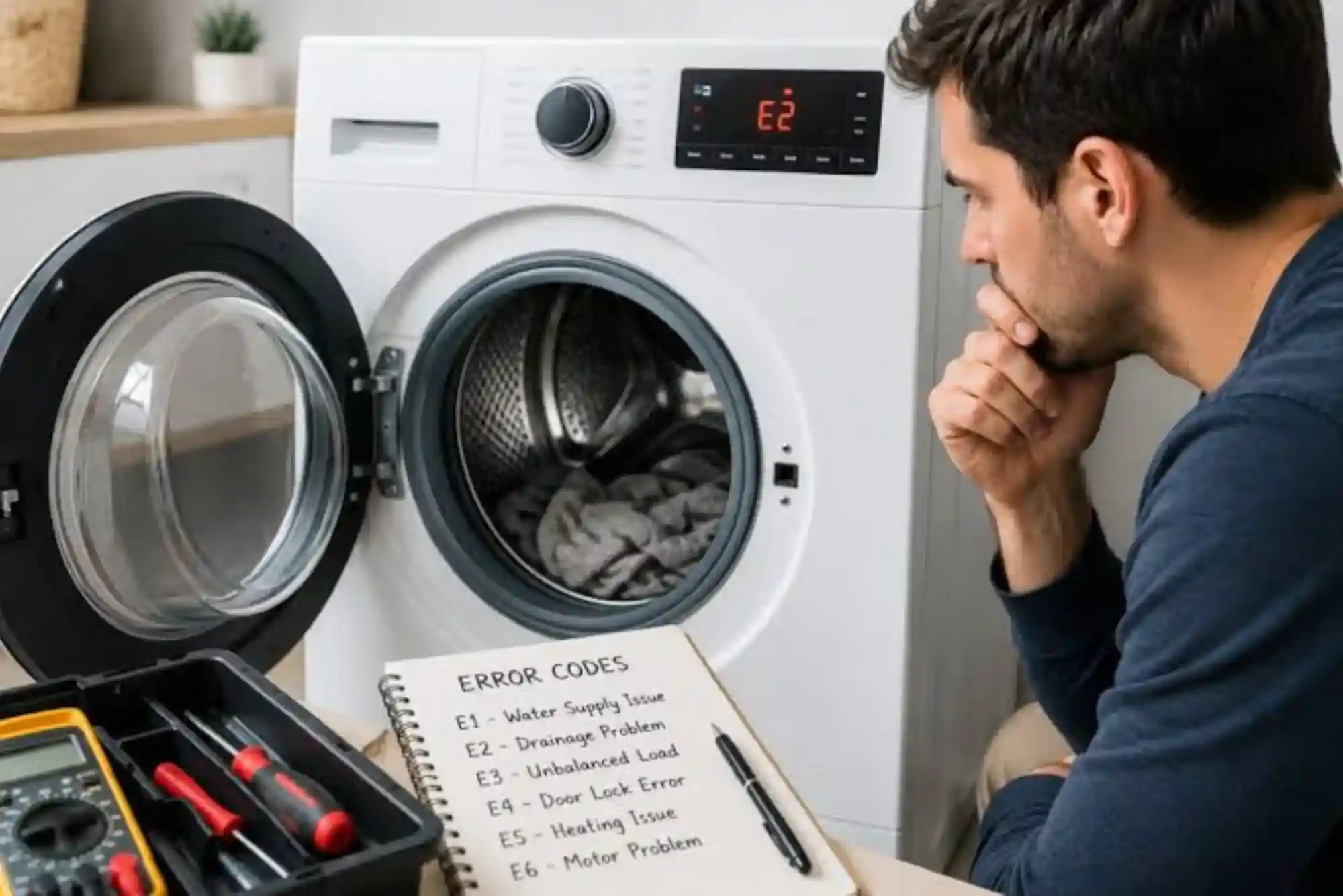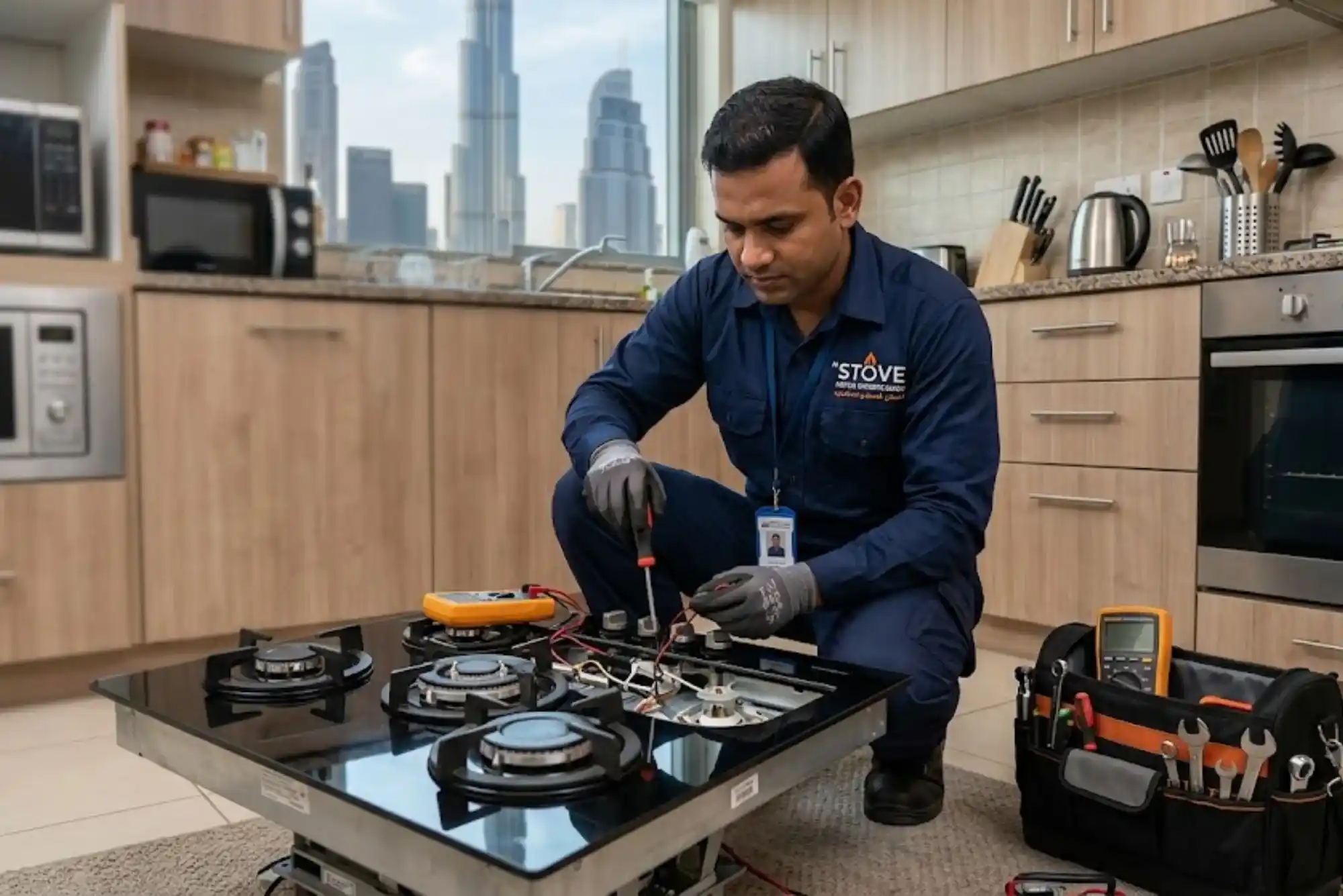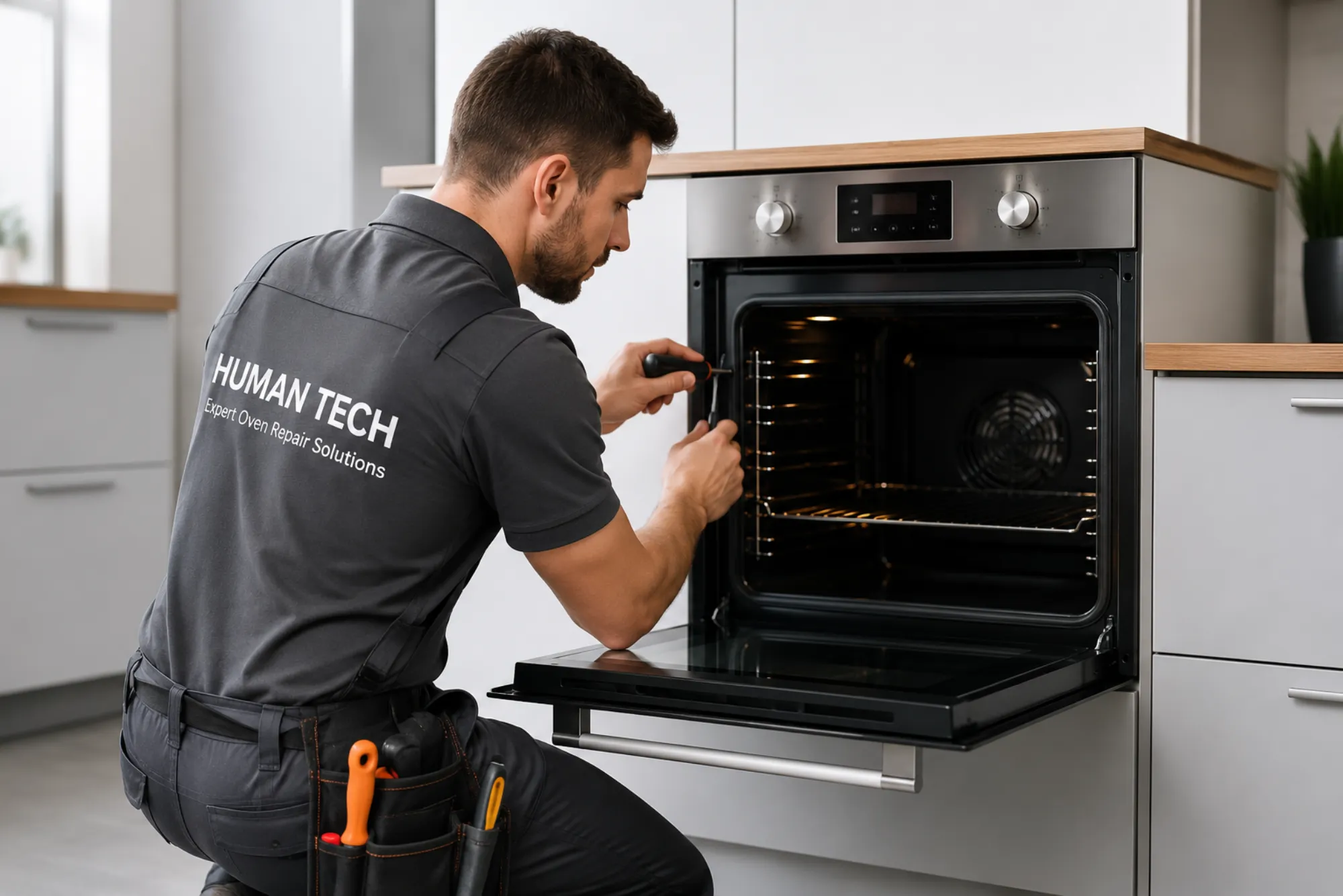
An oven is one of the hardest-working appliances in any modern kitchen. Whether you’re preparing daily family meals, baking desserts, or hosting gatherings, a reliable oven makes cooking easier and more enjoyable. However, like every household appliance, ovens experience wear and tear over time. Heating inconsistencies, electrical faults, damaged components, and unexpected breakdowns can quickly disrupt your routine.
Understanding common oven issues and knowing when professional assistance is necessary can help prevent expensive repairs while extending the life of your appliance. This guide explores expert oven repair solutions, preventive maintenance practices, and practical troubleshooting tips that homeowners can use to keep their ovens operating safely and efficiently.
Why Professional Oven Repair Matters
Modern ovens combine sophisticated electronics, heating systems, sensors, insulation, and safety mechanisms. While some minor maintenance tasks can be handled at home, many repairs require technical knowledge and specialized tools.
Professional technicians accurately diagnose faults instead of simply replacing parts based on guesswork. Proper diagnosis minimizes unnecessary expenses while ensuring that the root cause of the problem is resolved.
If your appliance develops persistent electrical problems, consulting specialists experienced in expert oven repair services can help restore safe operation without risking additional damage.
Common Oven Problems and Their Causes
1. Oven Not Heating Properly
One of the most frequent complaints is insufficient heating. Food may take significantly longer to cook or bake unevenly.
Possible causes include:
- Faulty heating elements
- Defective thermostat
- Temperature sensor failure
- Control board malfunction
- Electrical supply issues
Ignoring inconsistent temperatures often leads to higher energy consumption and poor cooking performance.
2. Uneven Cooking Results
If cakes burn on one side while remaining undercooked on the other, uneven heat distribution may be responsible.
Potential reasons include:
- Damaged convection fan
- Weak heating elements
- Poor door sealing
- Temperature calibration issues
3. Oven Door Problems
A damaged or loose oven door allows heat to escape, forcing the appliance to work harder while increasing cooking times.
Common door issues include:
- Broken hinges
- Worn-out gasket
- Loose handle
- Misaligned frame
4. Control Panel Malfunctions
Modern ovens rely heavily on electronic controls. If buttons stop responding or the display becomes unreliable, the appliance may not operate correctly.
Many electronic faults originate from damaged circuit boards or internal wiring, which should always be inspected by qualified professionals.
5. Strange Noises During Operation
Buzzing, clicking, or rattling sounds often indicate loose internal components, worn fans, or electrical issues. Early diagnosis prevents minor problems from becoming expensive repairs.
Quick Troubleshooting Before Calling a Technician
Not every oven problem requires immediate repair. Homeowners can safely perform several basic checks before scheduling service.
| Problem | Possible Cause | Simple Check |
|---|---|---|
| Oven won’t turn on | Power interruption | Check circuit breaker and power outlet |
| Uneven heating | Blocked airflow | Remove excess cookware from oven |
| Long cooking times | Door not sealing | Inspect gasket for visible damage |
| Error code displayed | Electronic fault | Restart appliance and consult manual |
| Burning smell | Food residue | Clean oven interior after cooling |
If these simple checks do not resolve the issue, professional diagnosis is the safest option.
The Importance of Accurate Oven Diagnostics
Replacing parts without identifying the actual fault often leads to unnecessary expenses. Professional technicians use systematic testing procedures to evaluate electrical systems, heating performance, temperature sensors, safety switches, and electronic controls.
Accurate diagnostics reduce repair time while preventing repeated service visits.
Electrical Issues Should Never Be Ignored
Electrical faults are among the most serious oven problems because they present both fire and shock hazards.
Warning signs include:
- Frequent tripped breakers
- Sparking inside the oven
- Burning odors
- Intermittent power loss
- Visible wire damage
If wiring problems are suspected, resources covering oven wiring troubleshooting can help homeowners understand common symptoms before arranging professional inspection.
Understanding Modern Oven Components
Today’s ovens include numerous interconnected systems that must function together efficiently.
Heating Elements
Electric heating elements gradually weaken over years of repeated use, resulting in slower cooking and uneven temperatures.
Temperature Sensors
These components continuously monitor internal temperature. Faulty sensors produce inaccurate readings that affect cooking consistency.
Control Boards
The electronic control board coordinates every major oven function. Power surges, moisture, or aging components can eventually cause failures.
Understanding the role of an oven circuit board repair helps explain why accurate electronic diagnosis is essential instead of replacing multiple components unnecessarily.
Preventive Maintenance Tips
Routine maintenance significantly reduces unexpected breakdowns while extending appliance lifespan.
Clean Regularly
Food spills eventually harden and interfere with heating performance while producing unpleasant odors.
Inspect Door Seals
Replacing worn gaskets prevents heat loss and improves cooking efficiency.
Avoid Slamming the Door
Gentle operation protects hinges, glass panels, and internal alignment.
Schedule Periodic Inspections
Professional maintenance identifies developing problems before they become major repairs.
Gas vs. Electric Oven Repairs
Although both appliances perform similar functions, repair procedures differ considerably.
Gas Ovens
- Igniter replacement
- Gas valve inspection
- Burner cleaning
- Flame adjustment
Electric Ovens
- Heating element replacement
- Thermostat calibration
- Sensor testing
- Electrical diagnostics
Attempting gas appliance repairs without proper training may create significant safety risks.
Signs It’s Time to Replace Instead of Repair
While repairs often restore reliable performance, replacement becomes the better option under certain circumstances.
- Appliance exceeds its expected service life
- Frequent breakdowns occur
- Repair costs approach replacement value
- Replacement parts become unavailable
- Energy efficiency has significantly declined
A qualified technician can help determine whether repairing or replacing the appliance provides better long-term value.
Choosing a Reliable Oven Repair Service
Selecting experienced professionals improves repair quality and minimizes repeat service calls.
Consider the following factors:
- Experience with multiple oven brands
- Transparent pricing
- Professional diagnosis
- Warranty on repairs
- Availability of genuine replacement parts
Homeowners seeking complete appliance support may also benefit from providers offering complete kitchen appliance repair services, especially when maintaining multiple kitchen appliances.
Benefits of Timely Oven Repairs
- Improved cooking performance
- Lower electricity consumption
- Enhanced kitchen safety
- Longer appliance lifespan
- Reduced repair costs over time
- More consistent baking and roasting results
Conclusion
An efficiently functioning oven plays an essential role in every kitchen. Ignoring early warning signs such as inconsistent temperatures, unusual noises, electrical faults, or slow heating often leads to more expensive repairs later. Regular maintenance, careful operation, and prompt professional diagnosis help maximize appliance performance while improving household safety.
Whether the issue involves heating elements, wiring, electronic controls, or general wear and tear, choosing expert oven repair solutions ensures your appliance continues operating reliably for years to come. Investing in preventive care today is often the most cost-effective way to avoid unexpected breakdowns tomorrow.
Related Reading: Oven Repair Assistance
Related Reading: Emergency Stove Repair: Fast Solutions for Urgent Appliance Problems
Related Reading: Dishwasher Leaking Repair: Expert Solutions and Guide
Related Reading: Expert AC Repair Technician Dubai
Related Reading: Reliable HVAC Contractors For Home Cooling Solutions