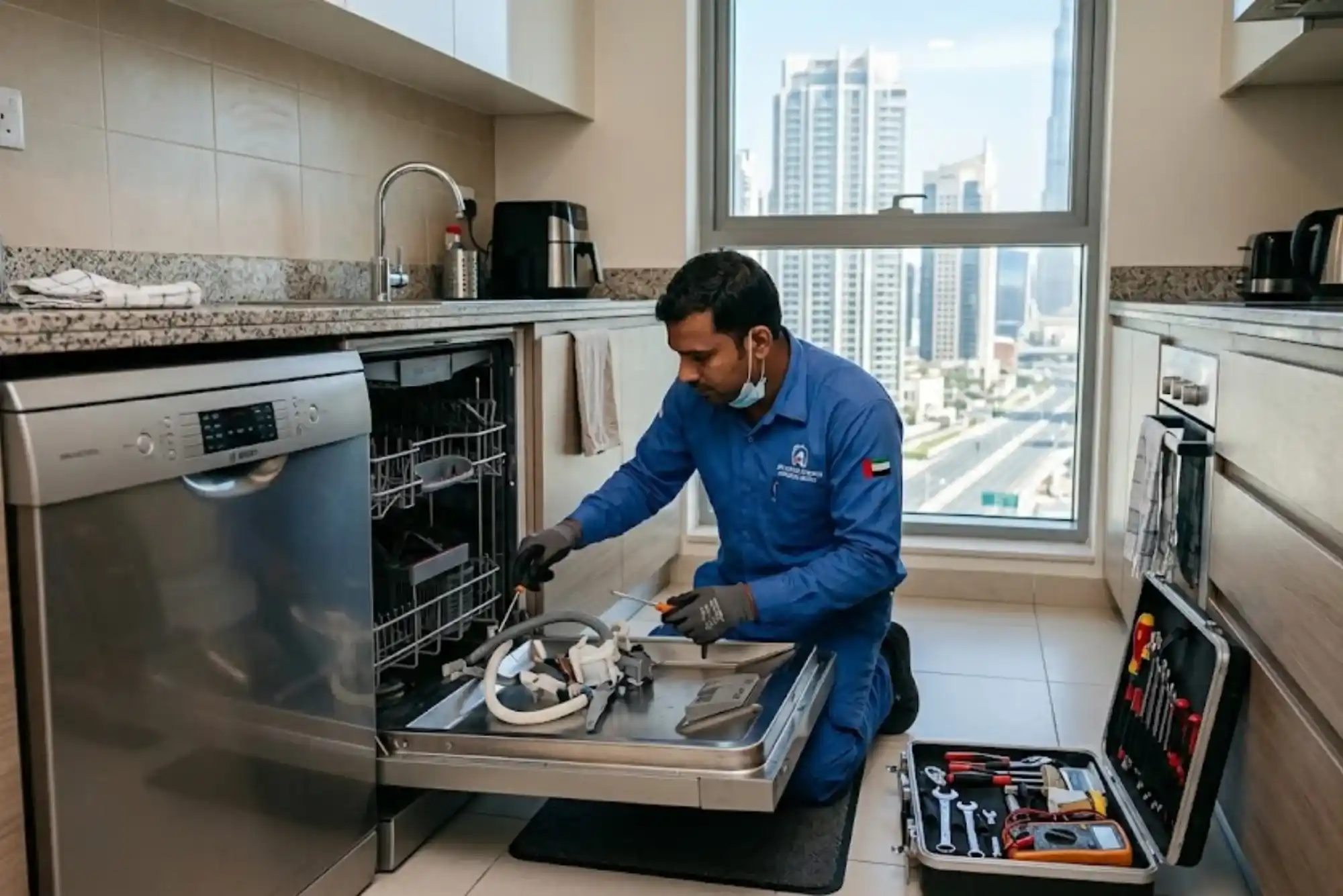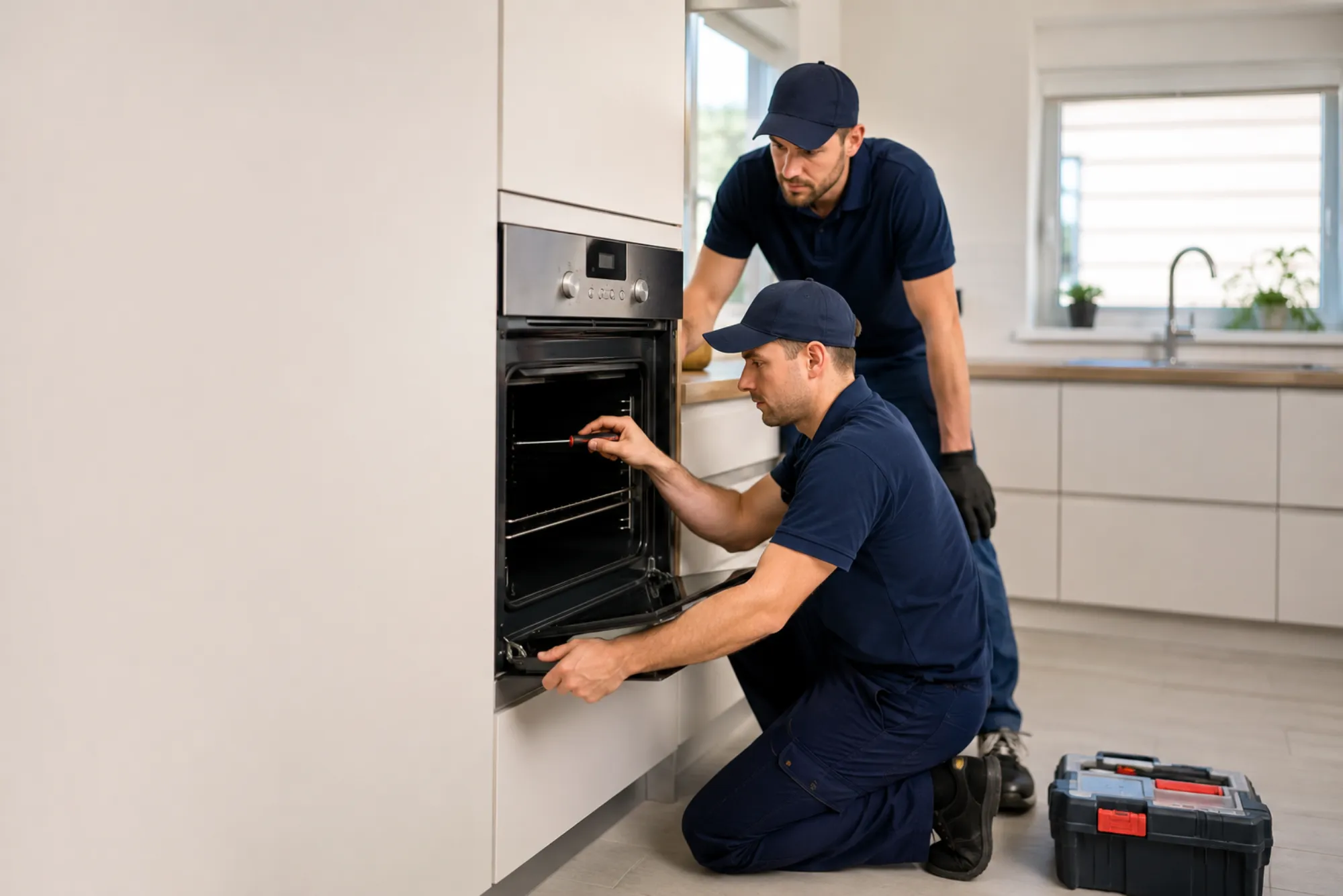
A properly functioning oven plays a central role in every modern kitchen. From daily family meals to commercial food preparation, reliable cooking equipment helps maintain convenience, efficiency, and food quality. When an oven starts overheating, fails to heat evenly, produces strange smells, or stops turning on altogether, professional oven repair assistance becomes essential.
Many oven problems begin with small warning signs that homeowners often overlook. Uneven baking, delayed heating, faulty knobs, electrical sparks, or unusual noises can quickly turn into serious safety hazards. Understanding these issues early helps prevent expensive breakdowns and extends appliance lifespan.
Professional repair services focus not only on restoring appliance performance but also on improving safety, energy efficiency, and long-term reliability. Whether dealing with electric models, convection systems, or gas-powered ovens, expert diagnostics can identify faults before they become major failures.
Why Professional Oven Repair Assistance Matters
Modern ovens contain complex electrical systems, heating components, sensors, relays, insulation materials, and electronic control boards. Attempting repairs without proper tools or technical knowledge can create additional damage or even electrical risks.
Professional technicians use advanced diagnostic methods to identify the exact source of the problem. Services such as advanced oven temperature diagnostics help detect calibration problems, thermostat failures, and inconsistent heating patterns accurately.
Reliable repair assistance offers several important advantages:

- Safer appliance operation
- Accurate fault diagnosis
- Lower long-term repair costs
- Improved cooking performance
- Extended appliance lifespan
- Reduced electricity or gas waste
In many cases, professional servicing also prevents recurring problems that DIY fixes fail to address.
Common Oven Problems Homeowners Experience
Oven faults can develop gradually or appear suddenly after power fluctuations, component wear, or heavy daily use. Understanding common symptoms helps homeowners respond quickly before the appliance fails completely.
| Problem | Possible Cause | Recommended Action |
|---|---|---|
| Oven not heating | Faulty heating element or igniter | Professional inspection and replacement |
| Uneven cooking | Thermostat or fan malfunction | Temperature calibration service |
| Door not closing properly | Damaged hinges or alignment issues | Door adjustment or hinge replacement |
| Burning smell | Electrical wiring or grease buildup | Immediate safety inspection |
| Control panel unresponsive | Circuit board or wiring fault | Electronic diagnostics |
| Convection fan not working | Motor or relay failure | Fan motor servicing |
Several of these issues can worsen rapidly if ignored, especially problems involving electrical components or gas flow systems.
Signs Your Oven Needs Immediate Attention
Some oven problems are minor inconveniences, while others indicate serious internal damage. Recognizing urgent warning signs can help avoid appliance failure and kitchen safety hazards.
1. Temperature Inconsistency
An oven that cooks food unevenly or burns meals despite correct settings may have thermostat or sensor problems. Professional technicians often perform detailed calibration and relay testing to restore proper heat distribution.
Homeowners dealing with unstable temperatures may benefit from reading about oven temperature inconsistency troubleshooting to better understand the underlying causes.
2. Faulty Oven Door
A loose or misaligned oven door allows heat to escape, reducing cooking efficiency and increasing electricity consumption. Broken hinges, damaged seals, or alignment issues are among the most common causes.
Professional repair specialists can restore proper sealing through services such as oven door hinge repair and replacement.
3. Electrical Burning Smells
Burning odors should never be ignored. They may indicate overheating wires, damaged insulation, or failing electrical components. Immediate inspection is important to prevent fire hazards.
Electrical problems can become especially dangerous during voltage fluctuations or repeated power interruptions. Industry safety guidelines from organizations like [Insert relevant reference link here] explain why damaged appliance wiring requires prompt attention.
4. Convection Fan Failure
Convection ovens rely on circulating hot air for even cooking. When airflow stops, food may cook unevenly or require significantly longer cooking times. Fan motor replacement or relay repair may be necessary.
Electric vs Gas Oven Repair Assistance
Electric and gas ovens operate differently and require specialized repair approaches. Understanding these differences helps homeowners seek the right type of technical support.
| Feature | Electric Oven | Gas Oven |
|---|---|---|
| Heating Method | Electric heating elements | Gas burners and igniters |
| Common Issues | Element burnout, wiring faults | Ignition failure, gas flow issues |
| Repair Complexity | Electronic diagnostics required | Gas safety testing required |
| Safety Risks | Electrical hazards | Gas leaks and ignition problems |
| Maintenance Focus | Wiring and sensors | Burners and gas valves |
Gas ovens require additional safety checks involving ventilation, burner pressure, and ignition systems. Electric models often involve sensor calibration and control board diagnostics.
The Importance of Regular Oven Maintenance
Preventive maintenance significantly reduces the likelihood of major appliance breakdowns. Routine servicing also improves cooking consistency and energy efficiency.
Regular inspections typically include:
- Heating element testing
- Thermostat calibration
- Door seal inspection
- Control panel diagnostics
- Internal wiring checks
- Fan and ventilation cleaning
Homeowners in high-usage kitchens often schedule annual maintenance to prevent emergency repairs. Professional maintenance services also help identify hidden wear before components fail completely.
For households experiencing recurring issues, affordable oven repair and maintenance solutions can help reduce long-term repair expenses.
How Professional Technicians Diagnose Oven Problems
Experienced technicians use a structured repair process designed to identify faults accurately and minimize unnecessary part replacements.
- Initial appliance inspection
- Error code analysis
- Temperature testing
- Electrical continuity checks
- Component performance testing
- Repair recommendation and servicing
Advanced ovens may also require software resets, relay diagnostics, or circuit board inspections. Professional repair companies often carry manufacturer-approved replacement parts to improve compatibility and reliability.
When DIY Repairs Become Risky
Basic maintenance tasks like cleaning spills or replacing light bulbs are generally manageable for homeowners. However, more complex repairs can become dangerous without proper training.
DIY repairs become risky when dealing with:
- Electrical wiring systems
- Gas lines and ignition systems
- Thermal insulation replacement
- Control board failures
- Sensor calibration
- Internal heating components
Incorrect repairs may void warranties, damage expensive components, or create long-term safety hazards. Professional repair assistance ensures appliances meet operational and safety standards after servicing.
How Oven Repairs Improve Energy Efficiency
Faulty ovens often consume more electricity or gas than necessary. Damaged door seals, malfunctioning thermostats, and failing heating elements force appliances to work harder to maintain temperature.
Repairing these issues improves overall kitchen efficiency in several ways:
- Reduced cooking times
- Lower energy consumption
- More stable cooking temperatures
- Less heat loss
- Improved appliance lifespan
In commercial kitchens or large households, improved efficiency can noticeably reduce monthly utility costs over time.
Choosing the Right Oven Repair Service
Selecting an experienced repair provider is just as important as repairing the appliance itself. A qualified technician should understand multiple appliance brands, heating technologies, and safety protocols.
When evaluating repair companies, consider the following:
| Factor | Why It Matters |
|---|---|
| Certified technicians | Ensures proper diagnostics and safe repairs |
| Multi-brand experience | Improves compatibility with various oven models |
| Transparent inspections | Reduces unnecessary repairs |
| Availability of replacement parts | Speeds up repair completion |
| Emergency support | Useful for urgent appliance failures |
Professional repair providers often handle related kitchen appliances as well, including stoves, cookers, and microwaves. Services like kitchen oven fixing experts can assist with both residential and commercial appliance systems.
Modern Ovens Require Specialized Expertise
Today’s ovens include digital controls, convection systems, smart features, programmable cooking modes, and advanced safety mechanisms. Repairing these systems requires updated technical knowledge and specialized tools.
Modern appliance servicing may involve:
- Electronic circuit board replacement
- Touch panel diagnostics
- Smart oven connectivity troubleshooting
- Sensor recalibration
- Software reset procedures
As appliance technology evolves, experienced repair technicians continue adapting to increasingly sophisticated kitchen systems.
Frequently Asked Questions
How do I know whether my oven needs repair or replacement?
Minor issues such as faulty hinges, damaged elements, or thermostat problems are usually repairable. Replacement becomes more practical when repair costs approach the value of a new appliance or when repeated breakdowns occur.
Is it safe to continue using an oven with uneven heating?
Uneven heating may indicate thermostat, relay, or sensor problems. Continued use can worsen internal damage and affect food safety due to inconsistent cooking temperatures.
How long does professional oven repair usually take?
Simple repairs may be completed during a single visit, while complex electrical or circuit board repairs may require additional diagnostic time and replacement parts.
Can power fluctuations damage an oven?
Yes. Voltage fluctuations can damage electronic control boards, relays, sensors, and internal wiring systems, especially in modern digital ovens.
Should I repair an oven that produces a burning smell?
Yes. Burning smells should always be inspected immediately because they may indicate electrical overheating, insulation damage, or failing components.
Conclusion
Reliable oven repair assistance helps maintain kitchen safety, improve cooking performance, and extend appliance lifespan. Small warning signs like temperature inconsistency, faulty doors, strange noises, or delayed heating often indicate deeper internal issues that require professional attention.
Experienced technicians provide accurate diagnostics, safe repairs, and preventive maintenance that reduce future breakdown risks. Whether dealing with electric heating systems, gas ignition faults, or modern smart oven technologies, timely servicing protects both the appliance and household safety.
Investing in professional oven care ultimately delivers better cooking results, lower energy waste, and greater long-term reliability for one of the most important appliances in any kitchen.
Related Reading: The Truth About Being a Light Being — And Why So Many Souls Are Awakening to It Right Now