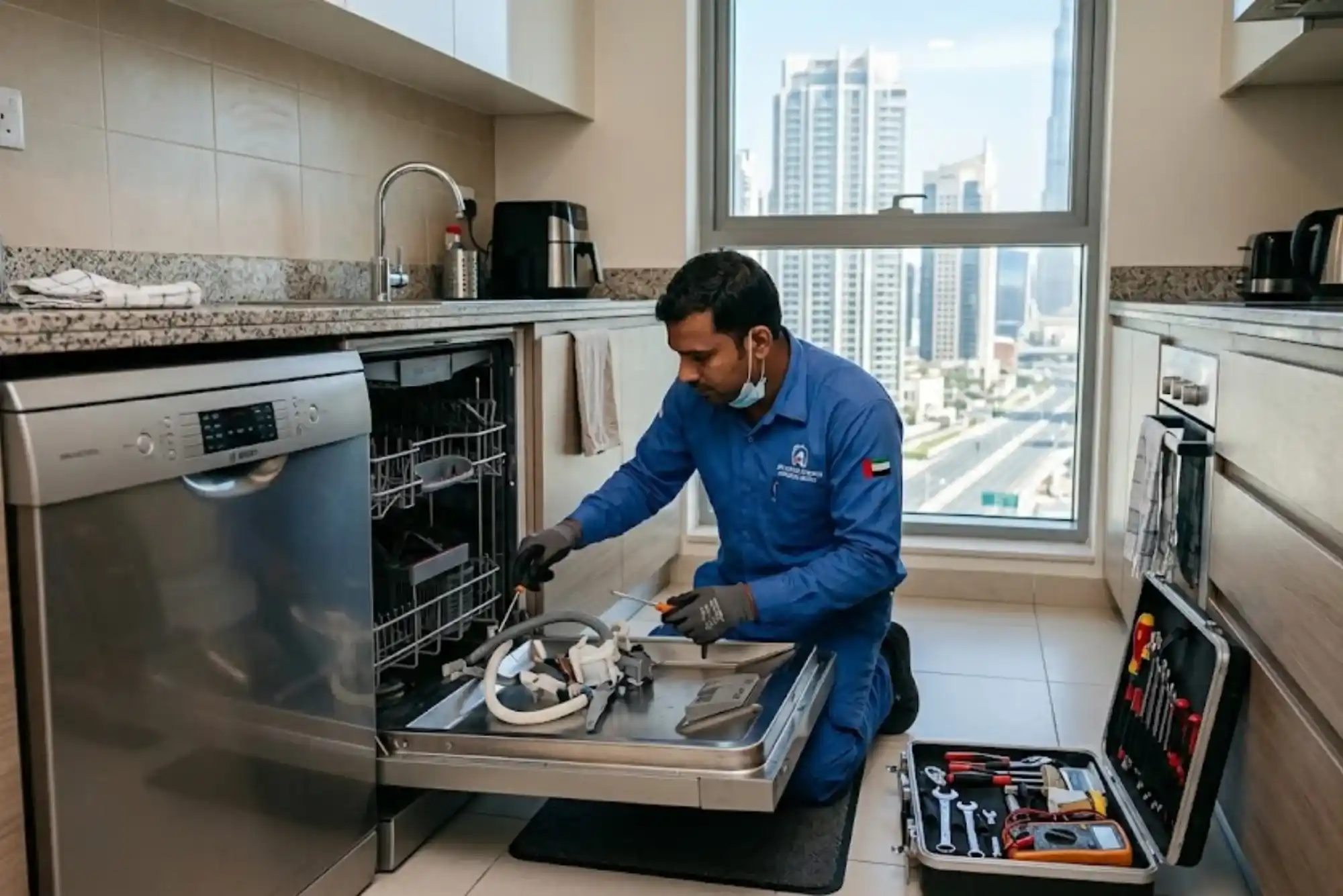
The performance of an oven depends on consistent and accurate temperature control, making it one of the most critical elements of every cooking routine. When temperatures begin to fluctuate, food no longer cooks evenly, and the appliance may lose its reliability. This is why homeowners and technicians rely on advanced diagnostics for oven temperature issues, especially when traditional troubleshooting methods are no longer effective. Understanding how these diagnostic approaches work provides clarity about modern appliance repair, helping users appreciate the precision and technology involved in resolving temperature inconsistencies.
Understanding Why Oven Temperature Accuracy Matters
Temperature accuracy is more than a convenience; it is essential to achieving predictable culinary outcomes. When an oven cannot maintain stable heat, baking times become inconsistent, and dishes may burn or remain undercooked. Many homeowners assume that minor fluctuations are normal, but persistent inconsistencies often signal deeper mechanical or electrical problems. As modern ovens become more sophisticated, so do the methods required to assess their internal functions. This is where advanced diagnostics for oven temperature issues play an important role, allowing professionals to identify hidden faults with far greater accuracy than manual checks alone.
The Shift from Traditional Troubleshooting to Advanced Diagnostics
Historically, technicians relied heavily on visual inspection and mechanical testing to identify oven problems. While effective in older appliances, these methods are far less accurate with today’s electronically controlled units. Modern ovens contain sensors, digital thermostats, electronic control boards, and internal calibration systems that interact with one another. A fault in one component can affect the entire temperature regulation process, making manual assessment increasingly challenging. Advanced diagnostics for oven temperature issues provide a more precise, technology-driven method of identifying faults. These diagnostics rely on detailed readings, data tracking, and error analysis, bringing clarity to problems that may otherwise remain undetected.
The Role of Heat Sensors in Diagnostic Evaluations
One of the essential elements in modern oven diagnostics is the evaluation of heat sensors. These sensors determine whether the oven reaches and maintains the required temperature. When a sensor begins to fail, the control board may receive incorrect information, leading to inaccurate heating cycles. During advanced diagnostics, technicians use specialized tools to monitor the sensor’s response time, resistance levels, and signal accuracy. This process helps determine whether the sensor itself is faulty or whether the communication pathway to the control board is disrupted. Without this level of detailed testing, homeowners may mistakenly replace parts that are not actually causing the problem.
How Control Board Diagnostics Reveal Hidden Problems
The electronic control board acts as the brain of the oven, interpreting signals from sensors and regulating heating elements. Faults within the control board often create temperature issues that appear random or inconsistent. Advanced diagnostics for oven temperature issues allow technicians to examine the internal logic of the control board, verifying whether it interprets temperature data correctly. They can also identify software-related calibration problems or electrical interruptions within the circuitry. This kind of diagnostic assessment is far more efficient than replacing components blindly, as it pinpoints the exact source of regulation errors.
The Importance of Analysing Heating Element Behavior
Heating elements in electric ovens are responsible for distributing heat throughout the cavity. When an element weakens or develops internal breaks, it may still glow but fail to produce the required heat output. Diagnosing these problems manually can be difficult, especially when the damage is invisible to the naked eye. Using advanced diagnostics for oven temperature issues helps reveal inconsistencies in heat production, electrical continuity, and overall element performance. By gathering detailed data rather than relying on observation alone, technicians can determine whether a heating element is still functional or needs replacement.

Why Airflow Patterns Are Included in Diagnostic Procedures
For ovens with convection technology, airflow plays a vital role in temperature distribution. When the fan system or air channels become blocked or malfunction, the oven may heat unevenly even if the elements are functioning properly. Advanced diagnostic techniques evaluate temperature uniformity throughout the oven, identifying areas where heat does not circulate as intended. This approach goes beyond basic inspection, offering a complete picture of how the oven behaves under different heating cycles. Understanding airflow irregularities often leads to solutions that restore temperature consistency without involving unnecessary part replacements.
Calibration Testing and Digital Accuracy Checks
Modern ovens require periodic calibration to ensure that their internal sensors and digital controls align with actual temperature readings. If calibration drifts due to wear or electrical fluctuations, the oven may appear to heat incorrectly even though all components are functioning. Calibration evaluation is an essential part of advanced diagnostics for oven temperature issues. By comparing internal readings with external measurement tools, technicians can determine whether recalibration is necessary. These tests help restore precision, allowing the oven to perform according to its original design.
Data Logging and Pattern Interpretation in Diagnostics
One of the major advantages of advanced diagnostic systems is their ability to track data over time. Instead of relying on a single temperature reading, the system records patterns such as preheat duration, temperature retention, and fluctuations during specific cooking modes. These readings reveal long-term inconsistencies that may go unnoticed during normal use. When interpreted by experienced technicians, the data provides insights into failing components, wiring irregularities, and thermal regulation problems. This type of detailed evaluation is a major improvement over traditional repair methods.
How Professional Technicians Use Diagnostic Results for Repairs
Once diagnostic data has been collected and analyzed, technicians can make informed decisions about repairs. Using advanced diagnostics for oven temperature issues helps ensure that solutions target the root cause rather than the symptoms. For instance, if temperature deviations result from a combination of sensor malfunction and calibration drift, technicians can address both issues rather than replacing the entire control board. This approach improves repair accuracy, reduces costs, and extends the oven’s lifespan. Professional technicians often provide additional recommendations to prevent future temperature issues based on the diagnostic findings.
Why Homeowners Benefit from Advanced Diagnostic Approaches
Homeowners may wonder whether advanced diagnostics are necessary, especially when the oven still heats, even if imperfectly. The truth is that temperature irregularities tend to worsen over time. Minor fluctuations can eventually escalate into complete malfunctions, affecting cooking quality and energy efficiency. Early diagnostic assessment prevents unnecessary stress and avoids expensive repairs in the future. With advanced diagnostics for oven temperature issues, homeowners gain a clear understanding of the appliance’s condition and can make informed decisions about maintenance or repairs. This proactive approach also ensures consistent cooking performance, which is essential for everyday use.
The Future of Oven Diagnostics and Temperature Control
As kitchen appliances continue evolving, diagnostic technology will become even more sophisticated. Future ovens may include self-diagnostic features that automatically detect temperature inconsistencies and alert users through digital interfaces or mobile apps. Predictive maintenance tools may use artificial intelligence to analyze performance patterns and forecast potential failures. These advancements will make cooking appliances more reliable and reduce the need for emergency repairs. Understanding the current state of advanced diagnostics for oven temperature issues helps homeowners appreciate the direction in which appliance technology is heading.
Stay updated with the latest appliance repair insights on Hafixer, where we provide expert guidance to help you solve common and complex home appliance issues. If your oven is not performing as expected, our detailed guide on advanced diagnostics for oven temperature issues explains the root causes and professional solutions to restore accuracy and efficiency. From understanding how to fix an inaccurate oven temperature to exploring the top reasons why your oven isn’t heating to the right temperature, our content is designed to deliver reliable, easy-to-follow solutions. Visit our homepage to explore more expert repair services and keep your appliances running at peak performance.