
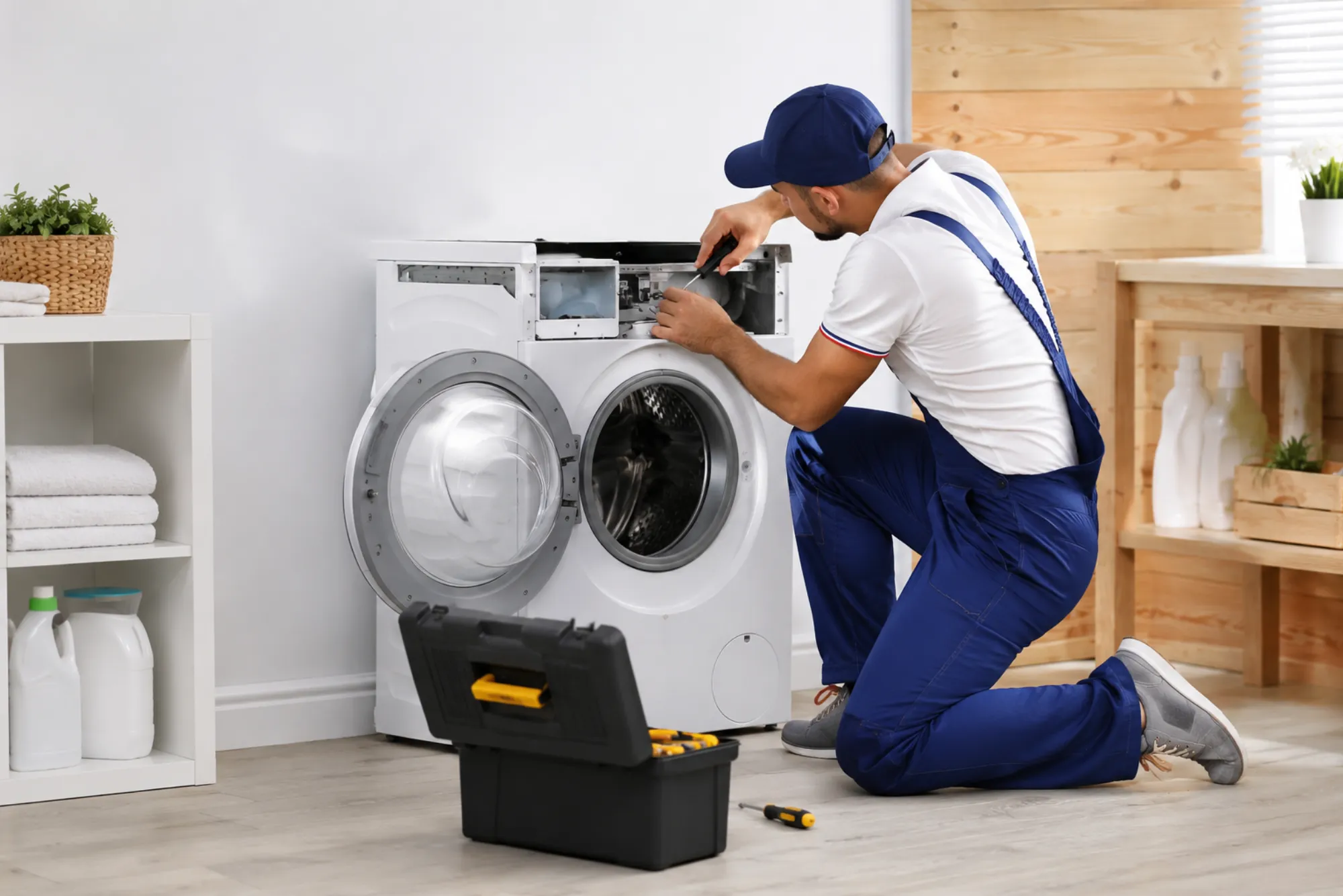
Washing machines have become an essential part of modern households, making laundry work faster, easier, and more efficient. However, like any other home appliance, they are prone to faults over time due to continuous usage, electrical issues, mechanical wear, and lack of maintenance. Understanding washing machine fault fixing is important for every homeowner who wants to avoid expensive repairs and extend the life of their appliance.
From drainage issues to spinning problems and electrical failures, most washing machine faults start small but gradually become serious if ignored. Identifying these issues early and applying the right repair approach can save both time and money. Professional technicians from Hafixer Home Appliances Repair often handle these problems daily, offering reliable and long-lasting solutions for all major washing machine brands.
Understanding Common Washing Machine Faults
Washing machine faults usually fall into three categories: mechanical, electrical, and operational issues. Mechanical faults involve parts like drum bearings, belts, or pumps. Electrical faults include wiring problems, control board failure, or sensor errors. Operational faults occur when the machine is overloaded or used incorrectly.
Recognizing the type of fault is the first step in effective washing machine fault fixing. Many users ignore early warning signs, which leads to more serious breakdowns later. For example, unusual noises, slow spinning, or water not draining properly are all early indicators of internal issues.
Key Signs Your Washing Machine Needs Repair
Before a washing machine completely stops working, it usually shows warning signs. These signs help identify problems early and prevent costly replacements. Understanding these indicators can make washing machine fault fixing much easier.
Some of the most common symptoms include excessive vibration during spinning, water leakage, strange noises, and delayed cycle completion. In many cases, these issues are linked to worn-out components or blocked drainage systems.

For a detailed understanding of early symptoms, you can explore warning signs of washing machine failure to better diagnose your appliance condition before it worsens.
Common Washing Machine Problems and Their Causes
Most washing machine faults are caused by regular wear and tear, poor maintenance, or electrical fluctuations. Below are some of the most frequently reported issues along with their possible causes.
1. Washing Machine Not Draining Water
This issue usually occurs due to a blocked pump filter, clogged hose, or faulty drain pump. In many cases, cleaning the drainage system resolves the problem, but sometimes a full pump replacement is required.
2. Drum Not Spinning Properly
A non-spinning drum often indicates a broken belt, motor issue, or overloaded machine. It is important to avoid overloading as it puts unnecessary pressure on the motor and internal components.
3. Water Leakage Issues
Leaks are commonly caused by damaged door seals, loose pipes, or cracked hoses. Ignoring water leakage can lead to floor damage and electrical hazards.
4. Excessive Noise and Vibration
This usually happens due to worn-out bearings or unbalanced load inside the drum. Proper leveling and timely maintenance can reduce noise significantly.
Step-by-Step Washing Machine Fault Fixing Approach
Fixing washing machine issues requires a structured approach. While minor issues can sometimes be handled at home, complex faults require professional expertise. Below is a general troubleshooting process used by technicians.
| Problem | Possible Cause | Solution |
|---|---|---|
| Machine not starting | Power supply issue or faulty switch | Check power connection and replace switch if needed |
| Water not draining | Blocked pump or hose | Clean filter or use washing machine pump repair service |
| Excess vibration | Unbalanced load or worn shock absorbers | Redistribute clothes or replace shock absorbers |
| Drum not spinning | Belt or motor issue | Inspect belt and motor system |
Importance of Professional Washing Machine Repair
While DIY solutions may seem cost-effective, they are not always safe or reliable. Modern washing machines are equipped with advanced electronic systems that require professional handling. Incorrect repair attempts can cause further damage and increase repair costs.
Professional technicians use diagnostic tools to identify faults accurately and provide long-term solutions. Services like professional washing machine repair in Ajman ensure that both mechanical and electrical issues are handled safely and efficiently.
Preventive Maintenance Tips for Long-Lasting Performance
Preventive maintenance plays a major role in reducing washing machine faults. Regular care not only improves performance but also extends the lifespan of the appliance. Simple maintenance habits can prevent major breakdowns.
Regular Cleaning
Cleaning the drum, filter, and detergent tray prevents buildup of dirt and residue, which can affect performance.
Load Management
Avoid overloading the machine as it strains the motor and reduces washing efficiency.
Check Hoses and Pipes
Inspect water inlet and outlet pipes regularly for cracks or leaks.
Use Stable Power Supply
Voltage fluctuations can damage electronic components. Using a stabilizer is highly recommended.
Role of Internal Components in Machine Performance
Every washing machine consists of several critical components working together. Parts like the motor, drum, belt, pump, and control board all play essential roles in operation. When one component fails, it affects the entire system.
For example, a faulty pump can prevent water drainage, while a damaged motor can stop spinning completely. Understanding these components helps in better diagnosis and effective washing machine fault fixing.
When to Call a Professional Technician
Not all washing machine issues can be fixed at home. If the machine shows repeated errors, electrical burning smells, or complete shutdown, it is time to contact a professional. Ignoring such issues can lead to permanent damage.
Technicians have the right tools and expertise to diagnose problems accurately and repair them efficiently. They ensure safety and restore machine performance without risk to other components.
Why Timely Fault Fixing Matters
Delaying washing machine repairs often leads to more serious damage. A small issue like a clogged filter can escalate into pump failure if ignored. Timely fault fixing not only saves repair costs but also ensures uninterrupted daily use.
Regular inspection and early intervention are key to maintaining appliance health. A well-maintained washing machine performs better, consumes less energy, and lasts longer.
Conclusion
Washing machine fault fixing is an essential part of maintaining a functional and efficient home appliance. Understanding common problems, recognizing warning signs, and applying the right repair methods can significantly reduce downtime and repair costs.
While minor issues can sometimes be handled with basic troubleshooting, professional repair services are always recommended for complex faults. Expert technicians ensure safe, reliable, and long-term solutions that keep your washing machine running smoothly.
With proper maintenance and timely repairs, you can extend the life of your washing machine and avoid unnecessary breakdowns, ensuring consistent performance for years to come.