A gas stove is one of the most reliable and convenient appliances in the kitchen, but when the familiar clicking sound continues long after you’ve turned the knob, it can quickly shift from routine to irritating. The rhythmic tick of the igniter is usually something you barely notice when lighting a burner, but when it won’t stop, it signals that something within the ignition system or surrounding components isn’t working properly. Understanding what causes this noise and how to address it is essential not only for your peace of mind but also for the safety and longevity of your appliance.
Understanding How Gas Stove Ignition Works
To appreciate why clicking occurs, it helps to know how a modern gas stove ignition system functions. When you turn the burner knob, gas flows through the valve toward the burner head. At the same time, an electrical spark is triggered at the igniter, creating the rapid clicking sound. This spark ignites the gas, producing a steady flame.
Normally, once the flame appears, the igniter stops sparking, and the clicking ceases. If the clicking continues, it means the spark system is not receiving the right feedback that combustion has taken place, or something is interfering with the ignition cycle. This seemingly minor disruption can be traced to several causes, ranging from moisture and dirt to misaligned components.
The Role of Moisture and Residue
One of the most common reasons for constant clicking is moisture. Kitchens are environments where spills and steam are frequent. If water from a pot boils over onto the burner or cleaning liquids seep into the ignition assembly, the moisture can prevent the spark from grounding correctly. As a result, the igniter continues firing even though a flame is already present or the burner is off.
Residue buildup is another factor. Food particles, grease, and cleaning chemicals can accumulate around the burner head or igniter. Even a thin layer of grime can interfere with the spark, causing the system to keep clicking as it struggles to establish reliable contact. In many cases, a thorough cleaning resolves the issue, but ignoring it allows residue to harden over time, leading to more frequent malfunctions.
Alignment and Burner Cap Issues
Another subtle yet frequent cause lies in burner cap misalignment. The cap must sit evenly on the burner base for gas to flow correctly and for the spark to ignite it. If the cap is shifted slightly after cleaning or while moving cookware, the gas may not reach the spark efficiently. This results in prolonged clicking as the system attempts to ignite.
Although misalignment seems trivial, it affects the balance of airflow, gas delivery, and spark placement. Correctly seating the burner cap often eliminates the clicking, but if the problem persists, the igniter assembly itself may need attention.
Wear and Tear on the Igniter
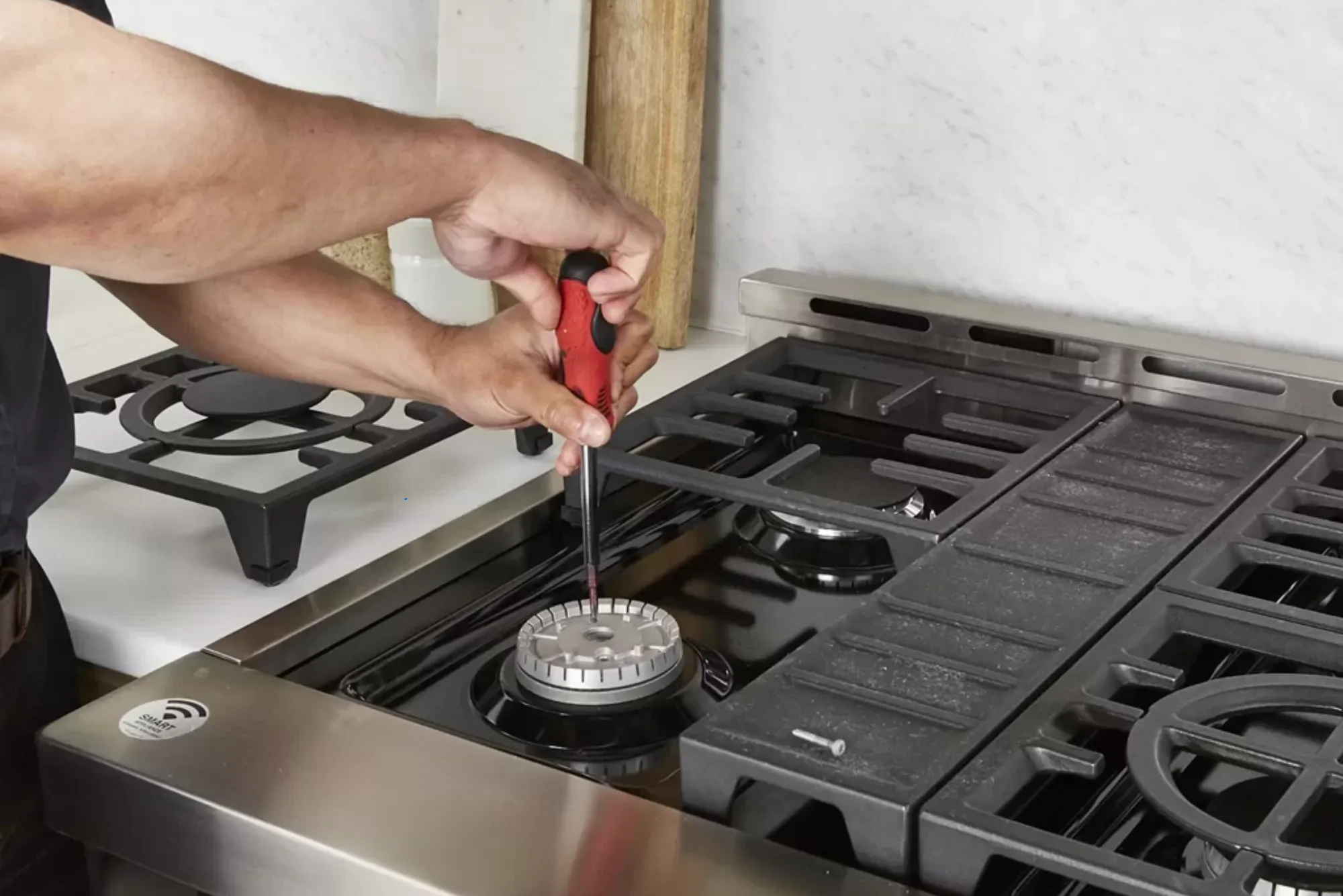
Like any electrical component, the igniter has a lifespan. Over time, repeated sparking can cause the tip to wear down or become coated with carbon. When this happens, the spark weakens or arcs inconsistently, leading the control system to continue clicking in an effort to compensate.
Explore the latest appliance repair articles on Hafixer and stay informed with expert solutions for everyday issues. Learn the real reasons behind Why Your Stove Keeps Clicking and get practical insights to fix common stove problems. If you’re experiencing unusual sounds, read our detailed guide on Is Your Gas Stove Clicking When Off? Fix It Safely in 2025 for safe troubleshooting tips. For broader solutions, check out our complete guide on Home Appliance Repairing Service In Dubai. If you need expert help, our stove repair service in Dubai ensures fast, reliable, and professional support for all your appliance repair needs.
In some cases, the wiring that connects the igniter to the spark module becomes loose or damaged. Exposure to heat, grease, and vibration can gradually deteriorate insulation, creating shorts or intermittent connections. Such issues not only prolong clicking but can also pose electrical hazards if ignored.
Problems with the Spark Module
Behind every igniter is a spark module, a small electronic unit that distributes power to the ignition system. If the module malfunctions, it may send continuous signals to the igniters even when the burner is lit or turned off. This is a more serious issue than misaligned caps or surface moisture, as it indicates an internal electrical fault.
A failing spark module may require professional replacement. Attempting to repair or modify it without expertise is risky, as improper handling can damage other stove components or create safety hazards.
Gas Flow and Pressure Imbalances
Clicking can also stem from irregularities in gas flow. If the pressure is too low, the gas may not ignite immediately, causing the igniter to keep sparking. Conversely, if the pressure is too high, it may disrupt the flame sensor’s ability to detect ignition, again leading to extended clicking.
Obstructions in the gas lines or burner ports, often caused by dirt, grease, or insects, can contribute to this imbalance. Ensuring that the flow is steady and unobstructed is critical not only for reducing noise but also for ensuring safe and efficient combustion.
Safety Considerations
While a clicking stove repair is often more of an annoyance than a direct danger, it should never be dismissed entirely. Persistent clicking can mean unburned gas is escaping into the kitchen, especially if the burner is not lighting at all. Even small amounts of unignited gas pose a fire and health hazard if allowed to accumulate.
Moreover, continuous sparking places stress on the ignition system. Left unchecked, what begins as a minor problem may lead to costly repairs or the need for a full ignition assembly replacement. Understanding the early signs allows you to intervene before the problem escalates.
Practical Steps for Homeowners
When faced with a clicking stove, the first step is to remain calm and methodical. Start by ensuring the burner is off and the area is safe. Wipe the burner area with a dry cloth to remove moisture, and carefully inspect for spills or residue. Re-seat the burner cap to confirm it is positioned correctly.
If the problem persists, allow the stove to dry for several hours, particularly if you have recently cleaned it. Electrical components often need time to reset after exposure to liquid. If the clicking continues, a closer examination of the igniter and wiring may be required.
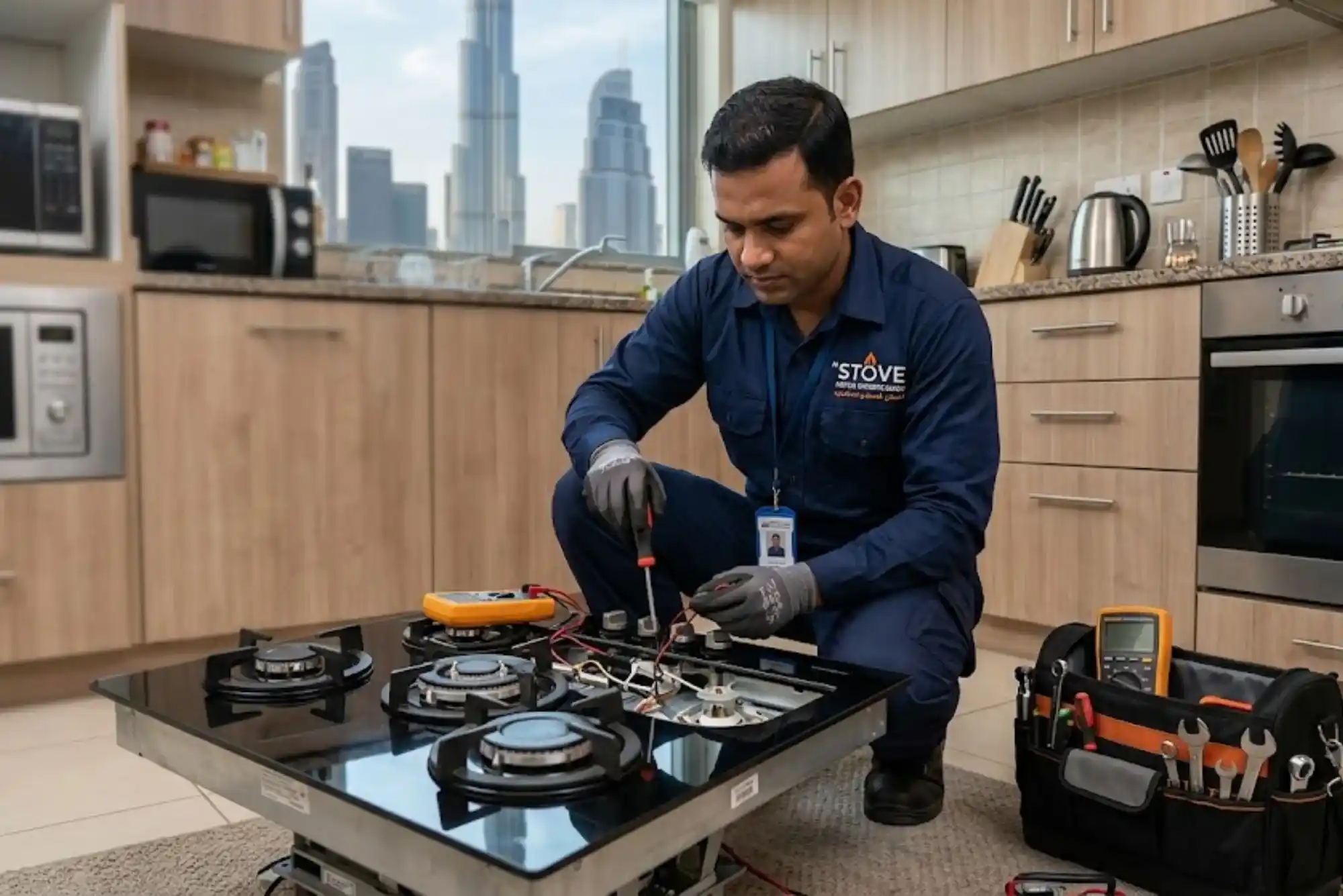
At this point, it is worth considering professional service. Technicians have the tools and experience to test electrical continuity, evaluate spark strength, and diagnose spark module issues. Attempting to dismantle complex components without training can lead to further damage or void warranties.
Preventing Future Clicking
Prevention is as important as repair. To minimize the risk of continuous clicking, adopt habits that protect your stove’s ignition system. Clean burners regularly but avoid excess water or harsh chemicals that may seep into sensitive areas. After cleaning, ensure burners are completely dry before use.
Check the alignment of burner caps whenever you replace them after cleaning or spills. Keep the area around igniters free from grease and food particles by wiping it after each use. These simple measures extend the life of the ignition components and reduce the likelihood of recurring problems.
Additionally, schedule routine maintenance if your stove is older or heavily used. Professional inspection can reveal early signs of wear in igniters, wiring, or spark modules, allowing for timely replacements before the clicking becomes a daily frustration.
When Replacement Becomes Necessary
In some cases, repair is not sufficient, and replacement of components or even the entire stove becomes the most practical solution. If the spark module is defective, if multiple igniters are worn, or if wiring has degraded extensively, the cost of individual repairs may approach the price of a new appliance.
Modern gas stoves come equipped with more efficient ignition systems and improved flame sensors. Upgrading not only resolves the clicking problem but also enhances safety and fuel efficiency. While replacement is a significant investment, it ensures reliability and peace of mind in the long term.
Balancing Convenience and Safety
The constant clicking of a stove is a small sound that carries significant implications. It represents the balance between gas, electricity, and combustion, a system designed to provide instant cooking convenience. When something disrupts this balance, the clicking serves as a reminder that the system requires attention.
Addressing the problem promptly prevents inconvenience from turning into a hazard. It also reinforces the importance of respecting the complex technology that powers everyday appliances. A stove may seem simple on the surface, but the interplay of its components requires care, awareness, and, when necessary, professional expertise.
Final Thoughts
A clicking stove is not just a nuisance; it is an indicator. Whether the cause is moisture from a spill, residue buildup, misaligned components, or electrical faults, each click is a signal that your appliance needs care. By understanding the underlying mechanics and knowing when to clean, adjust, or call a technician, you can resolve the problem efficiently and safely.
The key takeaway is that prevention and timely action matter. Keeping burners clean, ensuring proper alignment, and responding quickly to unusual behavior preserves not only the function of your stove but also the safety of your home. While the clicking sound may seem trivial, it is your stove’s way of communicating — and listening to it is always the smarter choice.