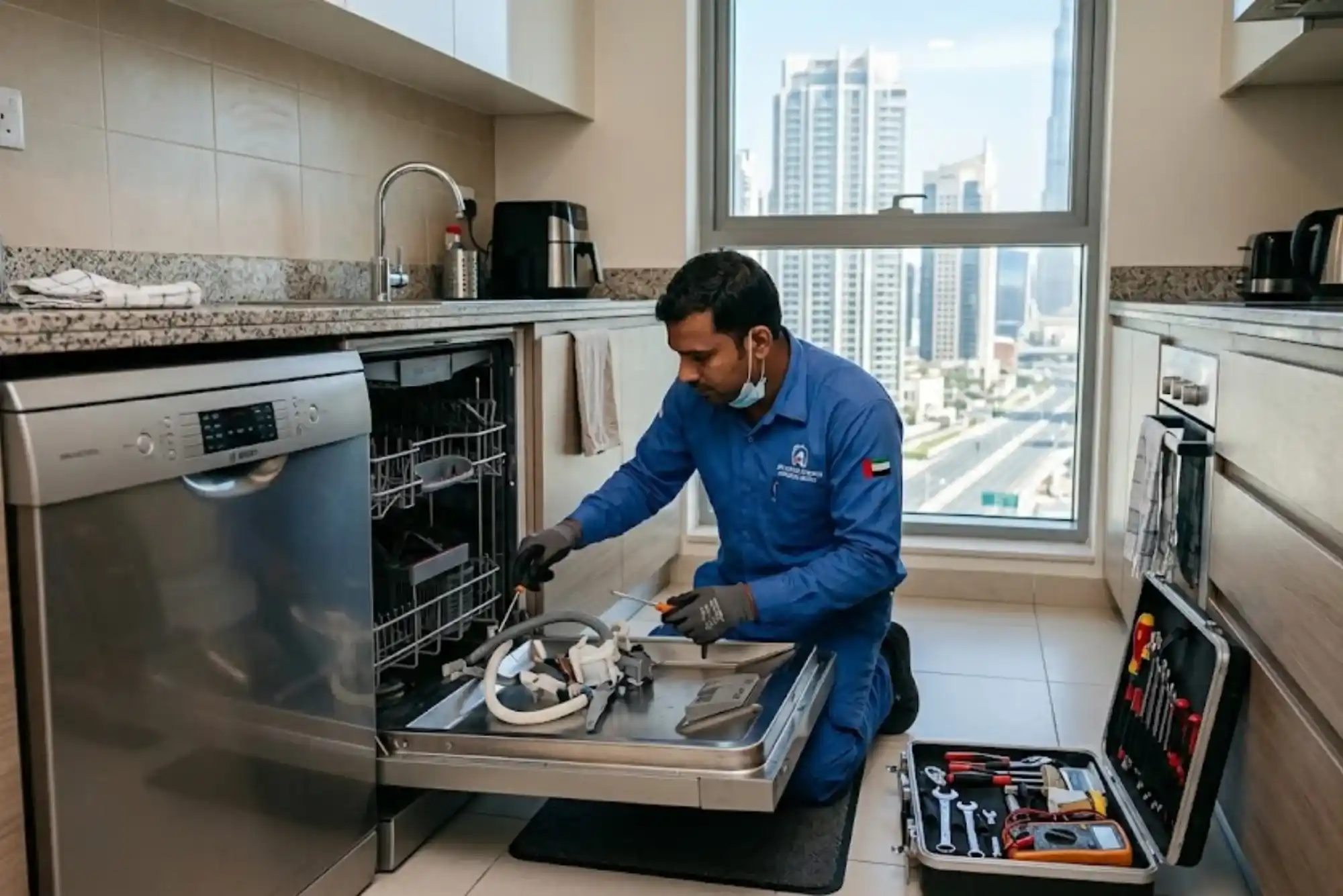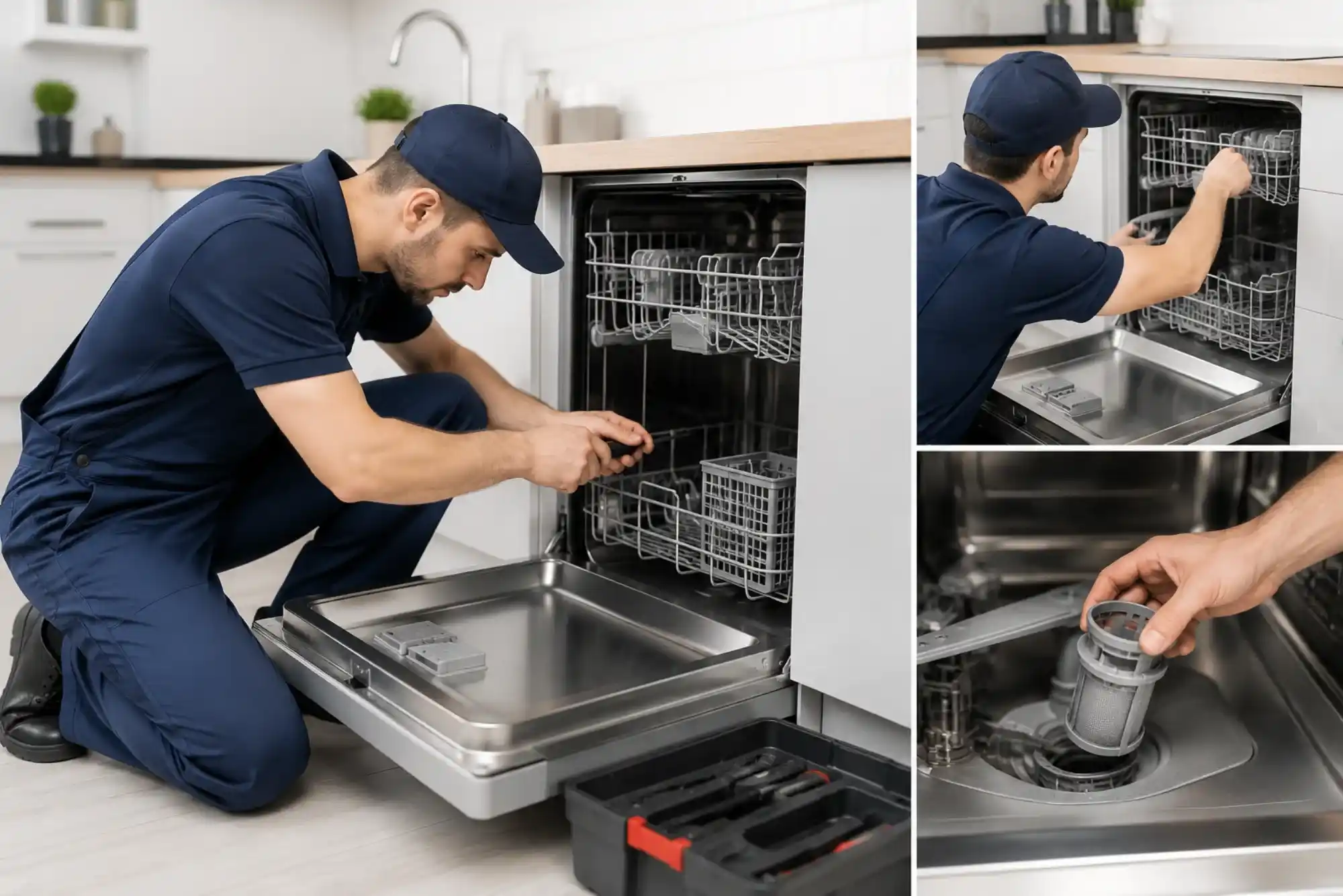
Modern dishwashers save time, reduce water consumption, and make kitchen cleanup easier, but consistent performance depends heavily on proper care. Regular dishwasher service and maintenance help prevent drainage problems, unpleasant odors, poor washing results, and costly repairs. A neglected dishwasher often develops hidden issues that slowly reduce efficiency long before a complete breakdown happens.
Routine maintenance does not only protect the appliance itself. It also improves hygiene, lowers energy usage, and helps dishes come out cleaner after every cycle. Homeowners who invest a little time in preventive care usually avoid the inconvenience of emergency repairs and replacement costs.
Professional maintenance becomes especially important when warning signs appear, including unusual noises, water leakage, cloudy dishes, slow drainage, or inconsistent washing cycles. In many cases, early servicing prevents small faults from turning into major mechanical failures.
Understanding the Importance of Dishwasher Maintenance
Dishwashers operate through a combination of water pressure, heating components, filters, spray arms, drainage systems, and electrical controls. Over time, grease, food particles, detergent residue, and hard water minerals accumulate inside these components. Without proper cleaning and inspection, performance gradually declines.
Regular dishwasher service and maintenance provide several important benefits:
- Improved cleaning performance
- Reduced risk of leaks and water damage
- Longer appliance lifespan
- Lower energy and water consumption
- Better drainage efficiency
- Reduced unpleasant odors
- Early detection of mechanical or electrical faults
Many homeowners only seek repair services after the dishwasher stops working completely. Preventive maintenance is usually more affordable and far less disruptive.

Common Dishwasher Problems Caused by Poor Maintenance
Several dishwasher issues develop gradually due to neglected maintenance routines. Recognizing these problems early can help minimize repair costs and downtime.
| Problem | Possible Cause | Recommended Solution |
|---|---|---|
| Dishes remain dirty | Blocked spray arms or clogged filters | Clean internal components and inspect water pressure |
| Standing water at the bottom | Drain blockage or faulty drain pump | Check drainage system and pump assembly |
| Bad odor inside dishwasher | Food debris and moisture buildup | Deep cleaning and gasket sanitization |
| Water leakage | Damaged door seals or float switch problems | Inspect seals, hoses, and float mechanism |
| Unusual grinding noise | Foreign objects or motor issues | Professional inspection recommended |
| Long cycle times | Heating element or sensor malfunction | Diagnostic testing and component servicing |
Homeowners dealing with persistent drainage or circulation issues often benefit from professional dishwasher pump and drainage repair services to restore proper functionality before damage spreads to other components.
Essential Dishwasher Cleaning Tasks
Basic cleaning routines play a major role in keeping the dishwasher operating efficiently. Several maintenance tasks can be performed monthly to reduce wear and buildup.
Clean the Dishwasher Filter
The filter traps food particles and prevents debris from entering the drainage system. A clogged filter restricts water circulation and causes poor cleaning performance.
- Remove the lower dish rack.
- Locate the filter assembly at the bottom.
- Twist and remove the filter carefully.
- Rinse under warm water.
- Use a soft brush to remove grease and buildup.
- Reinstall securely before use.
Inspect and Clean Spray Arms
Spray arms distribute water throughout the dishwasher. Small particles and mineral deposits may block the spray holes, reducing washing efficiency.
Carefully remove the spray arms and rinse them thoroughly. A thin brush or toothpick can help clear blocked nozzles. Detailed maintenance guidance for spray mechanisms can also be found in this article about dishwasher upper spray tower maintenance.
Sanitize Door Seals and Gaskets
Rubber gaskets trap moisture and food residue over time. Cleaning them regularly helps prevent mold growth and unpleasant smells.
Use a damp microfiber cloth with mild detergent to wipe around the seals and edges of the dishwasher door. Avoid harsh chemicals that may damage rubber materials.
Run a Deep Cleaning Cycle
Professional deep cleaning removes grease, detergent residue, and mineral buildup from internal components that are difficult to access manually.
Many technicians recommend periodic professional servicing alongside routine home maintenance. Specialized dishwasher deep cleaning can significantly improve appliance hygiene and efficiency. Additional information is available in this guide on professional dishwasher deep cleans.
Signs Your Dishwasher Needs Professional Service
Some dishwasher issues require technical expertise and should not be ignored. Professional technicians can identify electrical faults, drainage restrictions, pump failures, and component wear before complete failure occurs.
Watch for these warning signs:
- Water leaking beneath the appliance
- Dishwasher not completing cycles
- Persistent error codes
- Burning smell during operation
- Weak water pressure inside the unit
- Unusual humming or grinding sounds
- Dishes consistently coming out dirty
- Drainage problems after every cycle
Electrical issues are particularly important because they may create safety hazards. Common faults can involve wiring problems, sensors, heating elements, or damaged control boards. Homeowners experiencing repeated electrical interruptions may benefit from reading more about common dishwasher electrical problems.
How Professional Dishwasher Maintenance Works
Professional dishwasher servicing goes beyond surface cleaning. Technicians inspect internal systems, identify hidden wear, and ensure all components operate correctly.
| Maintenance Task | Purpose |
|---|---|
| Drain system inspection | Prevents water blockage and leakage |
| Electrical diagnostics | Identifies faulty wiring and sensors |
| Spray arm cleaning | Improves water distribution |
| Door seal inspection | Prevents leaks and moisture escape |
| Pump performance testing | Ensures proper drainage and circulation |
| Deep internal cleaning | Removes grease and mineral buildup |
| Cycle testing | Confirms proper operation after service |
Technicians may also inspect components such as float switches, heating elements, timers, and control panels to identify early signs of wear.
How Hard Water Affects Dishwasher Performance
Hard water remains one of the leading causes of dishwasher efficiency problems. Mineral deposits from calcium and magnesium accumulate inside spray arms, pipes, heating elements, and filters. Over time, this buildup restricts water flow and affects washing quality.
Signs of hard water damage include:
- White residue on dishes and glassware
- Cloudy glasses after washing
- Reduced spray pressure
- Slow heating performance
- Scale buildup around internal parts
Using rinse aid products, quality detergents, and regular cleaning cycles helps reduce mineral accumulation. In severe cases, professional descaling may be necessary.
Helpful appliance maintenance practices recommended by manufacturers can also be reviewed through this external industry resource: [Insert relevant reference link here]
Best Practices for Daily Dishwasher Use
Maintenance becomes much easier when the dishwasher is used correctly every day. Simple habits help reduce strain on internal systems and improve long-term reliability.
Scrape Large Food Debris
Modern dishwashers can handle small food particles, but large debris often clogs filters and drainage systems.
Avoid Overloading
Overloading restricts water circulation and prevents dishes from being cleaned evenly. Proper spacing improves washing performance.
Use the Right Detergent
Low-quality detergents may leave residue and increase internal buildup. Always use dishwasher-safe detergent products designed for the appliance type.
Leave the Door Slightly Open After Cycles
Allowing airflow inside the dishwasher reduces moisture buildup and helps prevent mold growth and unpleasant odors.
Run Hot Water Before Starting
Running kitchen sink hot water briefly before starting the dishwasher helps the appliance begin cycles with optimal water temperature.
Why Preventive Maintenance Saves Money
Preventive appliance maintenance usually costs far less than emergency repairs or full appliance replacement. Minor issues such as blocked spray arms or dirty filters can eventually damage motors, pumps, or electronic controls when ignored for long periods.
Routine dishwasher service and maintenance help homeowners:
- Avoid sudden appliance failure
- Reduce repair frequency
- Improve energy efficiency
- Protect kitchen cabinets from leaks
- Extend appliance lifespan
- Maintain consistent cleaning results
Many service providers recommend professional inspections at least once per year, especially for heavily used dishwashers in large households.
When DIY Maintenance Is Not Enough
Basic cleaning can solve minor issues, but some repairs require specialized tools and technical knowledge. Attempting complex repairs without proper expertise may worsen the problem or create safety risks.
Professional assistance is strongly recommended for:
- Electrical faults
- Motor replacement
- Drain pump repairs
- Control board failures
- Persistent leaks
- Heating element issues
- Major drainage blockages
Homeowners searching for reliable support often prefer experienced appliance specialists who understand different dishwasher brands and models. Professional technicians can quickly diagnose issues and recommend the most practical repair solution.
Frequently Asked Questions
How often should a dishwasher be serviced?
Most dishwashers benefit from professional servicing once every 12 months. Homes with heavy daily use may require more frequent inspections and cleaning.
Why does my dishwasher smell bad even after cleaning?
Odors usually come from hidden food debris, mold around door seals, blocked filters, or drainage buildup inside internal components.
Can hard water damage a dishwasher permanently?
Yes. Long-term mineral buildup can affect spray arms, heating elements, and water circulation systems if left untreated.
What causes standing water at the bottom of a dishwasher?
Standing water commonly results from clogged drains, blocked filters, faulty pumps, or drainage hose restrictions.
Is professional dishwasher deep cleaning worth it?
Professional deep cleaning helps remove grease, scale, and buildup from hidden areas that are difficult to clean manually, improving both performance and hygiene.
Conclusion
Consistent dishwasher service and maintenance remain essential for reliable performance, efficient cleaning, and long appliance lifespan. Small maintenance habits such as cleaning filters, inspecting spray arms, and monitoring drainage systems help reduce repair risks significantly.
Professional servicing adds another layer of protection by identifying hidden mechanical and electrical issues before they become expensive problems. Whether dealing with poor cleaning performance, drainage concerns, unusual noises, or hard water buildup, timely maintenance helps keep the dishwasher operating safely and efficiently for years.
Related Reading: High-Quality Dishwasher Service — full guide
Related Reading: Dishwasher Maintenance Service
Related Reading: Dishwasher Troubleshooting Service