A stove is the heart of every kitchen, enabling us to prepare meals quickly and efficiently. But when a burner refuses to ignite, it can halt your cooking routine and cause unnecessary frustration. Whether you’re dealing with a gas or electric model, understanding why ignition fails and how to troubleshoot it is essential. In this comprehensive guide, we’ll explore the common causes, safe diagnostic techniques, and practical fixes for a stove burner that won’t ignite, while also pointing out when professional service may be necessary.
Understanding How Stove Burners Ignite
Before diving into troubleshooting, it’s helpful to know how the ignition process works. In a gas stove, the igniter produces a spark that lights the gas flowing from the burner. This creates a steady flame that can be controlled by adjusting the knob. In electric stoves, the burner uses heating elements that glow red hot when current flows through them. Both systems require clean components, proper power or gas supply, and functioning electrical parts to operate correctly.
When one of these elements fails, ignition problems arise. A thorough approach helps you address the issue without guesswork.
Safety First When Working on Stove Repairs
Troubleshooting appliances always begins with safety. Gas and electricity both pose risks, so precautions are critical. Always ensure the stove is turned off and unplugged before inspecting electrical components. If it is a gas stove, shut off the gas supply to avoid leaks while working. Keep the area well-ventilated, and never attempt repairs if you smell strong gas fumes—this requires immediate professional intervention. Wearing protective gloves is also advisable to prevent burns or cuts from metal surfaces.
Checking the Gas Supply and Line
One of the most overlooked causes of burner ignition failure is a disrupted gas supply. If your stove is gas-powered, confirm that the main gas valve is open. Sometimes it may be partially closed after maintenance or cleaning, preventing adequate flow. Also, inspect the gas line for kinks or bends that might restrict movement. A weak or absent flame can indicate that gas isn’t reaching the burner at all. If multiple burners are affected, the problem is likely with the supply rather than individual components.
Inspecting the Burner Cap and Ports
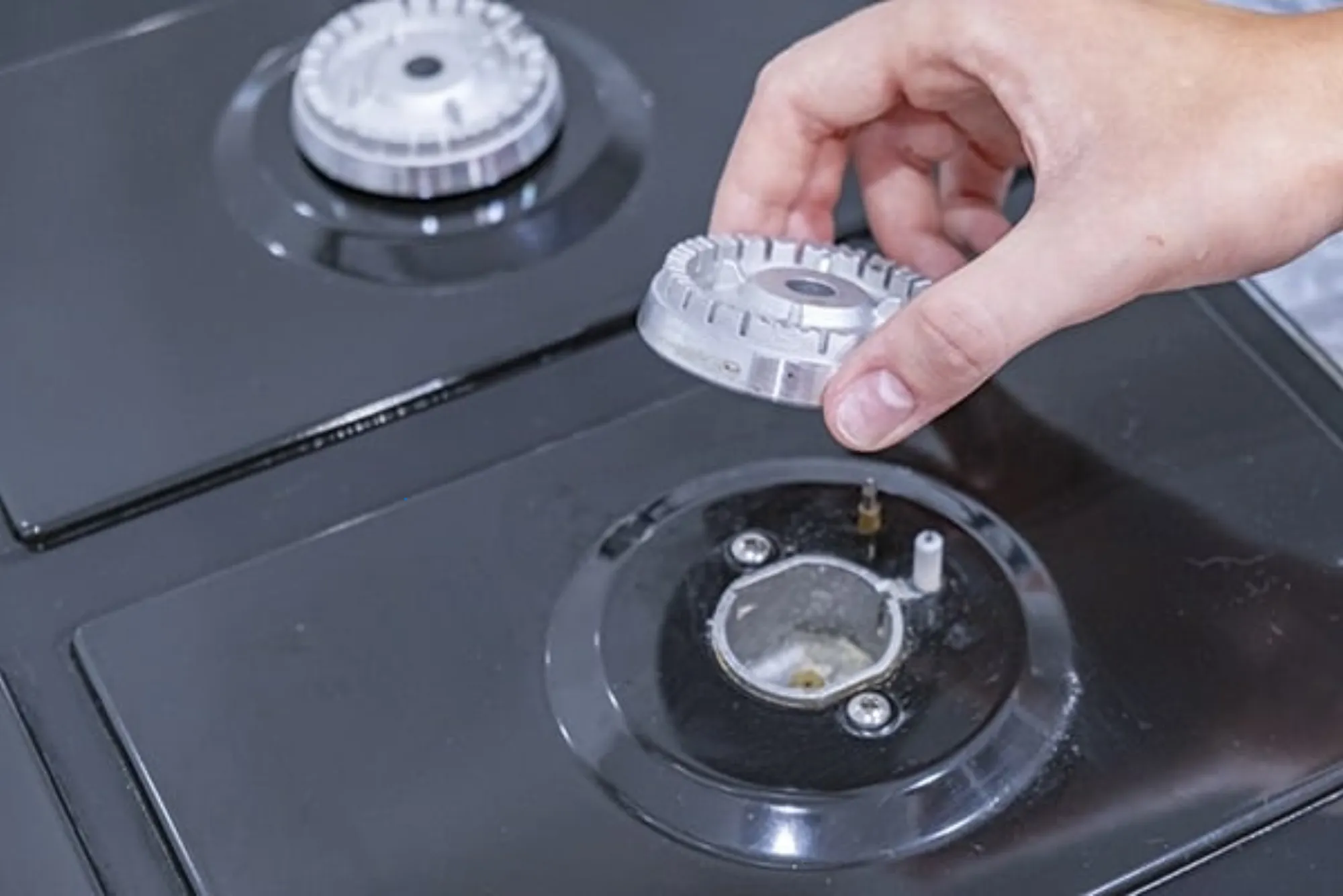
The burner cap plays a critical role in ensuring even gas distribution for proper ignition. If it is misaligned, the igniter may spark without lighting the flame. Remove the burner cap and check for dirt, grease, or food debris clogging the ports. Even small obstructions can prevent gas from flowing correctly. Cleaning the burner cap and aligning it securely on the base often resolves ignition issues immediately. Warm, soapy water is effective for cleaning, followed by thorough drying to prevent rust.

Examining the Igniter Function
The igniter is the heart of the gas stove ignition system. When you turn the knob, it should produce a visible spark accompanied by a clicking sound. If you do not see a spark, or if the clicking continues without lighting the gas, the igniter may be faulty. Sometimes, buildup from spills and grease can insulate the igniter tip, reducing its effectiveness. Cleaning the igniter gently with a soft brush or toothbrush can restore functionality. However, if it is cracked, worn, or fails to spark even after cleaning, replacement is necessary.
Ensuring the Knob and Switch Are Working
Each burner knob is connected to a switch that signals the igniter. If this switch malfunctions, the igniter may not activate at all. You can test this by turning the knob slowly and listening for the clicking sound. If there’s no response, the switch may be worn or disconnected. Since these components involve electrical connections, repairs should only be attempted by those familiar with appliance wiring. In many cases, replacing the switch assembly resolves the problem efficiently.
Cleaning and Maintaining the Electrodes
The electrode is a small metal rod located near the burner that receives voltage to create the spark. Over time, it can accumulate dirt, carbon, or grease, which insulates it and reduces spark efficiency. Carefully wiping the electrode with a clean cloth dipped in rubbing alcohol helps restore proper contact. Also, check that the electrode is positioned correctly; if it sits too far from the burner, the spark may not ignite the gas. Re-aligning it can make a significant difference.
Assessing the Power Source
Even a gas stove requires electricity to power the igniters. If your stove is plugged in but the igniters don’t work, verify that the outlet itself is functioning by testing another appliance. A tripped circuit breaker could also cut off power. Resetting the breaker often restores functionality. For electric stoves, ensure the power cord and outlet are intact. Any frayed wires or loose connections should be repaired immediately by a professional to prevent fire hazards.
Evaluating Electric Stove Burners
For electric stoves, ignition issues manifest differently. Instead of sparks, you may notice that the heating element fails to glow. In this case, check whether the coil is seated properly in its socket. Loose connections often cause elements not to heat. If reseating the coil doesn’t help, the problem may lie in a defective element or a faulty socket. Continuity tests with a multimeter can confirm if the heating element has burned out. Replacement is straightforward but should match the model specifications.
Inspecting the Control Board
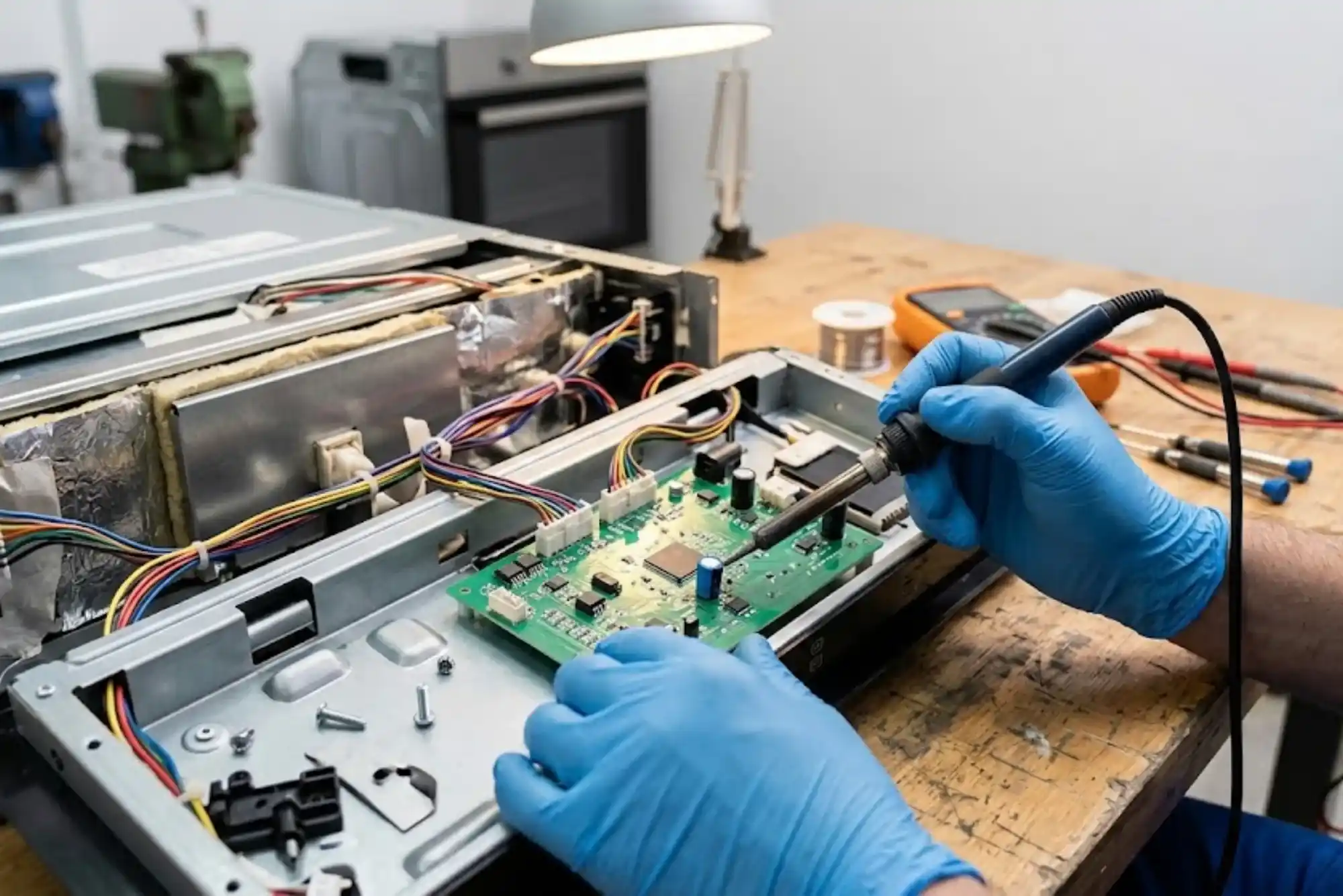
Modern stoves often feature electronic control boards that regulate ignition and heating. If none of the burners ignite and the stove shows signs of electrical failure, the control board could be defective. This is a more advanced repair that generally requires professional expertise. Control boards are delicate, and replacing them involves accessing and rewiring internal components. However, identifying this issue early can save time, as attempting multiple part replacements without addressing the board will not solve the ignition problem.
Addressing Moisture in the Burners
A common yet underestimated cause of ignition failure is moisture. Spilled liquids during cooking or aggressive cleaning with water can seep into the burners and temporarily disable ignition. If this happens, allow the burners to dry completely before testing them again. Using a fan or a gentle stream of compressed air speeds up the drying process. To prevent recurrence, avoid excessive use of water during cleaning and ensure burners are dried thoroughly afterward.
Knowing When to Call a Professional
While many stove ignition problems can be solved with cleaning and basic maintenance, some require specialized tools and training. If the problem involves gas leaks, faulty wiring, or repeated failures after attempted fixes, professional repair is the safest choice. Certified technicians can conduct pressure tests, replace damaged parts, and ensure your stove meets safety standards. Ignoring complex issues can lead to hazards such as gas buildup or electrical short circuits, making timely professional assistance invaluable.
Preventive Maintenance for Long-Term Performance
Preventive care greatly reduces the chances of encountering ignition problems in the future. Regularly cleaning burner caps, electrodes, and igniters keeps debris from accumulating. Always use mild cleaning solutions and avoid abrasive tools that may damage components. Periodically check power cords, gas lines, and control knobs for signs of wear. Establishing a habit of inspection after spills or heavy cooking sessions ensures minor issues are caught early. Additionally, scheduling an annual service checkup can prolong the lifespan of your stove.
A stove burner that won’t ignite is inconvenient, but it rarely means the appliance is beyond repair. By carefully checking the gas supply, cleaning burner parts, inspecting the igniter, and ensuring proper power connections, most issues can be resolved without significant expense. Understanding the underlying mechanics not only empowers you to handle minor problems but also helps you recognize when professional assistance is necessary. With consistent maintenance and attention to detail, your stove will continue to function reliably, keeping your kitchen running smoothly for years to come.