A dishwasher is one of the most convenient appliances in any modern home, saving countless hours of scrubbing and rinsing. However, many homeowners face a common issue that can quietly affect the performance of this appliance: mineral buildup. Over time, minerals such as calcium and magnesium from hard water accumulate inside the dishwasher, leaving behind chalky deposits, streaks, and cloudy spots on glassware.
If ignored, this problem can reduce the efficiency of your machine, increase energy consumption, and even shorten its lifespan. Understanding how to prevent mineral buildup in your dishwasher is essential for maintaining its functionality, protecting your investment, and ensuring your dishes always come out sparkling clean.
Understanding the Causes of Mineral Buildup
Mineral buildup primarily occurs due to hard water. Hard water contains high concentrations of calcium and magnesium ions, which settle on the interior surfaces of your dishwasher, spray arms, and heating elements during each wash cycle. As the water evaporates, the minerals remain behind, gradually forming stubborn deposits. These deposits not only impact the appearance of your dishes but can also clog the internal components of the appliance. The longer this is left untreated, the more difficult it becomes to remove, and the risk of damaging the dishwasher increases significantly.
The Impact of Mineral Deposits on Dishwasher Performance
When mineral buildup accumulates inside a dishwasher, the consequences are not just aesthetic. The performance of the appliance begins to suffer in several ways. Spray arms that are blocked by deposits fail to deliver water evenly, resulting in dishes that are not properly cleaned. Heating elements covered in mineral layers take longer to warm up, consuming more energy and leading to higher utility bills.
Furthermore, the detergent does not dissolve or distribute effectively in hard water conditions, making it harder for the appliance to achieve spotless cleaning results. Left unchecked, mineral buildup can even cause leaks, foul odors, and premature breakdown of crucial components, forcing costly repairs or complete replacement of the dishwasher.
Regular Cleaning as a Preventive Strategy
Preventing mineral buildup in your dishwasher begins with establishing a consistent cleaning routine. Regular cleaning of the interior surfaces, spray arms, and filters can go a long way in reducing the risk of mineral deposits forming. Using simple household items such as vinegar or specialized dishwasher cleaners helps dissolve calcium and magnesium residue before it hardens into stubborn layers. Running a maintenance cycle with vinegar once a month is one of the most effective preventive measures homeowners can adopt. By keeping the dishwasher clean, you create an environment that discourages buildup and ensures the machine continues to operate at peak performance.

The Role of Water Softeners
One of the most effective long-term solutions to preventing mineral buildup is addressing the root cause: hard water. Installing a water softener in your home significantly reduces the concentration of calcium and magnesium in the water supply. A water softener replaces these minerals with sodium or potassium ions, preventing deposits from forming inside your dishwasher and other household appliances. While the initial investment in a water softener may seem high, the long-term savings in reduced repair costs, energy bills, and extended appliance lifespans make it a worthwhile consideration for households struggling with hard water issues.
Choosing the Right Dishwasher Detergent
Another key factor in preventing mineral buildup is selecting the right detergent. Not all dishwasher detergents are formulated to handle hard water effectively. High-quality detergents often contain additives that help neutralize the effects of hard water minerals, preventing them from sticking to dishes and dishwasher components.
Some detergents are specifically designed for use in areas with hard water and work best when combined with rinse aids that further minimize streaks and deposits. By choosing the appropriate detergent and rinse aid, you not only improve cleaning results but also protect your dishwasher from unnecessary wear caused by mineral deposits.
The Benefits of Rinse Aids in Hard Water Areas
Rinse aids are an often-overlooked tool in combating mineral buildup. These products improve water sheeting during the rinse cycle, allowing water to slide off dishes more effectively and preventing mineral deposits from drying onto surfaces. For households with hard water, the use of rinse aids is particularly beneficial. They enhance drying performance, reduce spots on glassware, and protect the dishwasher’s internal components from excess buildup. Regular use of rinse aids in conjunction with proper detergents forms a strong defense against mineral-related problems.
Inspecting and Maintaining Key Components
To keep your dishwasher free of mineral buildup, it is also important to periodically inspect its essential components. Spray arms, filters, and heating elements should be checked for signs of residue or clogging. When spray holes become blocked, a simple cleaning with a toothpick or small brush can restore proper water flow.
Filters should be rinsed frequently to remove trapped debris that may mix with minerals and harden over time. Paying attention to these components ensures that small issues are addressed before they escalate into major repairs. Preventive maintenance is always less expensive and less disruptive than dealing with a malfunctioning dishwasher caused by neglect.
Professional Maintenance for Long-Term Protection
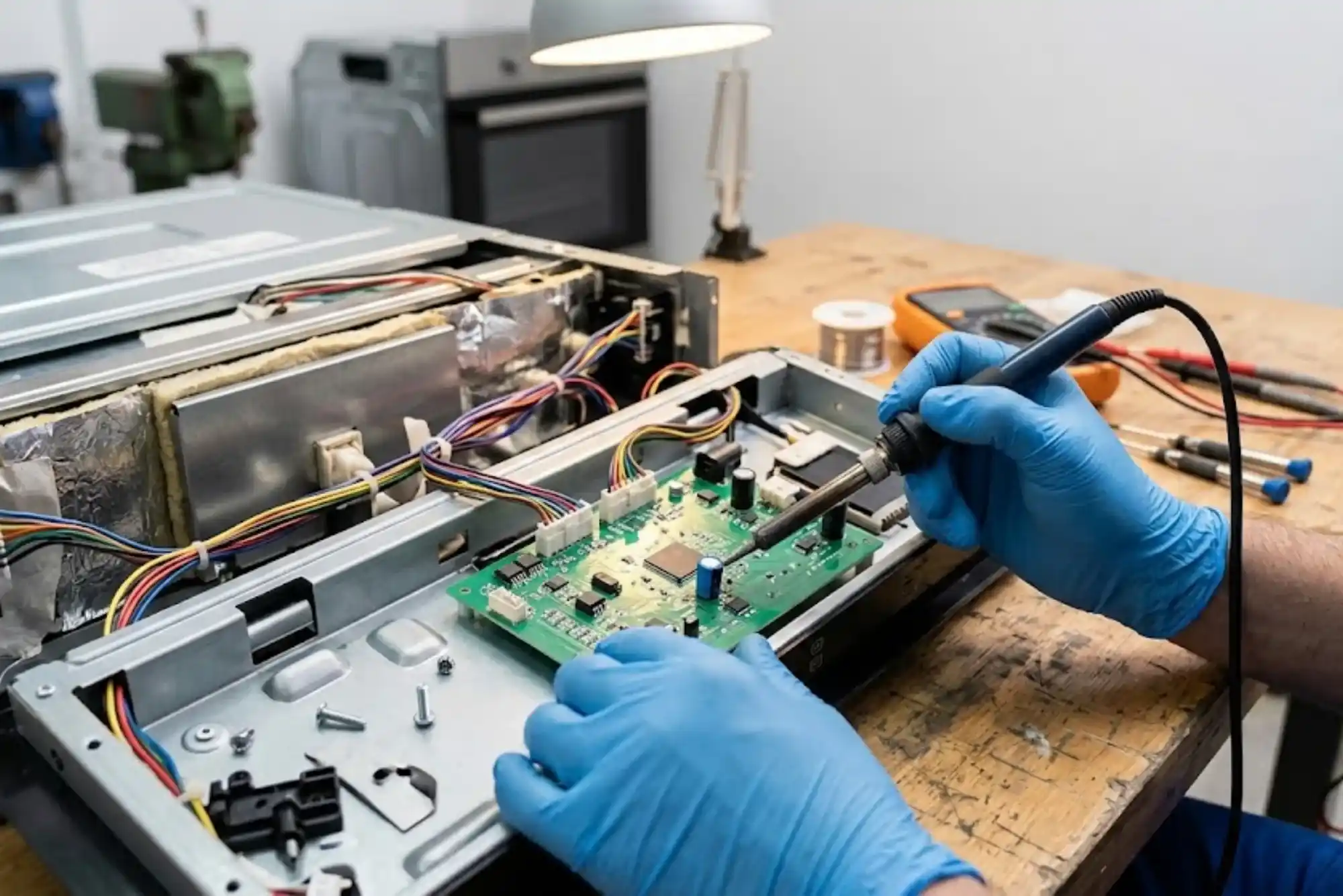
While routine cleaning and preventive measures at home are highly effective, professional maintenance can offer an additional layer of protection against mineral buildup. Appliance repair specialists have the tools and expertise to thoroughly descale and service dishwashers, ensuring they remain in optimal condition. Scheduling periodic professional inspections, especially in areas with extremely hard water, can help identify early signs of trouble and extend the life of your appliance. Professional maintenance is particularly valuable when mineral buildup has already become significant, as specialized descaling treatments may be required to restore the dishwasher’s performance.
How Prevention Saves Money and Time
Investing in preventive measures for mineral buildup is not just about protecting your dishwasher—it is also about saving money and time in the long run. A poorly maintained dishwasher consumes more energy, requires more detergent, and often needs repeat cycles to achieve acceptable cleaning results.
These inefficiencies add up in terms of higher utility bills and wasted resources. In contrast, a well-maintained dishwasher operates efficiently, cleaning dishes effectively on the first cycle while using minimal energy and water. Additionally, preventing breakdowns avoids costly repairs and the inconvenience of being without an essential household appliance. Prevention truly is the most cost-effective approach to appliance care.
Extending the Lifespan of Your Dishwasher
Every homeowner wants their appliances to last as long as possible, and dishwashers are no exception. By actively preventing mineral buildup, you not only preserve cleaning efficiency but also extend the overall lifespan of the machine. Appliances free from mineral stress experience less wear and tear on internal components, allowing them to function smoothly for many years. Considering the significant expense of purchasing and installing a new dishwasher, maximizing the lifespan of your existing appliance is both financially and practically beneficial.
The Role of Awareness and Habits
Ultimately, preventing mineral buildup in your dishwasher comes down to awareness and consistent habits. Many people only address the issue once visible signs of buildup appear, such as cloudy glasses or white streaks on dishes. By the time these signs are noticeable, mineral deposits may already be affecting the internal systems of the dishwasher.
Developing simple habits like running regular maintenance cycles, using the right detergents and rinse aids, and inspecting the machine periodically can prevent problems before they arise. With these small but impactful practices, your dishwasher remains reliable, efficient, and capable of delivering spotless cleaning results day after day.
Final Thoughts
Mineral buildup in dishwashers is a common issue, especially in households with hard water. While it may seem like a minor inconvenience at first, the long-term effects on efficiency, performance, and appliance lifespan make it a problem worth addressing. Fortunately, with consistent cleaning, the use of appropriate detergents and rinse aids, the installation of water softeners, and periodic professional maintenance, mineral buildup can be effectively prevented.
A proactive approach ensures that your dishwasher continues to serve your household efficiently, saving you time, money, and frustration. By preventing mineral buildup, you protect your investment and enjoy the convenience of sparkling clean dishes for years to come.