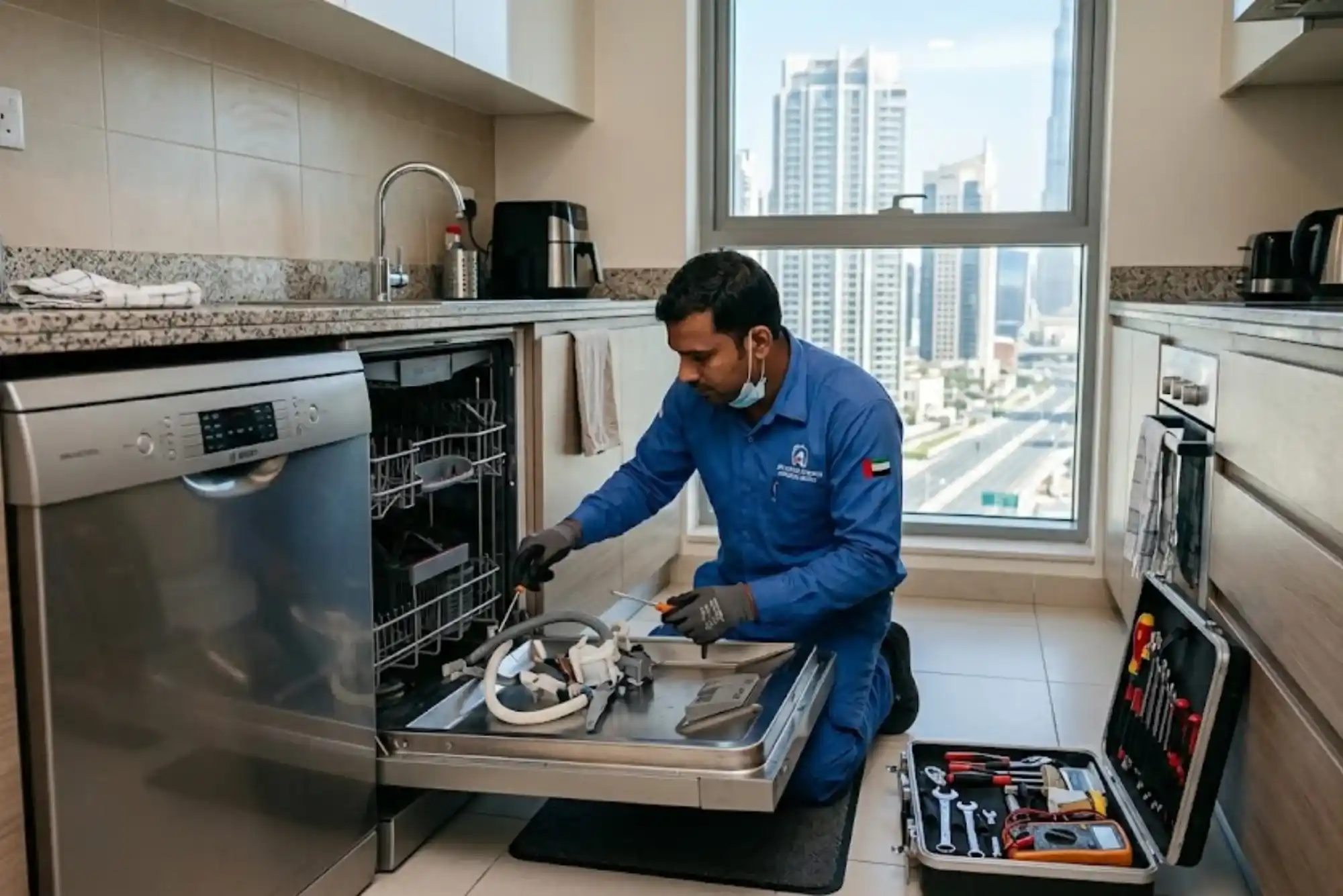
A dishwasher is one of the most valuable appliances in any modern kitchen. It saves time, reduces water consumption compared to manual washing, and delivers consistent cleaning performance. However, like all home appliances, dishwashers gradually lose efficiency due to regular wear, mineral buildup, improper maintenance, and component deterioration. Understanding the principles of dishwasher performance restoration can help homeowners maintain optimal cleaning results while extending the lifespan of their appliance.
Performance restoration is not simply about repairing a broken machine. It involves identifying efficiency losses, improving cleaning effectiveness, optimizing water usage, and ensuring all internal components function correctly. With proper maintenance and timely intervention, many common dishwasher problems can be prevented before they develop into costly repairs.
What Is Dishwasher Performance Restoration?
Dishwasher performance restoration refers to the process of returning a dishwasher to its original operating efficiency through inspection, cleaning, maintenance, calibration, and component repair or replacement. Over time, dishwashers experience gradual performance degradation caused by several factors, including:
Hard water mineral deposits
Blocked spray arms
Filter contamination

Reduced water pressure
Worn circulation components
Improper detergent usage
Electrical system irregularities
Restoring performance requires a systematic approach that addresses both mechanical and operational issues.
Common Signs Your Dishwasher Needs Performance Restoration
Many homeowners overlook early warning signs of declining dishwasher performance. Recognizing these symptoms early can prevent larger problems later.
| Symptom | Possible Cause | Recommended Action |
|---|---|---|
| Dishes remain dirty | Blocked spray arms or filters | Clean internal components |
| Cloudy glassware | Hard water deposits | Adjust detergent and rinse aid usage |
| Long wash cycles | Sensor or heating issues | Perform diagnostic inspection |
| Standing water | Drainage obstruction | Check filters and drain system |
| Unusual noises | Pump or motor problems | Inspect moving components |
| Bad odors | Food debris accumulation | Deep cleaning and sanitization |
The Role of Proper Cleaning in Performance Restoration
Internal contamination is one of the leading causes of dishwasher performance loss. Food particles, grease residue, detergent buildup, and mineral deposits gradually restrict water flow and reduce cleaning effectiveness.
Routine maintenance should include:
Cleaning dishwasher filters weekly
Removing debris from spray arm nozzles
Inspecting door seals and gaskets
Running maintenance cleaning cycles
Removing mineral deposits periodically
Using specialized maintenance products can also help preserve appliance performance. Regular use of cleaning agents has been shown to improve circulation efficiency and reduce internal contamination. Homeowners interested in preventative care can learn more about the benefits of regular dishwasher cleaning tablets.
Water Pressure and Cleaning Efficiency
Water pressure directly affects dishwasher performance. Insufficient pressure prevents spray arms from rotating effectively, resulting in incomplete cleaning cycles and residue buildup on dishes.
Several factors influence dishwasher water pressure:
Blocked inlet valves
Clogged spray arm openings
Mineral accumulation
Faulty circulation pumps
Plumbing restrictions
Maintaining appropriate water pressure ensures proper spray coverage and improves washing efficiency. Understanding the relationship between pressure and cleaning performance is essential for long-term appliance health, as explained in this guide on proper dishwasher water pressure.
The Importance of Detergent Selection
Not all dishwasher detergents perform equally. The wrong detergent can leave residue, damage components, reduce cleaning efficiency, and contribute to internal buildup.
Several factors influence detergent effectiveness:
- Water hardness levels
- Dishwasher model compatibility
- Wash cycle selection
- Rinse aid usage
- Load size and soil level
Choosing high-quality detergent products and using them according to manufacturer recommendations can significantly improve dishwasher performance. Understanding how detergent chemistry affects appliance health is critical for maintaining long-term efficiency.
How Rinse Aid Improves Dishwasher Performance
Rinse aid is often underestimated despite its important role in dishwasher operation. It helps reduce water surface tension, allowing water to drain more effectively and minimizing spotting and residue.
Benefits of proper rinse aid usage include:
- Faster drying cycles
- Reduced water spotting
- Improved glass clarity
- Enhanced detergent performance
- Lower mineral accumulation
For households with hard water conditions, rinse aid becomes even more important. Additional information regarding its role can be found in this resource discussing dishwashing efficiency and rinse aid performance.
Mechanical Components That Affect Dishwasher Performance
Several mechanical systems work together to ensure efficient dishwasher operation. When one component deteriorates, overall performance declines.
Circulation Pump
The circulation pump is responsible for moving water throughout the wash cycle. Reduced pump performance often results in poor cleaning quality and extended cycle times.
Spray Arms
Spray arms distribute water throughout the dishwasher interior. Blockages caused by mineral deposits or food debris can significantly reduce cleaning effectiveness.
Heating Element
Proper water temperature is essential for detergent activation and sanitization. Heating failures can lead to poor cleaning performance and increased energy consumption.
Drain Pump
An inefficient drain pump may cause standing water, unpleasant odors, and incomplete wash cycles.
Electrical Problems and Performance Loss
Modern dishwashers rely heavily on electronic control systems. Sensor malfunctions, control board failures, and wiring problems can all affect operational efficiency.
Common electrical symptoms include:
- Interrupted wash cycles
- Error codes
- Temperature inconsistencies
- Cycle timing irregularities
- Unexpected shutdowns
When electrical faults occur, professional diagnosis is often necessary to avoid further damage. Homeowners experiencing persistent operational issues may benefit from reviewing common dishwasher electrical problems and their underlying causes.
The Impact of Hard Water on Dishwasher Performance
Hard water remains one of the most significant contributors to dishwasher efficiency loss. Minerals such as calcium and magnesium accumulate inside components, restricting water flow and reducing heating efficiency.
Signs of hard water damage include:
- White residue on dishes
- Cloudy glassware
- Mineral buildup inside the tub
- Reduced spray arm movement
- Longer cycle durations
Using water softening solutions and conducting regular descaling treatments can help restore performance and prevent future damage.
Preventative Maintenance Strategies
Performance restoration is most effective when combined with preventative maintenance. Establishing a maintenance routine helps identify problems before they affect appliance efficiency.
Recommended maintenance schedule:
- Weekly filter cleaning
- Monthly spray arm inspection
- Quarterly descaling treatment
- Biannual gasket inspection
- Annual professional servicing
Preventative maintenance not only improves dishwasher performance but also reduces repair costs and extends appliance lifespan.
When Professional Service Becomes Necessary
While routine maintenance can address many common problems, certain performance issues require professional diagnosis and repair. Persistent cleaning failures, water leaks, electrical faults, or unusual operating noises should never be ignored.
Professional technicians use specialized diagnostic equipment to evaluate:
Water circulation efficiency
Electrical system performance
Sensor calibration
Motor operation
Heating functionality
Drainage effectiveness
Comprehensive inspection and repair services can restore appliances to near-original operating conditions while preventing future breakdowns.
The Long-Term Benefits of Dishwasher Performance Restoration
Investing in dishwasher performance restoration offers several long-term advantages:
Lower energy consumption
Reduced water usage
Improved cleaning results
Extended appliance lifespan
Lower repair costs
Enhanced kitchen efficiency
Rather than replacing an underperforming dishwasher prematurely, restoration and maintenance often provide a cost-effective solution that maximizes appliance value.
Conclusion
Dishwasher performance restoration involves much more than fixing individual faults. It requires a comprehensive understanding of cleaning efficiency, water flow dynamics, mechanical performance, electrical reliability, and preventative maintenance practices. By recognizing early warning signs and implementing routine maintenance procedures, homeowners can significantly improve dishwasher performance while extending appliance lifespan.
Whether addressing water pressure issues, optimizing detergent selection, cleaning internal components, or resolving mechanical faults, a proactive approach remains the most effective strategy for maintaining long-term dishwasher efficiency. Proper restoration and maintenance not only improve daily convenience but also protect one of the most essential appliances in the modern home.
Related Reading: The Truth About Being a Light Being — And Why So Many Souls Are Awakening to It Right Now
Related Reading: Whirlpool Refrigerator Not Freezing
Related Reading: AC Compressor Not Starting
Related Reading: How to Check Your IP Address and Find Your Exact Location Online in 2026? — full guide
Related Reading: Why Quartz Procurement Keeps Tripping Up Mid-Market Distributors — full guide