A refrigerator is one of the most important appliances in any modern kitchen. It protects food from spoilage, keeps ingredients fresh, and ensures that frozen items remain preserved for long periods. When a Whirlpool refrigerator not freezing properly becomes an issue, it can disrupt daily life and create serious inconvenience. Freezers are designed to maintain extremely low temperatures, usually around zero degrees Fahrenheit, to preserve food safely. If the freezer compartment fails to reach or maintain this temperature, food can thaw and become unsafe for consumption.
The problem of a Whirlpool refrigerator not freezing can arise due to several internal system failures or mechanical issues. Modern refrigerators are designed with complex cooling systems that rely on compressors, fans, thermostats, sensors, and refrigerant circulation. Each component works together to maintain the correct temperature. When one of these elements stops functioning properly, the freezer may lose its ability to freeze food.
Understanding the causes behind freezer problems is essential for identifying when professional refrigerator repair service is required. By recognizing early warning signs and understanding the internal operation of the appliance, homeowners can prevent further damage and restore efficient cooling performance.
How Whirlpool Refrigerators Maintain Freezing Temperatures
To understand why a Whirlpool refrigerator not freezing issue occurs, it is important to understand how the cooling system works. Whirlpool refrigerators rely on a refrigeration cycle that continuously removes heat from the interior of the appliance. This process begins with the compressor, which compresses refrigerant gas and sends it through the condenser coils.
As the refrigerant flows through the condenser coils, it releases heat into the surrounding air and turns into a liquid. This liquid refrigerant then travels through an expansion device where it rapidly cools before entering the evaporator coils inside the freezer compartment. As the refrigerant moves through the evaporator coils, it absorbs heat from the air inside the refrigerator and freezer sections. This heat absorption is what creates the cold temperatures required for freezing.
Fans inside the refrigerator distribute this cold air evenly throughout the appliance. The freezer receives the coldest airflow, allowing it to maintain freezing temperatures. When any part of this cycle fails to perform properly, the refrigerator may still run but the freezer may not reach the required freezing level.

Temperature Control System Problems
Temperature control plays a vital role in maintaining proper freezer performance. Whirlpool refrigerators use thermostats or electronic control boards to regulate cooling cycles. These systems monitor internal temperatures and instruct the compressor to turn on or off as needed.
When a Whirlpool refrigerator not freezing problem occurs, the thermostat may not be accurately sensing the internal temperature. If the thermostat incorrectly detects that the freezer is already cold enough, it may prevent the compressor from running long enough to achieve proper freezing temperatures.
In many modern refrigerators, digital control boards manage the temperature system. Electrical faults or software errors within these control boards can disrupt communication between sensors and the compressor. When this happens, cooling performance becomes inconsistent, and the freezer may struggle to freeze food effectively.
Professional refrigerator repair service technicians can inspect these electronic systems to determine whether recalibration, repair, or replacement is required.
Compressor Failure and Reduced Cooling Power
The compressor is often considered the most important component in the refrigeration system. It is responsible for compressing refrigerant gas and circulating it throughout the appliance. Without proper compressor operation, the refrigerator cannot maintain cold temperatures.
When a Whirlpool refrigerator not freezing situation occurs, the compressor may be operating inefficiently or failing to generate enough pressure to move refrigerant through the system. Over time, compressors may experience wear and tear, especially in refrigerators that have been in use for many years.
A weak compressor may continue running but fail to produce adequate cooling. In some cases, the compressor may cycle on and off frequently without achieving proper temperature levels. Diagnosing compressor problems requires specialized equipment and expertise, which is why professional refrigerator repair service is recommended when freezer performance declines.
Airflow Problems Inside the Freezer
Air circulation is essential for maintaining even temperatures inside the refrigerator. Whirlpool refrigerators use evaporator fans to distribute cold air from the evaporator coils throughout both the freezer and refrigerator compartments.
If the evaporator fan stops working properly, cold air may remain trapped near the evaporator coils instead of reaching the entire freezer section. As a result, the freezer may feel slightly cool but not cold enough to freeze food.
A Whirlpool refrigerator not freezing may therefore be linked to fan motor failure, damaged fan blades, or electrical wiring issues. Without proper airflow, the refrigerator cannot maintain stable cooling conditions.
Technicians often inspect the evaporator fan assembly to ensure that cold air circulates efficiently throughout the appliance.
Frost Build-Up and Defrost System Malfunctions
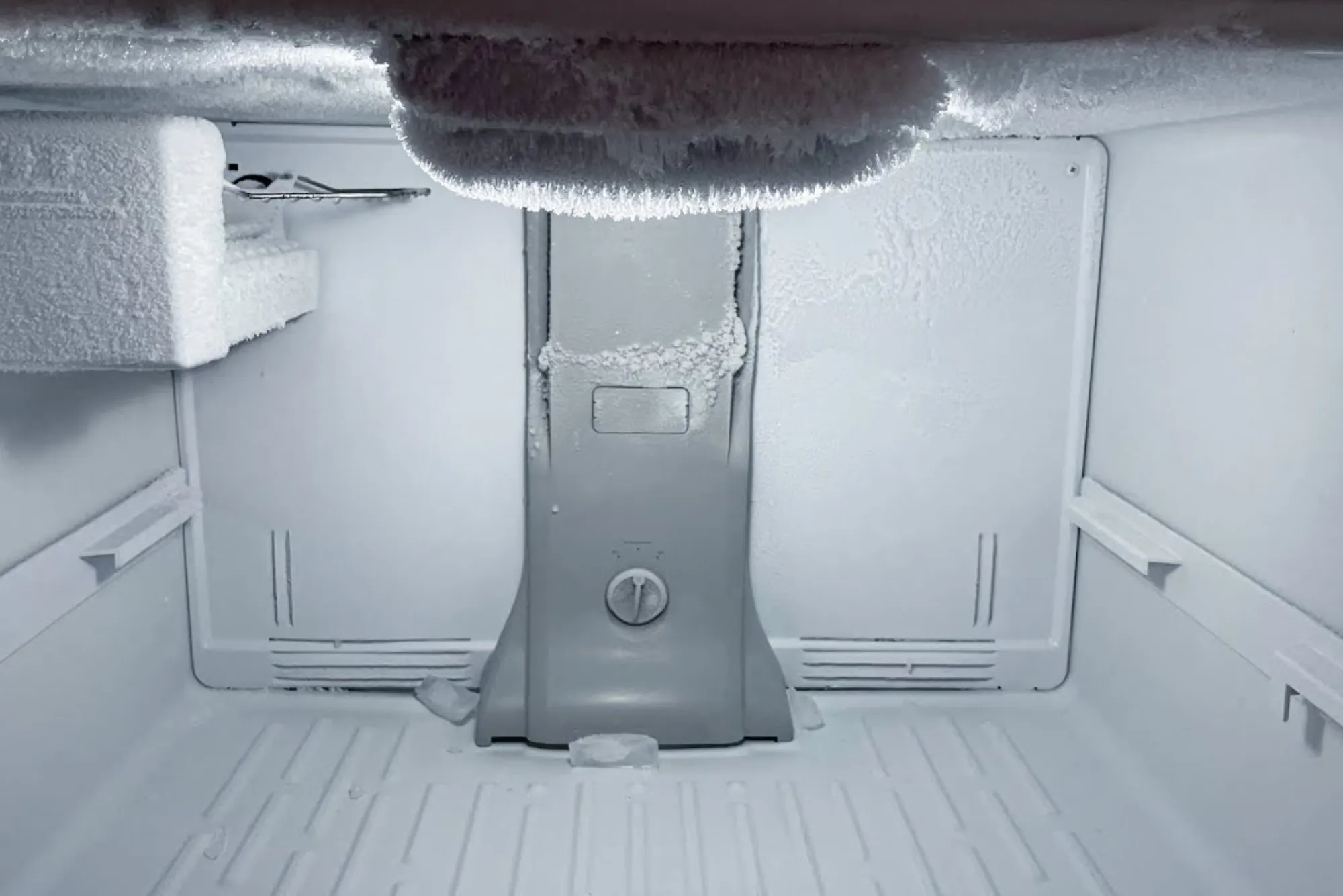
Most modern refrigerators are equipped with automatic defrost systems designed to prevent frost accumulation on evaporator coils. These systems include defrost heaters, timers, and sensors that periodically melt frost before it becomes excessive.
If the defrost system fails, ice can accumulate on the evaporator coils. This ice buildup restricts airflow and reduces the cooling efficiency of the refrigerator. As the airflow becomes blocked, the freezer may struggle to maintain freezing temperatures.
A Whirlpool refrigerator not freezing issue may therefore be caused by a faulty defrost heater, malfunctioning defrost timer, or defective control board. When frost buildup interferes with cooling performance, a professional refrigerator repair service can diagnose the problem and restore the defrost system.
Condenser Coil Dirt and Heat Dissipation Issues
Condenser coils play a critical role in removing heat from the refrigeration system. These coils are typically located behind or underneath the refrigerator. Their purpose is to release heat that has been absorbed from inside the appliance.
Over time, dust, dirt, and grease can accumulate on the condenser coils. When this happens, heat cannot dissipate efficiently, and the refrigerator must work harder to maintain cold temperatures.
When a Whirlpool refrigerator not freezing occurs, dirty condenser coils may be contributing to the issue. Poor heat release can lead to increased compressor workload and reduced cooling capacity.
Routine cleaning of condenser coils is an important part of refrigerator maintenance and can significantly improve the appliance’s performance.
Refrigerant Leaks and Cooling Failure
Refrigerant is the substance responsible for absorbing heat from the refrigerator’s interior. Without sufficient refrigerant circulating through the system, the refrigerator cannot maintain low temperatures.
A refrigerant leak can gradually reduce the cooling capacity of the appliance. As refrigerant levels drop, the freezer may stop freezing even though the refrigerator appears to be running normally.
A Whirlpool refrigerator not freezing problem linked to refrigerant loss requires professional attention because refrigerant systems are sealed and require specialized tools for repair. A qualified refrigerator repair service technician can locate leaks, repair damaged areas, and recharge the system with the correct refrigerant level.
Door Seal and Insulation Problems
The freezer door gasket plays an essential role in maintaining internal temperatures. This flexible rubber seal ensures that cold air remains trapped inside the freezer while preventing warm air from entering.
If the gasket becomes worn, cracked, or loose, warm air may continuously enter the freezer compartment. This warm air can raise the internal temperature and reduce the freezer’s ability to maintain freezing conditions.
When dealing with a Whirlpool refrigerator not freezing issue, technicians often check the door seal to ensure it closes tightly. Replacing a damaged gasket can improve cooling performance and prevent energy loss.
Electrical and Sensor Failures
Modern Whirlpool refrigerators rely on a network of sensors and electrical components to regulate temperature, airflow, and defrost cycles. These sensors constantly monitor internal conditions and send signals to the control board.
If one of these sensors becomes faulty, the refrigerator may receive incorrect temperature readings. As a result, the cooling system may not operate long enough to achieve freezing temperatures.
Electrical wiring problems can also interrupt communication between components, leading to inconsistent cooling performance. Professional refrigerator repair service technicians use diagnostic tools to test sensors, wiring, and control systems to identify and fix these issues.
The Importance of Professional Refrigerator Repair Service
When a Whirlpool refrigerator not freezing problem occurs, it may be tempting to attempt quick solutions without professional assistance. However, refrigerators contain complex systems involving electricity, refrigerant chemicals, and mechanical components.
Professional refrigerator repair service technicians are trained to diagnose issues safely and efficiently. They have the expertise to identify hidden problems within compressors, fans, control boards, and sealed refrigerant systems.
Timely professional repair prevents further damage and helps extend the lifespan of the appliance. Addressing small issues early can also prevent expensive component failures in the future.
Preventive Maintenance for Long-Term Performance
Preventive maintenance is one of the most effective ways to avoid freezer problems. Regular inspections and cleaning can help ensure that the refrigerator operates efficiently throughout its lifespan.
Maintaining proper airflow around the appliance, cleaning condenser coils, and checking door seals can improve cooling efficiency. Monitoring temperature settings and ensuring that vents inside the refrigerator remain unobstructed can also help maintain stable freezing conditions.
Homeowners who schedule regular maintenance with a professional refrigerator repair service can significantly reduce the risk of cooling failures.
A Whirlpool refrigerator not freezing can be caused by a wide range of issues, including compressor problems, airflow restrictions, thermostat failures, frost buildup, or refrigerant leaks. Because the refrigeration system relies on multiple interconnected components, even a small malfunction can disrupt the entire cooling process.
Understanding how the refrigerator operates allows homeowners to recognize early signs of malfunction and take appropriate action. Professional refrigerator repair service plays an essential role in diagnosing and resolving freezer issues safely and effectively.