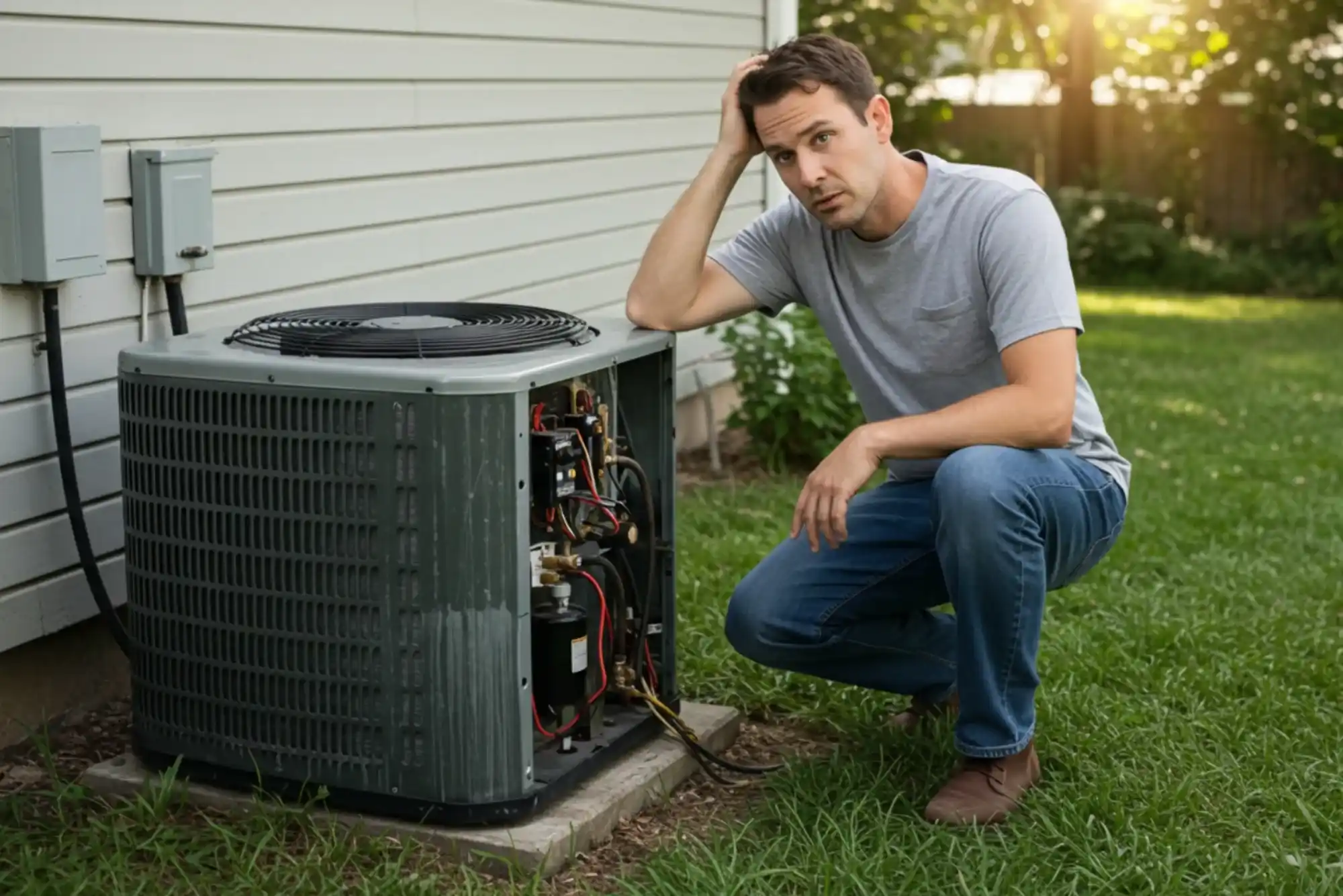
An air conditioner is an essential appliance in modern homes and offices, especially in regions where temperatures can rise to uncomfortable levels. The heart of every air conditioning system is the compressor, which is responsible for circulating refrigerant and enabling the cooling process. When the AC compressor fails to start, the entire cooling system stops working, leaving indoor spaces warm and uncomfortable. This issue can occur in both residential and commercial air conditioning units and may develop due to electrical faults, mechanical wear, or poor maintenance.
An AC compressor not starting is a warning sign that something in the system is preventing the compressor from functioning properly. In many cases, the indoor fan may continue running while the outdoor unit remains silent. This situation confuses many homeowners because it appears that the AC is operating, but in reality, the cooling cycle has stopped. Identifying the root cause of this issue is essential to restoring the efficiency and performance of the air conditioner.
How the AC Compressor Works in a Cooling System
To understand why an AC compressor may fail to start, it is important to know its role in the cooling cycle. The compressor is responsible for compressing refrigerant gas and pushing it through the condenser coils. This process increases the pressure and temperature of the refrigerant, allowing it to release heat outside before returning inside to absorb heat from the indoor air.
When the compressor starts properly, it maintains a continuous flow of refrigerant through the system. However, if the compressor does not start, the refrigerant cannot circulate, and the air conditioner cannot produce cool air. The compressor relies on several components such as electrical relays, capacitors, thermostats, and wiring connections to operate correctly. A failure in any of these components can prevent the compressor from starting.
Electrical Issues That Prevent the Compressor from Starting
Electrical problems are among the most common reasons an AC compressor does not start. Air conditioners rely on a steady electrical supply to power the compressor motor. If the power supply is interrupted or weakened, the compressor will not receive the energy needed to start.
One frequent cause is a faulty capacitor. The capacitor stores electrical energy and provides the initial boost required to start the compressor motor. When the capacitor becomes weak or damaged, the compressor struggles to start or may not start at all. In such cases, the air conditioner may produce a humming sound, indicating that the compressor is trying to start but lacks sufficient power.
Another possible electrical issue is damaged wiring or loose connections. Over time, vibrations and environmental conditions can cause wires to loosen or deteriorate. If the compressor’s electrical circuit is disrupted, the system may fail to start entirely. Electrical faults should always be inspected by trained professionals because improper handling can lead to further damage or safety risks.
Thermostat Problems and Their Impact on Compressor Operation
The thermostat plays a crucial role in controlling the air conditioning system. It signals the compressor to start when the indoor temperature rises above the desired level. If the thermostat malfunctions or loses calibration, it may fail to send the correct signal to the compressor.
In some situations, the thermostat may display incorrect temperature readings, leading the system to believe that cooling is not required. As a result, the compressor remains inactive even though the room temperature is high. Dust accumulation, wiring issues, or outdated thermostat models can contribute to such problems.
Upgrading to a modern programmable thermostat can improve system performance and ensure that the compressor receives accurate signals to start when needed.
Overheating and Compressor Protection Mechanisms
Air conditioners are equipped with safety mechanisms designed to protect the compressor from damage. If the compressor becomes too hot due to continuous operation or restricted airflow, a thermal overload protector may shut it down temporarily. This safety feature prevents internal components from burning out.
Overheating can occur for several reasons, including dirty condenser coils, blocked airflow, or excessive outdoor temperatures. When the compressor overheats, the system automatically stops the compressor until it cools down. While this protection helps prevent permanent damage, repeated overheating can shorten the lifespan of the compressor and lead to frequent starting failures.
Maintaining clean coils and ensuring proper ventilation around the outdoor unit can help prevent overheating issues and keep the compressor functioning smoothly.
Refrigerant Problems That Affect Compressor Performance
Refrigerant plays a vital role in the cooling cycle of an air conditioner. If the refrigerant level becomes too low due to leaks or improper installation, the compressor may struggle to start. Insufficient refrigerant can create abnormal pressure conditions inside the system, preventing the compressor from operating efficiently.
When refrigerant leaks occur, the system loses its ability to absorb and release heat effectively. The compressor may attempt to start but quickly shut down due to pressure imbalances. This situation often requires professional repair because handling refrigerant involves specialized tools and knowledge.
Ensuring that the air conditioning system is properly sealed and maintaining the correct refrigerant level are essential steps in preventing compressor starting problems.
Mechanical Wear and Aging Components
Like any mechanical device, an AC compressor experiences wear and tear over time. Continuous operation, exposure to environmental elements, and lack of maintenance can gradually degrade internal components. As the compressor ages, it may become harder for the motor to start.
Mechanical wear can affect bearings, valves, and pistons within the compressor. When these parts become damaged or misaligned, the compressor may fail to start or may produce unusual noises during operation. In older air conditioning systems, compressor failure may indicate that the unit has reached the end of its service life.
Regular maintenance and timely servicing can help detect early signs of mechanical wear and prevent complete compressor failure.
Importance of Regular AC Maintenance
Routine maintenance plays a significant role in preventing compressor problems. Air conditioning systems accumulate dust, debris, and moisture over time, which can interfere with normal operation. Without proper cleaning and inspection, small issues can escalate into major mechanical failures.
Regular servicing includes cleaning condenser coils, checking electrical connections, inspecting refrigerant levels, and testing system performance. These maintenance tasks ensure that the compressor receives the proper conditions required to start and operate efficiently.
Homeowners who invest in periodic AC maintenance often experience fewer breakdowns and enjoy better cooling performance throughout the summer months.
Professional Diagnosis and Repair
When an AC compressor does not start, professional diagnosis is often the safest and most effective solution. Experienced technicians have the tools and expertise needed to inspect electrical circuits, test capacitors, measure refrigerant pressure, and evaluate compressor performance.
Attempting to repair complex air conditioning components without proper knowledge can lead to additional damage or safety hazards. Professional technicians can identify the exact cause of the problem and recommend the most appropriate repair or replacement solution.
In some cases, repairing a faulty capacitor or fixing wiring connections can quickly restore compressor operation. However, if the compressor itself is severely damaged, replacement may be necessary to restore the system’s cooling capability.
Long-Term Solutions for Reliable Cooling
Preventing future compressor starting problems requires a combination of proper installation, routine maintenance, and timely repairs. Ensuring that the air conditioning system is installed correctly with appropriate electrical connections and refrigerant levels can significantly reduce the risk of compressor issues.
Homeowners should also pay attention to early warning signs such as unusual noises, reduced cooling efficiency, or frequent system shutdowns. Addressing these symptoms early can prevent larger problems and extend the lifespan of the compressor.
Investing in high-quality components, professional servicing, and energy-efficient systems can improve the reliability of air conditioning units and maintain comfortable indoor environments.
Conclusion
An AC compressor not starting is a serious issue that disrupts the cooling performance of an air conditioning system. The problem can arise from various factors including electrical faults, thermostat malfunctions, overheating, refrigerant leaks, or mechanical wear. Understanding these causes helps homeowners recognize the importance of proper maintenance and timely repairs.
While some minor issues can be resolved through simple inspections, many compressor-related problems require professional expertise. Regular servicing and preventive care ensure that the compressor operates efficiently and continues to provide reliable cooling during hot weather. By addressing problems early and maintaining the air conditioning system properly, homeowners can avoid costly repairs and enjoy consistent comfort throughout the year.