An air conditioning system is one of the most essential components of modern living, especially in warm regions where cooling is not just a comfort but a necessity. The compressor is the heart of any air conditioner. It is responsible for circulating refrigerant through the system, allowing the exchange of heat that creates cool air. When the compressor stops running, the entire cooling process comes to a halt. Understanding why an AC compressor is not running, how to identify potential issues, and what steps are necessary to restore functionality can help homeowners avoid costly repairs and extended discomfort.
Understanding the Role of the Compressor
The compressor in an air conditioning system performs the crucial task of compressing refrigerant gas and sending it through the condenser coils. This process transforms the refrigerant from a low-pressure gas to a high-pressure, high-temperature gas. The refrigerant then releases heat in the condenser, cools down, and cycles back to absorb heat from the indoor air. Without a functioning compressor, this circulation process breaks down, and the air conditioner can no longer cool effectively.
The compressor is designed to operate under precise electrical and mechanical conditions. It depends on proper voltage supply, refrigerant pressure, and cooling from surrounding components. Any imbalance in these conditions can lead to a shutdown or prevent the compressor from starting altogether.
Common Signs the Compressor Has Stopped Running
When the AC compressor is not running, the symptoms are usually noticeable. The most obvious indication is that the air conditioner no longer produces cool air, even though the fan might still be blowing. Homeowners may hear the system attempting to start without success, or the outdoor unit might remain completely silent while the indoor blower continues operating. In some cases, unusual humming noises or clicking sounds may accompany the problem, signaling an electrical issue or a failing motor.
Another sign is when the circuit breaker trips repeatedly. This usually means the compressor is drawing excessive power because of mechanical resistance, internal damage, or electrical faults. When ignored, these warning signs can lead to complete compressor failure, which is one of the costliest problems in any air conditioning system.
Possible Causes of Compressor Failure to Start
Several factors can prevent a compressor from running. Electrical faults are among the most frequent causes. A damaged capacitor, defective contactor, or loose wiring can interrupt the flow of electricity needed to start the compressor motor. These components are vital for initiating and maintaining compressor operation, and when they fail, the compressor remains inactive.

Low refrigerant levels can also cause the compressor to shut down. Air conditioners are designed with pressure sensors that prevent operation when refrigerant levels are too low, protecting the system from damage. This can happen because of leaks or improper maintenance. Similarly, excessive refrigerant pressure from overcharging or blockage can trigger safety mechanisms that stop the compressor from starting.
Mechanical issues, such as a seized motor or worn bearings, may also cause the compressor to remain off. Over time, continuous use without maintenance leads to the accumulation of dirt, oil, and debris, increasing friction and reducing the compressor’s efficiency. Thermal overload protection may activate if the compressor overheats, cutting off power until temperatures return to safe levels.
Diagnosing the Problem
When the compressor fails to run, proper diagnosis is essential to determine the cause. A visual inspection is often the first step. Checking the power supply, ensuring the thermostat is set correctly, and examining the circuit breakers can help identify simple issues. However, because the compressor is part of a sealed system, deeper diagnosis requires technical knowledge and specialized tools.
Technicians measure voltage levels, test capacitors for proper charge, and use pressure gauges to evaluate refrigerant balance. They may also inspect control boards and sensors to ensure signals are being sent correctly between the thermostat and the compressor. A professional approach not only identifies the root cause but also prevents unnecessary part replacements or further system damage.
The Importance of Professional Repair
While some homeowners may attempt basic troubleshooting, dealing with an air conditioner’s compressor is not recommended for untrained individuals. The combination of electrical wiring, high-pressure refrigerant, and mechanical components makes it potentially dangerous to handle without proper tools and expertise. Incorrect repairs can worsen the problem or lead to safety hazards.
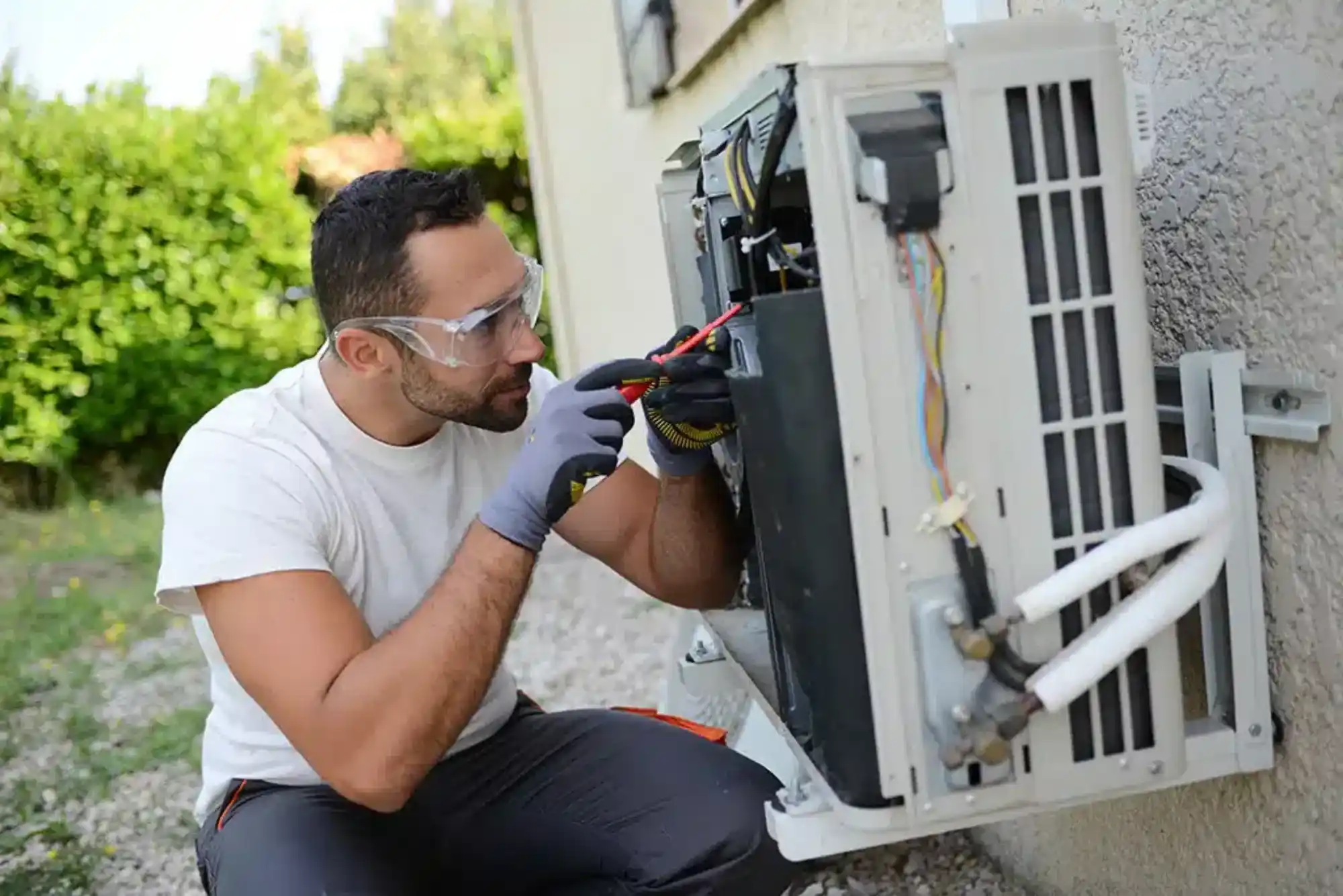
Professional HVAC technicians are trained to handle these systems safely and efficiently. They can test electrical continuity, replace damaged parts, recharge refrigerant, or clean components that are causing operational issues. Relying on experts ensures the compressor is repaired correctly, reducing the risk of recurrence and extending the lifespan of the unit.
Preventive Maintenance and Longevity
Preventive maintenance is one of the most effective ways to keep an air conditioning compressor in good working condition. Regular cleaning of coils, checking refrigerant levels, and inspecting electrical components help reduce the strain on the compressor. When airflow is restricted due to dirty filters or coils, the system works harder, increasing the risk of overheating and failure.
Scheduling routine maintenance also allows technicians to identify early warning signs before they develop into major problems. Small issues like weak capacitors, minor leaks, or worn electrical contacts can be addressed quickly and affordably. Proper lubrication of moving parts and periodic performance testing also enhance compressor reliability.
Environmental and Efficiency Considerations
An AC compressor that is not running efficiently affects not only comfort but also energy consumption. When the compressor struggles or stops working, the rest of the system compensates by running longer cycles, which raises electricity costs. Additionally, inefficient compressors may cause fluctuations in temperature, creating inconsistent indoor conditions.
Environmental impact is another consideration. Systems with refrigerant leaks or damaged components may release gases that harm the environment. Timely repairs and maintenance prevent these leaks and ensure compliance with environmental regulations. Energy-efficient operation benefits both homeowners and the environment by reducing energy waste and emissions.
When Replacement Becomes Necessary
While many compressor issues can be repaired, there are situations where replacement is the most practical solution. If the compressor has suffered internal damage such as motor burnout or valve failure, repair may be costly and unreliable. In older systems, replacing the compressor may not be economically viable, especially if newer, more efficient models are available.
Technicians evaluate the overall condition of the system before recommending a replacement. Factors like the age of the unit, the availability of compatible parts, and the cost of repair versus replacement influence the decision. Investing in a new compressor or an upgraded system can improve performance, energy efficiency, and long-term reliability.
Safety and Professional Guidance
Handling compressor problems requires strict adherence to safety procedures. High-voltage components and pressurized refrigerant lines present serious risks if mishandled. Only certified technicians have the necessary training and tools to manage these systems safely. They follow safety protocols that include discharging capacitors, isolating electrical circuits, and using protective gear while working on the unit.
Homeowners should always turn off power to the system before checking any visible components and avoid attempting repairs that involve refrigerant or internal wiring. Seeking immediate professional help not only prevents injury but also ensures accurate repairs.
The Role of Quality Service Providers
Choosing the right service provider makes a significant difference in resolving compressor issues efficiently. A reliable HVAC company offers more than just repairs; they provide detailed inspections, transparent cost estimates, and preventive maintenance programs. Professional technicians ensure that the compressor and the entire cooling system operate harmoniously, preventing future breakdowns.
Working with experienced specialists also guarantees the use of genuine replacement parts and adherence to manufacturer standards. This approach safeguards the system warranty and ensures long-term reliability. Regular service from trusted professionals helps maintain consistent cooling performance even during peak seasons.
Conclusion
An AC compressor that is not running can disrupt comfort and increase energy costs, but understanding the underlying causes helps in finding the right solution. From electrical malfunctions and refrigerant imbalances to mechanical wear and overheating, several factors can lead to compressor inactivity. Diagnosing and repairing these issues requires technical skill, precision, and safety awareness.
Relying on professional technicians ensures accurate repairs and prevents recurring failures. Regular maintenance, timely inspections, and proper usage all contribute to the longevity and efficiency of the compressor. Addressing the problem quickly not only restores comfort but also preserves the overall health of the air conditioning system.
When the compressor stops running, it is more than a minor inconvenience—it is a signal that the system needs expert attention. With proper care and professional repair, your air conditioner can continue providing reliable cooling and comfort for years to come.