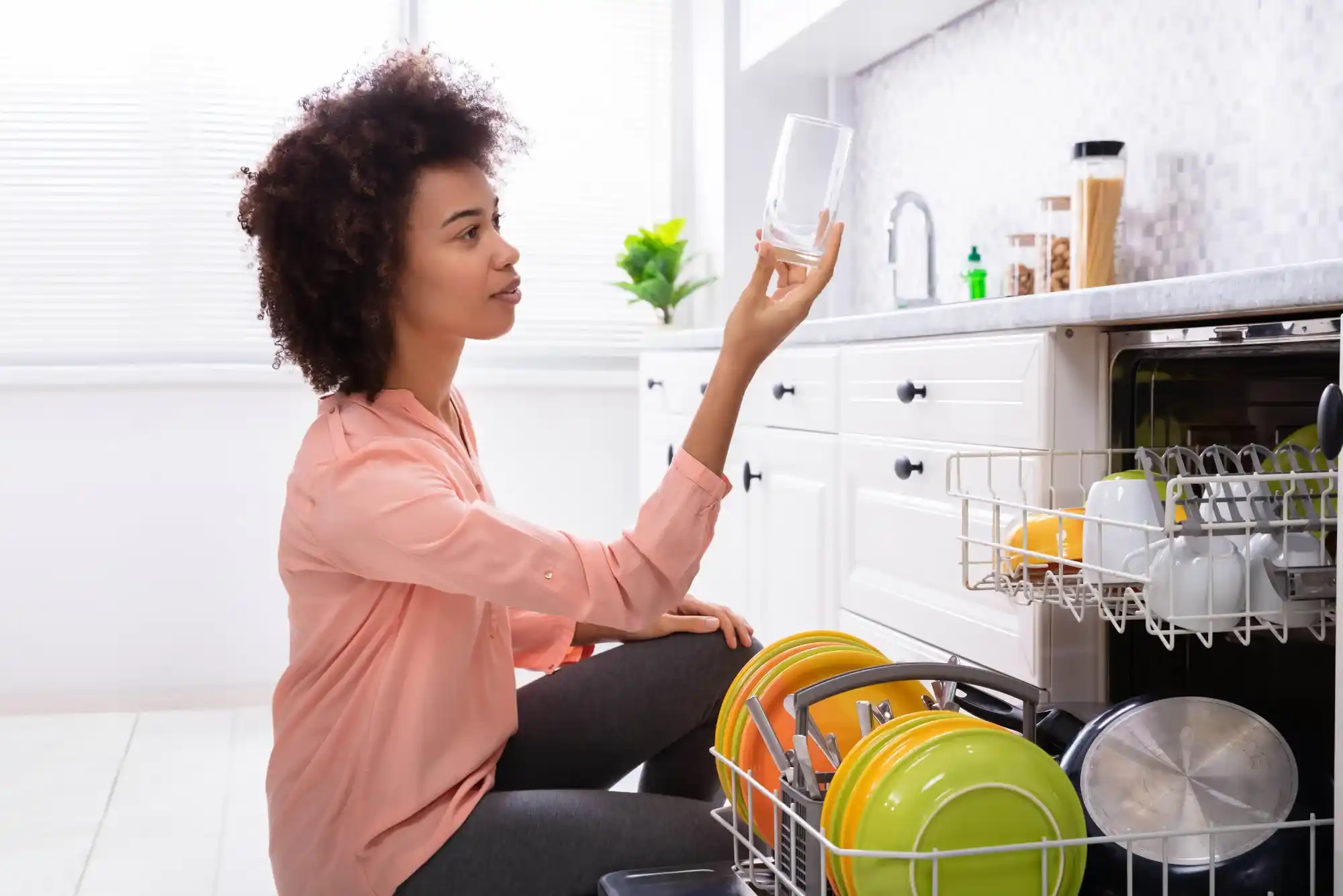
When you load your dishwasher and run a full cycle, the expectation is always simple: sparkling clean dishes that come out perfectly dry and ready to use. Yet, many homeowners often notice that even after a complete cycle, dishes—especially plastics, cups, and glassware—are still wet. This can be frustrating because it defeats the purpose of convenience and requires extra time to manually dry them. If you are facing this common issue, understanding the causes and solutions for poor dishwasher drying performance is essential. Improving the drying ability of your dishwasher involves proper maintenance, usage habits, and sometimes professional servicing.
Understanding How Dishwashers Dry
Modern dishwashers use different drying technologies depending on the brand and model. Some use heating elements that create high temperatures to evaporate water, while others rely on condensation drying, which uses the heat retained in the final rinse cycle to draw moisture off dishes. High-efficiency dishwashers often lean toward condensation drying since it saves energy. However, while this is eco-friendly, it can sometimes leave more moisture behind, especially on plastic items that do not retain heat as well as ceramic or glass. Knowing the method your dishwasher uses can help you understand why certain items may not dry completely.
Common Reasons for Poor Drying
There are several reasons a dishwasher may struggle to dry effectively. The most frequent causes include incorrect loading of dishes, clogged vents, a malfunctioning heating element, or skipping rinse aid. Plastics and lightweight items often hold more water droplets because they do not get hot enough to evaporate moisture. In some cases, detergent residue or hard water buildup can also interfere with drying performance. By identifying the root cause, you can take steps to restore your dishwasher to peak efficiency.
Importance of Rinse Aid
One of the simplest and most effective ways to improve dishwasher drying performance is by using rinse aid. Many people skip this step, assuming detergent is enough, but rinse aid plays a crucial role. It helps water sheet off dishes instead of forming droplets, allowing faster evaporation and preventing water spots. If your dishes are coming out wet or streaked, checking and refilling the rinse aid dispenser can often make an immediate difference. Regularly using rinse aid ensures that both glassware and plastic containers dry more thoroughly.
Loading Techniques That Make a Difference
How you load your dishwasher directly impacts drying performance. Overcrowding can block airflow, preventing hot air from reaching all surfaces. Dishes should be angled so that water runs off rather than pooling in concave surfaces. Items with deep bottoms, like mugs or bowls, should be tilted slightly to avoid collecting water. Plastic containers are better placed on the upper rack, where they are exposed to more heat during the drying phase. Small adjustments in loading habits can greatly improve the drying results you experience.
Temperature and Hot Water Supply
The temperature of your dishwasher’s water supply also plays a critical role in drying performance. If the incoming water is not hot enough, the dishwasher may struggle to properly sanitize and heat dishes for efficient drying. Ideally, the water temperature entering the dishwasher should be around 120°F (49°C). If your home’s water heater is set too low, you may notice persistent drying issues. Running the hot water at your kitchen sink before starting the dishwasher can help ensure hot water is already in the line when the cycle begins.

Maintenance and Cleaning for Better Drying
Like any household appliance, a dishwasher requires routine maintenance to function at its best. Over time, mineral deposits, detergent residue, and food particles can build up inside, reducing efficiency. Cleaning the filter regularly ensures that water circulates properly, improving both washing and drying results. Wiping down the interior walls, spray arms, and gasket seals helps maintain optimal airflow. In homes with hard water, using a dishwasher cleaner or descaler can prevent buildup that interferes with drying cycles. Proper maintenance not only boosts performance but also extends the lifespan of the appliance.
The Role of Drying Cycles and Settings
Many dishwashers come with multiple drying options such as heated dry, air dry, or energy-saving modes. Choosing the right setting can significantly affect the outcome. Heated drying provides the best results but uses more energy, while air drying conserves energy but may leave more moisture. If drying performance is important to you, selecting the heated option or extending the drying cycle can help. Some newer models include advanced fan-assisted drying features, which circulate air for better results. Understanding and properly using your dishwasher’s features ensures you get the maximum benefit.
Professional Servicing for Persistent Issues
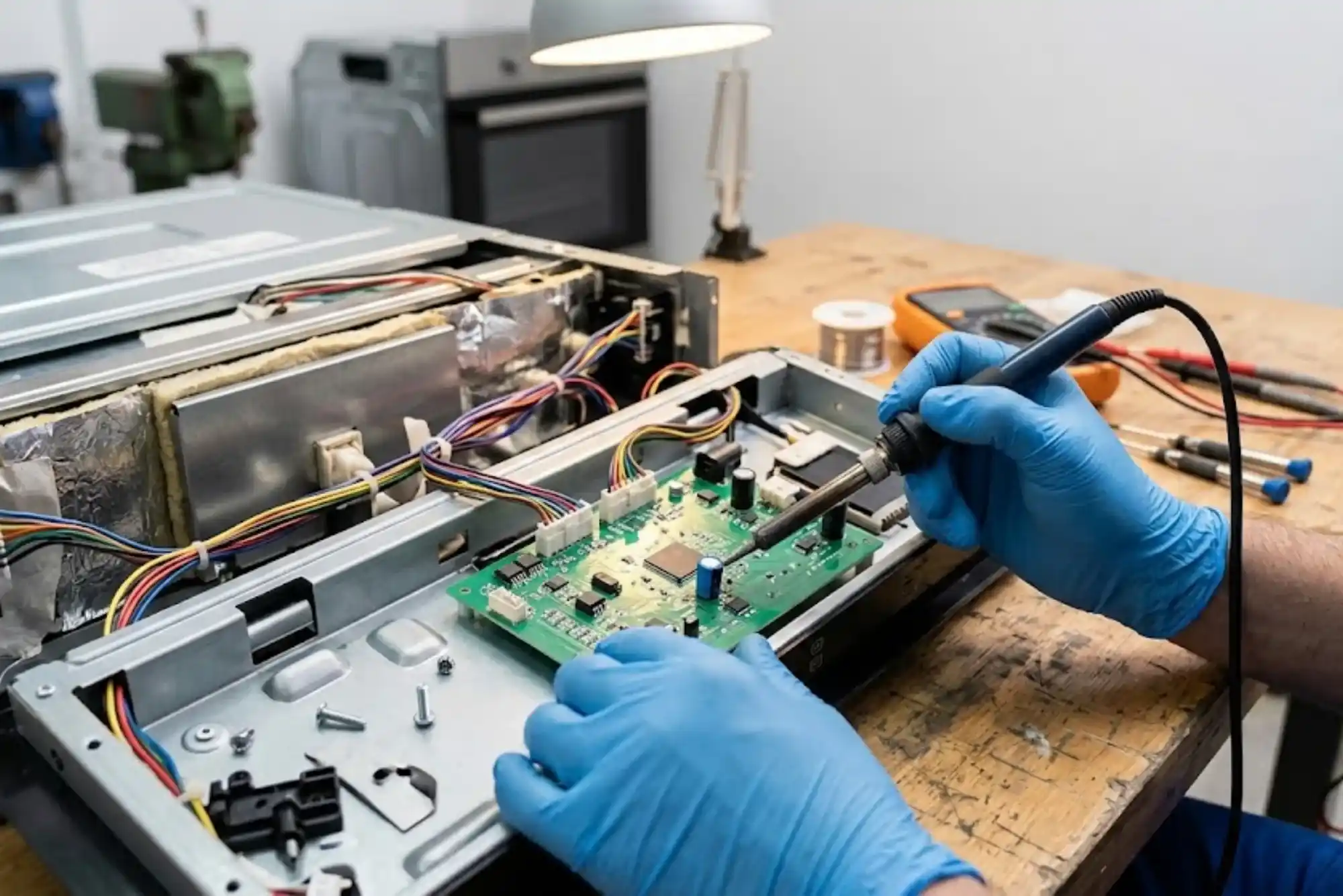
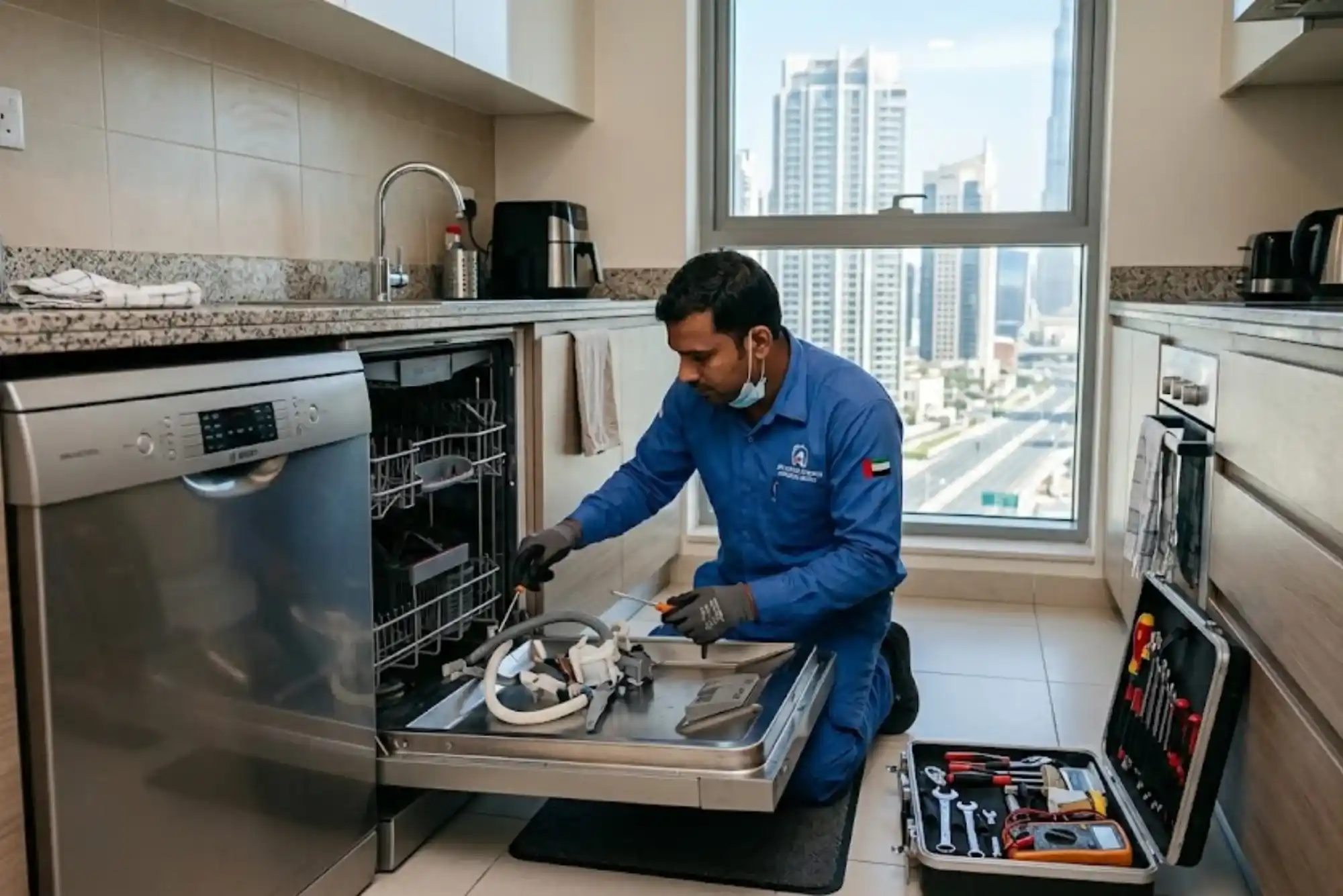
If you have tried adjusting loading habits, using rinse aid, and performing regular maintenance yet your dishwasher still struggles with drying, the issue could be mechanical. A faulty heating element, malfunctioning thermostat, or clogged vent system can all reduce drying efficiency. In such cases, professional inspection and servicing are recommended. Appliance repair specialists can diagnose and replace defective components, restoring your dishwasher’s drying capability. Investing in timely repairs not only improves convenience but also prevents larger breakdowns in the future.
Energy Efficiency vs. Drying Performance
It is important to recognize that modern dishwashers often prioritize energy efficiency over aggressive drying. Manufacturers design machines that comply with energy-saving standards, which sometimes results in slightly damp dishes at the end of a cycle. This is particularly true for eco-friendly settings that use lower temperatures. While this reduces utility costs, it may require users to adjust expectations or take small steps, such as cracking the door open after a cycle to let steam escape. Balancing efficiency with performance is key to getting the most out of your dishwasher.
Everyday Habits That Improve Drying
In addition to maintenance and correct loading, simple daily habits can enhance drying. Emptying the bottom rack first prevents water from dripping onto dry dishes below. Opening the dishwasher door immediately after the cycle completes allows trapped steam to escape, speeding up drying. Ensuring that the dishwasher is not overloaded creates enough airflow for even drying. With these habits in place, you can improve performance without making significant changes to your appliance or energy usage.
When to Consider a Replacement
If your dishwasher is older than ten years and consistently fails to dry dishes despite all efforts, it may be time to consider an upgrade. Modern dishwashers come with advanced drying technologies, including built-in fans, auto-open doors, and improved condensation systems that deliver better results. While repair is often a cost-effective solution for newer machines, older units that consume more energy and fail to meet performance standards may no longer be worth maintaining. Choosing a new model can save both time and utility costs in the long run.
Improving dishwasher drying performance is a combination of correct usage, proper maintenance, and occasionally professional servicing. From using rinse aid and loading dishes correctly to ensuring the heating element works properly, every step contributes to better results. While eco-friendly designs may sometimes leave minor moisture behind, small adjustments in habits and regular upkeep can significantly enhance performance. If all else fails, professional repair services or a modern replacement can restore the convenience and efficiency you expect from your dishwasher. By taking care of your appliance and using it correctly, you ensure spotless, dry, and ready-to-use dishes every time.