If you have ever waited for a washing machine cycle that seems endless, you are not alone. Many people notice that the timer on their washing machine keeps extending, or that a forty-minute wash somehow stretches to an hour or more. This is not always a sign that the machine is faulty. In most cases, it reflects a combination of modern design choices, built-in efficiency goals, and a few common usage factors. Understanding why this happens can help you manage your laundry time better and maintain your appliance more effectively.
The Modern Efficiency Trade-Off
Older washing machines were fast, loud, and water-hungry. They cleaned clothes by using large volumes of water and powerful agitation, finishing loads in a relatively short time. Modern machines, by contrast, are engineered for energy efficiency and environmental compliance. They use sensors, smaller amounts of water, and controlled agitation to save both electricity and water. While this makes them gentler on fabrics and the planet, it also means that cycles take longer to complete. The machine needs more time to circulate a limited amount of water, measure load size accurately, and ensure thorough rinsing with reduced resources.
Water Supply and Intake Delays
One of the first reasons for extended cycle times is delayed water intake. When a washing machine fills the drum slowly, every phase of the cycle that depends on water level will lag behind. If your home has low water pressure, if the inlet hose is bent or partially blocked, or if the small filters inside the hose connections are clogged, the machine may spend several extra minutes just waiting to fill. Since most washers are programmed to reach a precise water level before moving to the next step, any delay in filling can stretch the entire wash time significantly.
How Load Sensing and Balance Affect Time
Modern machines contain intelligent load sensors that detect how much laundry you have added and whether the load is balanced inside the drum. If the machine senses that clothes are unevenly distributed, it will attempt to rebalance them before spinning. This process may involve adding water, rotating slowly several times, draining, and trying again. Each attempt consumes time. Heavy fabrics, towels, or mixed-weight items can easily trigger repeated rebalancing, especially if the load is too full or too light. Even though this behavior is normal, it causes the cycle to run much longer than the display initially indicates.
The Role of Detergent and Suds Formation
Detergent misuse is another invisible reason for long wash cycles. Using more detergent than necessary, or using a regular detergent instead of a high-efficiency one, creates excessive suds inside the drum. The machine detects these foam levels through internal sensors and delays the rinse phase until the suds subside. Some washers automatically add extra rinse cycles to clear detergent residues, which further prolongs the process. From the user’s point of view, it seems as though the timer has stopped or is looping unnecessarily, but in reality, the washer is protecting fabrics and ensuring a complete rinse.
Sensor Errors and Electronic Logic
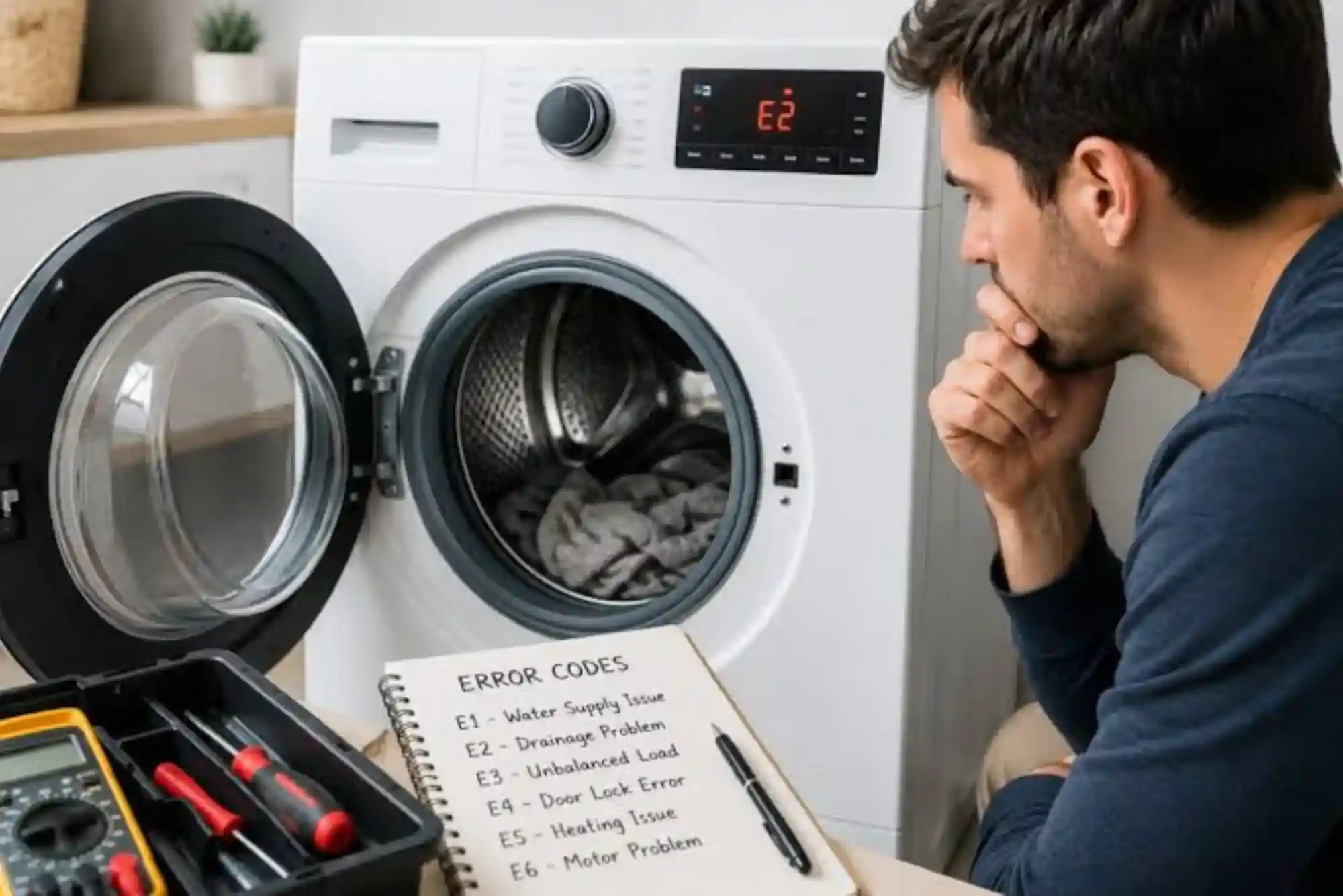
Sometimes the problem lies not in water or detergent, but in electronic communication within the washer. A defective water level switch, a malfunctioning temperature sensor, or a confused control board can all interfere with the machine’s timing logic. When a sensor sends inconsistent data, the system may hesitate, recheck conditions, or hold a stage longer than usual. It is programmed to err on the side of caution to avoid flooding or incomplete washing. Although such faults usually require technical inspection, understanding that these pauses come from diagnostic logic helps explain why a cycle that should take fifty minutes stretches past an hour.
Heating Time in Warm or Hot Cycles
If you use warm or hot wash settings, the washer must heat the water to the programmed temperature before the main cycle begins. Any reduction in heating performance—whether due to mineral buildup on the heating element, electrical inefficiency, or colder incoming water—will slow this phase considerably. In some machines, if the target temperature is not reached in a specific timeframe, the system continues waiting rather than skipping ahead, effectively adding several minutes of idle time. Users often misinterpret this waiting period as a malfunction, but it is actually a temperature safeguard.
Slow Drainage and Residual Water
Another common factor behind lengthy washing cycles is poor drainage. At the end of the wash or rinse stage, the washer must pump out dirty water before spinning. If the drain hose or pump filter is partially blocked by lint, coins, or debris, water will drain slowly, forcing the machine to extend that phase. Because most modern models are designed to confirm that water is fully expelled before spinning, the program halts progress until sensors confirm the drum is empty. Over time, unnoticed clogs or small obstructions can cumulatively add several minutes to every wash.
Why the Timer Is Only an Estimate
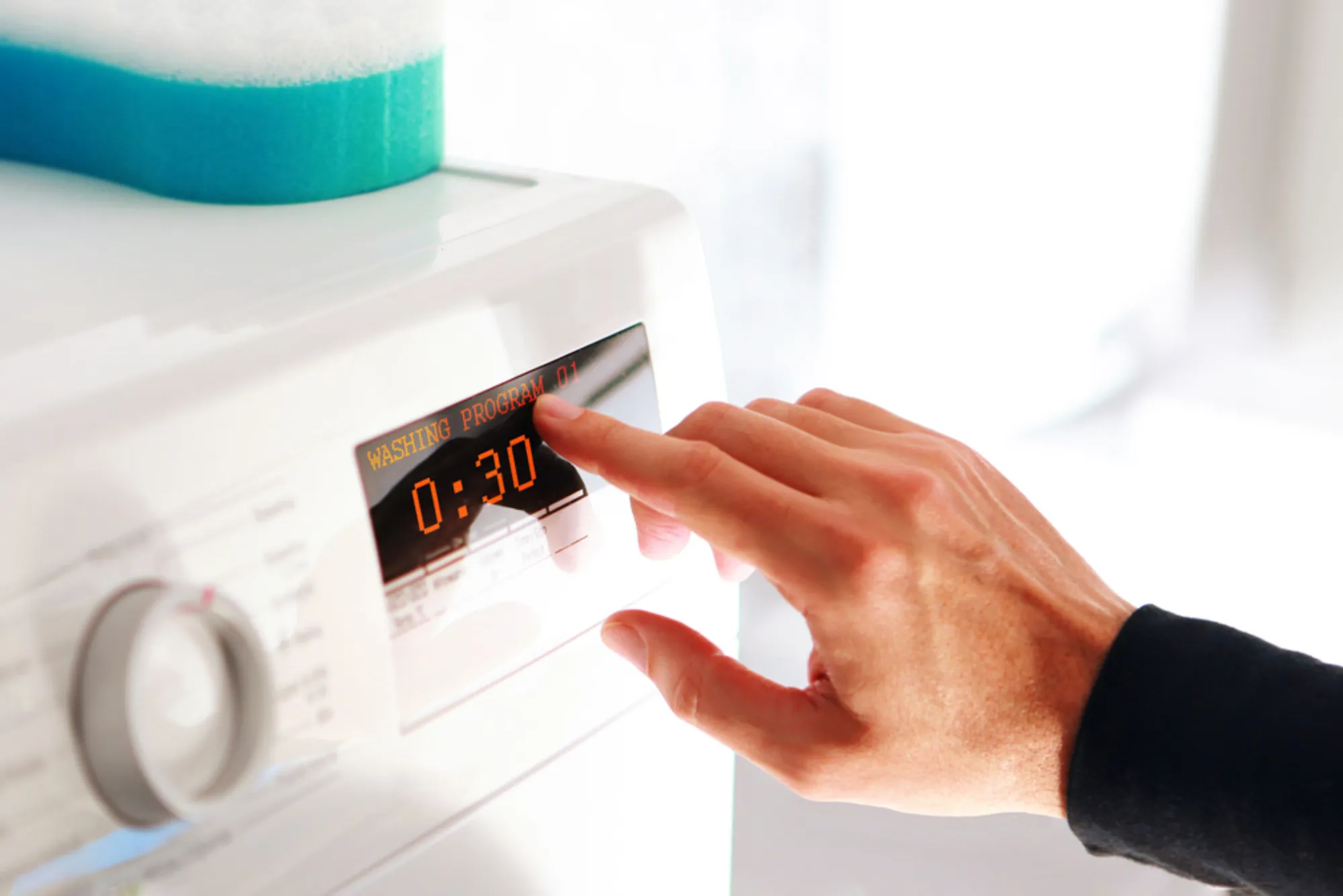
The digital timer on a modern washing machine does not work like a stopwatch. It represents an estimate calculated by the control system at the start of the cycle. As the machine gathers real-time data about load weight, water temperature, and balance, it recalculates the remaining time dynamically. That is why the countdown sometimes freezes or increases unexpectedly. A machine that begins with a forty-minute estimate might extend itself to sixty minutes when it encounters heavy loads, unbalanced items, or cooling and heating adjustments. The “one minute remaining” phase can also linger because it includes final spins, door-locking delays, and sensor verifications.
The Compounding Effect of Small Delays
In many cases, there is not one dramatic reason for an extended cycle but a combination of several small ones. A slightly restricted water flow might add three minutes, minor imbalance another five, extra rinsing from excess detergent another six, and a slow drain yet another four. Together they transform a normal forty-five-minute cycle into an hour-long session. Because the washer handles each process sequentially, these minor delays compound rather than overlap, making the overall difference more noticeable to the user.
The Human Element and Usage Habits
While machines rely on advanced engineering, human habits still play the largest role in efficiency. Overloading the drum, under-loading it, ignoring cleaning cycles, or using the wrong detergent all influence timing. Washing machines are designed to operate under specific conditions of balance, load size, and water flow. When these conditions are not met, the sensors step in to compensate. That compensation manifests as extended time, pauses, or multiple spin attempts. Regularly cleaning the filter, distributing clothes evenly, and choosing the right cycle for the soil level can help the machine perform closer to its intended timing.
When It Is Time to Call a Technician
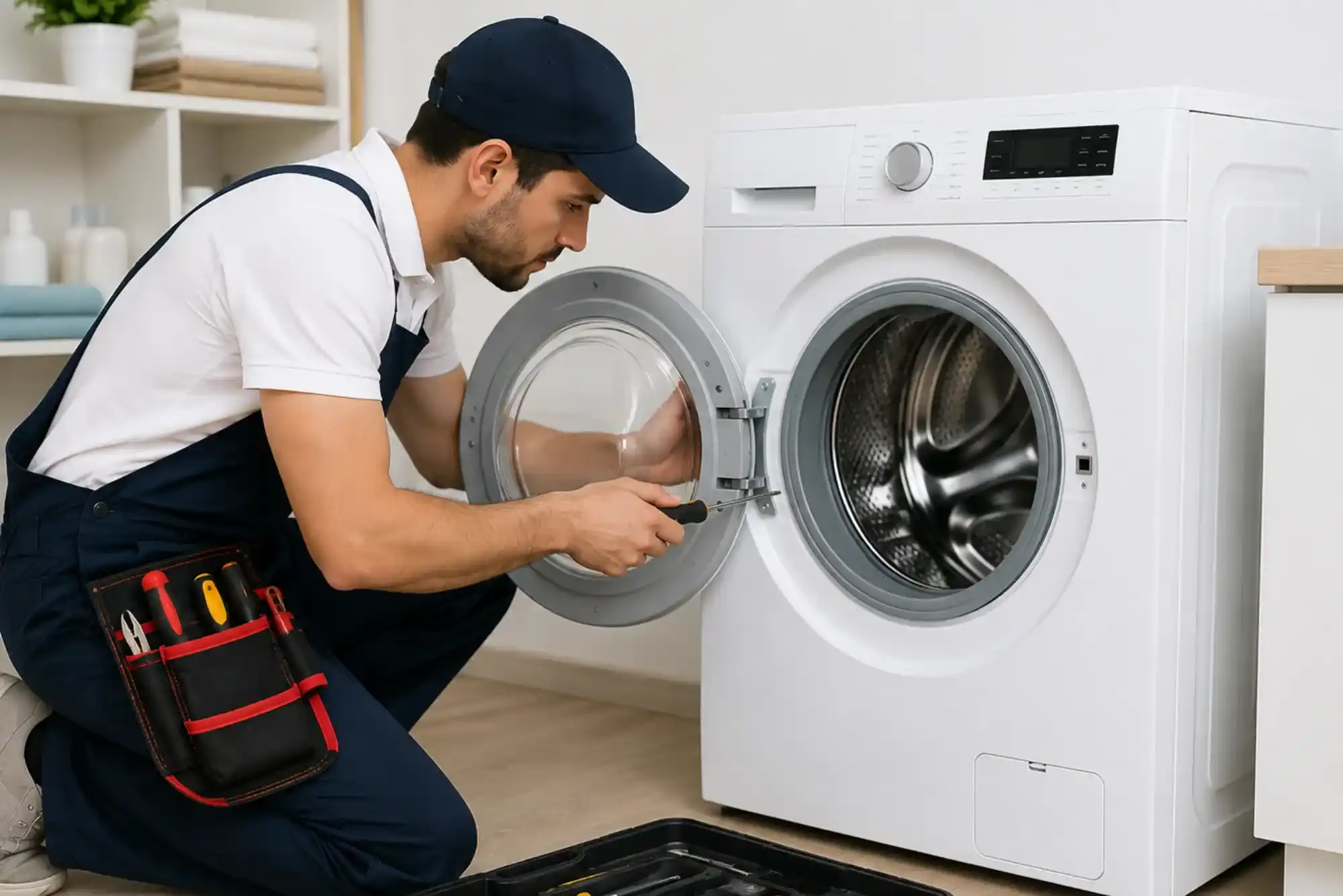
If your washing machine consistently takes far longer than expected even after good maintenance practices, professional help might be necessary. A technician can use diagnostic software to check sensor readings, evaluate the water inlet valves, and verify whether the control board is functioning correctly. Problems such as a weak heating element, defective pressure switch, or failing pump motor can all mimic symptoms of a long cycle. Early diagnosis not only restores normal wash times but also prevents larger mechanical failures later.
Explore the latest insights and expert guides from Hafixer, your trusted destination for professional appliance solutions. If you’re facing issues like extended washing cycles, our detailed resources such as Washing Machine Repairing in Dubai provide practical solutions and expert advice. From understanding why your washing machine cycle times are too long to troubleshooting problems when your washer takes longer than expected, we cover it all. Learn the real reasons behind delayed wash cycles and discover how long washing machine cycle times should ideally be, ensuring your appliance runs efficiently and saves both time and energy.
Understanding the Design Philosophy
It is also worth recognizing that manufacturers deliberately design machines to prioritize performance accuracy over speed. A washer that finishes quickly but leaves detergent residues or does not fully rinse would fail energy and safety certifications. Thus, longer cycles are not inherently bad; they reflect a design philosophy that favors thoroughness and efficiency over haste. Modern algorithms ensure that clothes are washed with just enough water and electricity to meet cleanliness standards, even if that means a slower process.
The Future of Washing Technology
Appliance makers are aware that consumers want shorter cycles without compromising results. Recent models already include adaptive programs that learn from usage patterns, artificial intelligence that predicts load type, and smart connectivity that optimizes water and energy use dynamically. These advancements promise to reduce unnecessary waiting while maintaining environmental standards. Over time, as software and sensor accuracy improve, users will likely see more reliable time estimates and fewer extended cycles caused by false readings or inefficient heating.
Long washing machine cycles are not a mystery but a reflection of how modern technology balances performance, sustainability, and user safety. From water pressure and heating delays to sensor calibration and detergent behavior, every detail contributes to total wash time. By understanding these factors and adapting daily habits, you can make your machine work more predictably and efficiently. If all else fails, a technician can pinpoint hidden electrical or mechanical faults that distort timing. In essence, patience, maintenance, and awareness are the keys to reclaiming a more consistent laundry routine in a world of increasingly smart but cautious washing machines.