Modern ovens are designed with durability, safety, and efficiency in mind. One of the most important components in this design is the oven door, particularly the glass panel that allows you to monitor cooking without opening the door. But over time, many homeowners notice that the glass feels loose or even rattles when touched. This seemingly small issue can be frustrating, unsettling, and sometimes a signal of larger maintenance needs. Understanding why your oven door glass becomes loose, the risks it poses, and the solutions available can help extend the life of your appliance while keeping your kitchen safe.
The Function of Oven Door Glass
Oven door glass serves more than a decorative purpose. It is carefully engineered to withstand high temperatures and provide insulation that keeps heat inside the cooking chamber. Most ovens feature a multi-layer glass system that improves energy efficiency while allowing clear visibility into the oven cavity. This layered design also prevents the exterior surface from becoming dangerously hot. When the glass becomes loose, these functions can be compromised, which affects both cooking performance and safety.
Common Reasons for Loose Oven Glass
The loosening of oven door glass is not typically caused by one single factor. Instead, it can result from a combination of wear, environmental influences, and design-related issues. The glass may shift out of alignment due to repeated heating and cooling cycles that expand and contract the materials around it. The brackets or fasteners holding the glass may weaken with age, loosening their grip. In some cases, adhesive materials used in manufacturing may degrade, especially if exposed to cleaning chemicals that break down bonding agents. Accidental impacts, such as knocking the door while carrying cookware, can also subtly misalign the glass over time.
Signs That Indicate an Issue
While the problem may seem minor at first, there are telltale signs that indicate the glass is no longer properly secured. A rattling sound when you tap the oven door is one of the earliest clues. Sometimes, you may notice small gaps forming along the edges, allowing air to escape. In severe cases, the door may fail to close completely flush with the oven body, leading to uneven cooking results. Even cosmetic signs, such as visible movement when gently pressing on the glass, should not be ignored because they often point to an underlying structural issue.
Safety Risks of Loose Glass
A loose oven door glass panel is not just a cosmetic annoyance. It can become a real safety hazard if left unaddressed. Heat escaping through gaps can cause burns if someone brushes against the hot edges. Energy loss is another consequence, as the oven must work harder to maintain temperature, increasing utility costs. If the glass were to detach fully, there is the risk of it shattering under thermal stress, which could result in sharp fragments scattering across the kitchen. Families with children should be particularly cautious, as little hands often reach for oven doors without recognizing the danger.
Impact on Cooking Performance
Beyond safety, a loose oven glass panel can interfere with how your meals turn out. Heat retention is critical for consistent baking, roasting, or broiling. If the door seal is compromised by a loose glass panel, hot air can escape unevenly, leading to dishes that are undercooked in some areas and overcooked in others. For bakers, where precision is essential, this inconsistency can ruin recipes. Even simple tasks such as reheating food can become inefficient and frustrating when the oven struggles to reach or maintain the set temperature.

Why Maintenance Matters
Like any major appliance, ovens require occasional maintenance to perform optimally. Door glass that feels unstable is a clear indicator that something inside the assembly needs attention. Ignoring the problem can lead to more costly repairs down the road, such as replacing entire door assemblies or addressing warped hinges. Regular inspections not only prevent damage but also extend the appliance’s life span. Proactive care ensures that the oven remains energy-efficient, safe, and dependable for everyday use.
Repair and Professional Solutions
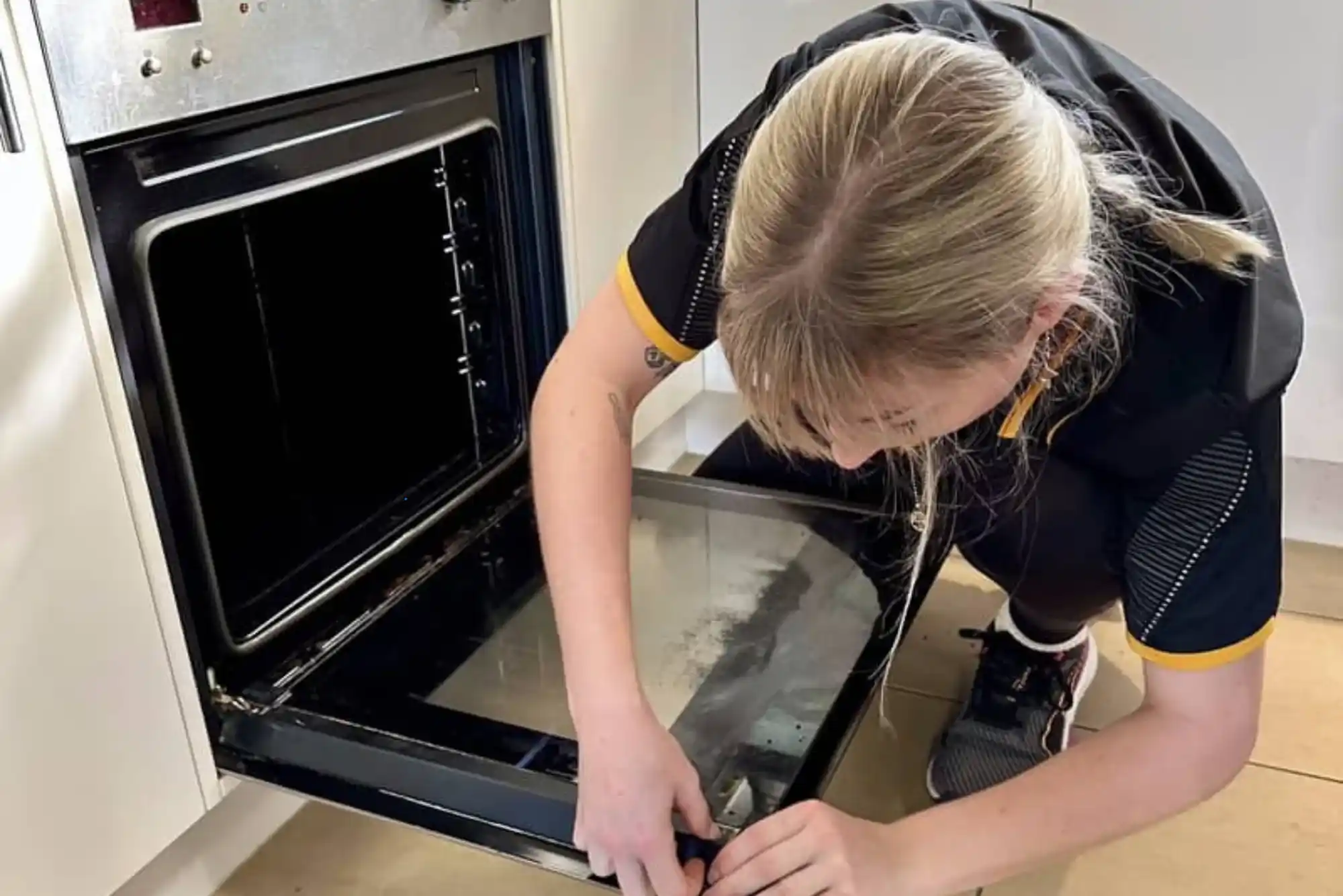
Fixing a loose oven door glass can range from simple adjustments to more complex repairs. For some models, tightening the retaining brackets or replacing worn screws is enough to restore stability. In other cases, professionals may need to replace degraded adhesives or install a new inner or outer glass panel. Service technicians are equipped to disassemble the door safely, re-align the components, and test the seal for proper function. Professional service is strongly recommended when the issue involves heat-sealed parts or specialized glass, as incorrect handling can worsen the problem or void manufacturer warranties.
Cost Considerations
Many homeowners hesitate to call for professional help due to concerns about repair costs. However, addressing a loose glass panel early is usually far less expensive than waiting until the damage escalates. Small fixes such as bracket tightening or adhesive replacement are generally affordable, whereas replacing an entire door can be a significant investment. Considering the role of the oven in daily cooking, timely maintenance should be viewed not only as a cost-saving measure but also as a way to preserve kitchen functionality without interruption.
Preventing Future Problems
Prevention begins with mindful use and care. Avoid slamming the oven door, as repeated impacts accelerate wear on brackets and seals. When cleaning, use gentle, manufacturer-recommended products to prevent damage to adhesives and finishes. Periodically check the door for subtle signs of movement or misalignment, and act quickly if you notice changes. For households that use the oven heavily, scheduling an annual professional inspection can help catch small issues before they escalate. These simple habits can keep the glass panel secure and the oven performing at its best.
The Role of Manufacturer Design
It is worth noting that not all ovens are created equal. Some manufacturers invest in more robust fastening systems and higher-grade adhesives, while others prioritize cost efficiency. If you consistently encounter loose glass issues with a particular brand, it may reflect limitations in its design choices. Researching models before purchasing and reading customer reviews can provide insight into long-term durability. In some cases, investing slightly more upfront in a higher-quality appliance can reduce repair needs over the years.
Environmental Factors at Play
The kitchen environment itself can influence the condition of your oven door glass. High humidity, for example, can degrade adhesives faster, while frequent exposure to cleaning chemicals or grease splatter can weaken seals. Homes with fluctuating indoor temperatures may also see accelerated wear on the glass alignment due to expansion and contraction of materials. Being aware of these environmental contributors allows homeowners to adapt their care routines accordingly, such as wiping spills quickly and avoiding harsh cleaners.
When Replacement Is the Best Option
Sometimes, despite all efforts, replacement is the most practical solution. If the glass has become scratched, cloudy, or heat-damaged in addition to being loose, installing a new panel ensures safety and restores the oven’s aesthetic appeal. Similarly, if multiple components of the door assembly have weakened, replacing the entire door may be more efficient than repairing piece by piece. Professional technicians can provide guidance on whether repair or replacement offers the better balance of cost and longevity.
A Long-Term View of Oven Care
Loose oven door glass may seem like a minor inconvenience, but it reflects a larger principle: appliances are long-term investments that require attention. Small problems, when ignored, can cascade into costly repairs or even the need for replacement. By treating issues like loose glass promptly and maintaining good care habits, homeowners can keep their ovens safe, efficient, and reliable for years to come. The goal is not just to fix a problem when it arises but to cultivate an approach to appliance ownership that values prevention and longevity.