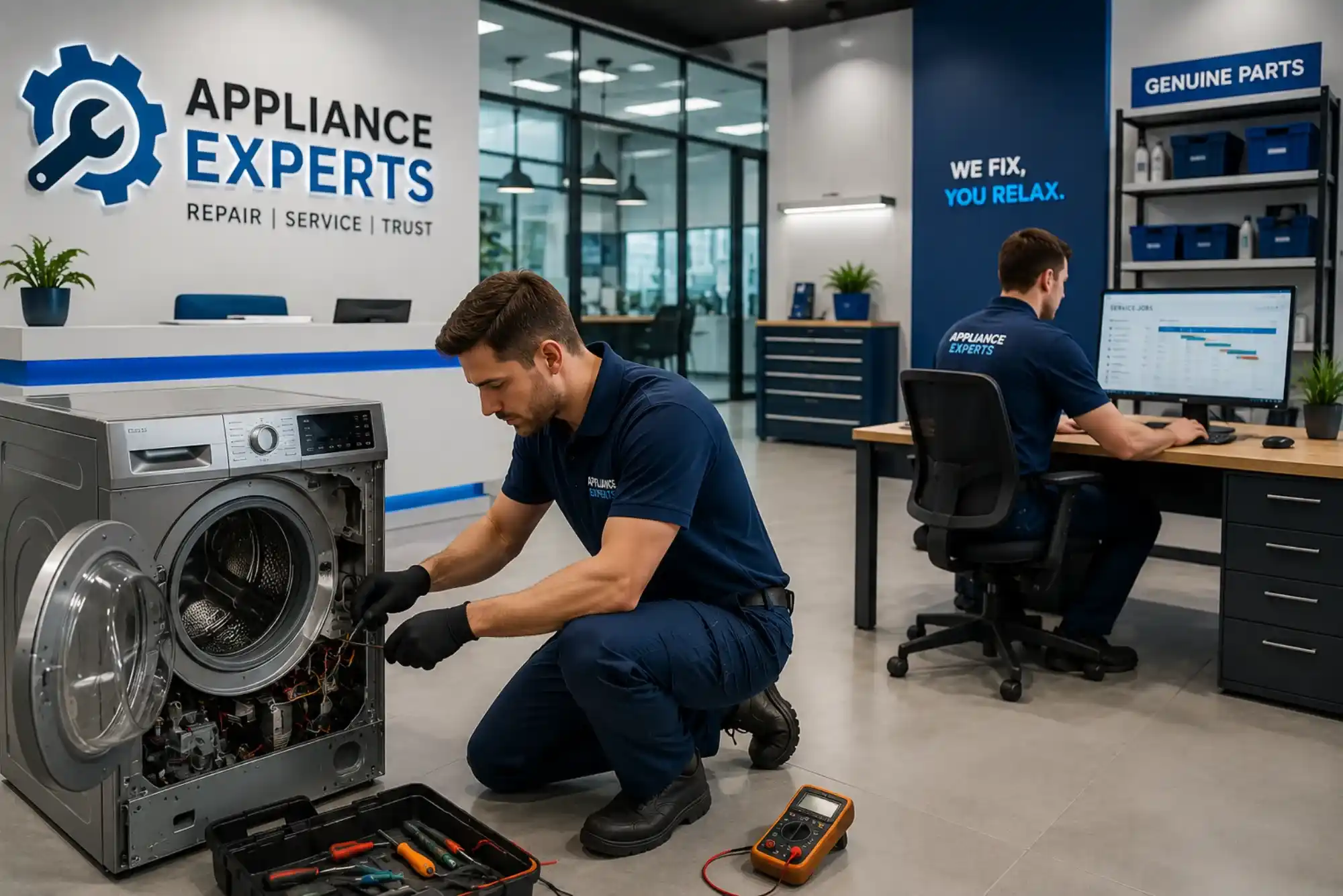
When your air conditioner stops cooling properly, it can be frustrating—especially during the peak of summer. A non-functioning AC not only causes discomfort but can also indicate underlying mechanical or electrical issues that may worsen over time if not addressed. Understanding the root cause is the first step in restoring optimal performance.
This professional guide offers detailed insight into the most common reasons your AC may not be cooling, along with smart troubleshooting tips to help you resolve the issue—or determine when it’s time to call a professional technician.
Thermostat Settings May Be Incorrect
One of the most overlooked reasons an AC isn’t cooling is incorrect thermostat settings. It may seem obvious, but sometimes the thermostat is set to “fan only” or to a temperature that is too high. Ensure your thermostat is set to “cool” mode and the temperature is at least 3 to 5 degrees below the current room temperature.
If the system is programmable, check that the schedule is set correctly and hasn’t been altered. In smart thermostats, occasional software glitches or updates may reset temperature preferences, requiring reconfiguration.
Air Filters Could Be Clogged
Air filters play a crucial role in maintaining airflow throughout your HVAC system. Over time, dust and debris can accumulate on filters, restricting airflow and causing your AC to work harder. When airflow is blocked, cool air can’t circulate properly, leading to inefficient cooling or even freezing of the coils.
Inspect your air filter and replace it if it appears dirty or clogged. Most manufacturers recommend changing filters every 30 to 90 days, depending on usage and indoor air quality. A clean filter can significantly improve cooling performance and reduce strain on your system.
Dirty or Blocked Condenser Coils
The outdoor unit of your AC contains the condenser coil, which expels heat from the refrigerant. If the coil becomes covered in dirt, leaves, or debris, it loses the ability to release heat effectively. This can cause your AC to blow warm air or operate inefficiently.
Carefully clean the outdoor unit by turning off power to the system and using a gentle stream of water to wash away debris. Avoid using high-pressure washers, as they can damage the fins or internal components. For deep cleaning, professional servicing may be necessary.
Refrigerant Levels Might Be Low
Refrigerant is essential for the cooling process, and low refrigerant levels usually indicate a leak. When refrigerant is low, your AC may still run but won’t be able to remove heat effectively, resulting in poor or no cooling.
Signs of low refrigerant include hissing sounds, ice buildup on the evaporator coils, and long cooling cycles. If you suspect a refrigerant leak, do not attempt to recharge it yourself. Handling refrigerants requires special certification and must be done by trained professionals who can safely detect and seal leaks.
Frozen Evaporator Coils Can Disrupt Cooling
The evaporator coil inside the indoor unit absorbs heat from indoor air. When airflow is restricted—due to a dirty filter, blocked vents, or blower fan issues—the coil can become too cold and freeze. A frozen coil prevents the system from cooling your home effectively and can even shut it down entirely.
If you notice ice on the coil or water dripping from the indoor unit, turn off the system immediately and allow it to thaw. Once thawed, inspect for restricted airflow sources. If the problem recurs, deeper diagnostics are likely required.
Tripped Breakers or Electrical Issues
Electrical issues are another potential reason why your AC isn’t cooling. A tripped breaker can shut off power to the compressor or fan motor, even if the thermostat appears to be working. In this case, the indoor unit may blow air, but it won’t be cool.
Check the electrical panel to see if any breakers have tripped. Resetting a breaker may temporarily restore power, but repeated tripping indicates a serious electrical fault. Avoid repeated resets and seek professional inspection to avoid damage or safety hazards.
Malfunctioning Compressor Can Halt Cooling
The compressor is the heart of your AC system—it pumps refrigerant between the indoor and outdoor units. If the compressor fails, your system will not be able to cool air, even if other components are functioning correctly.
Compressor failure can result from electrical problems, overheating, or age-related wear. Diagnosing and replacing a compressor is a complex task, often involving refrigerant evacuation, part replacement, and system recharging. A non-functioning compressor typically requires immediate professional intervention.
Thermostat Sensor Problems
The thermostat relies on a sensor to detect indoor temperatures and adjust cooling cycles. If the sensor is malfunctioning or has shifted out of place, it may misread the room temperature and prevent the AC from activating properly.
Check whether the sensor is positioned near the evaporator coil and not touching it. If the sensor appears out of place, gently adjust it to its proper position. Inaccurate temperature readings may also be corrected by recalibrating or replacing the thermostat.
Ductwork Leaks or Blockages
If your AC appears to be working, but certain rooms are not cooling, the issue could lie within your ductwork. Leaky or poorly insulated ducts allow cool air to escape before it reaches living spaces. Similarly,Post Category , crushed or blocked ducts can restrict airflow, leading to inconsistent cooling throughout the home.
A professional duct inspection can identify leaks, disconnected sections, or obstructions. Sealing ducts with mastic or foil tape, and insulating them in unconditioned spaces, can restore efficiency and airflow balance.
Undersized or Aging System
If your AC has never cooled the space adequately or has declined in performance over time, it might be due to poor system sizing or age. An undersized unit struggles to cool large areas, running continuously and wearing out faster. Similarly, older systems lose efficiency and capacity over time, especially if maintenance has been inconsistent.
An HVAC load calculation can help determine whether your current system is appropriately sized. In some cases, upgrading to a new, energy-efficient model may be the most cost-effective solution.
Poor Maintenance Habits
Routine maintenance is essential for reliable AC performance. Neglecting regular service appointments can lead to dirty coils, worn-out parts, low refrigerant, and airflow issues—all of which contribute to poor cooling.
An annual professional tune-up helps identify problems early, keeps your system clean, and ensures components are working efficiently. Regular maintenance extends the life of your unit and prevents expensive emergency repairs.
Environmental and External Factors
Sometimes the issue isn’t with the AC system itself but external factors such as extreme outdoor temperatures, open windows, poor insulation, or high humidity levels. In such cases, the AC may appear to be running continuously without making much difference in indoor comfort.
Make sure all windows and doors are closed while the AC is operating. Check insulation around your home and consider using curtains or blinds to block direct sunlight. During high humidity periods, a dehumidifier may improve overall comfort and AC performance.
When to Call a Professional
While many of these issues can be resolved with basic troubleshooting, certain problems—like refrigerant leaks, compressor failure, or electrical faults—require licensed technicians. Attempting to repair complex components without proper training can lead to damage, personal injury, or voided warranties.
If you’ve gone through the basic checks and your AC still isn’t cooling properly, it’s time to contact a qualified HVAC specialist. Timely repairs not only restore comfort but also prevent minor issues from developing into expensive breakdowns.
Final Thoughts
A cooling system that isn’t performing can turn your living space into an unbearable environment, especially during the height of summer. By understanding the common causes of AC malfunction and applying these troubleshooting tips, you can often resolve the issue quickly—or at least identify when professional help is needed.
Remember, regular maintenance and early detection are key to keeping your AC system in top condition. With proper care, your air conditioner will continue to provide comfort, energy efficiency, and peace of mind all season long.