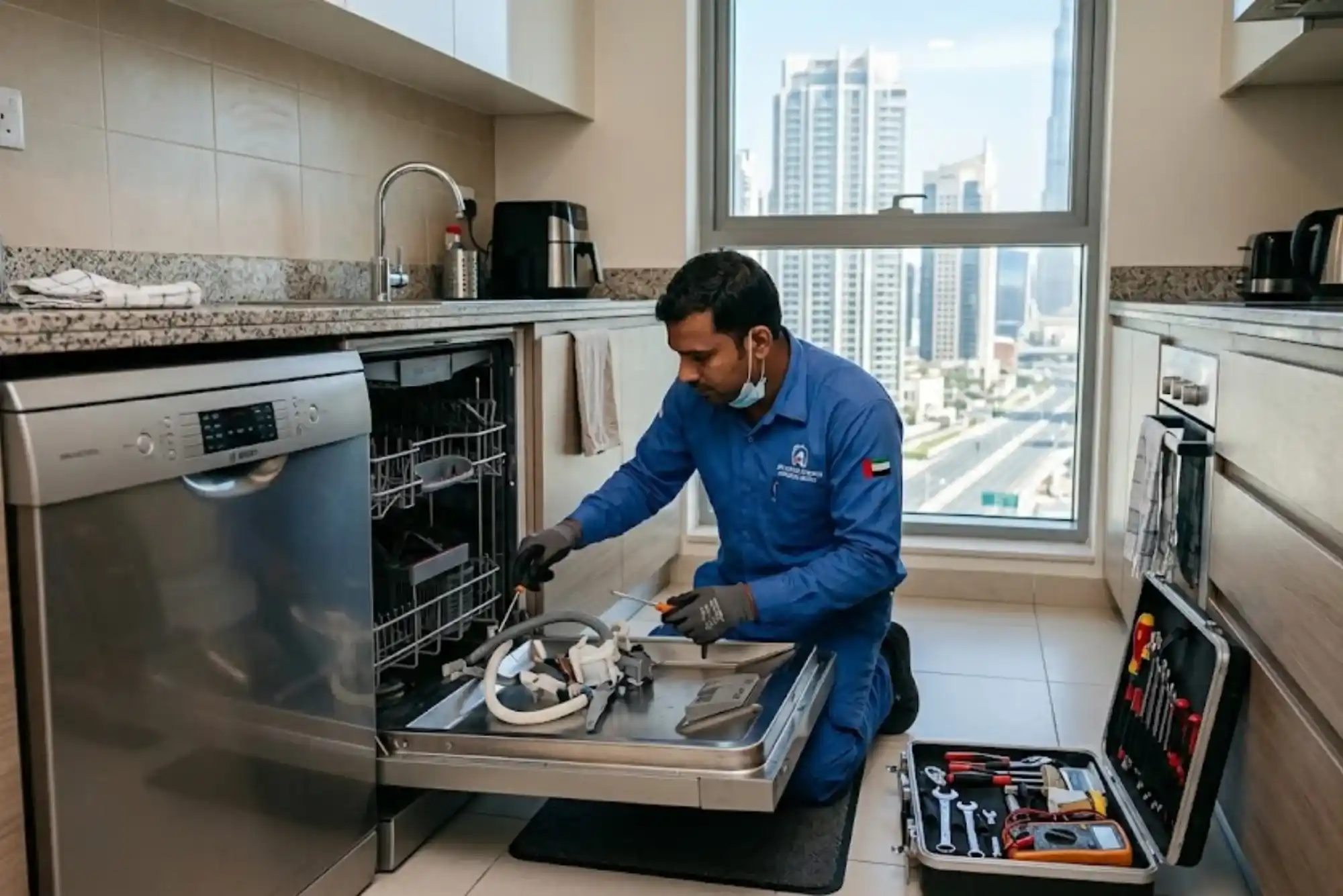
Modern office buildings depend on reliable heating, ventilation, and air conditioning (HVAC) systems to create a productive indoor environment. Whether it is maintaining comfortable temperatures during the summer or ensuring healthy indoor air quality throughout the year, commercial HVAC systems play a critical role in daily business operations.
When these systems begin to fail, even minor issues can affect employee comfort, increase energy bills, and disrupt normal operations. Professional commercial HVAC repair services help businesses minimize downtime while improving overall system efficiency through expert diagnostics, repairs, and preventive maintenance.
Businesses that invest in routine inspections and timely repairs not only reduce operational costs but also extend the lifespan of expensive HVAC equipment. Working with experienced professionals ensures every component performs at its best, reducing the risk of unexpected breakdowns.
Why Commercial HVAC Systems Require Professional Care
Unlike residential HVAC units, commercial systems operate for longer hours and support much larger spaces. Office buildings often have multiple zones, rooftop units, duct networks, thermostats, ventilation systems, and complex electrical controls working together.
Because of this complexity, commercial HVAC repairs require trained technicians who understand large-scale systems, airflow balancing, refrigeration cycles, electrical diagnostics, and energy optimization.
Signs Your Office HVAC System Needs Repair
| Warning Sign | Possible Cause | Recommended Action |
|---|---|---|
| Uneven room temperatures | Airflow restrictions or failing components | Professional inspection |
| Higher electricity bills | Reduced system efficiency | Energy performance assessment |
| Weak airflow | Dirty filters, blocked ducts, blower issues | Repair and maintenance |
| Strange noises | Loose mechanical parts | Immediate servicing |
| Poor indoor air quality | Dirty coils or ventilation issues | Complete HVAC cleaning |
| Frequent shutdowns | Electrical or control system faults | Professional diagnostics |
Benefits of Timely Commercial HVAC Repairs
1. Lower Energy Consumption
An inefficient HVAC system consumes significantly more electricity. Cleaning coils, repairing refrigerant leaks, replacing worn components, and calibrating controls help restore optimal performance.

Regular maintenance, including condenser coil cleaning, improves heat transfer efficiency and reduces unnecessary strain on the equipment.
2. Improved Employee Productivity
Temperature fluctuations and poor ventilation negatively affect employee concentration. Comfortable workplaces promote better focus, fewer complaints, and improved overall productivity.
3. Better Indoor Air Quality
Commercial HVAC systems continuously circulate indoor air. Dirty filters and neglected ductwork can spread dust, allergens, and airborne contaminants throughout the office.
Routine servicing helps maintain healthier indoor environments while protecting employees and visitors.
4. Reduced Emergency Breakdowns
Unexpected HVAC failures often occur during periods of peak demand. Preventive inspections allow technicians to identify worn parts before they fail completely.
Businesses looking for rapid assistance during system failures can benefit from commercial AC repair services that specialize in minimizing operational downtime.
Common Commercial HVAC Problems
Refrigerant Leaks
Low refrigerant levels reduce cooling performance while increasing compressor workload. Early leak detection prevents expensive compressor damage.
Electrical Failures
Loose wiring, damaged capacitors, faulty relays, and worn contactors commonly affect commercial HVAC systems.
Dirty Condenser and Evaporator Coils
Dust accumulation reduces heat exchange efficiency, causing the system to work harder while consuming more electricity.
Thermostat Malfunctions
Incorrect thermostat readings often lead to inconsistent temperatures across office spaces.
Airflow Restrictions
Blocked vents, clogged filters, and damaged blower motors reduce airflow, making indoor spaces uncomfortable.
The Importance of Preventive Maintenance
Preventive maintenance remains one of the most cost-effective investments for commercial property owners.
- Reduced repair costs
- Longer equipment lifespan
- Lower electricity consumption
- Consistent indoor comfort
- Fewer emergency service calls
- Improved occupant satisfaction
Many businesses schedule quarterly HVAC inspections depending on seasonal demand and building occupancy.
What Professional Commercial HVAC Repair Includes
- Complete system diagnostics
- Electrical safety inspections
- Thermostat calibration
- Refrigerant pressure testing
- Motor performance checks
- Blower inspection
- Condenser cleaning
- Airflow balancing
- Duct inspection
- Performance testing
Technicians may also inspect compressor health. Understanding how an AC compressor functions helps building managers recognize why compressor maintenance is essential for long-term reliability.
Energy Efficiency and Cost Savings
Energy expenses represent one of the largest operating costs for commercial buildings. Even small HVAC inefficiencies can significantly increase monthly utility bills.
Repairing damaged components before they worsen allows businesses to maximize equipment efficiency while reducing long-term maintenance costs.
When Should an Office Building Schedule HVAC Repairs?
Business owners should never wait for complete system failure before requesting service.
Recommended times include:
- Before summer begins
- Before winter heating season
- After unusual noises appear
- Following sudden increases in utility bills
- When employees report inconsistent temperatures
- After equipment reaches manufacturer service intervals
Choosing the Right Commercial HVAC Service Provider
Not every HVAC contractor specializes in commercial buildings. Businesses should look for providers with experience handling large office systems, preventive maintenance programs, emergency repairs, and energy-efficient solutions.
A reliable service provider should also offer comprehensive HVAC support through experienced certified HVAC repair technicians capable of diagnosing both mechanical and electrical issues.
Best Practices for Building Managers
- Replace air filters regularly.
- Schedule preventive inspections every season.
- Monitor energy consumption trends.
- Keep rooftop units free from debris.
- Address unusual sounds immediately.
- Maintain service records for every HVAC unit.
- Train facility staff to report performance issues early.
Conclusion
Commercial HVAC systems are essential to maintaining comfortable, healthy, and productive office environments. Delaying repairs often leads to higher operating costs, reduced employee comfort, and expensive equipment failures.
By investing in professional commercial HVAC repair services, businesses can improve energy efficiency, extend equipment lifespan, and reduce unexpected downtime. Routine maintenance, timely repairs, and experienced technicians ensure office buildings remain comfortable throughout every season while protecting one of the property’s most valuable mechanical assets.“`
Related Reading: AC Tune-Up and Inspection Services
Related Reading: AC Breakdown Repair Services