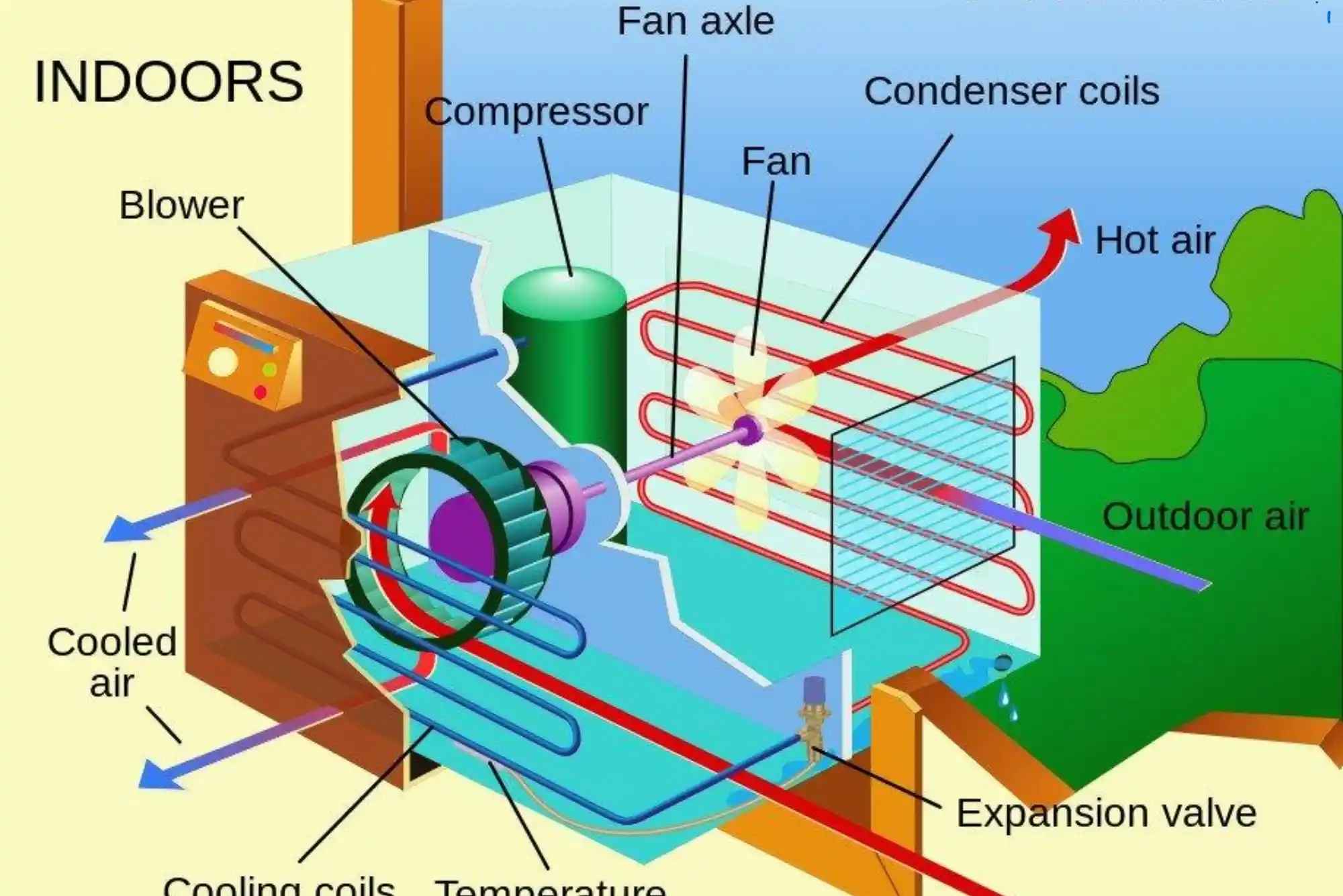
The air conditioning compressor is often referred to as the heart of the cooling system because it drives the circulation of refrigerant, enabling the transfer of heat and the delivery of cool air indoors. Without a properly functioning compressor, the air conditioning process would come to a halt. Understanding its anatomy, function, and importance not only improves awareness of how an AC works but also emphasizes the need for proper care and maintenance.
Role of the AC Compressor in Cooling
The compressor is responsible for pressurizing refrigerant gas and moving it through the air conditioning system. It takes in low-pressure vapor from the evaporator coil, compresses it into a high-pressure and high-temperature gas, and pushes it toward the condenser coil. This pressurization allows the refrigerant to release the heat it absorbed from the indoor air. Once the refrigerant cools and condenses, it continues its cycle back to the evaporator, creating a continuous cooling loop that maintains a comfortable indoor temperature.
The efficiency of the compressor directly affects the performance of the air conditioning system. A strong and properly functioning compressor ensures rapid cooling, lower energy consumption, and a longer lifespan for the entire unit.
Internal Components of an AC Compressor
Inside an AC compressor, multiple components work together to achieve efficient compression. The outer housing provides a protective shield, keeping the internal mechanisms safe from dust, moisture, and physical damage. This sturdy enclosure is designed to handle high pressure and temperature changes.
Within the housing, the cylinder and piston assembly plays a central role in compressing the refrigerant. As the piston moves inside the cylinder, it draws in low-pressure gas and compresses it to a high-pressure state. This mechanical action transforms the refrigerant into a hot, high-pressure vapor ready for the next stage of the cooling process.
The crankshaft and connecting rods convert the rotational energy of the motor into the linear motion required for piston movement. This precise motion ensures that the compression process occurs efficiently and continuously. Inlet and outlet valves regulate the flow of refrigerant, allowing it to enter the cylinder at low pressure and exit at high pressure toward the condenser.

Bearings and seals within the compressor reduce friction, ensure smooth operation, and prevent refrigerant leakage. The internal motor and its electrical windings provide the power needed to drive the entire compression cycle, making electrical integrity essential for reliable operation.
How the AC Compressor Works
The operation of an AC compressor is a continuous cycle that powers the cooling process. Low-pressure refrigerant vapor from the evaporator enters the compressor through the suction port. Once inside, the refrigerant is compressed, raising its temperature and pressure. This hot, high-pressure vapor is then discharged to the condenser coil, where it releases heat to the surrounding outdoor air and condenses into a high-pressure liquid.
The liquid refrigerant then passes through an expansion device and enters the evaporator coil, where it absorbs heat from the indoor air, creating a cooling effect. The refrigerant returns to the compressor as a low-pressure vapor, and the cycle repeats. This process continues as long as the air conditioning system is running, maintaining consistent indoor comfort.
Importance of Compressor Health and System Performance
The health of an AC compressor is directly tied to the overall performance of the air conditioning system. A well-functioning compressor ensures that refrigerant flows seamlessly, indoor cooling remains consistent, and energy consumption stays within optimal limits.
If the compressor struggles, the entire system experiences stress. Poor performance often results in weak cooling, increased energy bills, and potential damage to other components like the evaporator and condenser coils. Recognizing early signs of trouble, such as warm air from vents, unusual noises, or frequent system shutdowns, can prevent costly breakdowns.
Common Problems That Affect AC Compressors
Despite being built for durability, compressors can face issues due to electrical faults, wear and tear, or lack of maintenance. Low refrigerant levels are a frequent cause of overheating and reduced efficiency. Electrical malfunctions, including capacitor or motor failures, can prevent the compressor from starting or running correctly.
Contaminants like dust and moisture can infiltrate the system, causing mechanical wear or corrosion. Overheating can occur if condenser coils are dirty or airflow is restricted, while aging bearings and seals can lead to internal friction and refrigerant leaks. Addressing these issues promptly prevents long-term damage and maintains system efficiency.
Types of AC Compressors
Different air conditioning systems use different types of compressors, each with its own construction and performance characteristics. Reciprocating compressors use pistons and cylinders to compress the refrigerant, operating in a manner similar to a car engine. These are reliable and widely used in both residential and commercial systems.
Rotary compressors rely on rotating blades to compress refrigerant in a smooth and continuous motion. They are quieter, more compact, and efficient for smaller units. Scroll compressors use two spiral-shaped scrolls, one fixed and one moving, to compress refrigerant without the need for pistons. This design reduces mechanical stress and increases energy efficiency.
Screw compressors, common in large commercial systems, use interlocking helical rotors to compress refrigerant continuously, delivering high cooling capacity. Centrifugal compressors, used in industrial and chiller systems,Post Category , rely on high-speed impellers to compress refrigerant for large-scale cooling applications.
Importance of a Healthy AC Compressor
The compressor is the most critical part of the AC system because it ensures that refrigerant circulates properly. A healthy compressor allows the system to deliver consistent cooling, reduce energy usage, and operate efficiently. When the compressor begins to fail, symptoms often include warm air from the vents, unusual noises, hard starting, and frequent system shutdowns.
Since the compressor works under high pressure and temperature conditions, it requires optimal maintenance. Any malfunction in the compressor can affect the entire air conditioning unit, leading to discomfort and higher electricity bills.
Common Issues with AC Compressors
Compressors can experience several problems over time, often due to wear and tear or a lack of regular servicing. Low refrigerant levels can cause the compressor to overheat and struggle to maintain pressure. Electrical issues, such as shorted windings or faulty capacitors, can prevent the motor from running properly. Contamination in the system, including dirt or moisture, can damage the internal parts of the compressor.
Overheating is another common problem, often caused by dirty condenser coils or restricted airflow. Mechanical wear on pistons, valves, and bearings can also lead to inefficient operation. Recognizing these issues early helps prevent major breakdowns and costly replacements.
Maintenance for Optimal Compressor Performance
Regular maintenance is the key to extending the life of an AC compressor. Cleaning condenser coils ensures proper heat dissipation, which prevents overheating. Monitoring refrigerant levels avoids unnecessary strain on the compressor. Checking the electrical components reduces the risk of sudden failure, while lubricating moving parts prevents excessive friction and wear.
Timely professional servicing helps detect problems before they escalate. Operating the air conditioning unit under recommended conditions and avoiding constant high-load operation can further improve compressor longevity.
Lifespan and Replacement of an AC Compressor
An AC compressor can typically last between ten to fifteen years with proper care. However, factors such as frequent usage, environmental conditions, and poor maintenance can shorten its lifespan. When a compressor fails completely, replacement is often necessary to restore the system’s cooling capacity.
Modern compressors are designed with better energy efficiency and reduced environmental impact. Choosing the right replacement and ensuring proper installation can improve long-term system performance and lower energy costs.
The anatomy of an AC compressor reveals the complexity and precision behind one of the most important components of an air conditioning system. From the outer housing and piston assembly to the valves and motor, each part plays a crucial role in pressurizing refrigerant and sustaining the cooling cycle.A clear understanding of how the compressor functions highlights the importance of regular maintenance and timely inspections. A healthy compressor ensures efficient cooling, energy savings, and an extended lifespan for the entire air conditioning system, making it the backbone of indoor comfort.