A dishwasher is one of the most convenient home appliances, designed to save time and ensure sparkling clean dishes with minimal effort. While most people focus on detergent choice, loading patterns, or water settings, one component that often goes unnoticed is the dishwasher’s rubber seals.
These seals, typically located around the door and sometimes inside the unit, play a vital role in preventing leaks, maintaining pressure, and ensuring the machine operates efficiently. Over time, however, rubber seals wear out, crack, or lose flexibility, leading to performance issues. Knowing when to replace your dishwasher rubber seals is essential to protect both your appliance and your kitchen from avoidable problems.
The Purpose of Dishwasher Rubber Seals
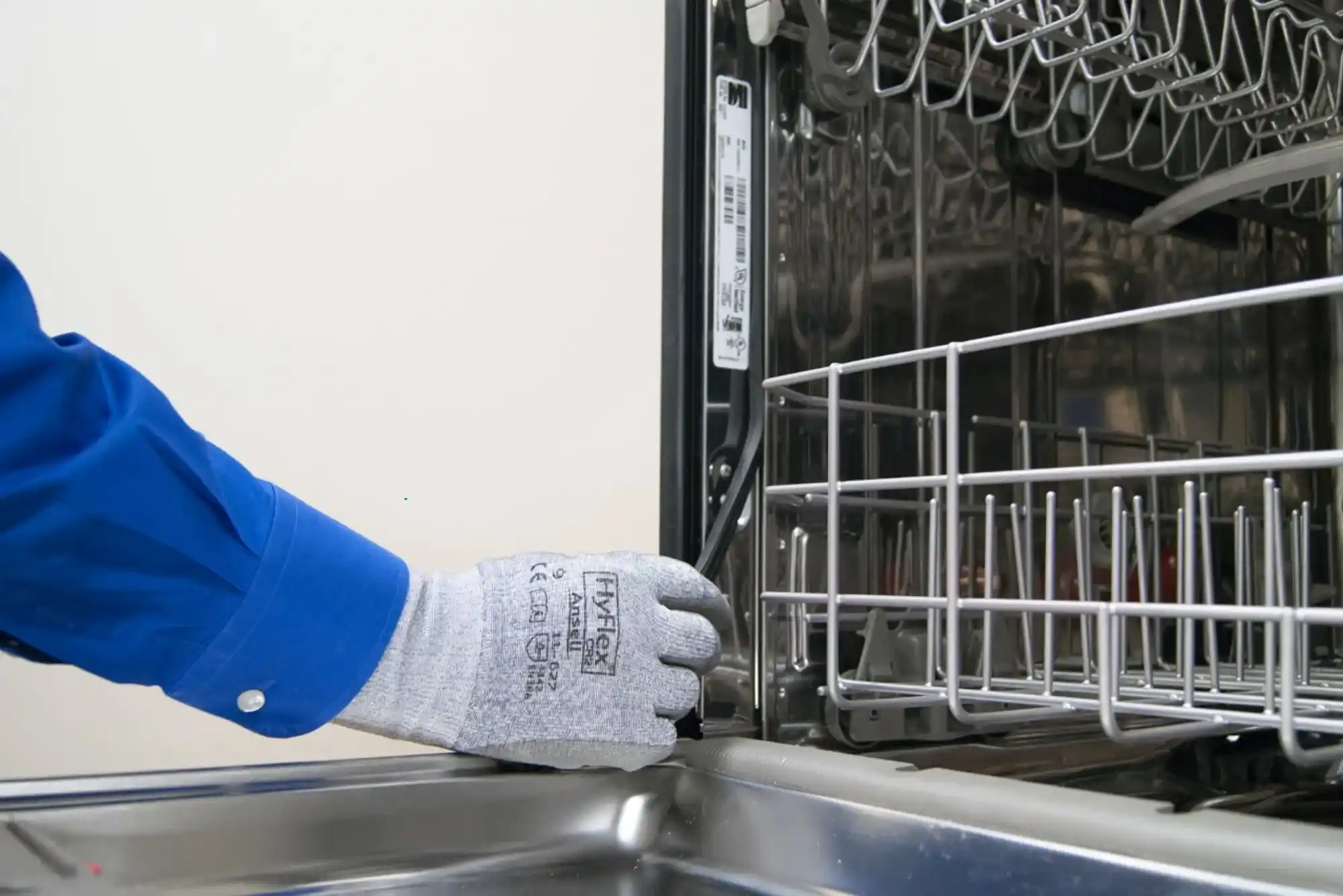
Rubber seals, also known as gaskets, are fitted around the dishwasher’s door and other connection points to create a watertight barrier. Their job is to ensure that water stays inside the unit during cycles, preventing leaks onto the floor. Additionally, these seals help maintain pressure within the dishwasher, ensuring water jets operate at the right force to remove food residues. Without properly functioning seals, water leakage, noise, and inefficiency become common issues.
The seals also play a role in maintaining energy efficiency. By keeping the door tightly closed, they prevent hot water and steam from escaping, reducing energy waste and allowing the dishwasher to clean more effectively.
Common Signs of Worn-Out Seals
Although rubber seals are designed to last for several years, they are constantly exposed to hot water, detergents, and steam. Over time, these conditions cause them to harden, crack, or lose elasticity. One of the earliest signs of seal deterioration is water pooling around the base of the dishwasher after a cycle. Even a small puddle indicates that the seal is no longer providing a perfect barrier.
Another sign is visible wear, such as cracks, splits, or areas where the seal has flattened. A healthy rubber seal is usually flexible and smooth, while a damaged one may feel brittle or sticky to the touch. In some cases, food particles or soap residue can accumulate in cracks, leading to unpleasant odors.

Noise can also indicate failing seals. If the dishwasher sounds louder than usual or produces rattling noises, it may be because the door is not sealing tightly. This gap allows sound to escape, reducing the appliance’s quiet performance.
Impact of Ignoring Worn Seals
Delaying seal replacement can lead to bigger and more expensive problems. Water leakage, even if minimal, can damage kitchen floors, cabinets, and nearby walls. Continuous leaks also encourage mold growth, which poses health risks. Over time, accumulated moisture can cause wood flooring to warp or laminate surfaces to bubble, requiring costly repairs.
Beyond water damage, compromised seals reduce the dishwasher’s ability to clean effectively. Water pressure may drop, meaning dishes come out with residue, grease, or spots. Inconsistent cleaning results in running additional cycles, which wastes both water and electricity. This not only increases utility bills but also puts extra strain on the appliance’s motor and pump, shortening its lifespan.
When to Replace Rubber Seals
Replacement should be considered as soon as you notice performance issues or visible damage. For most dishwashers, seals last between five to seven years, though heavy use may shorten this period. If you frequently run multiple loads daily, the seals are exposed to more wear, requiring earlier replacement.
Another important consideration is odor. If your dishwasher smells even after thorough cleaning, worn seals may be the culprit. Cracks and gaps can trap food particles and moisture, creating a breeding ground for bacteria and mold. Replacing the seals eliminates these hidden contaminants and restores freshness.
Homeowners should also schedule replacement if they notice the dishwasher door feels loose or doesn’t close with the same firmness as before. A snugly closed door is essential for proper performance, and faulty seals prevent that tight fit.
Professional Replacement vs. DIY
Some homeowners attempt to replace dishwasher seals themselves, especially since replacement parts are widely available. While this may seem like a cost-saving solution, it requires precision to ensure the new seal is fitted correctly. An improperly installed seal may not provide a complete barrier, leading to persistent leaks.
Professional replacement ensures that the seal is installed properly and that no underlying issues, such as misaligned doors or warped surfaces, go unnoticed. Technicians also clean the surrounding area, removing debris or residue that could compromise the new seal’s effectiveness. By choosing professional service, homeowners save time and reduce the risk of repeated repairs.
Maintaining Dishwasher Seals for Longer Life
Even though replacement is inevitable, proper maintenance can extend the lifespan of rubber seals. Regularly wiping them with a damp cloth helps remove detergent residue, food particles, and grease. Avoid using harsh chemicals, as they can dry out the rubber and cause premature cracking. A mild solution of warm water and vinegar is often sufficient for cleaning.
It is also advisable to keep the dishwasher door slightly open when not in use. This allows airflow, preventing moisture buildup that encourages mold and mildew on the seals. Additionally, inspecting the seals once every few months helps catch early signs of damage before they worsen.
The Role of Professional Services
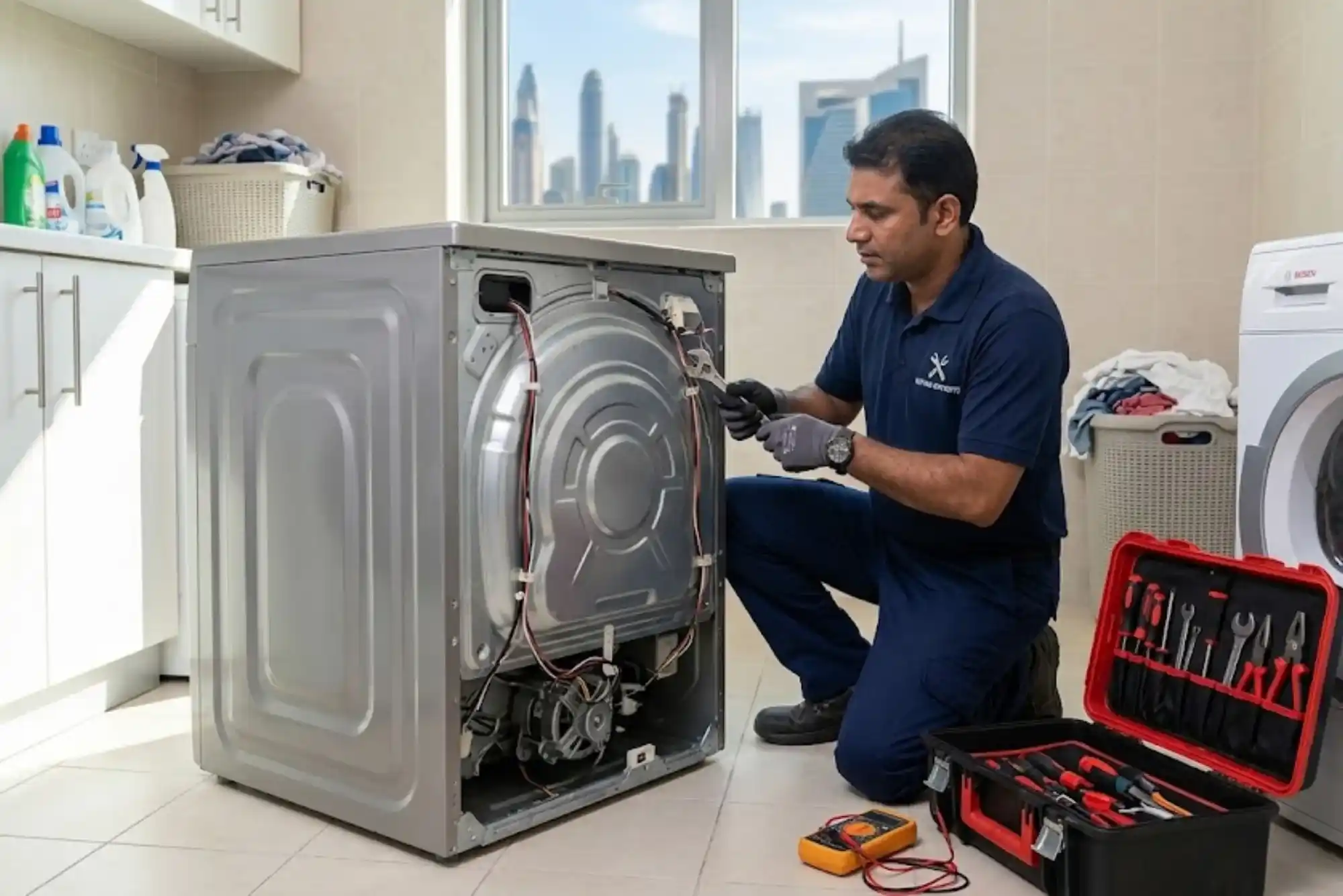
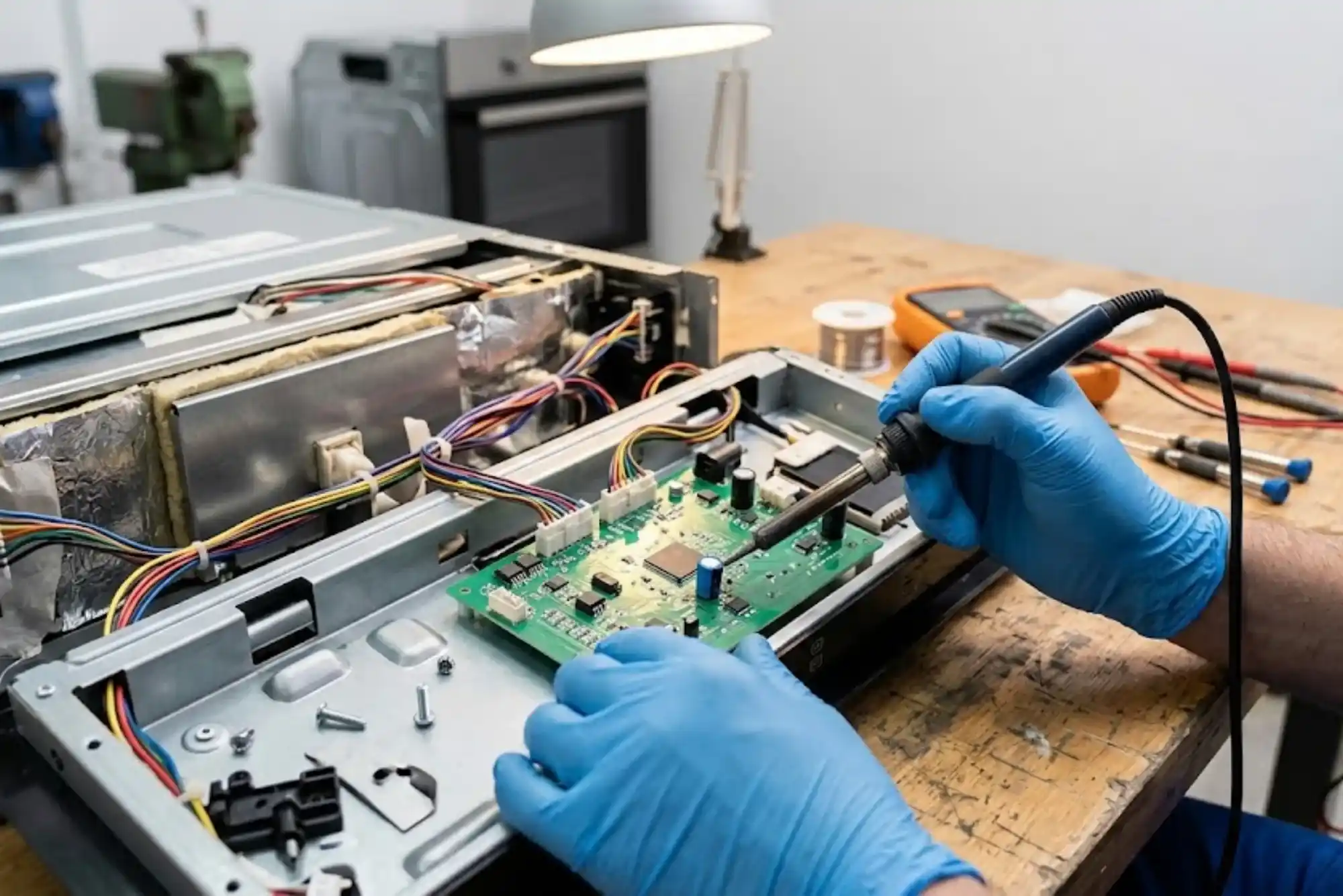
When you rely on professional home appliance repair services, you gain access to experts who can quickly identify whether seals need replacement or if another issue is affecting performance. Professionals not only replace seals but also inspect the dishwasher for other potential problems, such as pump malfunctions, clogged spray arms, or drainage issues. This comprehensive approach ensures your appliance runs at its best and avoids unexpected breakdowns.
For homeowners in Dubai, services like hafixer home appliances repair Dubai provide specialized care for dishwashers and other appliances. Their trained technicians ensure quick, reliable replacement of seals, restoring efficiency and preventing costly water damage. By investing in professional service, you protect both your appliance and your home environment.
Rubber seals may seem like a small part of your dishwasher, but their importance cannot be overstated. They keep water contained, maintain cleaning power, and preserve energy efficiency. Over time, however, seals wear out, and ignoring them can lead to leaks, odors, poor cleaning, and even structural damage to your kitchen.
Knowing the signs of worn seals and replacing them promptly ensures your dishwasher continues to deliver spotless results while avoiding unnecessary expenses. Whether you choose to handle minor maintenance yourself or rely on professional technicians, the key is not to delay replacement once problems appear.