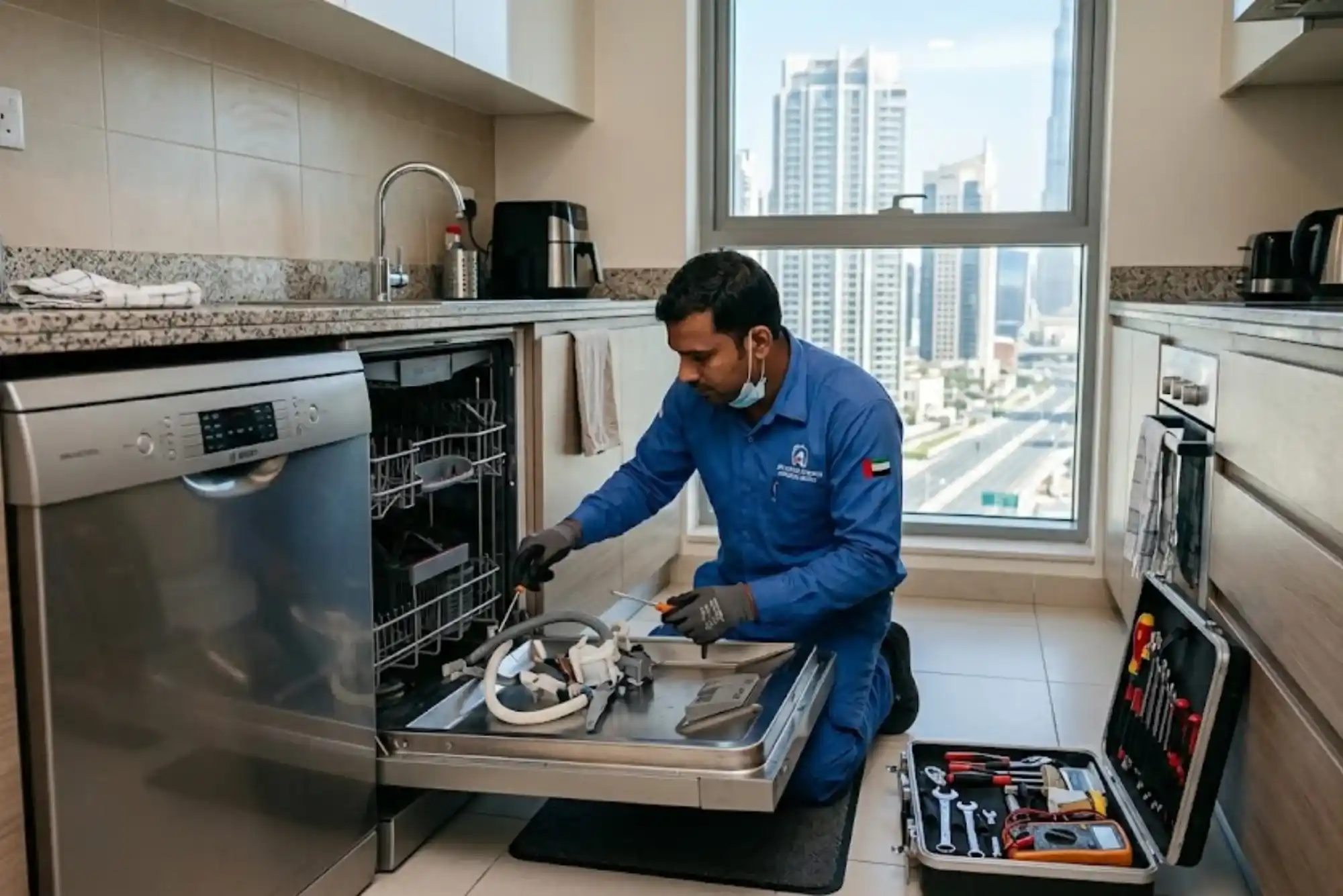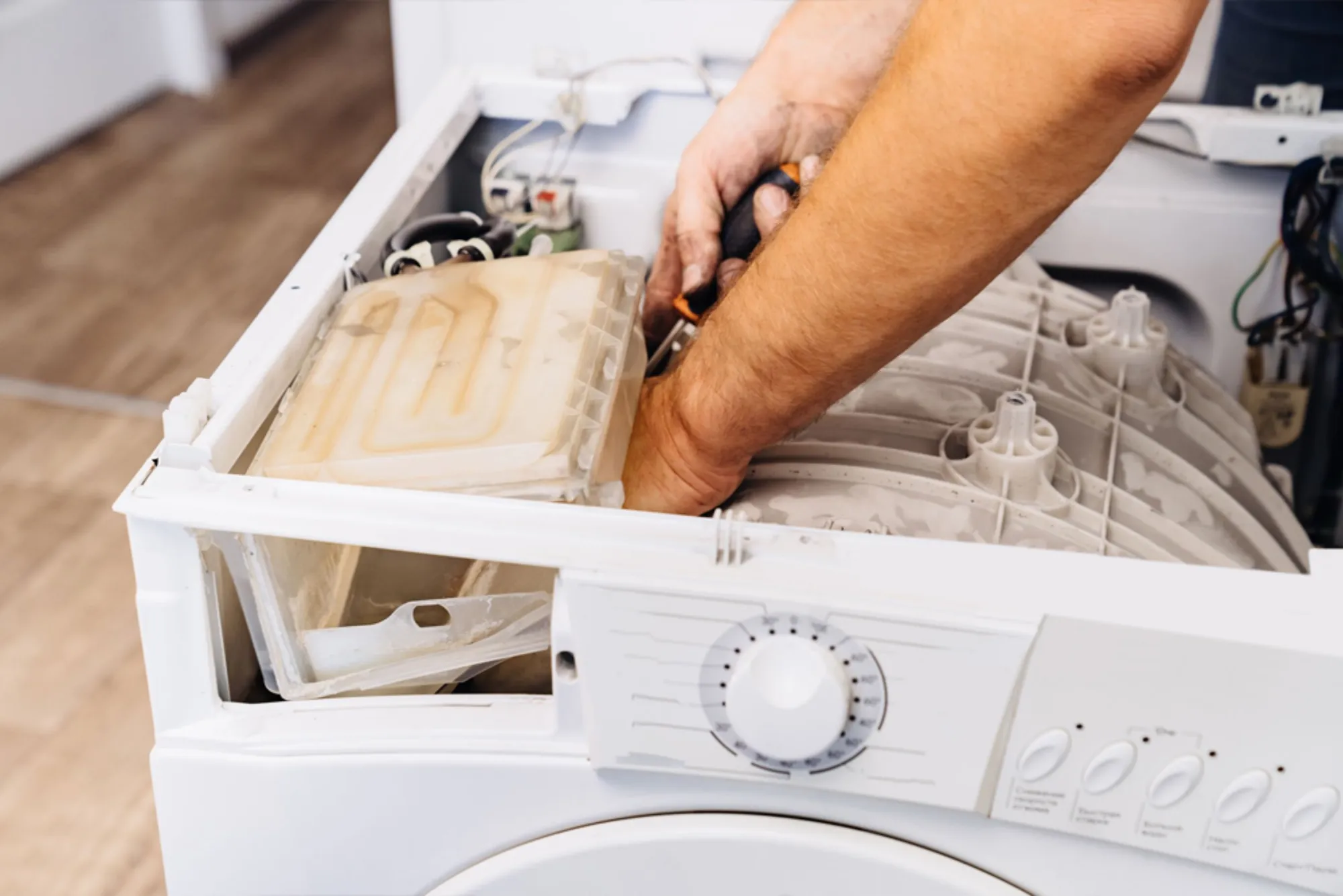
A washing machine service technician plays a critical role in maintaining and repairing one of the most commonly used appliances in modern homes. Washing machines have become an essential part of everyday life, helping households manage laundry efficiently while saving time and effort. However, like any mechanical and electronic appliance, washing machines can develop faults due to continuous use, aging components, or improper maintenance. This is where the expertise of a professional washing machine service technician becomes extremely valuable.
A qualified technician possesses the knowledge and practical skills required to diagnose problems, repair damaged components, and restore the appliance to proper working condition. Through a professional washing machine repair service, technicians ensure that the appliance operates safely, efficiently, and reliably. Their work not only helps homeowners avoid the cost of replacing an entire machine but also extends the lifespan of the appliance through proper maintenance and repair.
Role and Responsibilities of a Washing Machine Service Technician
The role of a washing machine service technician involves much more than simply fixing a malfunctioning appliance. These professionals are responsible for inspecting the machine, identifying technical issues, and implementing effective repair solutions. A technician must understand both mechanical and electronic systems because modern washing machines combine motors, sensors, control boards, water pumps, and electronic programming.
When a washing machine stops working properly, a technician carefully evaluates the symptoms reported by the user. The technician then performs a technical inspection to locate the exact source of the problem. This may involve testing electrical components, examining the drum and motor assembly, checking water inlet valves, or inspecting drainage systems.
After identifying the fault, the technician performs the necessary repairs or replaces damaged parts. In many cases, a washing machine repair service includes preventive maintenance to ensure the machine continues working smoothly in the future. This process requires attention to detail, technical expertise, and the ability to work safely with electrical appliances.
Importance of Professional Washing Machine Repair Service
Professional washing machine repair service is essential for maintaining the efficiency and reliability of the appliance. Many homeowners attempt basic troubleshooting when their washing machine stops functioning properly. However, without technical knowledge, it can be difficult to identify the exact cause of the problem. Incorrect repairs may even cause additional damage to the machine.

A professional washing machine service technician understands the internal structure of various washing machine models and brands. Their training allows them to identify hidden problems that may not be visible to the average user. Through professional diagnosis and repair, technicians can restore the machine’s performance while ensuring safety and long-term functionality.
Another important advantage of professional washing machine repair service is the use of proper tools and genuine replacement parts. Certified technicians typically follow manufacturer guidelines, ensuring that the repair process meets professional standards. This approach reduces the risk of recurring issues and improves the overall durability of the appliance.
Skills and Expertise Required for a Washing Machine Service Technician
A washing machine service technician must possess a combination of technical knowledge, problem-solving ability, and hands-on experience. Modern washing machines include advanced electronic systems that require technicians to understand circuit boards, sensors, and digital control panels. At the same time, they must also be familiar with traditional mechanical components such as belts, motors, and bearings.
Technical training is essential for performing accurate repairs. Many technicians receive specialized education in appliance repair, which includes studying electrical systems, troubleshooting techniques, and equipment maintenance. This training allows them to handle different types of washing machines, including front-load, top-load, and fully automatic models.
In addition to technical knowledge, communication skills are also important. A professional technician must clearly explain the problem to the customer and describe the repair process. This helps build trust between the service provider and the customer while ensuring transparency during the repair service.
Common Issues Handled by Washing Machine Service Technicians
Washing machines can experience a variety of technical problems over time. Some issues may appear suddenly, while others develop gradually due to wear and tear. A washing machine service technician is trained to identify and resolve these issues efficiently.
One common problem is when the washing machine fails to start or respond to commands. This issue may be caused by electrical faults, a damaged control panel, or wiring problems. A technician examines the electrical system to determine the exact cause and perform the required repairs.
Another frequent issue involves water drainage problems. If the washing machine fails to drain properly, it can interrupt the washing cycle and leave clothes soaked with water. A technician inspects the pump, drainage hose, and internal filters to restore proper water flow.
Noise and vibration during operation are also common concerns. These problems may occur due to worn bearings, loose components, or an unbalanced drum. A professional washing machine repair service carefully inspects the mechanical structure of the machine to eliminate the source of the noise and restore smooth operation.
The Repair Process Followed by Professional Technicians
A professional washing machine service technician follows a structured repair process to ensure accurate results. The process typically begins with a detailed inspection of the appliance. During this stage, the technician observes the machine’s behavior, checks error indicators, and performs diagnostic tests.
Once the problem is identified, the technician explains the issue to the customer and outlines the required repair solution. Transparency during this stage helps customers understand the condition of their appliance and the steps needed to restore it.
The next stage involves repairing or replacing faulty components. This may include installing a new motor part, fixing electrical wiring, cleaning clogged drainage systems, or adjusting mechanical components. A professional washing machine repair service always ensures that replacement parts meet quality standards and are compatible with the specific machine model.
After completing the repair, the technician conducts a full operational test. This step ensures that the washing machine functions properly and completes its washing cycles without errors. The technician may also provide maintenance recommendations to prevent future issues.
Benefits of Hiring a Professional Washing Machine Service Technician
Hiring a professional washing machine service technician provides several benefits for homeowners and businesses. One of the most significant advantages is accurate problem diagnosis. Because technicians have experience with many appliance models, they can quickly identify faults and apply effective repair solutions.
Professional washing machine repair service also improves safety. Washing machines involve both electricity and water, which can create hazardous situations if handled incorrectly. A trained technician follows safety procedures to prevent electrical risks and ensure the appliance operates securely.
Another important benefit is cost efficiency. Repairing a washing machine is usually more affordable than replacing it entirely. By fixing the damaged components and restoring the machine’s performance, a technician helps extend the lifespan of the appliance and reduce long-term expenses.
Preventive Maintenance and Long-Term Performance
Preventive maintenance is an important aspect of a washing machine repair service. A washing machine service technician not only fixes current problems but also checks for potential issues that could develop later. This proactive approach helps maintain the appliance’s performance over time.
Regular maintenance may include cleaning internal filters, inspecting hoses and connections, checking the drum balance, and verifying that electronic components function properly. These inspections help prevent unexpected breakdowns and ensure that the washing machine operates efficiently.
Maintenance services also contribute to energy efficiency. A properly maintained washing machine consumes less electricity and water, which reduces household utility costs. For this reason, many experts recommend scheduling periodic inspections with a professional technician.
The Growing Demand for Washing Machine Repair Services
The demand for washing machine repair service continues to grow as more households rely on automated appliances. In modern urban environments, washing machines are used frequently, which increases the likelihood of mechanical or electrical issues over time.
As technology advances, washing machines are becoming more sophisticated, incorporating smart features and advanced programming. While these innovations improve convenience, they also require specialized technical knowledge for repairs. This trend has increased the importance of skilled washing machine service technicians who can handle modern appliance systems.
Service companies and independent technicians now play an essential role in maintaining household appliances. Their expertise ensures that washing machines remain reliable and functional despite continuous use.
A washing machine service technician is an essential professional in the field of home appliance maintenance. Their technical knowledge, diagnostic skills, and repair expertise ensure that washing machines continue operating efficiently and safely. Through professional washing machine repair service, technicians help homeowners resolve appliance issues, extend the lifespan of their machines, and maintain consistent performance.
Related Reading: The Importance of a Washing Machine Technician Near Me
Related Reading: Local Washing Machine Technician
Related Reading: Common Washing Machine Problems
Related Reading: Washing Machine Not Working Fix Service
Related Reading: Washing Machine Maintenance Service