A washing machine is one of the most essential home appliances, making daily laundry tasks simple and efficient. However, when it starts shaking violently, producing strange noises, or moving during the spin cycle, it can be both alarming and inconvenient. One of the main reasons behind these problems is overloading. Understanding how overloading leads to vibration issues and other mechanical troubles is crucial to maintaining your appliance’s health and ensuring it delivers long-term performance. In this article, we will discuss how washing machine overloading and vibration issues are connected, their consequences, and how professional washing machine repair can restore your unit’s smooth functioning.
Understanding Washing Machine Overloading
Overloading occurs when too many clothes are placed inside the washer drum beyond its recommended capacity. Every washing machine model has a maximum load limit, which ensures optimal water circulation, detergent distribution, and balanced spinning. When that limit is exceeded, the drum becomes imbalanced, putting unnecessary stress on the motor, bearings, and suspension system.
Overloading doesn’t just affect the washer’s cleaning performance; it also shortens the lifespan of crucial components. The motor and belt, which are designed to rotate at specific speeds, struggle under excessive weight, leading to mechanical strain and frequent breakdowns. Moreover, overstuffed loads prevent clothes from moving freely, resulting in incomplete rinsing, detergent residue, and uneven washing.
How Overloading Causes Vibration Problems
When a washing machine is overloaded, the drum cannot distribute weight evenly during the spin cycle. This imbalance creates strong centrifugal forces, making the machine shake violently. The excessive vibration not only causes noise but also risks damaging the floor, nearby furniture, and the internal parts of the washer.
During a normal wash cycle, the drum spins at high speeds to remove excess water from clothes. However, when the load is unevenly distributed, the drum’s center of gravity shifts, causing it to knock against the sides. Over time, this consistent vibration loosens internal bolts, wears out the suspension springs, and damages the shock absorbers. In severe cases, the machine may “walk” or move across the floor, creating potential hazards.
Signs That Your Washing Machine Is Overloaded
Even before your washing machine starts vibrating excessively, there are early warning signs that indicate overloading. One of the most common symptoms is incomplete washing, where clothes come out still soapy or dirty. You may also notice longer spin cycles, excessive noise, and difficulty in the drum rotating freely.

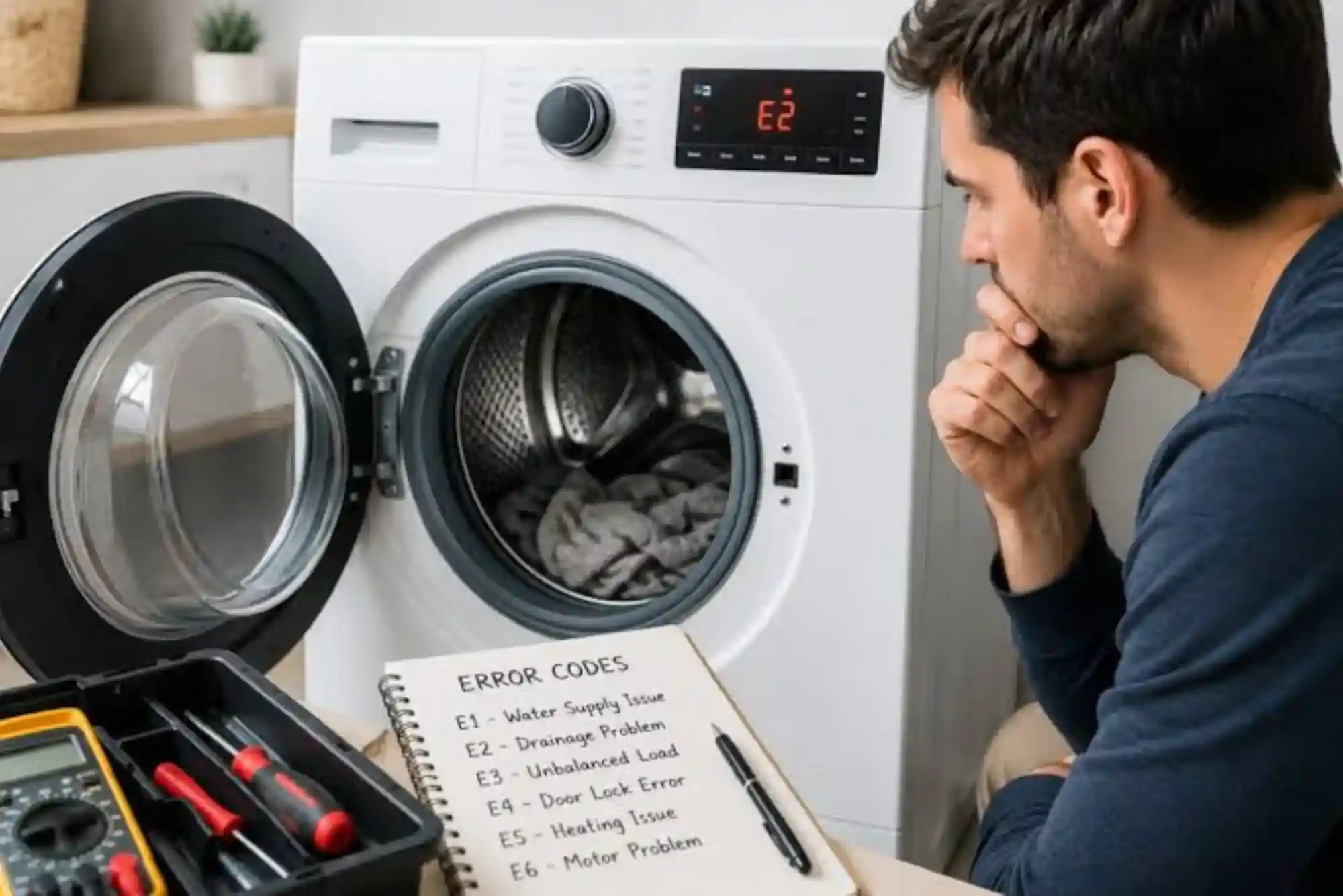
Another sign of overloading is when the machine stops mid-cycle or fails to spin properly. Modern washers have built-in sensors to detect imbalances, automatically pausing the cycle to prevent further damage. However, if overloading continues, these sensors and internal components can wear out, requiring professional washing machine repair to restore functionality.
The Impact of Vibration on Washing Machine Components
Vibration issues may seem minor at first, but their long-term impact can be serious. Constant shaking affects the washer’s suspension system, which includes springs, dampers, and shock absorbers. These parts are responsible for stabilizing the drum and absorbing motion during spinning. When they wear out due to continuous vibration, the washing machine becomes unstable even with normal loads.
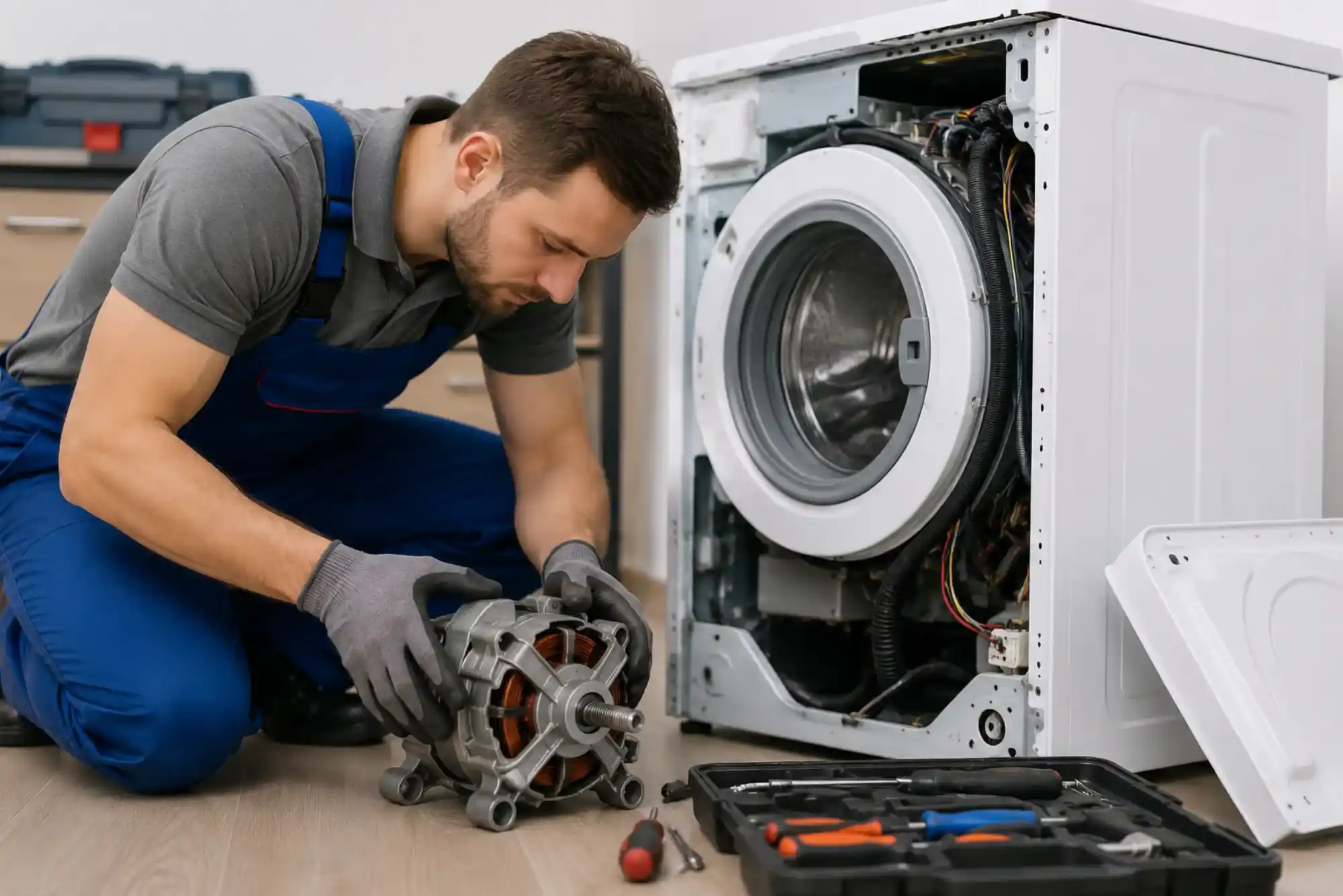
Excessive vibration also damages the drum bearings, which are crucial for smooth rotation. Worn-out bearings can cause grinding noises and reduce the machine’s energy efficiency. Additionally, vibration can loosen the internal wiring, hoses, and connectors, increasing the risk of leaks or electrical failures. Regular inspection and timely washing machine repair can prevent these costly damages and extend the appliance’s lifespan.
How Overloading Affects Washing Performance
Aside from mechanical issues, overloading severely impacts washing performance. When the drum is too full, clothes cannot tumble freely, leading to poor detergent penetration and uneven cleaning. The excess load also reduces the washer’s ability to rinse effectively, leaving detergent residues on fabrics that can irritate sensitive skin.
Furthermore, overloading affects the drying efficiency. The washer fails to extract sufficient water from clothes during the spin cycle, leaving them damp and requiring extra drying time. This not only wastes energy but also increases wear on fabrics. By avoiding overloading, you can improve washing results and reduce the strain on your appliance.
Preventing Overloading and Vibration Issues
Preventing overloading starts with understanding your washing machine’s capacity. Always refer to the manufacturer’s manual for load size recommendations. For instance, a 7 kg washer is suitable for medium-sized families and should not exceed that limit. It’s also essential to distribute clothes evenly around the drum, avoiding heavy items clumped on one side.
Using the right amount of detergent also plays a role in maintaining balance. Excessive detergent can create too much foam, affecting the spin cycle and causing imbalance. Additionally, make sure the machine is placed on a level surface. Uneven flooring amplifies vibration, even with properly loaded drums. Using anti-vibration pads under the legs of the machine can help stabilize it and reduce movement during operation.
The Role of Professional Washing Machine Repair
When vibration issues persist despite following preventive measures, it’s time to seek expert help. Professional technicians can diagnose whether the problem is due to overloading damage or worn-out components. They can inspect and replace parts such as suspension springs, bearings, and shock absorbers to restore the machine’s balance.
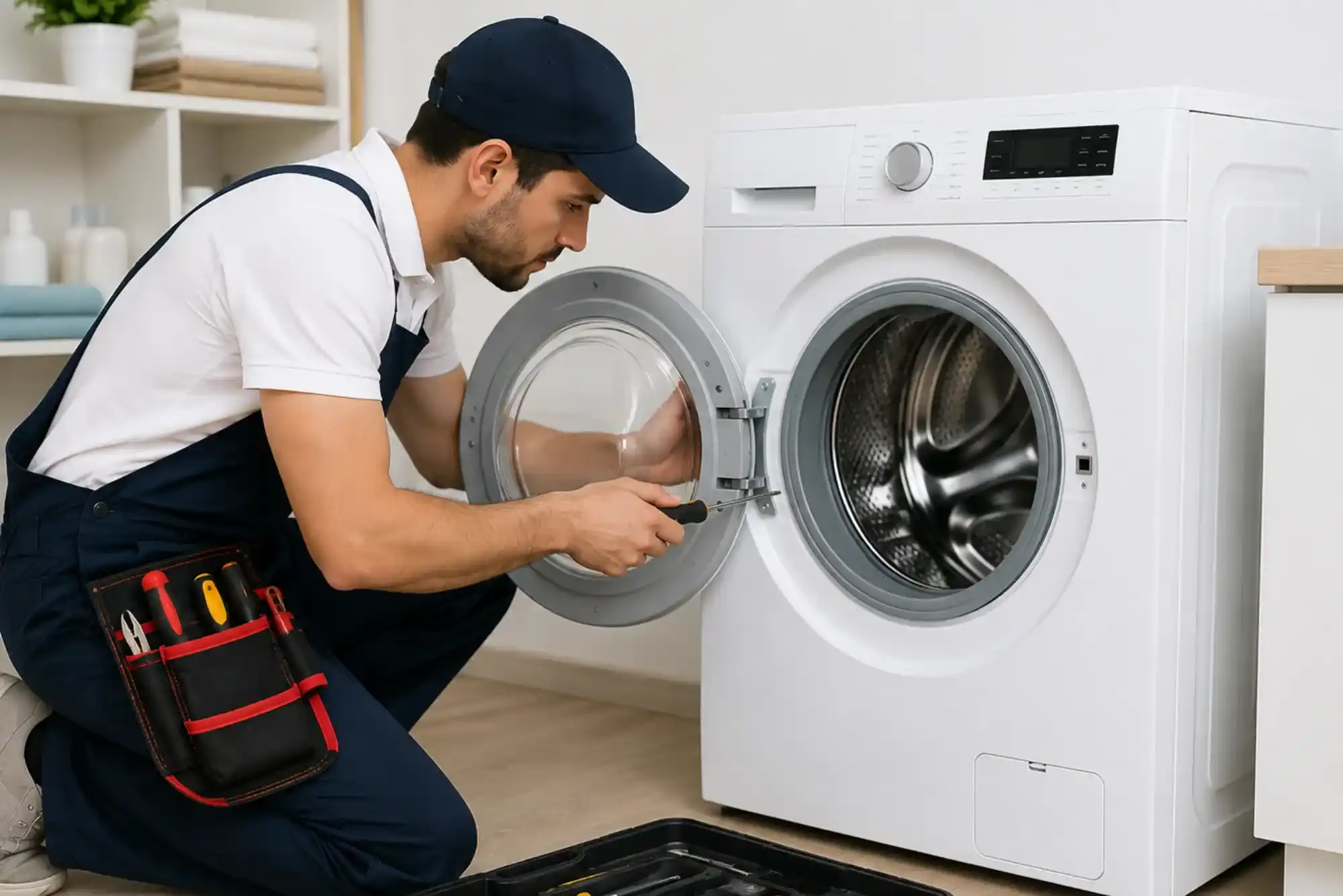
A skilled washing machine repair service ensures that the appliance is recalibrated properly. This involves leveling the washer, tightening loose bolts, and checking for internal wear. Professionals also test the motor and drum alignment to make sure the machine operates smoothly without noise or shaking. Regular servicing by experts not only resolves current issues but also prevents future breakdowns.
Long-Term Benefits of Proper Maintenance
Proper maintenance goes beyond just preventing vibration. It enhances your washing machine’s efficiency, reduces energy consumption, and ensures thorough cleaning performance. Regularly checking and cleaning the drum, filters, and hoses helps avoid blockages that can worsen vibration. Additionally, timely washing machine repair ensures small issues don’t escalate into major faults requiring expensive replacements.
Maintaining a consistent balance between load size and performance helps protect your investment. It’s better to run two smaller loads than one oversized load, as this keeps the washer in good condition for years. A well-maintained washing machine not only saves time and energy but also delivers spotless laundry every time.
Washing machine overloading and vibration issues are closely linked, and ignoring them can lead to serious appliance damage. Overloading puts immense pressure on the machine’s motor, bearings, and suspension system, resulting in noise, imbalance, and long-term mechanical wear. Understanding these problems and addressing them early ensures smooth operation and reliable performance.
By using your washer within its recommended capacity and scheduling regular washing machine repair and maintenance, you can prevent vibration issues and extend its lifespan. Taking these proactive steps guarantees that your washing machine continues to perform efficiently, saving you both time and money while delivering perfectly clean clothes every wash cycle.