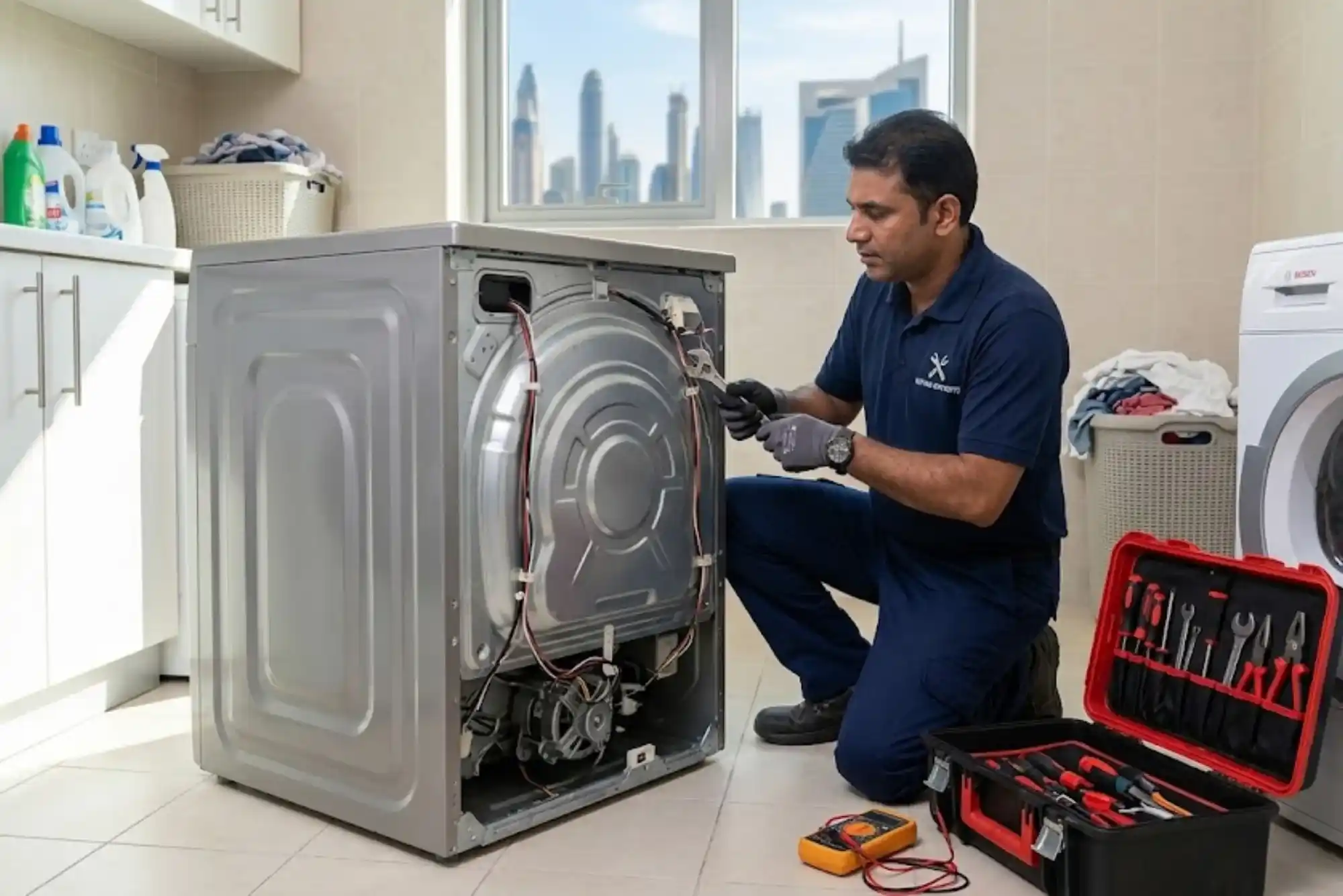
Washer water leakage is one of the most common and frustrating problems homeowners face with washing machines. Even a small leak can lead to damaged flooring, mold growth, and higher water bills if it is not addressed quickly. Proper washer water leakage troubleshooting helps identify the root cause before the issue becomes costly. Understanding how your washing machine handles water during each cycle is essential for recognizing why leaks occur and how they can be prevented through timely repair and maintenance.
A washing machine uses multiple hoses, valves, seals, and internal components to control water intake and drainage. When any one of these parts begins to wear out or malfunction, water can escape from areas where it should remain sealed. Professional washer water leakage troubleshooting focuses on observing when the leak occurs, where the water appears, and how frequently the issue repeats. These factors play a critical role in narrowing down the exact cause of the leakage.
Understanding How Washing Machines Handle Water
To perform effective washer water leakage troubleshooting, it is important to understand how water flows through the washing machine. During the wash cycle, water enters the machine through inlet hoses connected to the household water supply. The water is regulated by inlet valves before reaching the drum. Once inside, the water mixes with detergent and agitates clothing to remove dirt. At the end of the cycle, the water drains out through a pump and drain hose.
Leaks can occur at any stage of this process. Some leaks happen while the washer is filling, others during agitation, and some only appear when the machine is draining. Recognizing the timing of the leak is one of the most reliable ways to identify the source. Washer water leakage troubleshooting often begins by observing whether the leak appears immediately, gradually, or only after several minutes of operation.
Common Signs That Indicate Washer Water Leakage
Water pooling near the washing machine is the most obvious sign of leakage, but there are other indicators that should not be ignored. Damp walls, warped wooden flooring, or a persistent musty odor near the washer can suggest slow or hidden leaks. In many cases, washer water leakage troubleshooting reveals that the problem has been developing over time rather than appearing suddenly.
Unusual noises during operation may also point to internal water issues. If water reaches electrical components or bearings due to leakage, the machine may produce grinding or humming sounds. These symptoms often indicate a more serious problem that requires immediate attention to avoid further damage to the washer and surrounding areas.

Causes of Water Leakage During the Fill Cycle
One of the most frequent scenarios in washer water leakage repari troubleshooting involves leaks that occur while the machine is filling with water. Inlet hoses are under constant water pressure and are prone to cracking, loosening, or bulging over time. A small tear in a hose can cause water to spray or drip behind the machine, making it difficult to detect until visible damage occurs.
Faulty inlet valves can also lead to leaks during the fill cycle. When the valve fails to close properly, water may continue to flow even when the washer is turned off. This condition not only causes leakage but can also lead to overflow issues. Professional washer water leakage troubleshooting includes checking valve functionality and ensuring all hose connections are tightly secured.
Leakage During the Wash and Agitation Cycle
Leaks that appear while the washer is actively washing clothes often indicate issues inside the machine. Door seals or tub gaskets are common sources of leakage in front-loading washers. Over time, these rubber seals can wear out, crack, or collect debris that prevents them from forming a tight seal. Water then escapes during agitation when movement inside the drum is most intense.
In top-loading washers, leaks during the wash cycle may come from a damaged tub seal or internal hose. Washer water leakage troubleshooting at this stage often requires close inspection of internal components, as external signs may be minimal. Ignoring these leaks can lead to water reaching the motor or transmission, causing expensive mechanical failures.
Water Leakage During the Drain Cycle
When water leaks appear near the end of the washing cycle, the drain system is often the source of the problem. Drain hoses can become loose, clogged, or cracked, allowing water to escape as it is pumped out of the machine. Improper installation of the drain hose can also cause water to spill onto the floor instead of flowing smoothly into the drainage system.
A malfunctioning drain pump may also contribute to leakage. If the pump housing is damaged or the seal is worn, water can leak during operation. Effective washer water leakage troubleshooting involves checking the pump area for moisture and ensuring that all drain connections are properly aligned and secured.
The Impact of Overloading and Improper Use
Overloading the washing machine is a common but often overlooked cause of water leakage. When the drum is overloaded, excessive movement and pressure are placed on seals and internal components. This can cause water to splash out or force its way through weakened seals. Washer water leakage troubleshooting frequently identifies overloading as a contributing factor rather than the sole cause of the issue.
Using excessive detergent can also lead to leakage problems. Too much detergent creates excessive suds, which can overflow and leak from the machine. Over time, this can damage seals and hoses, increasing the likelihood of persistent leaks. Proper usage habits play a significant role in preventing water leakage and extending the lifespan of the washer.
Environmental and Installation Factors
The environment in which a washing machine is installed can significantly influence the risk of leakage. Uneven flooring can cause the washer to tilt, leading to improper water distribution and spillage. During washer water leakage troubleshooting, technicians often check whether the machine is level and stable on the ground.
Poor installation practices, such as loosely connected hoses or incorrect drain placement, can also lead to leaks. In many cases, leaks begin shortly after installation due to improper fittings rather than defective components. Addressing these factors early can prevent recurring water leakage issues and reduce the need for repeated repairs.
When to Seek Professional Washer Water Leakage Troubleshooting
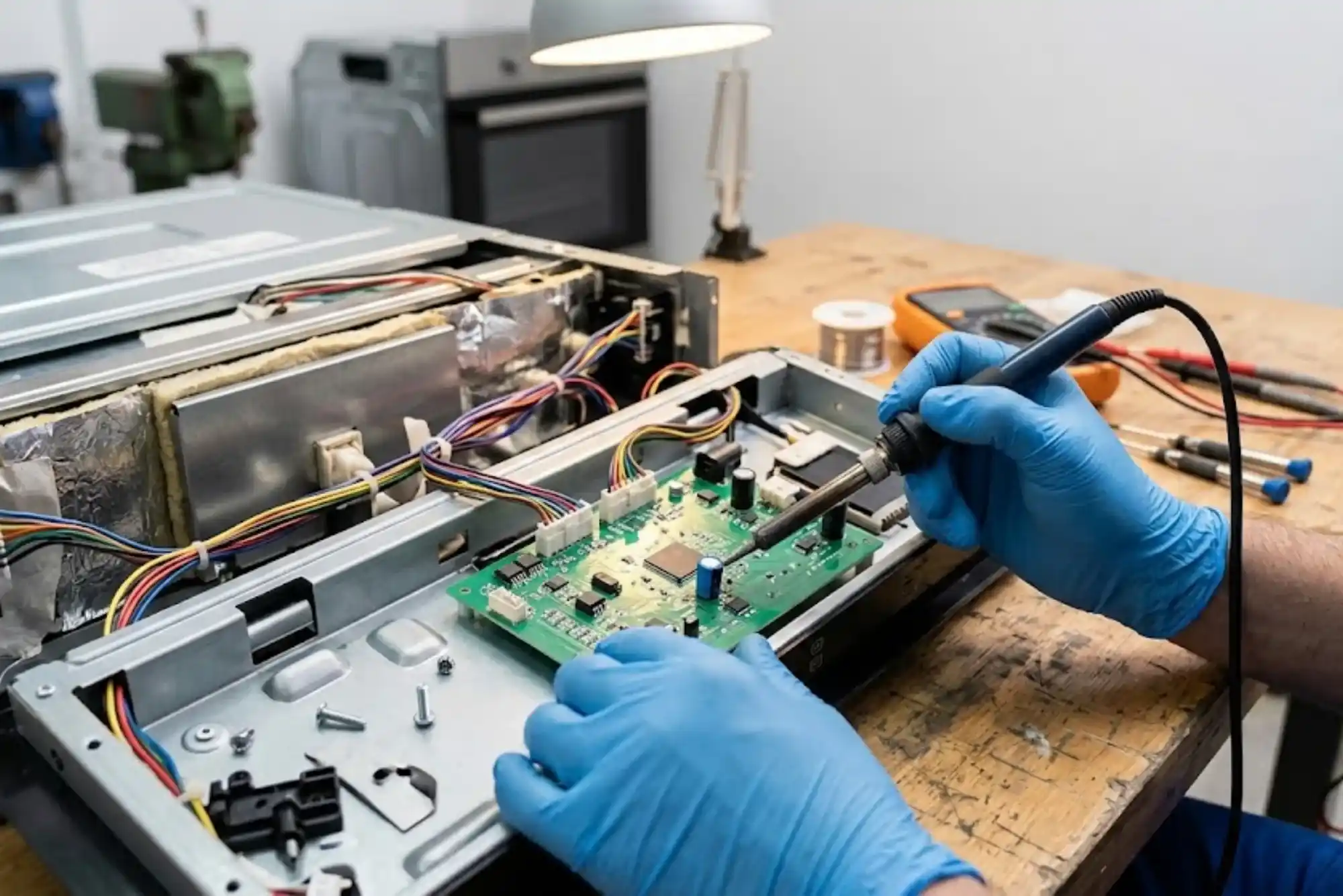
While some minor leaks can be identified visually, many washing machine water leaks require professional expertise to diagnose accurately. Internal leaks, electrical risks, and complex mechanical issues should never be handled without proper training. Professional washer water leakage repair service troubleshooting ensures that the correct component is repaired or replaced, preventing unnecessary expenses and repeated breakdowns.
A qualified technician uses specialized tools to inspect seals, hoses, pumps, and internal connections. They can also test water pressure levels and identify hidden leaks that may not be visible to the homeowner. Timely professional intervention not only resolves the current problem but also helps prevent future leakage issues.
Preventive Maintenance to Avoid Washer Water Leakage
Preventive maintenance is one of the most effective ways to reduce the risk of water leakage. Regular inspection of hoses, seals, and connections helps identify wear before it turns into a leak. Washer water leakage troubleshooting becomes far easier when routine maintenance is performed consistently.
Keeping the washer clean and free of detergent residue also protects internal components. Replacing aging hoses and seals proactively can prevent sudden failures that lead to flooding. By combining proper usage habits with scheduled maintenance, homeowners can significantly reduce the chances of water leakage and extend the overall lifespan of their washing machine.
Washer water leakage troubleshooting is essential for maintaining a safe and efficient laundry environment. Water leaks can originate from multiple sources, including hoses, valves, seals, pumps, and installation issues. Understanding when and how the leak occurs provides valuable clues that help pinpoint the underlying problem. Ignoring even minor leaks can result in serious damage to flooring, walls, and the washing machine itself.