Washing machines have become indispensable in modern homes, offering convenience and efficiency that is hard to match. They handle daily laundry chores, saving both time and effort. Despite their reliability, washers are complex machines with numerous moving parts and electronic systems. Like any appliance, they require consistent care to ensure they continue performing at their best. Washer long-life maintenance care is critical for maintaining functionality, preventing unexpected breakdowns, and extending the overall lifespan of the machine. Understanding the strategies for proper maintenance can help homeowners avoid costly repairs and enjoy uninterrupted service from their washing machine.
Why Washer Maintenance Is Crucial
Maintaining a washing machine goes far beyond simple cleaning. Washers operate through a combination of motors, belts, pumps, sensors, and electronic controls, all of which are prone to wear over time. Neglecting maintenance can lead to issues such as inefficient washing, water leaks, unpleasant odors, and even complete system failure. Washer long-life maintenance care focuses on keeping every part of the machine in optimal condition. This not only ensures efficiency but also enhances hygiene, as washers that are not maintained can become breeding grounds for bacteria and mold. Moreover, a well-maintained washer reduces energy and water consumption, making it more environmentally friendly and cost-effective in the long run.
The Role of Cleaning in Washer Longevity
A clean washer is essential for long-term functionality. The drum, detergent drawer, door seal, and exterior all need attention. Over time, detergent residues, fabric softeners, and dirt accumulate inside the drum, reducing washing efficiency and causing unpleasant odors. Using natural cleaning agents such as baking soda and vinegar, or specialized washer cleaning solutions, helps to remove buildup. Running a hot water cycle monthly ensures the drum remains fresh and free from grime.
The exterior also requires regular cleaning, as dust and detergent residues can accumulate on control panels and corners, potentially interfering with operation. For front-loading washers, the rubber door seal is particularly susceptible to mold and mildew. Regularly wiping the seal dry and leaving the door slightly open after use prevents moisture accumulation and protects the machine from bacterial growth.
Water Inlet Care and Maintenance
Water is the lifeblood of a washing machine, and the inlet hoses play a vital role in supplying it consistently. Damaged or worn hoses can result in leaks, reduced water flow, or even sudden flooding. Washer long-life maintenance care emphasizes inspecting hoses for cracks, bulges, or signs of wear and replacing them when necessary. Using durable stainless steel hoses provides added reliability compared to standard rubber hoses. Ensuring the connections are tight and leak-free helps maintain the efficiency of water delivery and prevents water damage in the laundry area.
Balancing Loads to Avoid Damage
The way clothes are loaded into a washing machine significantly affects its performance and longevity. Overloading the drum strains the motor and internal components, while underloading can create imbalance issues that cause excessive vibration. Washer long-life maintenance care involves following the manufacturer’s recommendations for load size. Properly balanced loads reduce wear on mechanical parts, improve washing efficiency, and prevent long-term damage to the drum and motor. Taking time to distribute clothes evenly before starting a cycle can make a noticeable difference in both performance and machine lifespan.

Choosing the Right Detergent and Usage
Detergent selection and correct usage are central to maintaining a washer. High-efficiency washers, in particular, require HE detergents to prevent excessive suds that can interfere with the motor and drainage system. Using too much detergent can lead to residue buildup, which clogs internal pipes and reduces washing efficiency. Washer long-life maintenance care requires paying close attention to detergent recommendations, adjusting the amount based on load size and soil level, and occasionally running a rinse cycle to remove residual detergent buildup. Proper detergent use helps preserve the internal components of the washer, ensuring consistent performance over the years.
Addressing Hard Water Challenges
Hard water is a common issue that affects washing machines in many regions. Mineral deposits accumulate inside the machine, particularly on heating elements, hoses, and internal pipes, leading to inefficiency and potential breakdowns. Washer long-life maintenance care includes using water softeners or descaling solutions regularly to prevent limescale buildup. Conducting a descaling cycle every few months is particularly important in areas with hard water. By removing mineral deposits, the washer operates more efficiently, consumes less energy, and avoids damage to critical components.
Ensuring Proper Drainage
Water drainage is a critical aspect of washer operation. Slow or blocked drainage can strain the pump, cause leaks, and even result in motor failure. Washer long-life maintenance care involves checking the drain pump and filters regularly to ensure that water flows smoothly. Any debris, lint, or small objects trapped inside the system should be removed promptly. Testing the drainage system after cleaning confirms that the machine operates correctly, preventing more significant issues down the line. Proper maintenance of the drainage system ensures reliable performance and reduces the risk of water-related damage to the appliance and surrounding area.
Lubrication and Mechanical Care
While many modern washers are sealed units, certain models still have belts, pulleys, and other moving parts that require occasional lubrication. Friction and wear can lead to premature failure if these parts are neglected. Washer long-life maintenance care involves inspecting belts for signs of wear or stretching and applying manufacturer-approved lubricants to necessary components. This ensures smooth operation, reduces strain on the motor, and extends the overall life of the machine. Regular mechanical inspections can prevent minor issues from escalating into costly repairs.
The Value of Professional Servicing
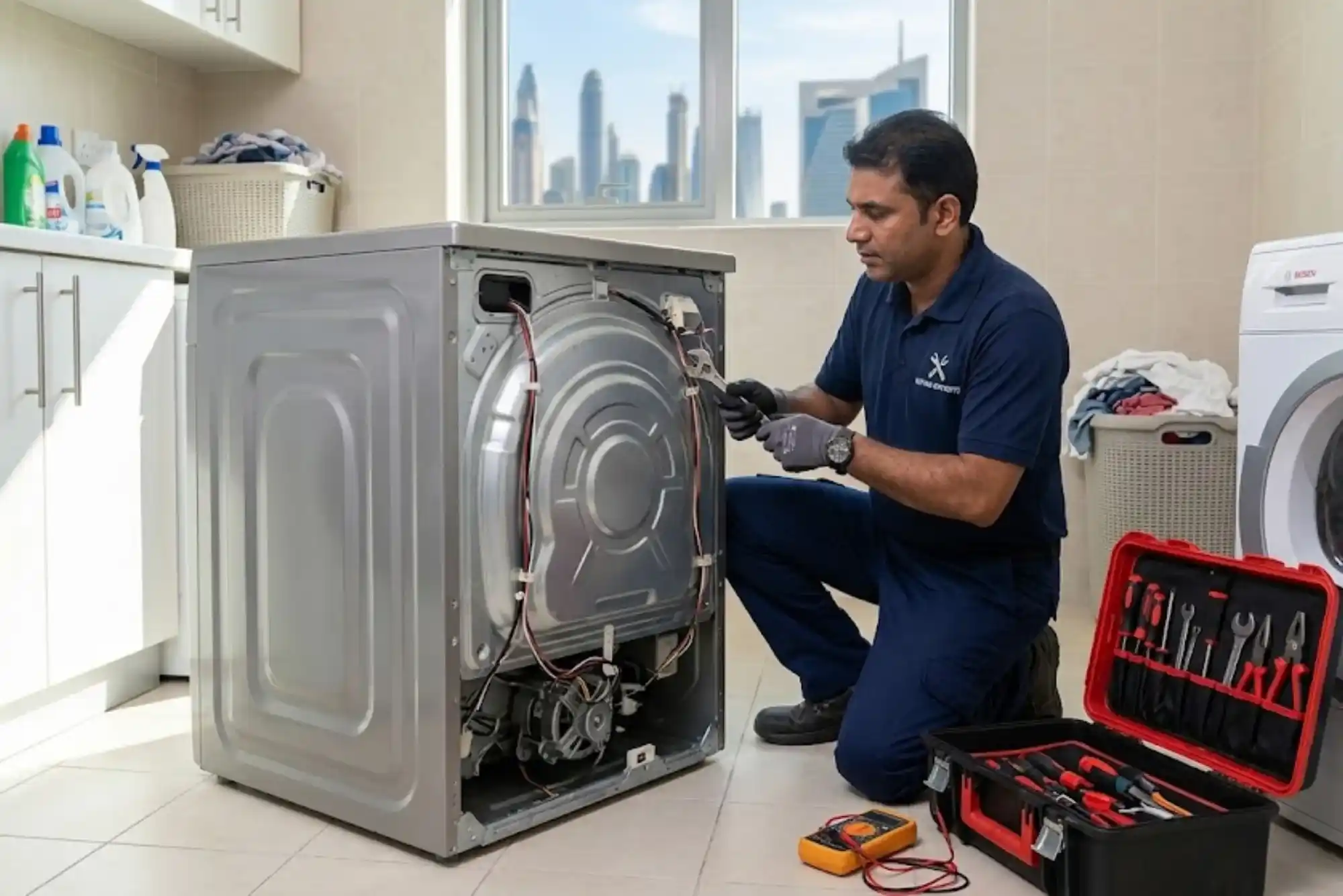
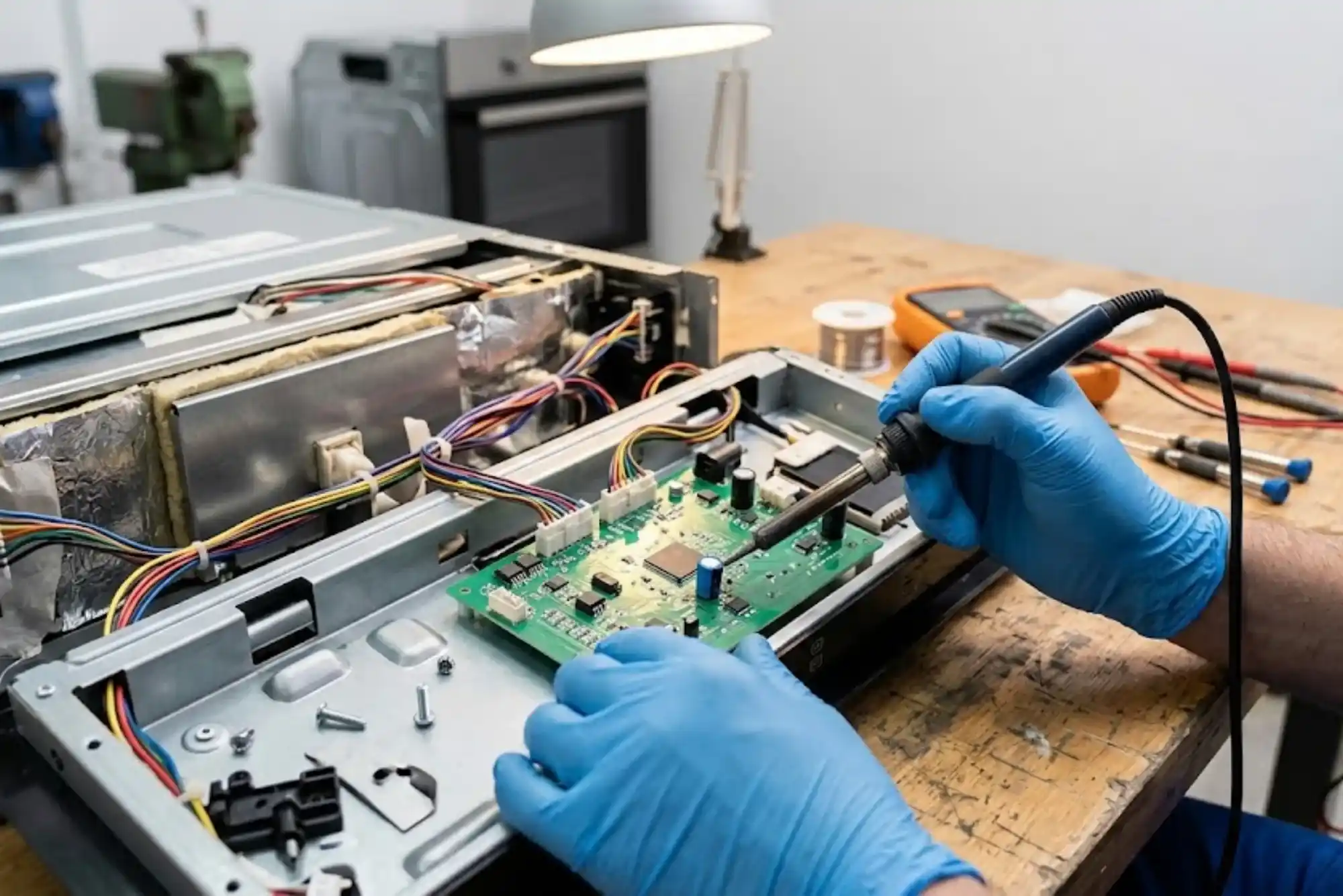
Even with diligent home maintenance, professional servicing is essential for comprehensive washer care. Technicians can access components that are not user-serviceable, such as electrical systems, motors, and control boards. Periodic professional checkups help detect minor problems early, preventing major breakdowns. Scheduling annual or bi-annual professional servicing is a cornerstone of washer long-life maintenance care. It ensures that the machine remains in peak condition, reduces the likelihood of sudden failures, and maximizes the return on your investment in the appliance.
Energy Efficiency Through Maintenance
A well-maintained washer not only performs better but also operates more efficiently. Clean filters, balanced loads, and descaled components all contribute to reduced energy and water consumption. Washer long-life maintenance care emphasizes efficiency as part of overall upkeep. Regular maintenance ensures that the washer uses the least amount of resources necessary, lowering utility bills and contributing to environmentally sustainable practices. Energy-efficient washers that receive proper care can provide years of reliable service without excessive consumption, aligning with modern eco-conscious household goals.
Identifying Early Warning Signs
Even with proper care, washers may occasionally exhibit signs of potential issues. Unusual noises, incomplete drainage, leaks, unpleasant odors, and poor cleaning results can all indicate underlying problems. Recognizing these symptoms early allows homeowners to take corrective action before the issue becomes severe. Washer long-life maintenance care encourages prompt attention to any abnormalities, preventing minor issues from escalating into costly repairs or total appliance failure. Addressing warning signs in a timely manner ensures continuous performance and reliability.
Hygiene and Safety Considerations
Maintaining a washer is not solely about mechanical efficiency; hygiene is equally important. Washers that are not regularly cleaned and maintained can harbor bacteria, mold, and other pathogens. These contaminants can transfer to clothing, posing health risks. Washer long-life maintenance care includes regular cleaning of the drum, detergent compartments, and seals to maintain a hygienic environment. By prioritizing hygiene, homeowners protect both their family’s health and the longevity of the appliance, creating a safe and effective laundry system.
Long-Term Benefits of Consistent Washer Care
Consistent attention to washer maintenance provides numerous long-term advantages. A washer that receives proper care enjoys extended operational life, performs efficiently, reduces energy and water usage, and maintains optimal hygiene standards. Preventive maintenance saves money by avoiding emergency repairs and premature replacements. Furthermore, a well-maintained washer provides peace of mind, ensuring that daily laundry tasks can be completed reliably without unexpected interruptions. The benefits of washer long-life maintenance care are both practical and financial, making it a worthwhile investment for every household.
Washer long-life maintenance care is an essential practice for anyone seeking to protect their investment and enjoy consistent appliance performance. Through regular cleaning, careful attention to water inlets, balanced loading, proper detergent usage, descaling, and professional servicing, washers can remain in excellent working condition for many years.
Maintenance is not just about preventing breakdowns; it is also about efficiency, hygiene, and cost savings. By adopting a comprehensive maintenance routine, homeowners ensure that their washers deliver reliable performance, extend the lifespan of the appliance, and maintain a clean and safe laundry environment. Washer long-life maintenance care is a commitment that pays off in convenience, savings, and peace of mind, making it a cornerstone of responsible home appliance ownership.