Modern kitchens are no longer just about functionality—they are about design, convenience, and performance. Among the essential appliances, the stove takes center stage. Whether you love cooking elaborate meals or simply want reliability for daily use, choosing the right stove design makes a significant difference. Two of the most popular styles—slide-in and freestanding stoves—offer distinct advantages and limitations. Understanding their differences helps homeowners make a practical and aesthetic decision when upgrading or renovating their kitchens.
Understanding the Design Difference
The difference between slide-in and freestanding stoves goes beyond appearance. A freestanding stove is the traditional design most people are familiar with. It has finished sides, a back control panel, and can stand alone or be placed between cabinets. Slide-in stoves, on the other hand, are designed to fit seamlessly between countertops, creating a built-in, customized look. Their controls are typically located on the front, offering a cleaner visual line and easier access while cooking.
This fundamental difference in design affects not only how each unit looks but also how it functions in everyday use. Freestanding stoves are easy to install and replace, making them ideal for homeowners seeking flexibility. Slide-in stoves, however, are more suited to those who prioritize aesthetics and want their kitchen to look integrated and modern.
The Appeal of Freestanding Stoves
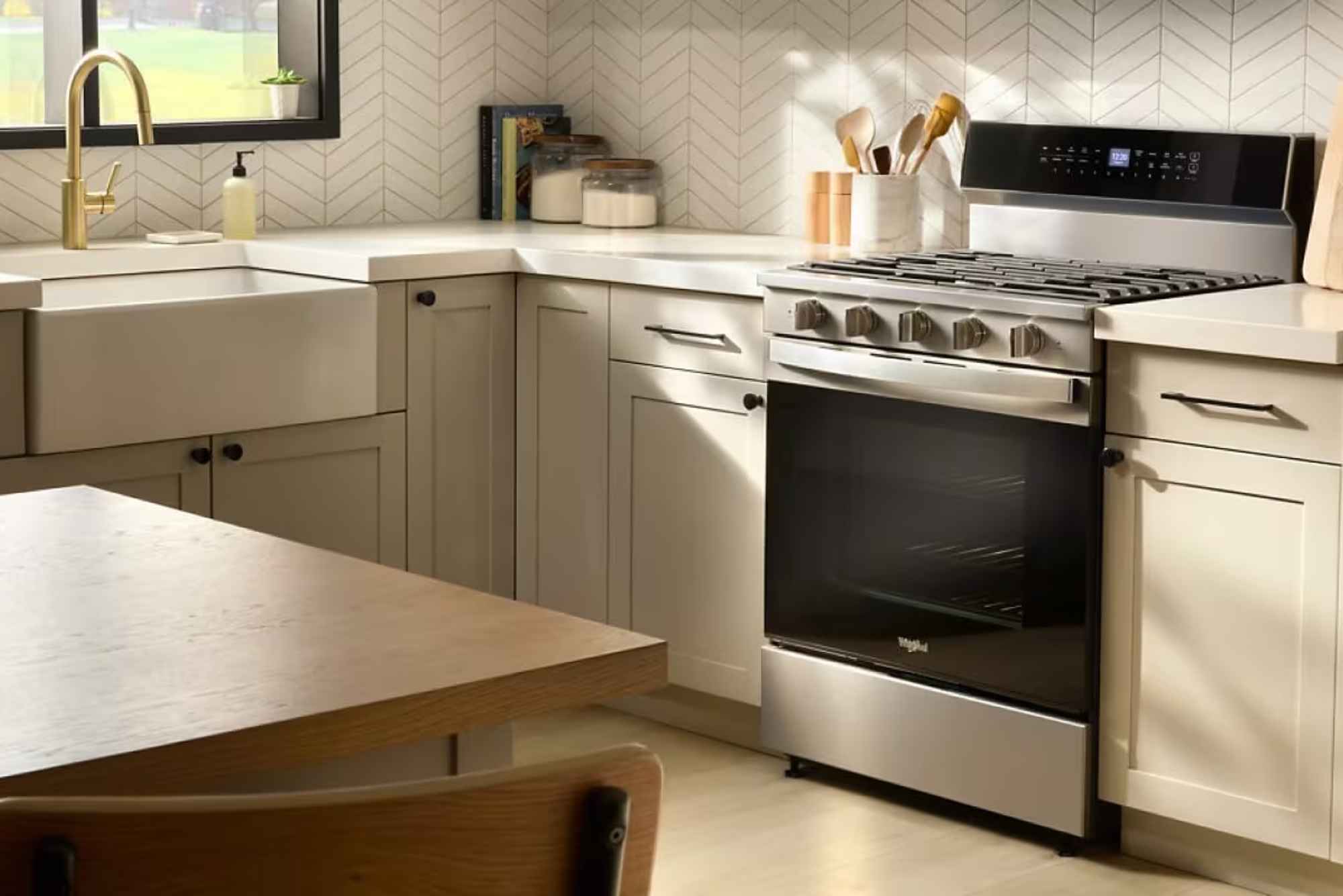
Freestanding stoves are known for their versatility and affordability. Because they are self-contained units, installation is straightforward—just place the stove in the designated space and connect it to the power or gas supply. Their back panel often includes controls for both oven and burners, along with a splash guard that protects the wall from heat and spills.
Another key advantage of freestanding stoves is their wide availability. They come in countless models, fuel types, and price ranges, giving consumers more options to suit their budgets and preferences. For rental properties or temporary homes, they offer practicality since replacing or moving them is easy. However, while these stoves excel in functionality, their design can appear less sleek compared to slide-in models. The raised back panel may interfere with certain backsplash designs or create a more traditional look that some modern homeowners want to avoid.
The Attraction of Slide-In Stoves
Slide-in stoves appeal to homeowners who value design continuity. Their controls are positioned on the front of the appliance, allowing the stove to blend smoothly with surrounding countertops and backsplashes. This design offers a high-end, built-in aesthetic often seen in contemporary kitchens. Without a raised back panel, the entire cooking area feels open and more cohesive, making the space look larger and more elegant.
Another benefit is accessibility. Since the controls are on the front, cooks do not need to reach over hot pots or pans to adjust temperature settings. This detail enhances both safety and convenience. Many modern slide-in models also feature advanced technology, including touch-screen panels, convection cooking, and smart-home integration.
Despite their sophisticated appearance, slide-in stoves can be more challenging to install. They require precise measurements and proper countertop alignment to ensure a flush fit. They also tend to be more expensive than freestanding units because of their design and premium materials.
Performance and Cooking Efficiency
When it comes to performance, both stove types can deliver excellent results depending on the brand and model. Freestanding stoves are often praised for their reliability and straightforward functionality. They are designed for durability, making them a dependable choice for heavy everyday cooking. Slide-in stoves, meanwhile, focus on performance combined with innovation. Many models come with features such as dual fuel capability, self-cleaning technology, and digital temperature control for precise cooking.
From a practical standpoint, the absence of a back panel on slide-in stoves allows heat to distribute more evenly, and their seamless installation reduces gaps where food or grease might accumulate. On the other hand, freestanding stoves are easier to clean on the exterior since they can be pulled out more easily. The choice between the two depends largely on whether convenience, aesthetics, or advanced functionality is your top priority.
Cost and Long-Term Value
Budget is often a major factor in kitchen upgrades. Freestanding stoves generally cost less, making them attractive for homeowners who need reliable cooking appliances without high installation costs. Their affordability also extends to repairs and replacements since parts are widely available and service is straightforward.
Slide-in stoves usually come at a higher price point, reflecting their design sophistication and technological enhancements. However, many homeowners view this as a worthwhile investment because these models elevate the overall appearance and value of the kitchen. In upscale homes or remodels, the sleek integration of a slide-in stove often enhances property appeal. The decision ultimately depends on whether one prioritizes cost-effectiveness or aesthetic enhancement.
Aesthetic Considerations and Kitchen Layout
Kitchen design plays a critical role in determining which stove is most suitable. For modern, open-concept kitchens, slide-in stoves create a more refined look that complements minimalist cabinetry and high-end finishes. They allow continuous countertop surfaces that visually expand the room. Freestanding stoves, however, remain a practical and versatile option for classic or transitional kitchens. Their ability to stand independently makes them ideal for flexible layouts and spaces that may not have custom cabinetry.
Because slide-in stoves require precise fitting, they are often chosen during complete kitchen remodels rather than simple appliance replacements. This ensures that the countertop edges align perfectly and the stove integrates seamlessly into the space.
Making the Right Choice
Choosing between a slide-in and freestanding stove comes down to lifestyle, budget, and personal preference. Those seeking functionality, affordability, and flexibility may find freestanding stoves the best option. For homeowners focused on style, customization, and modern technology, slide-in stoves deliver a premium feel that transforms the entire kitchen atmosphere.
Regardless of the choice, performance and safety should always remain top priorities. Both designs have models that cater to electric, gas, or dual-fuel configurations, offering excellent cooking experiences when properly installed and maintained. Consulting a professional appliance technician or kitchen designer can also help ensure that the chosen model meets the home’s technical and aesthetic requirements.
Both slide-in and freestanding stoves have distinct strengths that cater to different needs. Freestanding models offer convenience, affordability, and ease of installation, while slide-in stoves bring modern design, enhanced safety, and sophisticated features to contemporary kitchens. The right choice depends on balancing function and form—choosing a stove that not only performs well but also harmonizes with the overall design of the space.
In the end, your stove is more than a cooking appliance—it is the centerpiece of your kitchen experience. Whether you prefer the timeless practicality of a freestanding stove or the sleek elegance of a slide-in model, investing in quality and professional installation ensures your kitchen remains both beautiful and efficient for years to come.