Kitchen design continues to evolve as technology, architecture, and lifestyle trends reshape how we cook and live. Among the most debated innovations is the downdraft venting system, a sleek alternative to traditional overhead range hoods. By pulling air and cooking fumes downward through vents integrated into countertops or cooktops, downdraft systems promise an unobtrusive solution that complements open-concept living. Yet, as with many innovations, the reality of downdraft venting is complex, offering both notable advantages and significant drawbacks. Understanding these nuances helps homeowners, designers, and renovators make informed decisions when planning a kitchen that is not only beautiful but also functional.
Redefining Ventilation in the Modern Kitchen
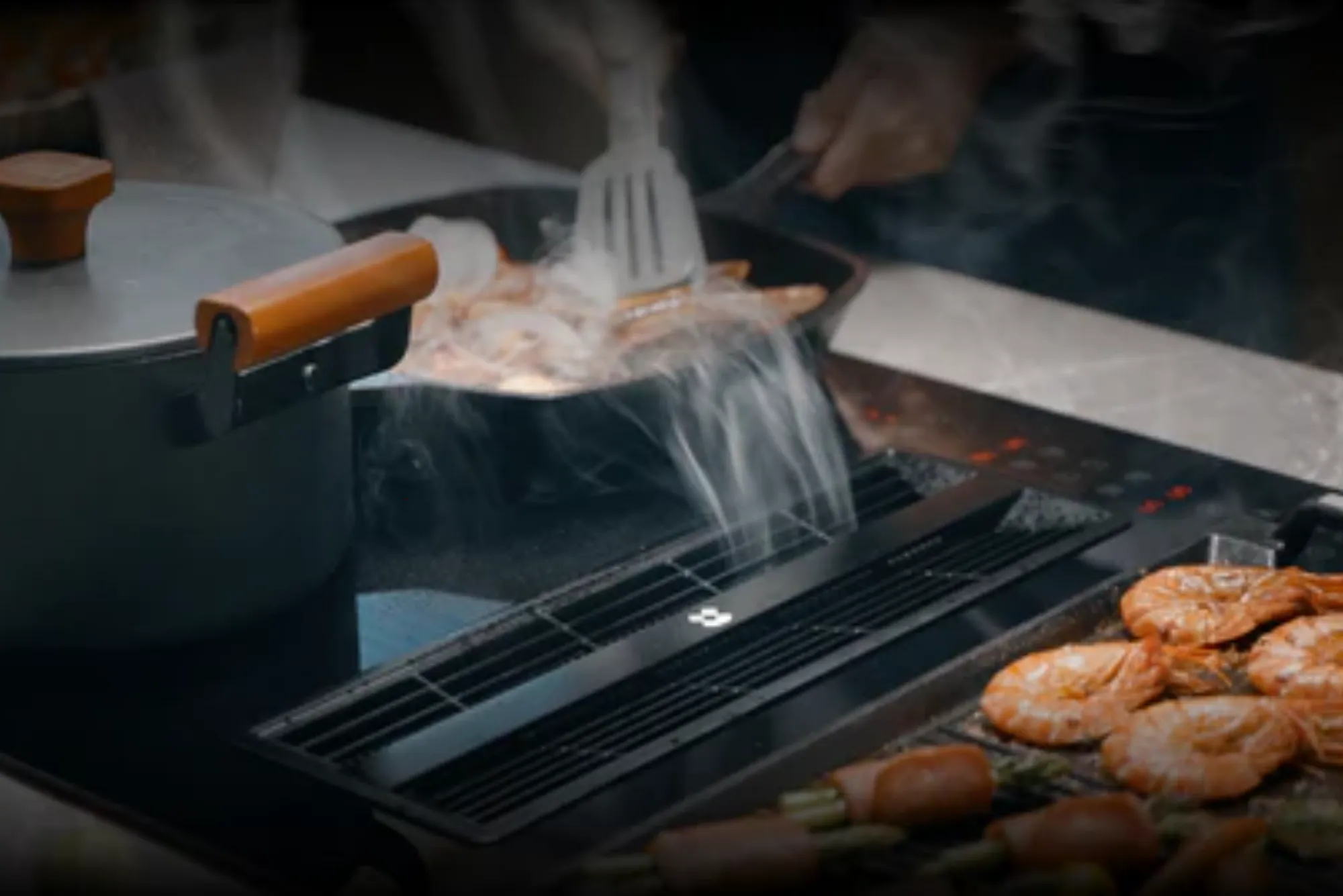
Traditional range hoods have long been the dominant solution for removing heat, smoke, and cooking odors. Their design is straightforward: capture rising steam and fumes, then expel or filter them before they disperse throughout the home. Downdraft venting disrupts this convention by reversing the airflow. Instead of allowing smoke to rise toward an overhead hood, it captures it at the cooking surface, channeling it downward into ducts that vent outdoors or filter it through recirculating systems.
This method arose from both technological ingenuity and shifting design priorities. As open floor plans became popular, homeowners wanted kitchens to integrate seamlessly with living and dining spaces. The bulky appearance of overhead hoods often conflicted with this aesthetic, inspiring manufacturers to engineer less obtrusive solutions. Downdraft systems offer a minimalist look, especially for islands or spaces where an overhead fixture would interrupt sightlines or architectural flow.
Aesthetics and Spatial Considerations
One of the most compelling reasons homeowners gravitate toward downdraft venting is its contribution to a streamlined kitchen aesthetic. The absence of a large hood overhead allows uninterrupted views, clean lines, and greater design flexibility. This feature is particularly valuable in kitchens with vaulted ceilings, glass walls, or island cooktops where installing an overhead system would be structurally complicated or visually disruptive.
In compact spaces, the ability to eliminate a bulky hood can also free up room for cabinetry or lighting. The kitchen feels more open and inviting without an intrusive structure looming above the cooking area. For those seeking a modern, minimalist style, downdraft venting can act as a statement of refined design, where function is seamlessly integrated into form.
Performance and Practical Effectiveness
While aesthetics drive many decisions, performance remains critical when evaluating a ventilation system. Downdraft venting excels in handling lighter cooking tasks, such as simmering sauces, steaming vegetables, or sautéing at moderate heat. For these scenarios, the system effectively pulls odors and steam downward, reducing lingering smells in the home.

However, downdraft systems face inherent challenges due to the physics of airflow. Heat and smoke naturally rise, and reversing this movement requires powerful fans and careful positioning of intake vents. When tackling high-heat cooking, such as searing steaks, deep frying, or stir-frying with a wok, downdraft systems often struggle to capture all fumes before they escape into the kitchen. Large pots or tall cookware can further obstruct airflow, reducing efficiency. While manufacturers continually refine technology with stronger motors and better ducting, many experts agree that downdraft systems rarely match the raw performance of high-quality overhead hoods.
Installation Complexity and Cost Factors
Choosing a downdraft venting system introduces unique installation considerations. Unlike an overhead hood, which primarily requires mounting and ducting overhead, downdraft systems must be integrated into cabinetry, countertops, or cooktops. This often involves custom cabinetry work, specialized ducting that may need to run through floors or tight spaces, and careful coordination during construction or renovation.
The result is typically higher installation costs compared to standard hoods. Homeowners must account for not only the price of the unit but also the additional labor and potential modifications required. In cases where external venting is not feasible, recirculating options are available, though these rely on filters that require ongoing maintenance and may not be as effective at odor removal.
Despite these challenges, some homeowners see the investment as worthwhile, particularly when the goal is to preserve design integrity. The additional expense becomes a trade-off for achieving a specific architectural vision.
Noise and User Experience
Another aspect influencing satisfaction with downdraft venting is noise. Because the system requires strong fans to counteract the natural upward movement of air, motors can be louder than those in traditional hoods. This is especially true at higher speeds, where the unit works hardest to capture smoke from intensive cooking.
User experience varies significantly depending on the model and installation quality. Well-designed systems balance power with noise reduction technologies, offering a more pleasant experience. However, lower-end models or poorly installed units may lead to frustration, as constant loud operation can disrupt conversations or dining experiences in open-plan spaces.
Maintenance and Longevity
Maintenance plays a central role in the long-term viability of downdraft venting. Filters must be cleaned or replaced regularly to ensure optimal performance. Grease buildup can accumulate faster in systems that struggle to capture all particulates, placing more responsibility on the homeowner to maintain airflow efficiency.
Downdraft systems with retractable vents, which rise from the countertop when in use and retract when idle, include moving parts that require upkeep. Over time, motors or mechanisms may wear down, introducing repair costs that homeowners should anticipate. Compared to the relative simplicity of a fixed overhead hood, the mechanical complexity of downdraft systems often translates into higher lifetime maintenance.
Practical Limitations for Cooking Enthusiasts
For serious home chefs who enjoy cooking elaborate or aromatic meals, downdraft venting may prove limiting. Strong flavors from frying garlic, searing meats, or using spices can linger in the home if the system fails to capture odors efficiently. Additionally, certain cooking techniques generate large amounts of smoke or steam that overwhelm the downdraft’s capacity.
This limitation does not mean downdraft venting is inherently unsuitable for passionate cooks, but it does highlight the importance of aligning ventilation choice with cooking habits. Someone who primarily prepares light, low-odor meals may find downdraft systems more than adequate, while others who cook frequently with high heat may prefer the reliability of an overhead hood.
Environmental and Lifestyle Considerations
Beyond performance, lifestyle and environmental factors play a role in decision-making. Downdraft venting aligns with the desire for unobtrusive, integrated appliances that blend seamlessly into multifunctional living spaces. For environmentally conscious homeowners, recirculating options may reduce the need for extensive ductwork, though at the expense of overall performance. Energy use is another consideration, as powerful fans can consume more electricity when operating at high speeds to overcome the natural rise of heat and smoke.
At the same time, downdraft systems cater to those who value versatility and flexibility in their kitchen layout. The ability to position a cooktop on an island without accommodating an overhead hood enables more creative and social designs, supporting lifestyles where the kitchen functions as a hub of entertainment as much as food preparation.
Balancing Design Aspirations with Practical Realities
Ultimately, the decision to install downdraft venting hinges on balancing aesthetic goals with practical realities. The system delivers undeniable design advantages, particularly in modern, open kitchens where clean sightlines and unobtrusive technology are prized. Yet, homeowners must weigh these benefits against potential performance shortcomings, higher installation costs, and ongoing maintenance demands.
For some, the beauty and flexibility of downdraft venting justify the compromises. For others, especially those who cook intensively or prioritize efficiency, traditional overhead ventilation remains the more reliable choice. The key lies in understanding both the promises and the limitations of the system, ensuring that the final decision reflects not just style preferences but also lifestyle needs.
The Future of Kitchen Ventilation
As technology advances, the performance gap between downdraft systems and traditional hoods may narrow. Innovations in fan design, ducting efficiency, and air purification could improve capture rates and reduce noise levels. Smart kitchen integration may further enhance convenience, allowing systems to adjust automatically to cooking intensity. These developments suggest that downdraft venting is not a passing trend but an evolving option that will continue to influence kitchen design.
Homeowners evaluating downdraft venting today must navigate its current strengths and weaknesses, but the future promises systems that better align performance with aesthetic aspirations. Whether as a primary solution or a complement to other ventilation strategies, downdraft venting occupies a unique position in the modern kitchen landscape, challenging conventions while opening new possibilities for design and living.