Air conditioning systems are essential for comfort and productivity in homes and workplaces alike. Among the many components that ensure smooth operation, AC belts and pulleys play a vital role in transferring mechanical energy from the motor to other parts of the system. These components may seem small or insignificant but are crucial for efficient functioning. Over time, they experience wear and tear, which if ignored, can lead to system inefficiencies, frequent breakdowns, and expensive repairs. Recognizing the signs of wear on AC belts and pulleys is key to proactive maintenance and sustaining HVAC performance.
The Critical Role of Belts and Pulleys in Air Conditioning Systems
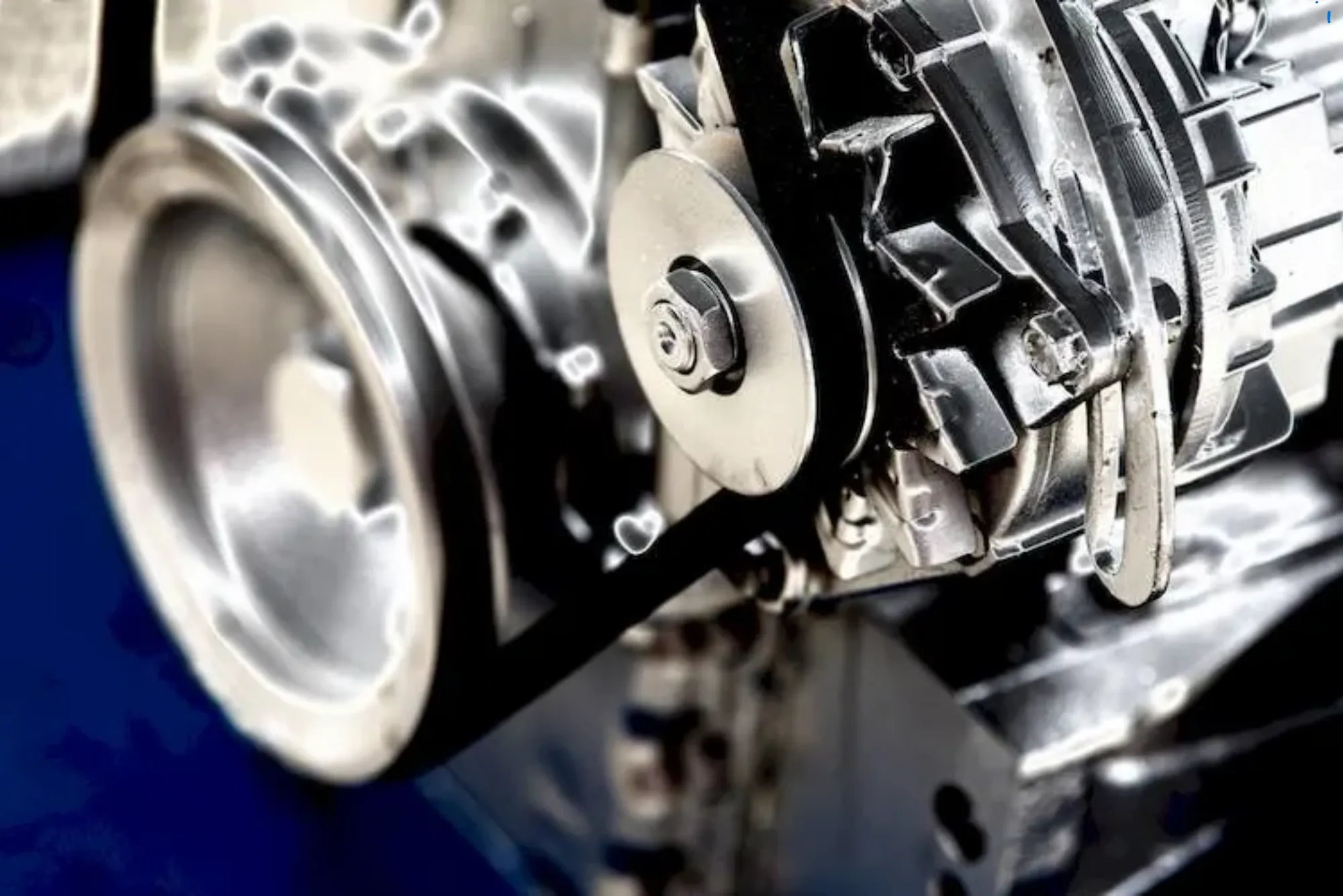
Belts and pulleys in an air conditioning system are responsible for the transmission of power. The belt wraps around the pulleys, linking the motor to the compressor or fan. This mechanism allows the system to operate by circulating refrigerant and moving air efficiently. Any failure in this chain can disrupt cooling performance, cause mechanical damage, or lead to complete system shutdown. Because belts and pulleys work under constant tension and stress, they are prone to gradual degradation.
Visual and Physical Signs of Belt Wear
One of the earliest ways to detect problems is through visual inspection. New belts typically have a smooth, even surface with uniform thickness. As belts age, the material often develops cracks, indicating brittleness. These cracks tend to form on the inner side where the belt bends the most during operation. Fraying edges may also become apparent due to misalignment or excessive tension, suggesting the belt is rubbing against the pulley edges or other surfaces. Another visual cue is glazing, where the belt’s surface appears shiny and hardened, usually caused by slippage and overheating. All these signs indicate the belt’s reduced ability to grip and transmit power effectively.
In addition to visual deterioration, belts may physically stretch over time. This stretching reduces the belt’s tension, causing it to slip on the pulleys. Slippage not only affects cooling performance but also accelerates wear by generating excess heat and friction. A belt that is too loose often results in a squealing noise during operation, which can be an audible warning of impending failure.
How Pulley Wear Manifests and Affects System Performance
Pulleys are equally important in the transmission process, providing the surface around which the belt moves. Wear on pulleys usually manifests as worn or deformed grooves where the belt sits. Over time, the grooves may become uneven or cracked due to constant friction and mechanical stress. Such wear interferes with proper belt seating and can cause the belt to slip or jump off. Additionally, pulley surfaces may corrode or accumulate dirt and debris, which increases friction and wear on the belt.
Misaligned pulleys are a common issue that can exacerbate wear. When pulleys are not properly aligned, belts experience uneven tension, causing accelerated damage to both belts and pulleys. This misalignment often leads to vibrations or noises, which are signs that maintenance is urgently required.
Operational Symptoms Indicating Belt and Pulley Wear
Apart from visual and physical inspection, operational symptoms can signal wear issues. A distinct squealing or chirping noise during startup or operation is frequently caused by belt slippage. This noise arises when the belt cannot maintain adequate friction with the pulley, often due to stretching or surface glazing. Vibration or wobbling noises can indicate pulley misalignment or imbalance, which puts additional strain on the entire system.
Reduced cooling efficiency or intermittent operation may also suggest belt or pulley problems. Since these components help drive the compressor and fan, any failure impacts airflow and refrigerant circulation. System overheating or frequent cycling can be indirect consequences of worn belts and pulleys, leading to higher energy costs and potential damage to other parts.
Environmental and Operational Factors Accelerating Wear
Belts and pulleys operate under demanding conditions. Heat generated by the motor and compressor, along with environmental exposure, affects their lifespan. High temperatures can cause belts to dry out and harden, making them brittle and more susceptible to cracking. Moisture or condensation within the system can corrode metal pulleys, leading to rough surfaces and increased friction.
Dust, dirt, and other contaminants can act as abrasives, accelerating wear on both belts and pulleys. Chemical exposure, such as oil or refrigerant leaks, may degrade rubber belts or compromise pulley lubrication. Continuous operation without adequate maintenance increases wear rates,Post Category, emphasizing the need for routine checks and servicing.
The Importance of Timely Maintenance and Inspection
Routine inspection is vital to identify wear signs early before they escalate into serious problems. Visual checks during scheduled maintenance visits allow technicians to detect cracks, fraying, or glazing on belts and assess pulley condition. Measuring belt tension ensures optimal operation, as improper tension is a leading cause of premature wear. Cleaning pulleys and applying appropriate lubrication prevent contamination buildup and reduce friction.
Timely replacement of worn belts and pulleys saves significant costs compared to emergency repairs or system downtime. Ignoring maintenance can result in unexpected failures, causing inconvenience and potential damage to other components like motors and compressors.
Best Practices for Belt and Pulley Replacement
When belts or pulleys need replacement, selecting the right type and size is essential. Using an incorrect belt size or material may lead to rapid wear or poor system performance. Professional installation includes ensuring proper tension and pulley alignment, which is critical for the longevity of the new components.
Technicians often use specialized tools to set belt tension and check pulley alignment accurately. This precision minimizes vibrations, noise, and uneven wear, ultimately improving the overall efficiency of the air conditioning system.
Technological Advancements in Belts and Pulleys
Modern belts incorporate materials such as reinforced fibers and heat-resistant rubber compounds, enhancing durability and performance. Similarly, pulley designs have evolved to reduce friction and resist corrosion. These innovations extend the lifespan of components and contribute to energy savings.
Despite these advancements, no technology can replace regular maintenance and proper operating conditions. A well-maintained system with standard belts and pulleys can often outperform a neglected system with advanced components.
Proactive Care for AC Belts and Pulleys Enhances System Reliability
In summary, belts and pulleys are fundamental to the reliable operation of air conditioning systems. Recognizing the signs of wear — whether visual, physical, or operational — allows for timely maintenance that prevents costly failures. Environmental factors and system usage patterns influence the rate of wear but can be mitigated through regular care and inspection.
By investing in routine maintenance and understanding the crucial role of belts and pulleys, HVAC professionals and system owners can ensure consistent cooling performance, reduce energy consumption, and extend the life of their equipment. Proactive attention to these often-overlooked components is a smart strategy for any efficient and reliable air conditioning system.