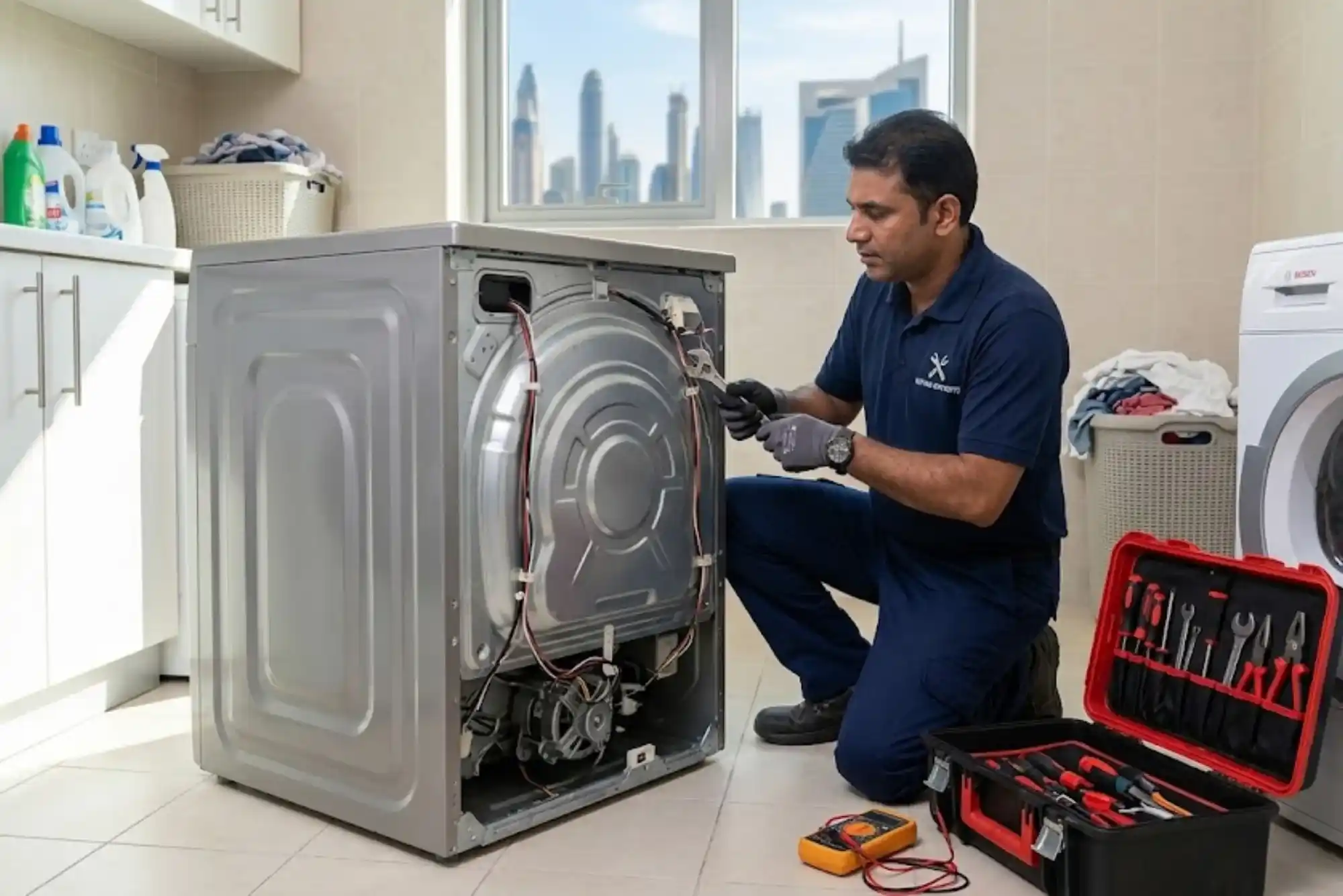
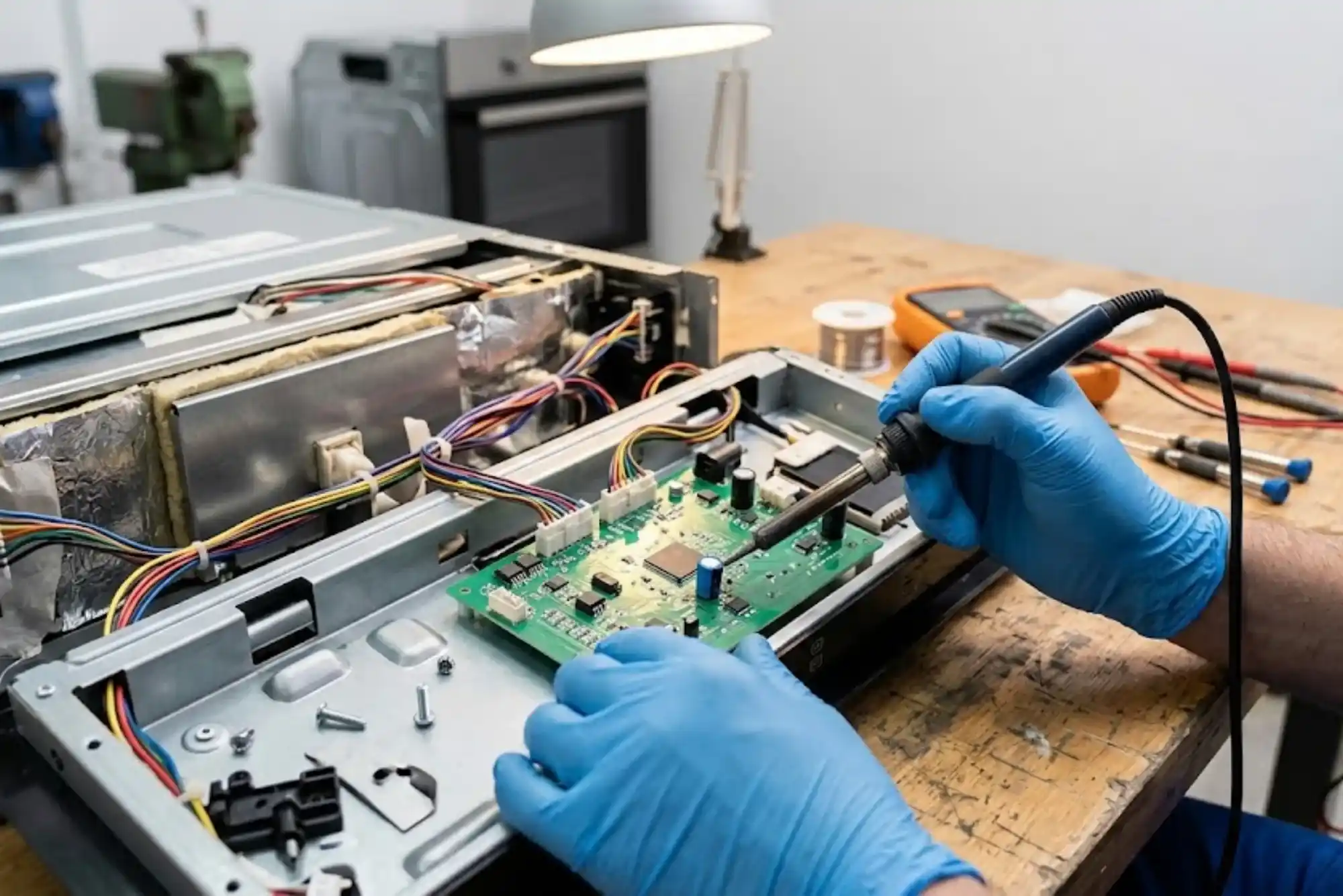
As temperatures begin to drop and the chill of winter approaches, homeowners often shift their focus from cooling to heating. While air conditioning systems are primarily associated with the summer months, preparing them for winter is an essential part of seasonal home maintenance. Proper winterization of your AC unit not only ensures it remains in optimal condition but also helps to extend its lifespan, prevent costly repairs, and maintain efficiency for the next cooling season. Seasonal AC prep is more than a precaution—it is a long-term investment in your home’s comfort and energy savings.
When the weather transitions, many people overlook their outdoor air conditioning units or split systems, assuming that switching them off is sufficient. However, the cold season brings challenges such as moisture accumulation, debris collection, and potential damage from frost or ice. Winterization addresses these risks and prepares your system for an effortless restart when warm weather returns.
Understanding the Importance of AC Winterization
Winterization is not just about turning off the unit; it is a strategic approach to protecting the intricate components of an AC system. Air conditioning units, particularly outdoor condensers and split systems, are vulnerable to environmental conditions during the colder months. Rain, snow, frost, and ice can create scenarios where parts rust, freeze, or corrode.
Additionally, neglecting seasonal AC prep can lead to performance issues such as reduced efficiency, unusual noises, or even complete system breakdowns once the summer heat arrives. In many cases, the cost of repairing weather-related damage is significantly higher than the simple preventive steps taken during winterization. By understanding its importance, homeowners can make AC maintenance an integral part of their seasonal routines.
Cleaning the Outdoor Unit Before Winter
The first step in seasonal AC prep involves thoroughly cleaning the outdoor condenser unit. Over time, leaves, dust, and other debris can accumulate around and inside the AC housing. If these are left unattended, they can trap moisture and accelerate rust or corrosion during winter.
Carefully remove any visible dirt and clear away surrounding vegetation or fallen leaves. Rinsing the coils and fins with water can also be helpful, but it should be done gently to avoid bending delicate components. A clean surface ensures that the AC unit does not trap moisture or become a haven for pests seeking shelter in the colder months. This simple measure greatly reduces the risk of weather-induced damage.

Inspecting for Wear and Tear
Before fully winterizing your AC, conducting a detailed inspection is crucial. Check the outdoor unit for any signs of wear, including rust spots, cracks, loose bolts, or frayed insulation on exposed wires. Any small damage that goes unnoticed can worsen during the cold season and lead to significant repair costs in the spring.
Pay special attention to the refrigerant lines and the insulation surrounding them. Cracked or deteriorated insulation can expose the lines to harsh temperatures, which may reduce efficiency or cause refrigerant issues later. Identifying and addressing minor problems now prevents compounded issues when the AC is put back into service after winter.
Disconnecting and Securing Power
Once the unit is cleaned and inspected, it is essential to disconnect its power supply. Most outdoor AC units are connected to a dedicated breaker or disconnect box located near the condenser. Turning off the power ensures the system does not accidentally switch on during winter.
This step is particularly important in areas where sudden warm spells occur. If the system were to turn on during a mild winter day, moisture could enter the coils and freeze once temperatures drop again, causing internal damage. Disconnecting power eliminates this risk and allows the AC to remain fully protected throughout the cold season.
Protecting the Outdoor Unit from the Elements
The next step in AC winterization involves physically protecting the outdoor condenser from snow, ice, and debris. A breathable cover is often recommended, as it shields the unit from the elements while allowing airflow to prevent condensation buildup inside. Completely airtight covers can trap moisture,Post Category, which could encourage rust or mold growth.
Additionally, placing a small plywood board or protective barrier over the top of the unit can prevent falling icicles or heavy snow from causing physical damage. Securing the unit in this way keeps it safe from winter hazards without compromising its long-term functionality.
Ensuring Proper Drainage
One often-overlooked aspect of AC winterization is ensuring that water does not accumulate around the outdoor unit. Poor drainage can lead to puddles that freeze in extremely low temperatures, potentially damaging the base of the AC or the surrounding area.
Before winter fully sets in, check the grading around the condenser to confirm water flows away naturally. If needed, small adjustments or the addition of gravel beneath the unit can help prevent standing water. Good drainage reduces the likelihood of ice-related complications and extends the overall lifespan of the system.
Indoor Unit and Duct Maintenance
Winterization is not limited to the outdoor components of your AC system. Central air conditioning setups and split systems have indoor units and ductwork that also benefit from seasonal preparation. Start by replacing or cleaning the air filters to ensure that air circulation remains smooth when the system is restarted in the spring.
Checking the ductwork for dust accumulation, leaks, or blockages is also advisable. Clean ducts promote better airflow and energy efficiency, while identifying leaks early prevents wasted cooling power during the next summer. By incorporating indoor maintenance into your Seasonal AC Prep, you create a comprehensive strategy for system care.
Lubrication and Component Check
While modern AC units require less manual intervention than older systems, some components may benefit from lubrication to reduce friction and wear. Fans, motors, and moving parts within the unit can sometimes dry out or stiffen if left unused for months. Light lubrication and a quick operational check before disconnecting the system ensure that all parts remain in good working order.
Additionally, tighten any loose screws or bolts during this stage. Vibrations during regular use may loosen connections, and cold weather can further contract metal components. Securing the system now prevents minor issues from escalating during the next operational season.
Monitoring During Winter Months
Winterization does not mean ignoring your AC system entirely. Even after completing all the necessary steps, occasional check-ins throughout the cold season are recommended. Ensure the cover remains secure, debris has not accumulated, and no signs of pest activity are present.
If a significant snowstorm occurs, gently remove excess snow from around the unit to prevent unnecessary weight or moisture buildup. This ongoing attention guarantees that your seasonal preparation efforts remain effective until spring arrives.
Preparing for the Next Cooling Season
The ultimate goal of winterization is to simplify the transition back to summer cooling. When spring returns, your AC system will be clean, well-preserved, and ready for a smooth startup. Reversing the process involves removing the cover, reconnecting the power, and performing a brief operational test to confirm that everything is functioning correctly.
Systems that undergo proper winterization often demonstrate longer lifespans, lower maintenance costs, and improved energy efficiency. Seasonal AC prep is therefore not just about surviving the winter but about investing in reliable cooling performance for years to come.
Professional Assistance for Seasonal AC Prep
While many homeowners can handle basic AC winterization steps themselves, professional assistance offers an added layer of assurance. HVAC technicians can perform thorough inspections, apply specialized protective treatments, and identify issues that might not be visible to the untrained eye.
Scheduling a professional check before winter helps ensure that your system remains in peak condition without the risk of hidden problems developing over the cold months. Combining DIY care with expert maintenance creates the best conditions for long-term AC reliability.
Long-Term Benefits of AC Winterization
The benefits of seasonal AC prep extend beyond a single winter. By implementing proper winterization techniques each year, homeowners enjoy consistent advantages such as reduced repair expenses, extended equipment life, and enhanced energy efficiency. A well-maintained system requires less effort to cool your home, lowering energy bills and improving overall comfort.
Moreover, preventive maintenance contributes to sustainability by reducing the frequency of replacements and minimizing energy waste. Protecting your AC from winter’s challenges is a proactive measure that aligns with both financial and environmental responsibility.
Final Thoughts
Seasonal AC prep and winterization tips are essential practices for anyone looking to maintain their cooling system effectively. By cleaning, inspecting, protecting, and monitoring your air conditioning unit during the off-season, you safeguard its performance and longevity. When the next summer arrives, your AC will reward your efforts with reliable cooling, efficient operation, and peace of mind.
Proper winterization is not just about avoiding short-term inconvenience; it is a long-term investment in comfort and efficiency. Each step taken today prevents potential problems tomorrow, ensuring that your home remains ready for every season.