A modern refrigerator is designed to maintain precise temperatures in both the freezer and fresh food compartments. One of the most critical yet often overlooked components responsible for this balance is the Refrigerator damper control door. When this small but essential part malfunctions, it can lead to uneven cooling, food spoilage, excessive frost, and higher energy consumption. Understanding how the Refrigerator damper control door works and recognizing early warning signs of failure can save homeowners from expensive breakdowns and emergency Refrigerator repair service calls.
In this detailed professional guide, we will explore the function, importance, symptoms, causes of failure, repair options, and maintenance practices related to the Refrigerator damper control door. This information is essential for homeowners, property managers, and appliance technicians who want to ensure optimal refrigeration performance.
Understanding the Role of the Refrigerator Damper Control Door
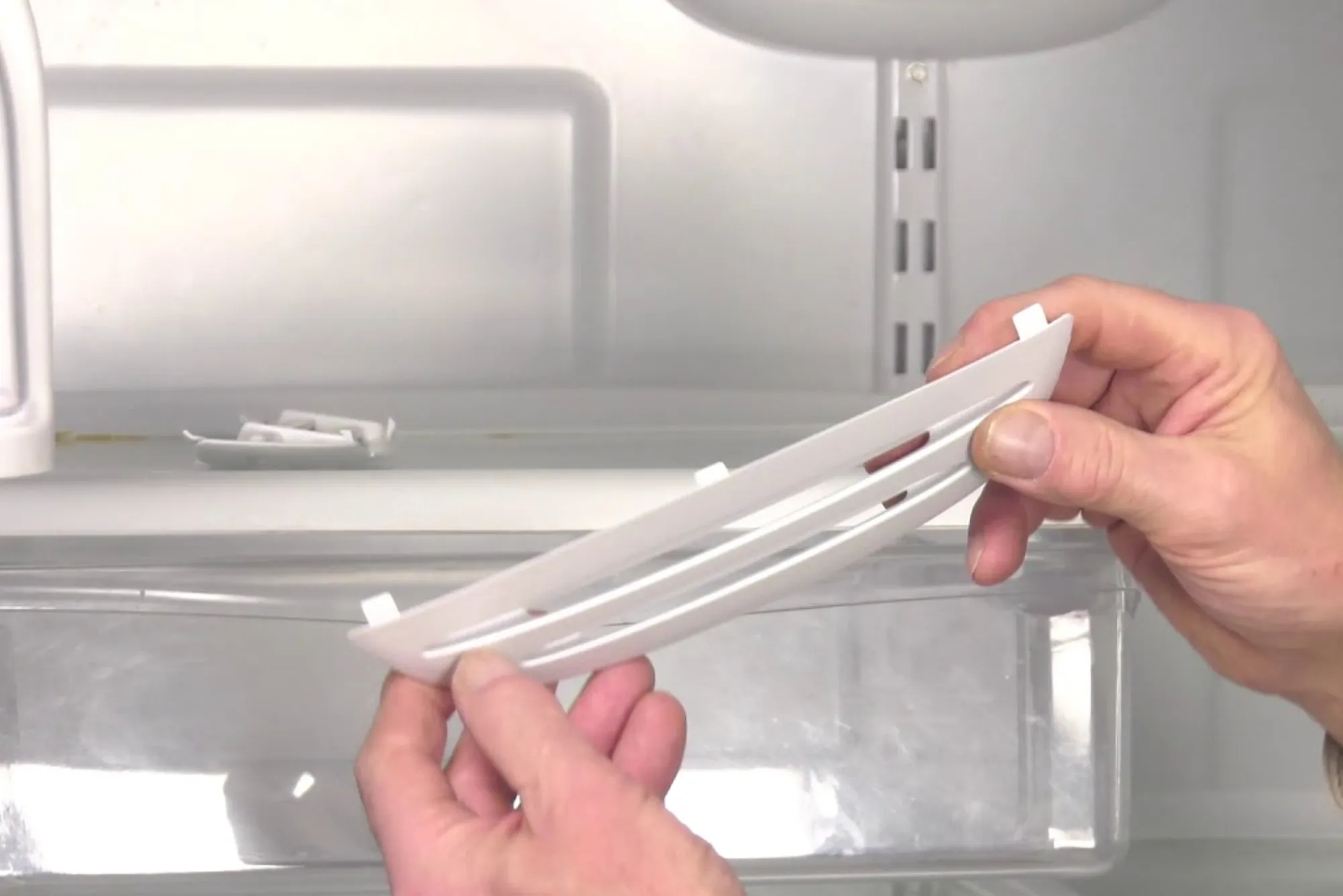
The Refrigerator damper control door regulates the flow of cold air from the freezer compartment into the refrigerator section. In most modern refrigerators, cold air is generated in the freezer and then distributed to the fresh food compartment through controlled vents. The damper door acts as a gate that opens and closes to maintain the correct temperature balance.
When the thermostat signals that the refrigerator compartment requires cooling, the damper opens to allow cold air to enter. Once the desired temperature is reached, it closes partially or fully to prevent overcooling. This continuous regulation ensures food remains fresh while preventing freezing in the refrigerator section.
Without a properly functioning Refrigerator damper control door, temperature regulation becomes inconsistent. This can create hot spots, freezing zones, or complete cooling failure in one compartment.
How the Refrigerator Damper Control Door Operates
The Refrigerator damper control door may operate manually or electronically depending on the refrigerator model. Older units often rely on mechanical controls, while newer appliances use electronic sensors and motorized dampers.

In electronically controlled systems, temperature sensors send signals to the main control board. The board then adjusts the damper motor to regulate airflow. This process happens automatically and continuously. Any malfunction in the damper motor, sensor, or control board can disrupt airflow and require professional Refrigerator repair service.
Mechanical dampers rely on a simple thermostat mechanism. Although less complex, they can still become stuck, misaligned, or broken over time due to wear and tear.
Common Symptoms of a Faulty Refrigerator Damper Control Door
When the Refrigerator damper control door fails, the symptoms often appear gradually. One of the most noticeable signs is uneven cooling. The freezer may remain perfectly cold while the refrigerator compartment becomes too warm or too cold.
Another common symptom is food freezing in the refrigerator section. If the damper remains stuck open, excessive cold air enters the fresh food compartment, causing vegetables, fruits, and beverages to freeze.
On the other hand, if the damper is stuck closed, the refrigerator section may become warm even though the freezer continues functioning properly. This situation often leads homeowners to assume a major compressor problem, when in reality the issue may only involve the Refrigerator damper control door.
Unusual noises such as clicking or buzzing coming from the air vent area can also indicate a faulty damper motor. These sounds often occur when the motor struggles to open or close the door.
Causes of Refrigerator Damper Control Door Failure
Several factors can contribute to the failure of a Refrigerator damper control door. Normal wear and tear is one of the primary causes. Over time, mechanical parts can degrade, plastic components may crack, and motors can weaken.
Ice buildup is another frequent cause. When excessive moisture accumulates, frost can form around the damper, preventing it from opening or closing properly. This issue is particularly common in refrigerators with defrost system malfunctions.
Electrical problems can also affect electronically controlled dampers. Faulty temperature sensors, damaged wiring, or a defective control board can prevent the damper from responding correctly. In such cases, a professional Refrigerator repair service technician is typically required to diagnose and fix the issue safely.
Improper maintenance, blocked vents, and overloading the refrigerator can also strain the damper system and lead to premature failure.
The Importance of Timely Refrigerator Repair Service
Ignoring problems related to the Refrigerator damper control door can result in more serious damage. Prolonged temperature imbalance can force the compressor to work harder, increasing energy consumption and accelerating wear on major components.
Food spoilage is another major concern. Inconsistent temperatures can compromise food safety, especially for dairy products, meat, and perishable items.
Seeking professional Refrigerator repair service at the first sign of cooling imbalance helps prevent further complications. Technicians have the tools and expertise to inspect airflow systems, test electrical components, and replace damaged dampers efficiently.
Professional service also ensures proper calibration after repair, restoring the refrigerator to manufacturer-recommended temperature settings.
Diagnosing Refrigerator Damper Control Door Problems
Accurate diagnosis is essential before replacing any parts. A trained Refrigerator repair service technician typically begins by checking temperature readings in both compartments. They may also inspect airflow vents for obstructions.
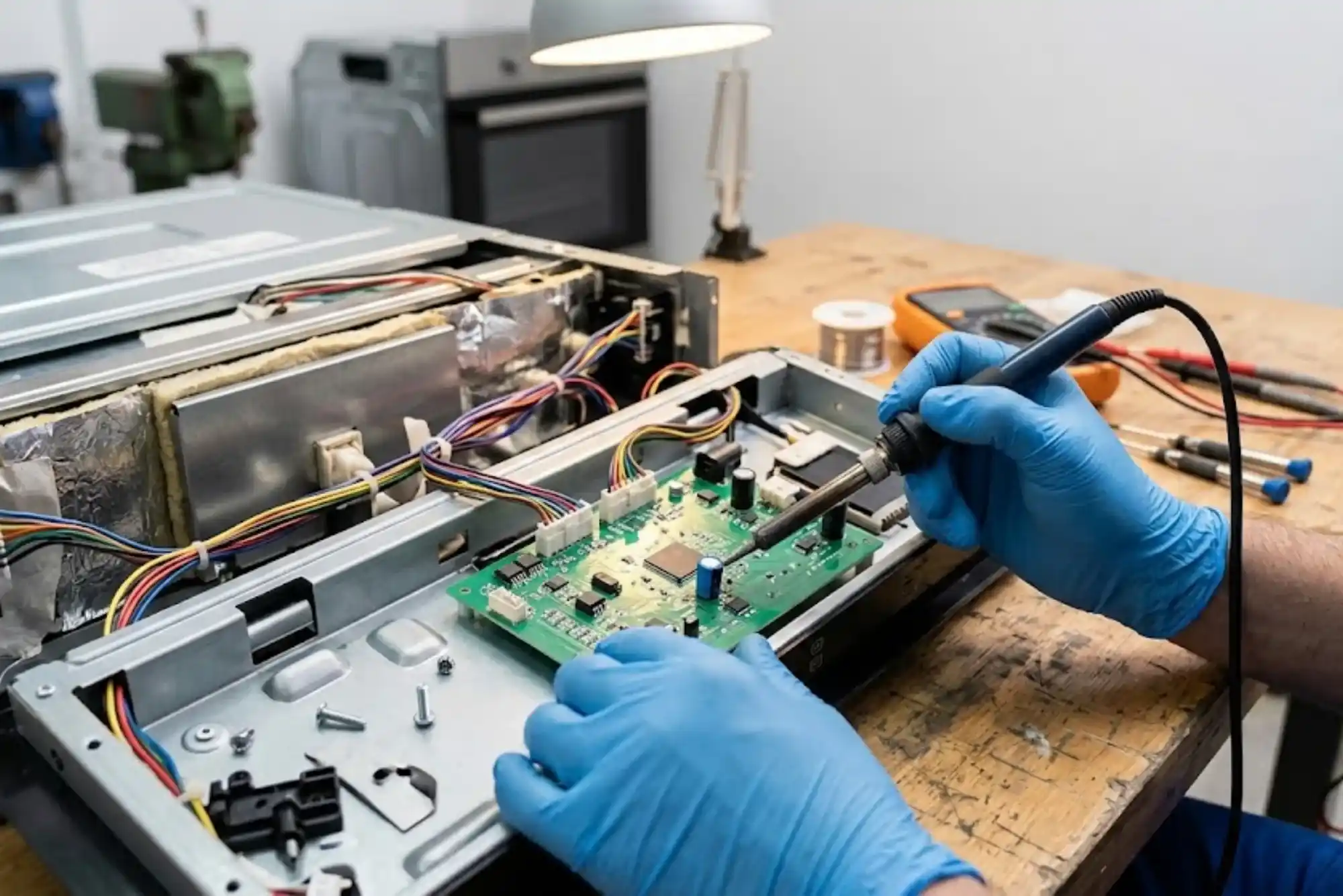
In electronically controlled models, technicians use diagnostic tools to test the damper motor and control signals. Voltage checks and sensor testing help identify whether the problem lies with the damper itself or the electronic control system.
Visual inspection can reveal broken hinges, misaligned doors, or frost buildup. In some cases, simple defrosting may temporarily restore function, but recurring frost usually indicates an underlying issue requiring professional attention.
Proper diagnosis prevents unnecessary replacement of expensive components such as compressors or control boards.
Repair Versus Replacement Considerations
When dealing with a faulty Refrigerator damper control door, homeowners often wonder whether repair or replacement is the better option. In many cases, replacing the damper assembly is the most reliable solution, especially if the motor has failed or the plastic housing is damaged.
The cost of replacing a damper is generally lower than repairing major cooling components. However, professional installation is recommended to ensure proper alignment and electrical connection.
In older refrigerators, repeated airflow issues may signal that the appliance is nearing the end of its lifespan. A trusted Refrigerator repair service provider can advise whether repair remains cost-effective or if replacement would be more practical.
Preventive Maintenance for Damper System Longevity
Regular maintenance significantly reduces the risk of Refrigerator damper control door failure. Keeping air vents clear is one of the simplest yet most effective practices. Blocking vents with food containers can disrupt airflow and strain the damper.
Maintaining proper temperature settings also helps prevent excessive cycling of the damper motor. Overly cold settings can cause unnecessary wear and frost buildup.
Periodic cleaning of the interior and ensuring door seals remain airtight minimizes moisture accumulation. Excess humidity inside the refrigerator contributes to frost formation around the damper area.
Scheduling routine inspections with a professional Refrigerator repair service can identify minor airflow irregularities before they become serious problems.
Energy Efficiency and the Damper Control System
The Refrigerator damper control door plays a vital role in energy efficiency. By regulating airflow precisely, it ensures that the compressor runs only when necessary. A malfunctioning damper can cause the refrigerator to overwork, leading to higher electricity bills.
In regions with warm climates, efficient airflow management becomes even more critical. Continuous operation due to poor airflow control increases strain on internal components and shortens appliance lifespan.
Professional Refrigerator repair service ensures that airflow calibration meets manufacturer specifications, improving overall efficiency and reducing operating costs.
Modern Technological Advancements in Damper Systems
Today’s refrigerators feature advanced airflow management systems with smart sensors and digital controls. These systems provide more accurate temperature regulation compared to older mechanical dampers.
Some high-end models use multiple dampers to create separate climate zones. While these systems improve performance, they also require specialized knowledge for repair. Professional Refrigerator repair service technicians are trained to handle complex electronic damper assemblies safely.
Understanding the design of your specific refrigerator model helps determine the appropriate repair approach and prevents unnecessary damage during troubleshooting.
When to Call a Professional Refrigerator Repair Service
Although minor frost issues may be resolved by cleaning or defrosting, persistent temperature imbalance should always be addressed by professionals. Attempting to disassemble the damper assembly without proper tools can cause further damage.
If you notice continuous freezing in the refrigerator compartment, unusual noises near air vents, or inconsistent cooling, it is time to contact a qualified Refrigerator repair service. Early intervention prevents more expensive repairs and protects food safety.
Professional technicians not only replace faulty dampers but also inspect related components such as thermostats, evaporator fans, and control boards to ensure comprehensive performance restoration.
The Refrigerator damper control door is a small yet essential component that directly impacts cooling efficiency, food preservation, and energy consumption. When functioning correctly, it maintains the perfect balance of airflow between the freezer and refrigerator compartments. However, when it fails, the consequences can range from minor inconvenience to significant appliance damage.
Recognizing early symptoms, understanding common causes, and seeking timely Refrigerator repair service are key steps in maintaining optimal refrigerator performance. Professional diagnosis and repair ensure long-term reliability and help avoid unnecessary expenses.