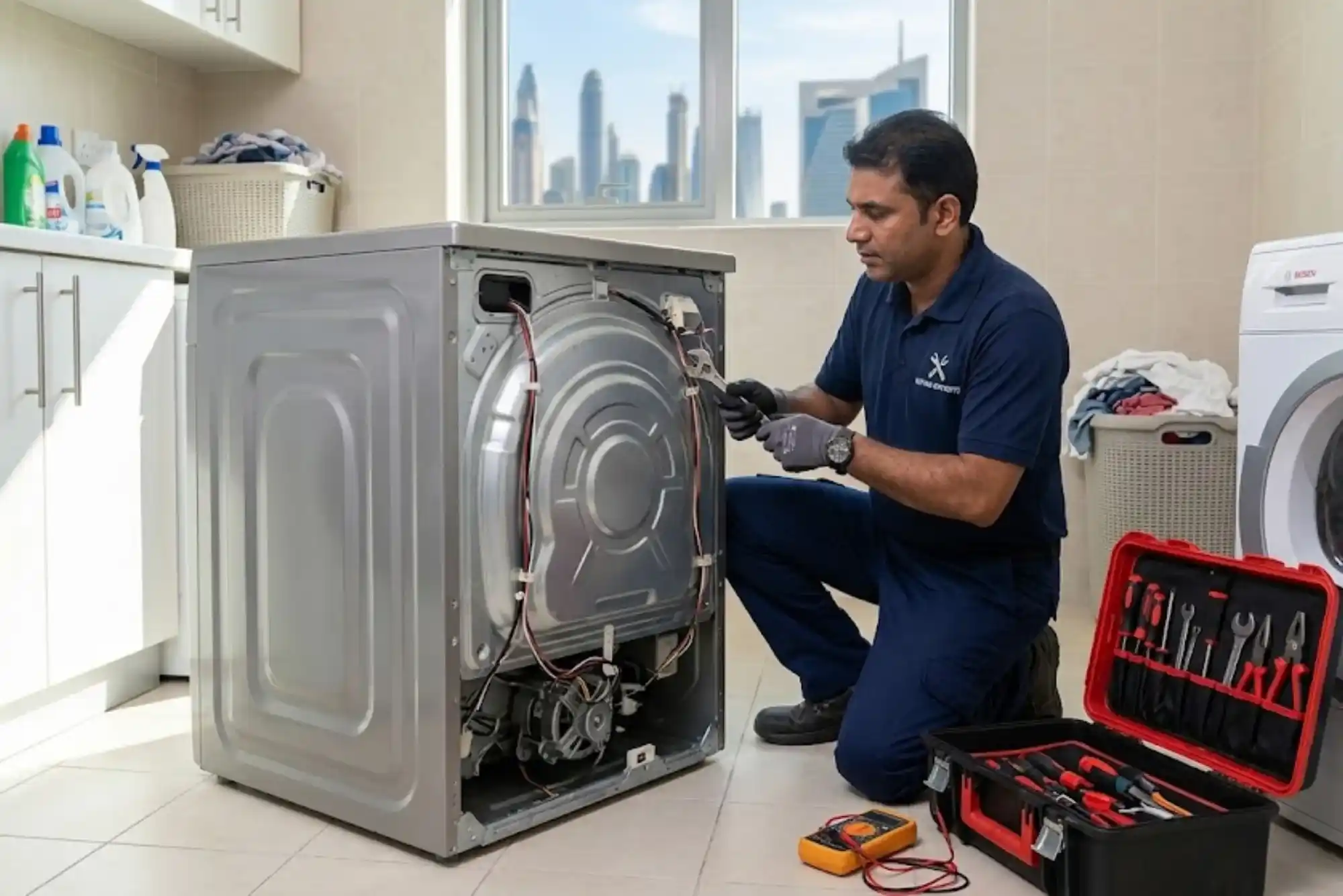
Dryers have become one of the most relied-upon household appliances, saving time and effort in daily life. But like any other machine, they need proper maintenance to keep working efficiently. Over time, lint, dust, and other particles build up inside the dryer and its venting system. When left unchecked, this buildup can block airflow, cause overheating, and reduce performance. Professional dryer maintenance and cleaning play a vital role in ensuring that your appliance stays safe, efficient, and long-lasting.
A well-maintained dryer not only dries clothes faster but also operates quietly and safely. It consumes less electricity, prevents breakdowns, and minimizes fire risks. This is why professional cleaning is not a luxury but a necessary service to protect both your appliance and your home.
Why dryer maintenance matters
Dryers function by drawing in air, heating it, and circulating it through clothes to remove moisture. During this process, lint is produced naturally as fibers detach from fabrics. While most of the lint is caught in the filter, a significant amount escapes into the dryer’s internal components and vent lines. As this lint accumulates, it restricts the flow of air.
Restricted airflow forces the dryer to work harder to reach its target temperature, increasing wear on internal parts. The heating element may overheat, and the motor may run longer than designed. This leads to increased energy use, slower drying cycles, and potential overheating. Regular maintenance clears these obstructions, restoring airflow and maintaining consistent performance.
Impact of neglecting maintenance
When a dryer is neglected, it starts showing small but noticeable signs of distress. Clothes that once dried in forty minutes may now take twice as long. The machine may feel hotter than usual on the outside, or you might notice a burning odor during operation. Sometimes the dryer shuts off unexpectedly due to overheating.
These signs indicate that the system is struggling to breathe because of lint and debris buildup. Ignoring these warnings can lead to expensive repairs or even fire hazards. The U.S. Fire Administration reports that a large percentage of dryer fires are caused by clogged vents and lint traps. Routine professional maintenance is the simplest way to prevent these dangerous situations and keep the appliance performing at its best.

Professional cleaning versus basic home care
Most homeowners clean the lint filter after every use, which is good practice but only addresses surface-level buildup. Inside the dryer and venting ducts, lint continues to collect where you cannot see or reach it easily. Professional dryer cleaning goes much deeper.
Technicians use high-powered vacuum systems, flexible rods, and specialized brushes to remove lint from internal areas, ducts, and exhaust vents. They also inspect connections to ensure air is flowing freely and there are no leaks or bends causing pressure issues. In addition to cleaning, professionals check mechanical and electrical components to make sure they are in good working order.
This detailed service helps prevent overheating and improves efficiency in ways that simple filter cleaning cannot achieve.
Fire safety advantages
One of the most important reasons for professional dryer maintenance is safety. Lint is highly flammable, and when it accumulates near heating elements or electrical components, it creates a fire risk. A single spark or excess heat from a blocked vent can ignite the lint and cause serious damage.
Professional cleaning removes this threat entirely. Technicians ensure that vents, ducts, and filters are completely free of debris. They also check the thermostat and heat sensors to confirm they are regulating temperature properly. A well-maintained dryer reduces fire hazards significantly and provides peace of mind to homeowners who want to keep their families safe.
Energy efficiency and performance
A clean dryer operates at peak efficiency. When air can circulate freely through the drum and vent, clothes dry faster and use less energy. This reduces the workload on the heating system and motor, leading to lower power consumption and smaller electricity bills.
In contrast, a clogged vent forces the machine to work harder, increasing both drying time and energy usage. The extra strain can shorten the appliance’s lifespan and cause costly parts to fail prematurely. Regular cleaning restores the dryer to its original efficiency and ensures consistent performance for years.
Over time, the savings from reduced energy use and fewer repair bills far outweigh the cost of professional maintenance.
Role of professional technicians
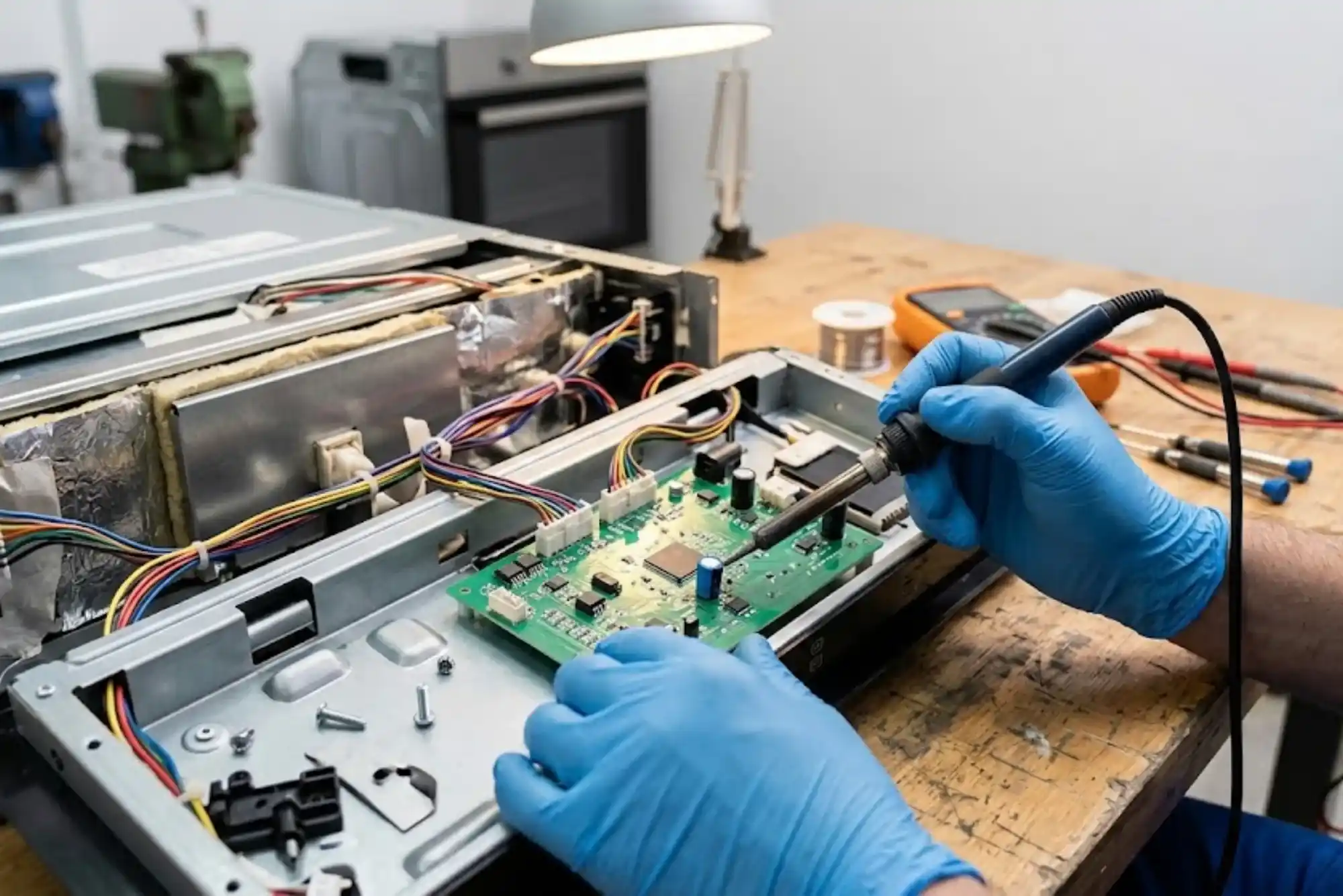
Professional dryer technicians bring skill, experience, and the right tools to every service call. They are trained to identify hidden issues that are often invisible to the average homeowner. Their expertise allows them to inspect not just the lint buildup but also the overall condition of the appliance, including its wiring, sensors, and safety features.
During a maintenance visit, the technician typically starts by assessing airflow and testing the temperature. Then, using specialized tools, they clean the interior ducts, blower housing, and vent pipe thoroughly. Once the cleaning is complete, they perform another airflow test to confirm everything is functioning correctly.
The technician’s final inspection ensures that all components, such as the belt, drum rollers, and heating element, are operating smoothly. This comprehensive process not only improves performance but also extends the life of the dryer.
Environmental advantages of dryer maintenance
Efficient appliances benefit both homeowners and the environment. When a dryer runs smoothly, it uses less power, which reduces energy demand and lowers carbon emissions. Shorter drying cycles also prevent unnecessary wear on clothes, reducing the frequency of rewashing and saving water and detergent.
By keeping the dryer in good condition, you help reduce waste by avoiding early appliance replacement. Each year of extended use means fewer discarded machines in landfills. Proper maintenance aligns with sustainable living practices and contributes to a more energy-efficient household.
Recognizing when service is needed
A dryer usually gives signs when it needs attention. If clothes remain damp after a full cycle, or if you notice unusual noises, smells, or heat, the dryer may be struggling. Excessive lint around the vent or reduced air pressure at the exhaust outlet are also signs of restricted airflow.
Other indicators include frequent overheating shutoffs or longer drying cycles even after cleaning the lint screen. When these issues appear, scheduling a professional inspection immediately can prevent damage and restore normal operation. Waiting too long allows the problem to worsen, increasing repair costs and energy waste.
How to maintain consistency
Creating a regular maintenance schedule is the most effective way to keep your dryer working properly. Depending on how often the dryer is used, professionals usually recommend a thorough cleaning once every twelve months. For large households or commercial settings, servicing may be needed every six months.
Staying consistent with maintenance prevents lint buildup and ensures the machine stays in top condition. It also allows technicians to spot early signs of component wear, saving you from unexpected repairs later. A small investment in preventive care guarantees long-term reliability and peace of mind.
Extending the lifespan of your dryer
Every appliance has a limited lifespan, but regular care can extend it by many years. When parts are cleaned and inspected regularly, they experience less friction and stress. The motor runs cooler, the belt moves smoothly, and the heating system maintains stable temperatures.
Without maintenance, even a high-quality dryer can lose efficiency quickly. The buildup of lint and dust acts like insulation, trapping heat and straining components. With consistent servicing, however, the dryer continues to perform like new, providing excellent drying results and reducing the need for early replacement.
Economic benefits of professional care
Professional maintenance not only enhances performance but also saves money in the long run. By keeping the appliance in good condition, you avoid frequent service calls, lower energy bills, and reduce the likelihood of major repairs. It’s far cheaper to invest in preventive cleaning than to replace burnt-out motors or heating elements.
Additionally, regular servicing helps maintain warranty coverage on newer machines, as many manufacturers require proof of maintenance to honor repair claims. Taking care of your dryer through professional cleaning is both an economic and practical decision for homeowners who value long-term efficiency.
Creating a safe and efficient home
A clean, well-maintained dryer contributes to a more comfortable home environment. It operates quietly, uses less energy, and delivers consistently dry clothes without overheating the laundry area. When airflow is unrestricted, there is no excess moisture or heat buildup indoors, which helps maintain a healthy balance in the room.
A professionally serviced dryer also minimizes the risk of accidents, mechanical failures, and energy waste. For busy households that rely on the dryer daily, this level of reliability is invaluable.
Professional dryer maintenance and cleaning are essential for safety, performance, and efficiency. Over time, lint and debris reduce airflow, cause overheating, and increase energy use. Regular professional service clears these obstructions, prevents fires, and restores the appliance to its original performance level.
A well-maintained dryer runs faster, quieter, and with less strain on its components. It saves energy, extends lifespan, and provides peace of mind. Professional technicians ensure that every part of the machine is inspected, cleaned, and operating safely.
Maintaining your dryer is more than a household chore; it is a commitment to safety, sustainability, and savings. With consistent care and periodic professional cleaning, you can enjoy reliable performance, lower energy costs, and a safer home for years to come.