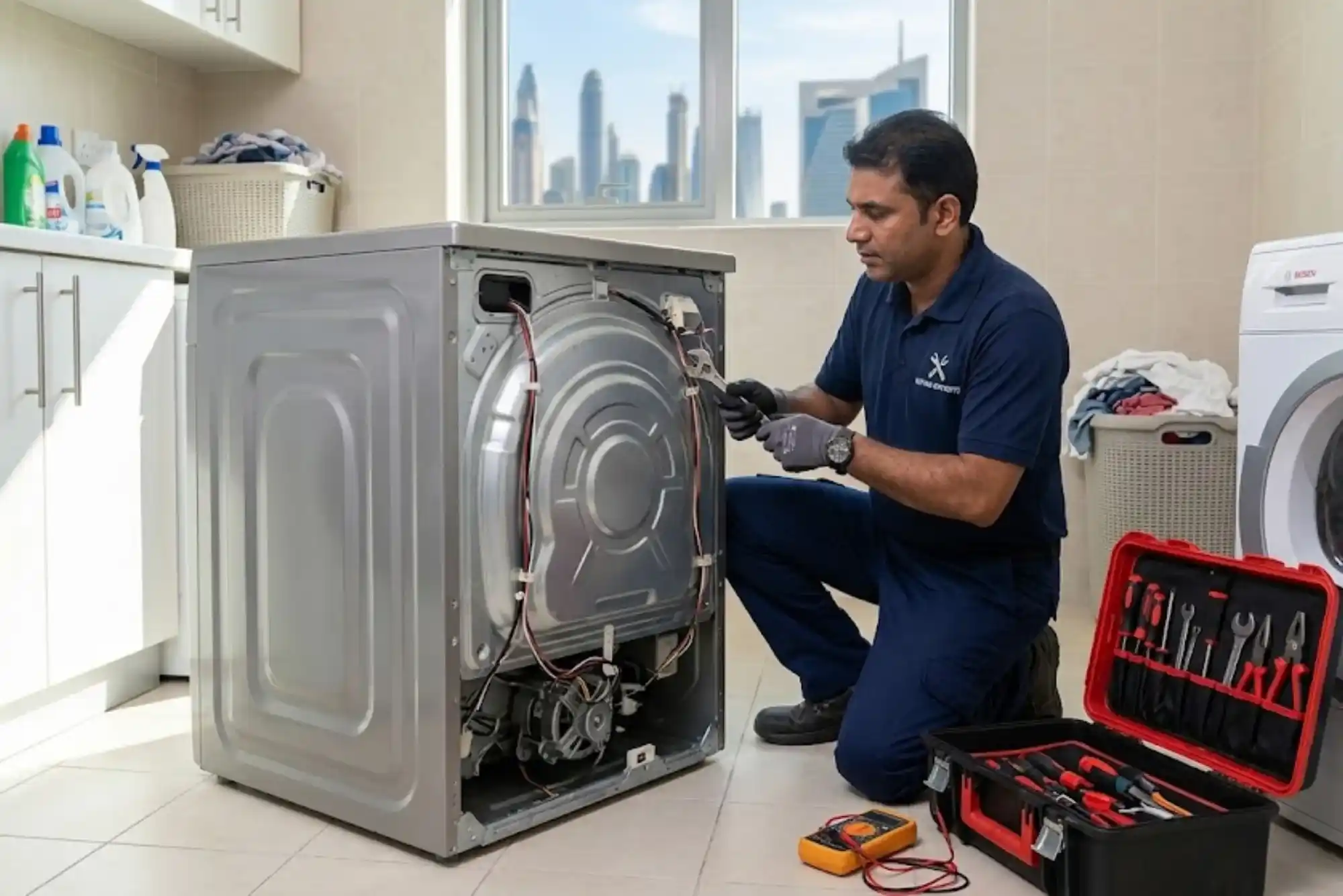
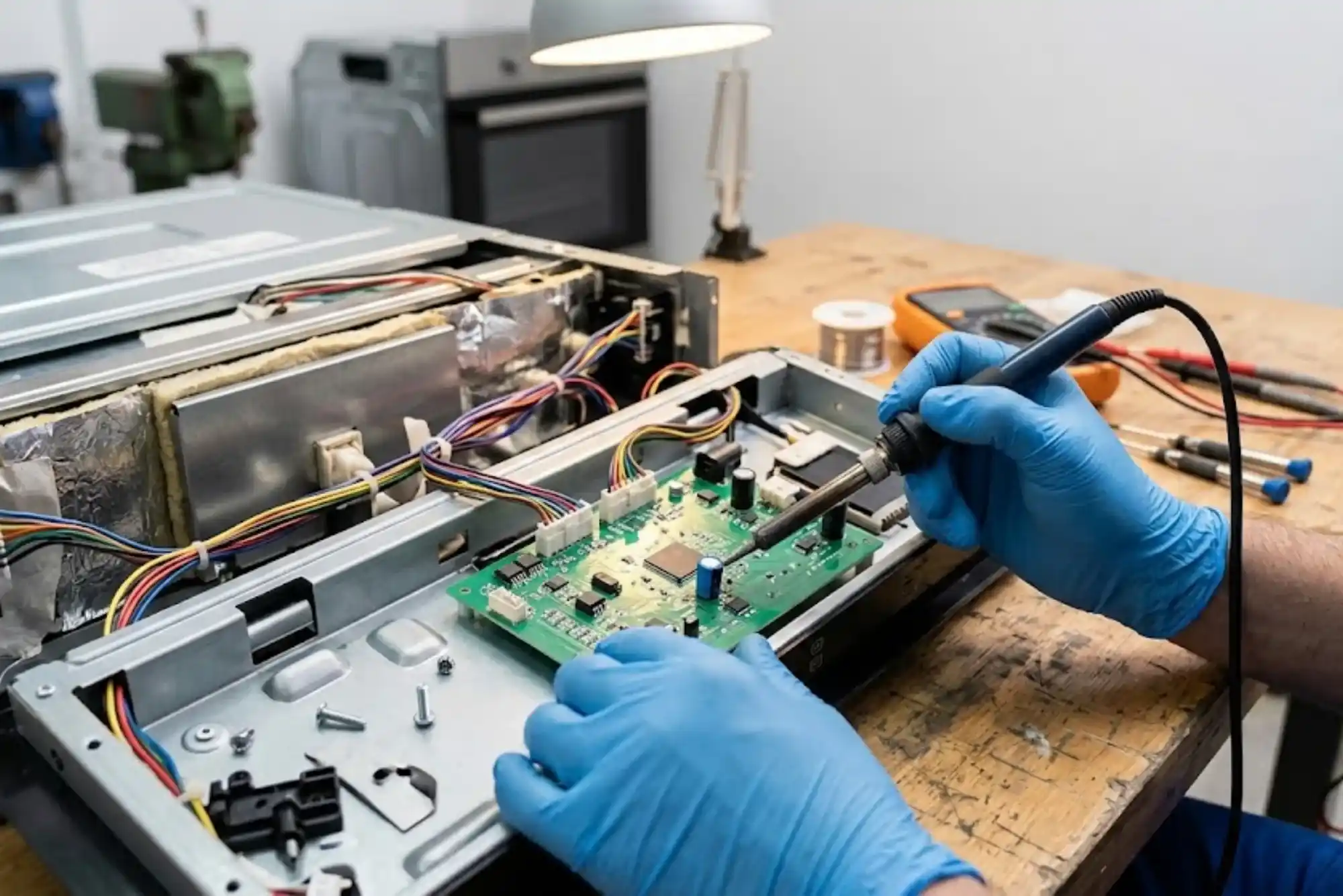
Oven cooking accuracy calibration plays a crucial role in achieving consistent and reliable cooking results in both residential and commercial kitchens. Many people assume that setting an oven temperature automatically delivers precise heat, but in reality, even high-quality ovens can drift from their original calibration over time. This temperature inaccuracy leads to uneven cooking, wasted energy, and disappointing meals. Understanding the importance of professional oven cooking accuracy calibration helps homeowners and businesses maintain appliance performance while protecting food quality and safety.
Modern ovens rely on internal sensors and control boards to regulate heat, yet constant usage, electrical fluctuations, and natural component aging gradually affect accuracy. Calibration restores balance between the temperature displayed on the control panel and the actual heat inside the oven cavity. When performed correctly, oven cooking accuracy calibration ensures that recipes cook as intended, baking times remain predictable, and energy consumption stays under control.
Understanding Oven Temperature Inaccuracy
Oven temperature inaccuracies often develop slowly, making them difficult to detect without proper testing. A meal that takes longer than expected to cook or baked goods that burn on the outside while remaining undercooked inside are common warning signs. These issues usually stem from inaccurate temperature readings rather than poor recipes or cooking techniques. Oven cooking accuracy calibration addresses this gap by realigning the thermostat or electronic sensor with true internal temperatures.
Environmental factors also contribute to calibration drift. Frequent door opening, exposure to moisture, and electrical surges can interfere with sensor performance. Over time, the oven may consistently run hotter or cooler than the selected temperature. Without calibration, this hidden problem continues to affect cooking outcomes and appliance efficiency.
The Science Behind Oven Cooking Accuracy Calibration
Oven cooking accuracy calibration is a precise technical process that compares the oven’s displayed temperature with its actual internal heat. Professional technicians use specialized equipment to measure temperature variations across multiple heating cycles. This analysis identifies whether the oven overheats, underheats, or fluctuates inconsistently during operation.
Once the discrepancy is identified, adjustments are made to the thermostat or electronic control system. In digital ovens, calibration may involve reprogramming temperature offsets within the control board. For older mechanical models, manual adjustments fine-tune the thermostat’s response. The goal of oven cooking accuracy calibration is not just achieving a single accurate temperature, but maintaining consistent heat throughout the cooking cycle.

Why Accurate Calibration Matters for Cooking Results
Precise temperature control directly influences food quality. Baking, roasting, and slow cooking depend on stable heat to activate chemical reactions that affect texture, flavor, and appearance. Without proper oven cooking accuracy calibration, baked goods may fail to rise correctly, meats may dry out, and delicate dishes may cook unevenly.
Accurate calibration ensures that recipes perform as tested and intended. Professional chefs and home cooks alike rely on predictable oven behavior to reproduce results consistently. When temperature accuracy is restored, cooking times become reliable, and food quality improves noticeably. Oven cooking accuracy calibration eliminates guesswork and frustration in the kitchen.
Energy Efficiency and Appliance Performance
Beyond cooking quality, oven cooking accuracy calibration significantly impacts energy efficiency. An oven that runs hotter than required consumes more electricity or gas than necessary. Conversely, an oven that underheats extends cooking times, further increasing energy usage. Calibration corrects these inefficiencies by aligning the appliance’s output with its settings.
Proper calibration also reduces strain on internal components. Heating elements and control systems work more efficiently when they operate within intended temperature ranges. Over time, this balanced performance extends the lifespan of the oven and reduces the risk of costly repairs. Oven cooking accuracy calibration therefore supports both financial savings and appliance longevity.
Safety Benefits of Oven Cooking Accuracy Calibration
Food safety is another critical reason to prioritize oven cooking accuracy calibration. Certain dishes require specific internal temperatures to eliminate harmful bacteria. If an oven fails to reach the required heat due to inaccurate calibration, food may remain undercooked and unsafe to consume.
Accurate temperature control also prevents overheating, which can damage cookware and increase fire risks. Professional oven cooking accuracy calibration ensures that safety thresholds are respected during operation. This is especially important in commercial kitchens, where strict compliance with health and safety standards is essential.
Signs Your Oven Needs Calibration
Many users remain unaware of calibration issues until cooking results deteriorate significantly. Common indicators include inconsistent browning, uneven baking, extended cooking times, and unexpected burning. These symptoms often persist even after cleaning or replacing cookware, pointing toward temperature inaccuracies.
When these issues appear, oven cooking accuracy calibration should be considered before pursuing more extensive repairs or replacement. Early calibration can resolve performance problems efficiently, restoring the oven’s reliability without unnecessary expense.
Professional Calibration Versus DIY Adjustments
While some ovens offer basic user-adjustable settings, professional oven cooking accuracy calibration delivers more reliable results. DIY methods often rely on external thermometers and limited adjustments, which may not account for temperature fluctuations during heating cycles. These approaches can provide temporary improvement but rarely address underlying sensor or control board issues.
Professional calibration involves advanced diagnostic tools and technical expertise. Technicians assess temperature stability, sensor accuracy, and control system responsiveness. This comprehensive evaluation ensures long-term accuracy rather than short-term correction. Choosing professional oven cooking accuracy calibration provides peace of mind and dependable performance.
Calibration for Different Oven Types
Different oven designs require tailored calibration approaches. Conventional electric ovens, gas ovens, and modern convection models all have unique heating mechanisms. Oven cooking accuracy calibration adapts to these differences, ensuring that heat distribution and temperature control meet manufacturer specifications.
Smart ovens with digital interfaces and programmable features also benefit from professional calibration. Software updates and sensor recalibration help maintain synchronization between digital controls and physical heating elements. Regardless of oven type, accurate calibration preserves intended functionality and user confidence.
Impact on Baking and Precision Cooking
Precision cooking methods such as baking pastries, artisan bread, and specialty desserts demand exact temperatures. Even minor deviations can affect texture, rise, and flavor. Oven cooking accuracy calibration is especially valuable for enthusiasts and professionals who require repeatable results.
With calibrated accuracy, bakers can trust temperature settings and focus on technique rather than compensating for appliance errors. This precision elevates overall cooking performance and enhances the enjoyment of culinary creativity.
Long-Term Value of Regular Calibration
Oven cooking accuracy calibration is not a one-time task but part of responsible appliance maintenance. Periodic calibration ensures that temperature accuracy remains stable despite ongoing use and environmental influences. Regular calibration reduces the likelihood of sudden performance issues and costly emergency repairs.
For commercial kitchens, routine calibration supports compliance with operational standards and protects brand reputation. For homeowners, it preserves convenience and confidence in daily cooking. The long-term value of oven cooking accuracy calibration lies in sustained performance, efficiency, and satisfaction.
Choosing a Professional Calibration Service
Selecting a qualified technician is essential for effective oven cooking accuracy calibration. Experienced professionals understand manufacturer guidelines, safety protocols, and calibration techniques specific to each oven model. Their expertise ensures that adjustments are accurate, safe, and durable.
A professional service also provides documentation and performance verification, confirming that the oven meets proper temperature standards. This level of assurance is particularly important for businesses and high-use kitchens where reliability is critical.
Oven cooking accuracy calibration is a vital process that directly influences cooking quality, energy efficiency, safety, and appliance longevity. Temperature inaccuracies may develop unnoticed, but their effects on food and performance are significant. Through professional calibration, ovens regain precise temperature control, enabling consistent and predictable results.
Investing in oven cooking accuracy calibration enhances every aspect of oven use, from daily meals to specialized baking projects. Whether for a home kitchen or a commercial environment, accurate calibration ensures that the oven performs as designed, delivering reliable heat and exceptional cooking outcomes for years to come.