Modern ovens are designed with digital displays, programmable timers, and advanced control systems that rely heavily on accurate time settings. When the clock on an oven resets or starts flashing, it can interrupt daily cooking routines and prevent certain functions from operating correctly. Understanding the oven clock reset procedure is essential for homeowners who want to restore normal functionality without causing further issues. This guide explains why oven clocks reset, how the procedure works across different oven types, and when professional oven repair service support becomes necessary.
Why Oven Clocks Reset Unexpectedly
An oven clock typically resets due to power interruptions or internal electronic changes. Power outages, voltage fluctuations, or unplugging the appliance can disrupt the memory of the control board. In many cases, the clock defaults to a flashing display to indicate that the time needs to be reset before the oven can be used properly. This is a built-in safety and notification feature rather than a fault.
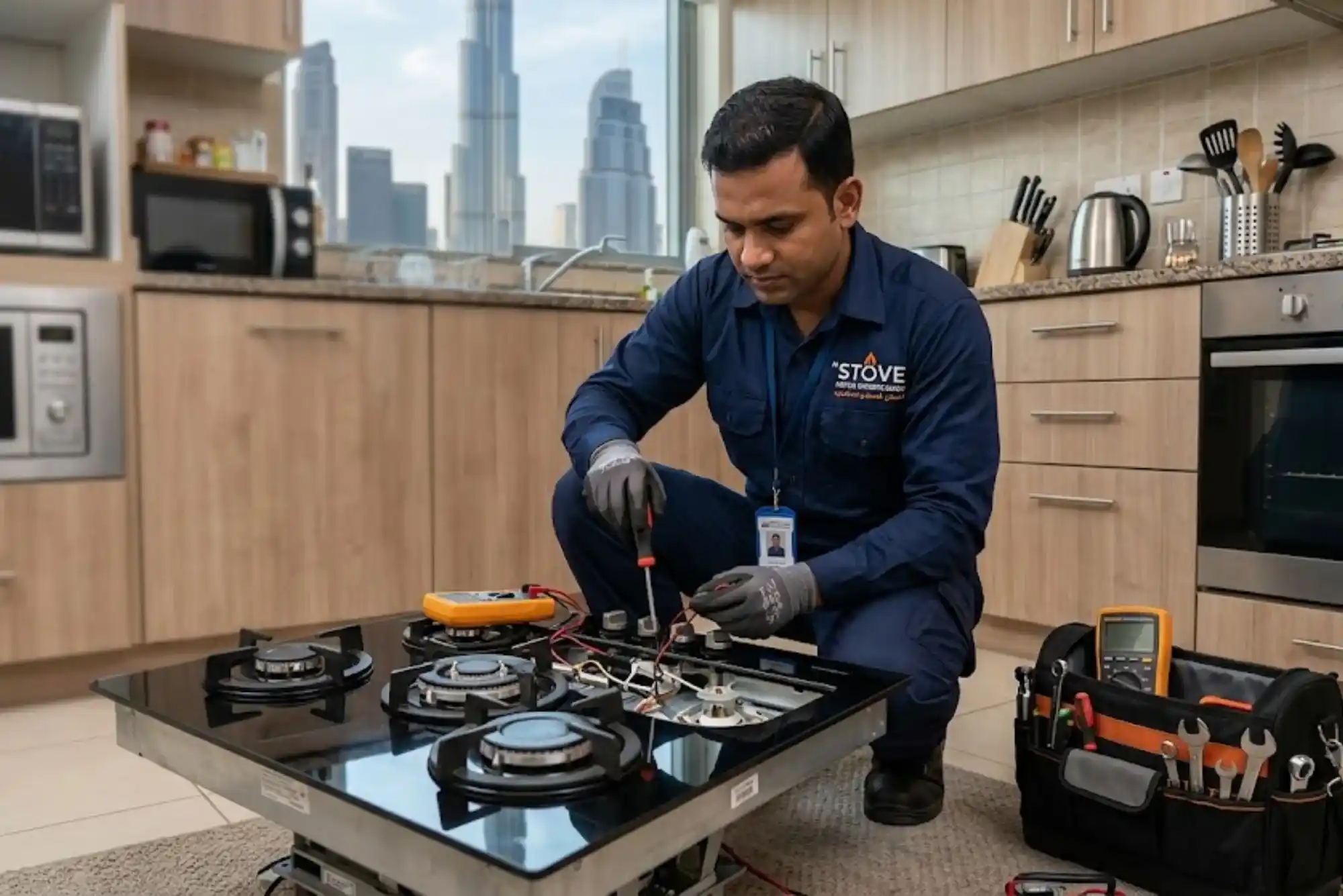
Another reason the oven clock may reset is after maintenance work or internal component replacement. When an oven repair service technician services the control panel, heating elements, or wiring, the system may require a fresh time input. Understanding this behavior helps users avoid unnecessary concern and focus on restoring the settings correctly.
Importance of the Oven Clock in Daily Cooking
The oven clock does more than display the time. It controls delayed start functions, automatic shut-off features, and programmed cooking cycles. If the clock is not set, many ovens will restrict access to these features. In some models, the oven will not heat at all until the time has been properly configured. This makes the oven clock reset procedure a critical step for restoring full functionality.
Accurate time settings also help ensure precise cooking results. Timed baking, roasting, and self-cleaning cycles rely on correct clock calibration. When the clock is incorrect, food may be undercooked or overcooked, and energy efficiency can be compromised.
Understanding Digital and Mechanical Oven Clocks
Most modern ovens use digital clocks integrated into electronic control panels. These clocks are managed by microprocessors that store time data temporarily. When power is interrupted, this data may be lost, triggering the need for a reset. Older ovens may use mechanical or analog clocks, which are less sensitive to power interruptions but still require manual adjustment.
Digital ovens often display error codes or flashing indicators when the clock is not set. Recognizing these signals allows users to identify that the issue is related to time configuration rather than a major technical fault requiring immediate oven repair service intervention.
General Oven Clock Reset Procedure Explained
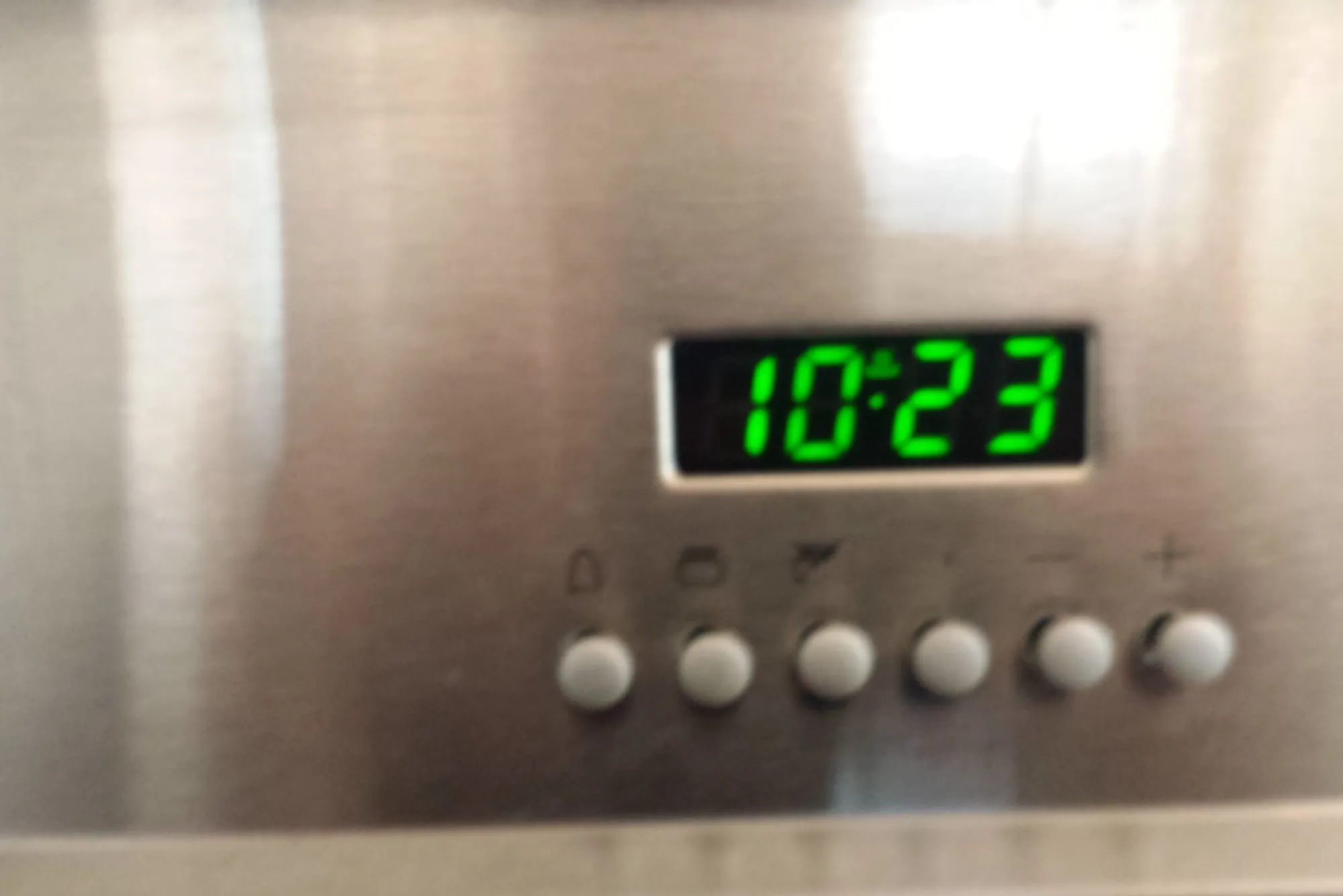
The oven clock reset procedure usually involves accessing the time-setting mode on the control panel. Most ovens include a dedicated clock or time button, sometimes labeled as “Clock,” “Timer,” or “Set Time.” Pressing and holding this button activates the time adjustment mode, allowing users to change the hours and minutes using arrow or plus-minus controls.
Once the correct time is selected, confirming the setting locks it into the system. The flashing display typically stops, and normal oven operations resume. While the exact method can vary by brand and model, the principle remains consistent across most appliances.
Resetting the Clock After a Power Outage
After a power outage, ovens often display a blinking clock to alert the user that the time needs resetting. This does not indicate damage to the appliance. Performing the oven clock reset procedure promptly ensures that all cooking functions become available again.
It is important to wait until the power supply stabilizes before resetting the clock. Repeated power fluctuations can cause the clock to reset multiple times, leading to frustration and confusion. If frequent outages occur, consulting an oven repair service to check internal surge protection may be beneficial.
Oven Clock Reset for Built-In and Smart Ovens
Built-in ovens and smart ovens may have more advanced control systems. These models often integrate with home automation systems and may require confirmation through touch panels or digital menus. In such cases, the oven clock reset procedure may involve navigating settings screens rather than pressing physical buttons.
Smart ovens may also synchronize time through Wi-Fi connections. If the clock fails to update automatically, checking the network connection becomes part of the reset process. When connectivity issues persist, professional oven repair service assistance may be required to diagnose software or firmware problems.
Common Mistakes During Clock Reset
Many users encounter issues during the oven clock reset procedure due to rushed actions or misunderstanding the control panel layout. Pressing the wrong button combination can activate unintended modes such as child lock or demo mode. This can make the oven appear unresponsive or faulty.
Another common mistake is failing to confirm the selected time. Without confirmation, the oven may revert to its default state, continuing to flash the clock. Taking a moment to review the display before exiting the setting mode ensures the reset is successful.
When the Clock Will Not Reset Properly
In some situations, the oven clock refuses to reset even after following the correct procedure. This may indicate deeper issues with the control board, touchpad, or internal wiring. Persistent flashing displays or error messages suggest that the problem extends beyond simple user settings.
At this stage, contacting a professional oven repair service is recommended. Technicians can inspect the electronic components, replace faulty parts, and restore normal operation safely. Attempting internal repairs without expertise can lead to further damage or safety hazards.
Safety Considerations During Clock Reset
Although resetting an oven clock is generally safe, basic precautions should be observed. Avoid pressing buttons with wet hands, and ensure the oven is not actively heating during the process. If the control panel behaves erratically, disconnecting the power briefly before attempting the reset can help stabilize the system.
If unusual smells, sparks, or error codes appear during the oven clock reset procedure, stop immediately and seek professional oven repair service support. These signs may indicate electrical issues that require expert handling.
Role of the Control Board in Time Settings
The control board acts as the brain of the oven, managing temperature, timing, and safety features. When the clock resets, it is often due to temporary data loss within this component. Over time, control boards can degrade, leading to frequent resets or unresponsive displays.
Replacing or repairing the control board is a specialized task typically performed by an oven repair service. Regular maintenance and timely repairs can extend the lifespan of this critical component and reduce recurring clock issues.
How Regular Maintenance Helps Prevent Clock Issues
Routine maintenance plays a significant role in preventing repeated oven clock resets. Cleaning the control panel, ensuring proper ventilation, and protecting the oven from power surges can minimize electronic disruptions. Professional oven repair service inspections can identify early signs of component wear before they cause operational problems.
Maintaining stable electrical connections and using surge protectors also contribute to long-term reliability. These measures help preserve the integrity of the oven’s digital systems.
Differences Between Gas and Electric Oven Clock Resets
Gas and electric ovens share similar clock reset principles, but their internal systems differ slightly. Electric ovens rely heavily on electronic controls, making them more sensitive to power interruptions. Gas ovens may have simpler control systems but still require accurate time settings for timers and safety features.
Understanding the specific design of your appliance helps ensure the oven clock reset procedure is performed correctly. Manufacturer guidelines should always be followed to avoid unintended complications.
Professional Assistance for Persistent Problems
When clock resets become frequent or interfere with normal cooking operations, professional intervention becomes essential. An experienced oven repair service can diagnose whether the issue lies with the power supply, control board, or user interface. Addressing the root cause prevents repeated disruptions and ensures safe appliance performance.
Professional technicians also provide guidance on proper usage and maintenance, helping homeowners avoid future issues related to clock resets.
Long-Term Impact of Ignoring Clock Reset Issues
Ignoring persistent clock reset problems can lead to broader appliance malfunctions. Timed cooking features may fail, safety shut-off systems may not function correctly, and energy efficiency can decline. Over time, these issues may result in higher repair costs or premature appliance replacement.
By understanding and addressing the oven clock reset procedure promptly, users can protect their investment and maintain reliable kitchen operations.
Final Thoughts on Oven Clock Reset Procedure
The oven clock reset procedure is a simple yet essential task for maintaining modern oven functionality. Whether caused by a power outage, maintenance work, or electronic disruption, resetting the clock restores access to critical features and ensures accurate cooking results. While most resets can be performed easily by users, persistent or complex issues should be handled by a professional oven repair service.