No Spin Cycle Washing Machine Fix – Understanding the Causes and Solutions
A washing machine that fails to spin is more than just a household inconvenience—it disrupts your daily routine, leads to soaking wet laundry, and raises concerns about potential damage to the appliance. Among the various issues homeowners face with their laundry machines, the “no spin cycle” problem is both common and frustrating. When a washer refuses to spin, it may indicate anything from a simple mechanical issue to a deeper internal fault requiring professional intervention.
Understanding the root causes behind the malfunction and knowing how it affects the machine’s performance is essential for anyone facing this problem. Whether you’re a homeowner, tenant, or property manager, staying informed about this specific fault can help you decide when to troubleshoot and when to call in expert help.
The Function of the Spin Cycle in Washing Machines
The spin cycle is one of the final and most important phases of a wash program. After the detergent has done its job and the rinse cycle completes, the spin cycle kicks in to remove excess water from your clothes using rapid drum rotation. This high-speed motion helps reduce drying time significantly, whether you’re air-drying or using a dryer. When the spin cycle fails, your clothes remain wet, heavy, and inconvenient to handle.
The absence of spinning doesn’t just delay your laundry routine; it also places extra strain on other components of the machine, particularly if users attempt repeated restarts or overloads to compensate. A faulty spin cycle is often a symptom of larger problems that, if ignored, could lead to long-term damage.
Common Causes Behind a Washing Machine Not Spinning
There are multiple reasons why a washing machine may stop spinning, and they typically fall into mechanical, electrical, or user-related categories. One of the most frequent causes is an unbalanced load. When heavy items like towels or bed sheets are clustered on one side of the drum, the machine’s built-in sensors may prevent the spin cycle from activating to avoid damage.
Another possibility involves the door latch mechanism. For safety reasons, modern machines will not initiate spinning unless the door is fully locked. A worn or misaligned door switch can trick the machine into thinking the door is open. Similarly, a malfunctioning lid switch on top-loading machines can result in the same outcome.

On the mechanical side, a broken drive belt, faulty motor coupling, or issues with the clutch assembly can directly impact the machine’s ability to rotate the drum. Some machines also suffer from control board malfunctions or sensor failures that prevent the spin cycle from executing even though other parts of the machine are working normally.
Water drainage problems are another less obvious contributor. If the machine is unable to fully drain after the rinse cycle, it often won’t proceed to spinning. This issue could stem from clogged filters, a blocked drain hose, or a failing drain pump. In such cases, the washer may pause indefinitely before attempting to spin.
How the No Spin Cycle Affects Laundry Efficiency
When the spin cycle fails, it reduces the machine’s effectiveness as a whole. Clothes emerge saturated with water, making them harder to dry and heavier to lift. The increased drying time not only delays your laundry schedule but also leads to higher energy costs if you rely on a dryer. In addition, wet clothes left in the washer can develop a musty smell or become breeding grounds for mold and bacteria, especially in humid climates.
From a wear-and-tear perspective, repeatedly running incomplete cycles or restarting the machine in frustration can damage its internal components. The motor, drum bearings, and suspension system all experience increased stress during faulty operations. In the long term, what starts as a small issue with the spin cycle can evolve into a full-system failure, often requiring a complete appliance replacement.
Diagnosing the Problem – The Role of Professionals
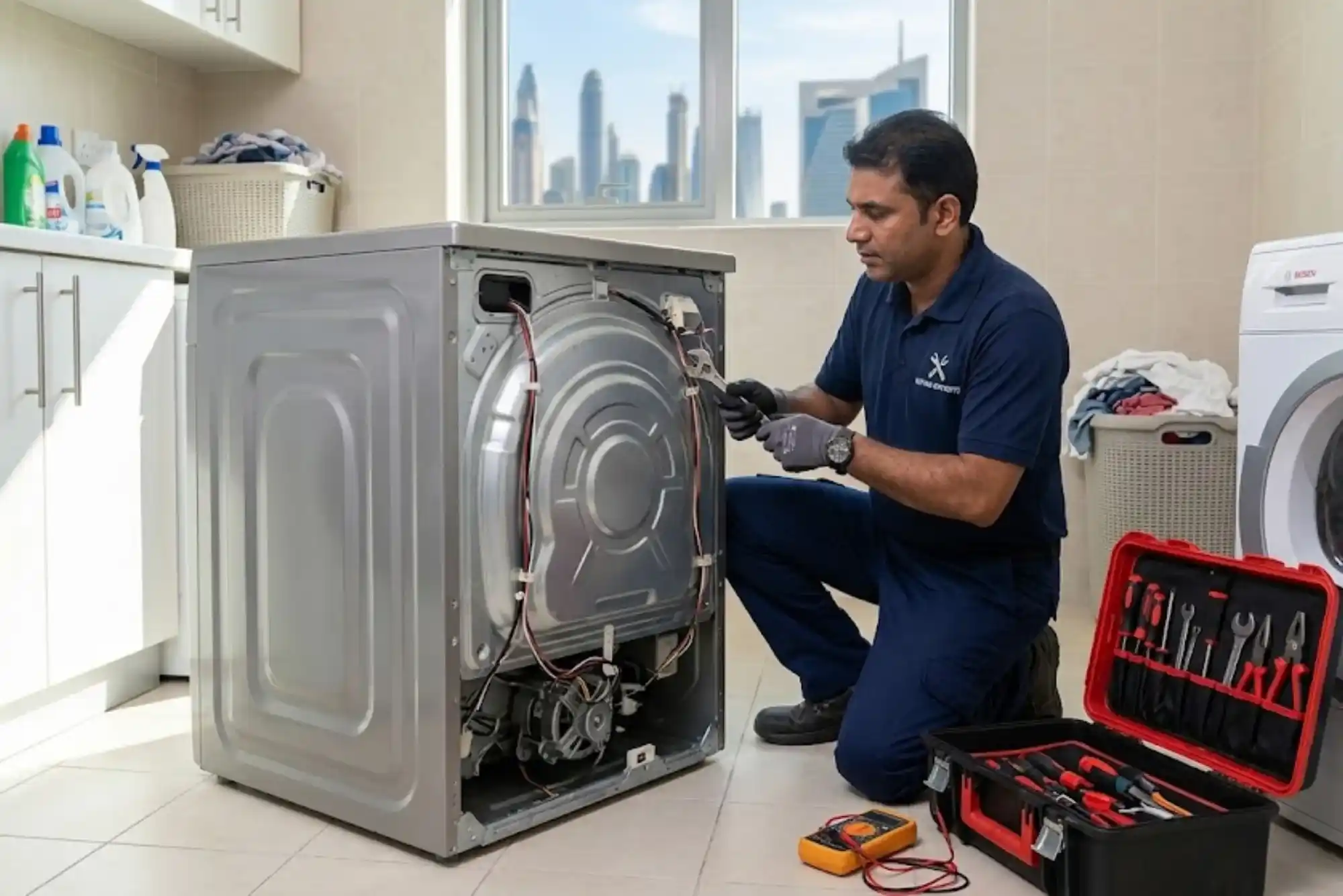
Although some homeowners may attempt to diagnose and fix washing machine issues themselves, modern machines are complex systems. Identifying whether the issue lies with the motor, control board, sensors, or mechanical components requires specialized tools and knowledge. A professional technician uses advanced diagnostic methods to locate the root cause quickly and safely.
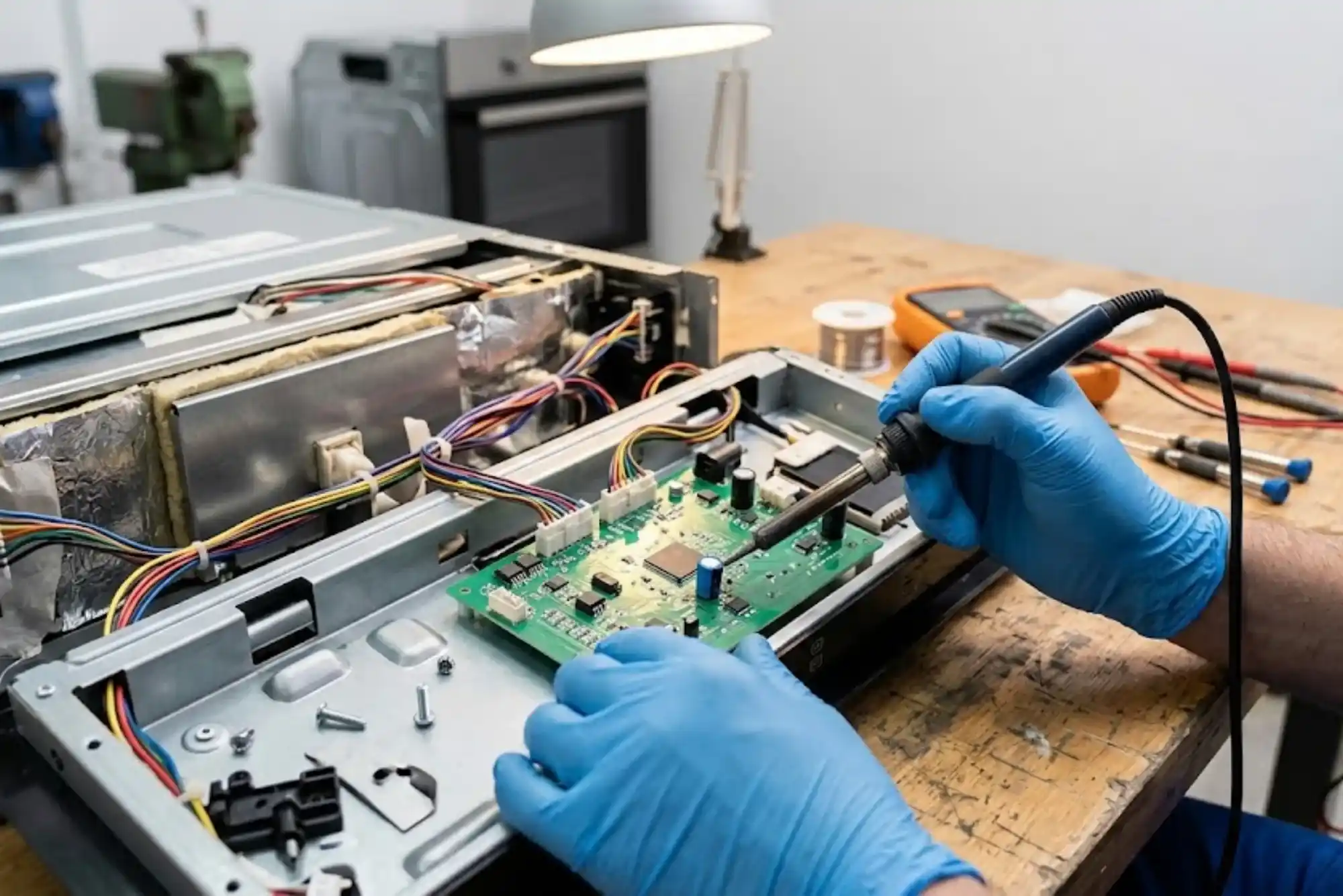
During a service call, the technician typically begins with a general inspection of the machine, checking for physical signs of wear, water leakage, or burned-out parts. They may use digital meters to check circuit integrity or software tools to identify error codes stored in the control panel. This process ensures a fast and accurate resolution, minimizing the risk of further damage during amateur repairs.
The Importance of Using Genuine Parts in Repairs
If the diagnosis points to a faulty component—whether it’s the motor, lid switch, drain pump, or control board—replacing it with a genuine, manufacturer-approved part is critical. Aftermarket or incompatible parts may offer temporary fixes but often lead to additional issues down the line. They can also void the machine’s warranty or interfere with its built-in safety systems.
Professional repair services maintain relationships with authorized parts suppliers to ensure that all replacements meet original specifications. This not only ensures durability but also safeguards performance and energy efficiency. Investing in quality repair today can extend the life of the washing machine by several years.
Why Urgent Repair Matters
Some appliance issues can wait a day or two for service. But when it comes to spin cycle failure, delaying repairs can escalate the problem. Wet clothes can cause water damage to your laundry area, especially in top-load washers where manual drainage isn’t easy. Machines that consistently fail to spin may also begin skipping other cycles, leading to a total shutdown.
In areas with busy households or high laundry turnover—such as family homes, rental units, or shared apartments—having a functioning washer is a daily necessity. Immediate response and on-site diagnostics ensure that users can return to normal routines as soon as possible. That’s why urgent repair services are increasingly in demand for washing machine faults that affect core functionality.
Preventive Measures for Long-Term Performance
While breakdowns are sometimes inevitable, certain preventive practices can reduce the likelihood of spin cycle failures. Avoiding overloading the machine and distributing laundry evenly in the drum are two simple yet effective habits. Regularly cleaning the filter and checking the drain hose for clogs also helps maintain smooth water flow, which is essential for proper spinning.
Additionally, keeping the washer on a level surface prevents unnecessary vibrations that can misalign internal parts over time. Scheduling an annual appliance maintenance check is another smart way to catch developing issues before they disrupt service. In the long run, proactive care is far more cost-effective than emergency repairs or full machine replacements.
The Value of Local, Trusted Repair Services
Working with a local appliance repair service offers numerous advantages. Local technicians can often respond faster, understand the specific usage conditions in your area (such as hard water issues), and provide personalized service that’s often missing from big-brand repair centers. Many also offer flexible appointment scheduling, follow-up support, and service warranties that give homeowners peace of mind.
Furthermore, choosing a company with positive reviews and a solid reputation ensures that your washing machine is in reliable hands. Trust and transparency play a key role in customer satisfaction, especially when dealing with high-value appliances.When your washing machine won’t spin, the problem is more than just a minor inconvenience—it’s a serious disruption that impacts your home’s efficiency, hygiene, and comfort. The reasons behind the issue can vary, ranging from user errors to mechanical or electrical malfunctions. Regardless of the cause, acting quickly and relying on professional service is the best approach.Ignoring the issue can lead to more serious complications, but with the help of skilled technicians and genuine parts, most spin cycle problems can be resolved quickly and cost-effectively. Staying informed about what causes these issues and how to prevent them gives homeowners better control over their appliances and peace of mind when things go wrong.