Introduction: Why Surface Elements Matter
A stove is one of the most frequently used appliances in any home, and its surface elements are the heart of daily cooking routines. These elements provide the heat necessary to boil, fry, sauté, or simmer meals. Over time, however, surface elements may wear out, become inconsistent, or fail entirely. Knowing how to replace them can save you money, restore efficiency, and extend the life of your stove.
This article provides a detailed, professional-level explanation of the replacement process, covering everything from diagnosis to final testing. Instead of simply listing steps, it walks you through the reasoning and safety measures, ensuring that you not only complete the task but also understand why each action matters.
Recognizing When a Surface Element Needs Replacement
The first step in solving any appliance issue is knowing when something is wrong. A surface element does not usually stop working overnight without warning. You may notice signs such as uneven heating, visible damage like blisters or cracks in the coil, or elements that take significantly longer to reach cooking temperature. In some cases, you might also detect a burning smell, which indicates the internal wiring or connectors are failing.
It is important not to ignore these symptoms. Continuing to use a faulty element can increase the risk of electrical shorts or even cause secondary damage to the stove’s receptacle block. Acting early keeps the issue simple and avoids higher repair costs.
Prioritizing Safety Before Beginning
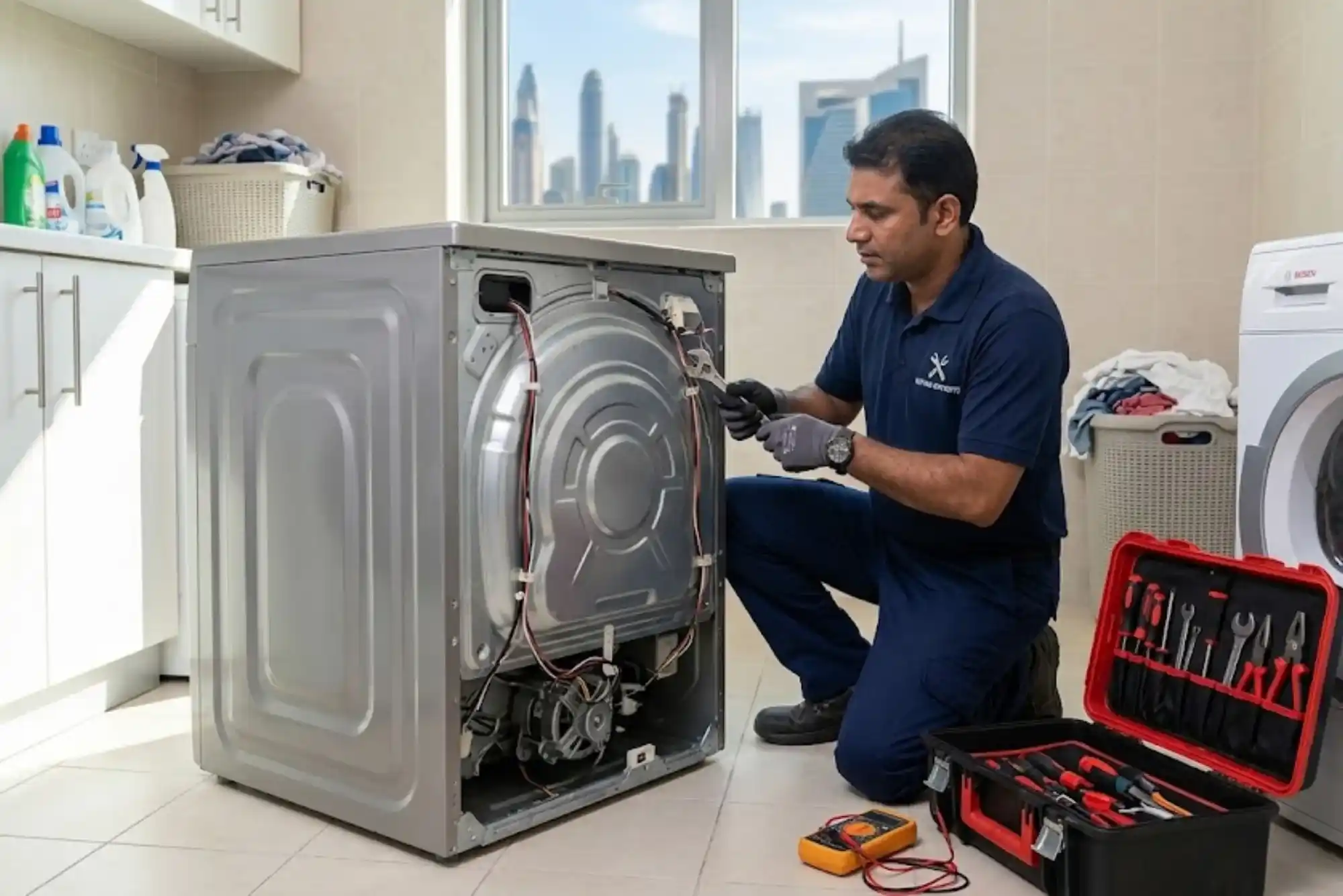
Replacing a stove surface element may seem straightforward, but it involves handling electrical components. Safety should be your top priority. Always ensure the stove is turned off, and if possible, disconnect it completely from the power source. For electric stoves, this usually means unplugging it from the wall outlet or switching off the circuit breaker that supplies power.
Even if the stove is off, residual current can pose risks. Wearing insulated gloves and using tools with rubberized grips provide extra layers of protection. A multimeter can also confirm that no current is flowing through the element connections before you proceed. Professional technicians always adopt these practices, and homeowners should do the same to prevent accidental shocks.

Understanding How Stove Surface Elements Work
To replace something effectively, it helps to understand its function. Electric surface elements operate by converting electricity into heat through resistance. The coils contain a resistance wire that heats up when current passes through it. In glass-top stoves, radiant or halogen elements serve the same purpose but are encased beneath a smooth surface.
When an element stops working, the issue may lie in the coil itself, the receptacle block where it connects, or the control switch regulating the current. By testing these components systematically, you avoid replacing a good element unnecessarily. This deeper understanding also prepares you to diagnose future problems more accurately.
Choosing the Correct Replacement Part
Not all surface elements are interchangeable. Manufacturers design elements in specific sizes and wattages to match their models. Using an incorrect replacement can cause uneven cooking or even damage the appliance.
Check your stove’s model number, usually found inside the oven door frame or on the back panel, and match it to the replacement element specifications. Reputable suppliers will list compatible models. Avoid generic parts unless they are explicitly approved as universal and rated for your stove. High-quality replacements may cost slightly more, but they ensure safe operation and better longevity.
Preparing Tools and Workspace
A well-organized workspace speeds up the process and minimizes mistakes. Before starting, gather essential tools such as a screwdriver set, needle-nose pliers, a multimeter, and protective gloves. Keep the new surface element and, if necessary, a replacement receptacle block nearby.
Clear the area around the stove, giving yourself enough room to maneuver. Place a soft cloth or mat on the counter to set down removed parts without scratching or damaging them. Having everything prepared prevents unnecessary interruptions once you begin.
Removing the Old Surface Element
On coil-style stoves, the process typically begins by lifting the faulty element slightly and pulling it straight out of the receptacle. This may require some wiggling but should not involve excessive force. If the element is stuck, residue or corrosion may be the cause. In such cases, gently clean the area before attempting again.
For glass-top stoves, removing a radiant element is more involved. You must first lift the glass cooktop carefully after loosening the securing screws. The element sits beneath the surface, connected with mounting brackets and wires. Photographing the configuration before disassembly helps you reassemble everything correctly later.
Inspecting and Cleaning the Receptacle Block
After removing the element, inspect the receptacle block where it connects. Burn marks, melted plastic, or loose terminals indicate that the block is also faulty. Replacing only the element without addressing a damaged receptacle can result in the new element failing prematurely.
If the receptacle is in good condition, clean it with a soft brush or electrical contact cleaner to remove dust or debris. This ensures a solid connection for the replacement element. If damaged, replace it following the same disassembly approach, making sure to reconnect wires securely using proper electrical connectors.
Installing the New Surface Element
Installing a new element is usually straightforward. For coil stoves, align the prongs with the receptacle block and push firmly until it sits flush. Ensure it feels secure without wobbling. For glass-top stoves, secure the new radiant element using the same brackets and screws you removed earlier, then carefully lower the cooktop back into place.
Throughout installation, double-check wire connections for tightness. Loose connections not only reduce performance but can also create sparks or overheating issues. Once the element is in place, visually compare it to the other elements to confirm proper alignment.
Testing for Proper Functionality
After reassembling the stove, reconnect the power supply. Turn on the replaced element and observe closely. It should heat evenly across the coil or radiant surface within a few moments. Listen for unusual sounds or watch for flickering, which may signal a loose connection.
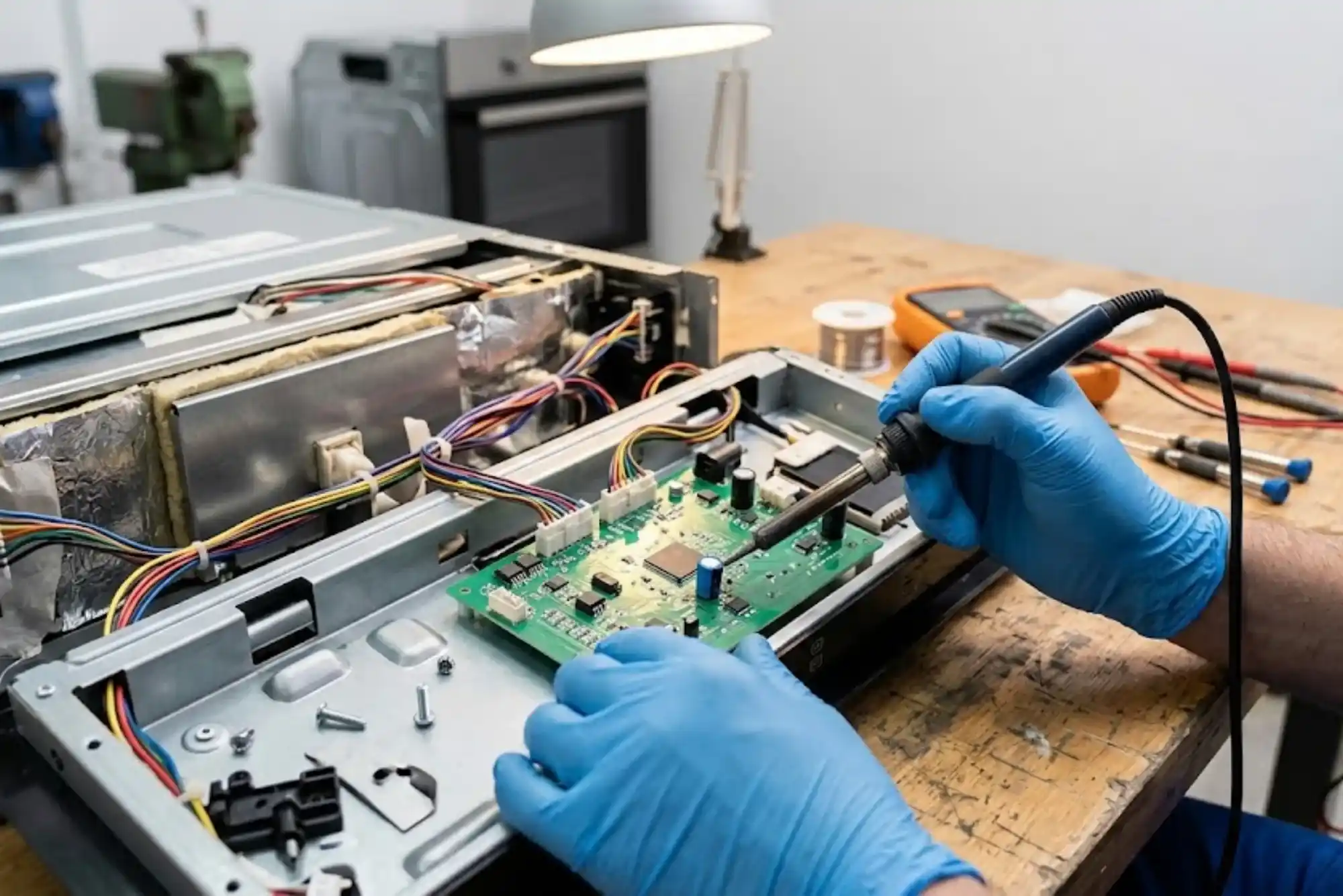
If the element fails to heat, use a multimeter to check continuity. This simple test verifies whether the current flows properly through the new part. If continuity is absent, the issue may lie in the control switch rather than the element itself. In that case, further diagnosis is required.
Common Mistakes and How to Avoid Them
One frequent mistake is forcing the element into place without aligning the prongs correctly. This can damage both the new element and the receptacle. Another error is neglecting to replace a worn receptacle block, which causes repeated failures. Some homeowners also forget to disconnect power, exposing themselves to electrical hazards.
Avoiding these mistakes requires patience and attention to detail. Take photographs during disassembly, label screws if needed, and never skip safety steps. By approaching the task methodically, you minimize risks and ensure lasting results.
Benefits of Replacing the Element Yourself
Hiring a technician for a simple element replacement can be costly, often exceeding the price of the part itself. By learning to do it yourself, you save money while also gaining valuable skills for future appliance maintenance. The process also deepens your understanding of how household appliances function, which builds confidence in tackling other small repairs.
Moreover, timely replacement ensures energy efficiency. A functioning element heats evenly, reducing cooking times and lowering electricity consumption. This not only benefits your household budget but also contributes to more sustainable living.
When to Call a Professional Instead
Although many homeowners can successfully replace a stove surface element, there are cases where professional help is advisable. If your stove is under warranty, self-repair may void coverage. Complex issues involving wiring, switches, or electronic controls also require specialized expertise.
If after replacement the element still does not work, the problem may involve deeper electrical circuits. Attempting to troubleshoot beyond your comfort level can be unsafe. At that stage, calling a qualified technician ensures the stove is properly diagnosed and repaired.
Long-Term Maintenance Tips
To maximize the life of your new surface element, adopt simple maintenance practices. Keep the stovetop clean to prevent grease and residue buildup, which can damage coils or affect heat distribution. Avoid dropping heavy cookware onto glass tops, as this can crack the surface and damage elements beneath.
Regularly check elements for discoloration or warping, which may signal early wear. Replacing parts promptly prevents strain on other components. Just as importantly, never exceed the recommended cookware size for each element, since oversized pots can stress the unit and reduce efficiency.
A Simple Repair with Big Benefits
Replacing a stove surface element may initially seem daunting, but with the right knowledge, tools, and safety precautions, it becomes a manageable task for most homeowners. From diagnosing issues and selecting the correct replacement part to safely installing and testing, every stage builds toward restoring your stove to peak performance.
Not only does this repair save money, but it also offers a sense of empowerment. Understanding how your appliances work transforms you from a passive user into an informed caretaker. By investing a little time and effort, you ensure reliable cooking performance, greater safety, and a longer lifespan for your stove.