If you’re dealing with an air conditioning unit—whether for your home, office, or commercial space—knowing the type of refrigerant it uses is more than just technical trivia. It’s critical for safe servicing, proper maintenance, and legal compliance, especially as refrigerant standards continue to evolve. With rising concerns about environmental impact and energy efficiency, modern systems have shifted away from older refrigerants like R-22 in favor of more eco-friendly alternatives such as R-410A and R-32.
But what happens when you don’t have the original manual or the installer is long gone? That’s a very common situation for homeowners, renters, and even technicians facing an unknown unit. So how can you accurately identify the refrigerant type used in your AC system? That’s what this guide is here to explain—clearly, practically, and with real-world tips you can use today.
Let’s walk through everything you need to know about identifying your air conditioner’s refrigerant type, and why getting it right is so important.
Why Refrigerant Type Matters
Before diving into how to identify refrigerant types, it helps to understand why it matters. Refrigerant is the chemical compound responsible for cooling the air in your system. It circulates through coils, absorbs heat from inside the space, and releases it outside. But not all refrigerants are created equal. Some are now banned due to their ozone-depleting potential, while others are more efficient or safer to handle.
Mixing refrigerant types—even accidentally—can permanently damage the system, reduce efficiency, or pose safety risks. In fact, servicing a unit with the wrong refrigerant can void warranties, violate EPA regulations, and result in costly repairs. So whether you’re recharging the AC, repairing a leak, or replacing a component, identifying the correct refrigerant type is a crucial first step.
Start With the Manufacturer’s Label
One of the easiest and most reliable ways to identify the Refrigerant Type is by checking the nameplate or manufacturer’s label on the outdoor condenser unit. This label usually contains essential system information, including the refrigerant type, system capacity, voltage, and model number. Look for a line that reads something like “Refrigerant: R-410A” or “Charge: R-22.”

This label is typically found on the side or back of the outdoor unit and is printed on a metal plate or durable sticker. If it’s faded or missing, you may need to dig a little deeper—but for most modern systems, the refrigerant type will be clearly marked right there.
Check the User Manual or Installation Guide
If you have access to the air conditioner’s user manual or original installation paperwork, that’s another trustworthy source for identifying the refrigerant. These documents often contain detailed specifications and even charging charts for different ambient temperatures.
Even if you don’t have the printed version, many manufacturers provide digital manuals on their websites. You can usually search using the model number, which might still be visible on the unit’s label. It’s a great idea to save a PDF of your system’s manual for future reference—it can save you from guesswork later on.
Understand the Age of Your System
The age of your AC unit can be a major clue when trying to determine its refrigerant type. If your air conditioner was manufactured before 2010, there’s a high chance it uses R-22, a refrigerant that has since been phased out due to its harmful environmental effects. Units made after 2010—especially in North America and the UAE—are more likely to use R-410A or R-32, which are considered safer and more environmentally friendly.
That said, the manufacturing date alone isn’t definitive. Some older units were retrofitted, and some regions adopted newer refrigerants faster than others. But if you’re dealing with a decades-old unit and can’t find a label, R-22 is a likely candidate. Still, confirmation from a professional or more direct evidence is always better than assumptions.
Consult a Licensed HVAC Technician
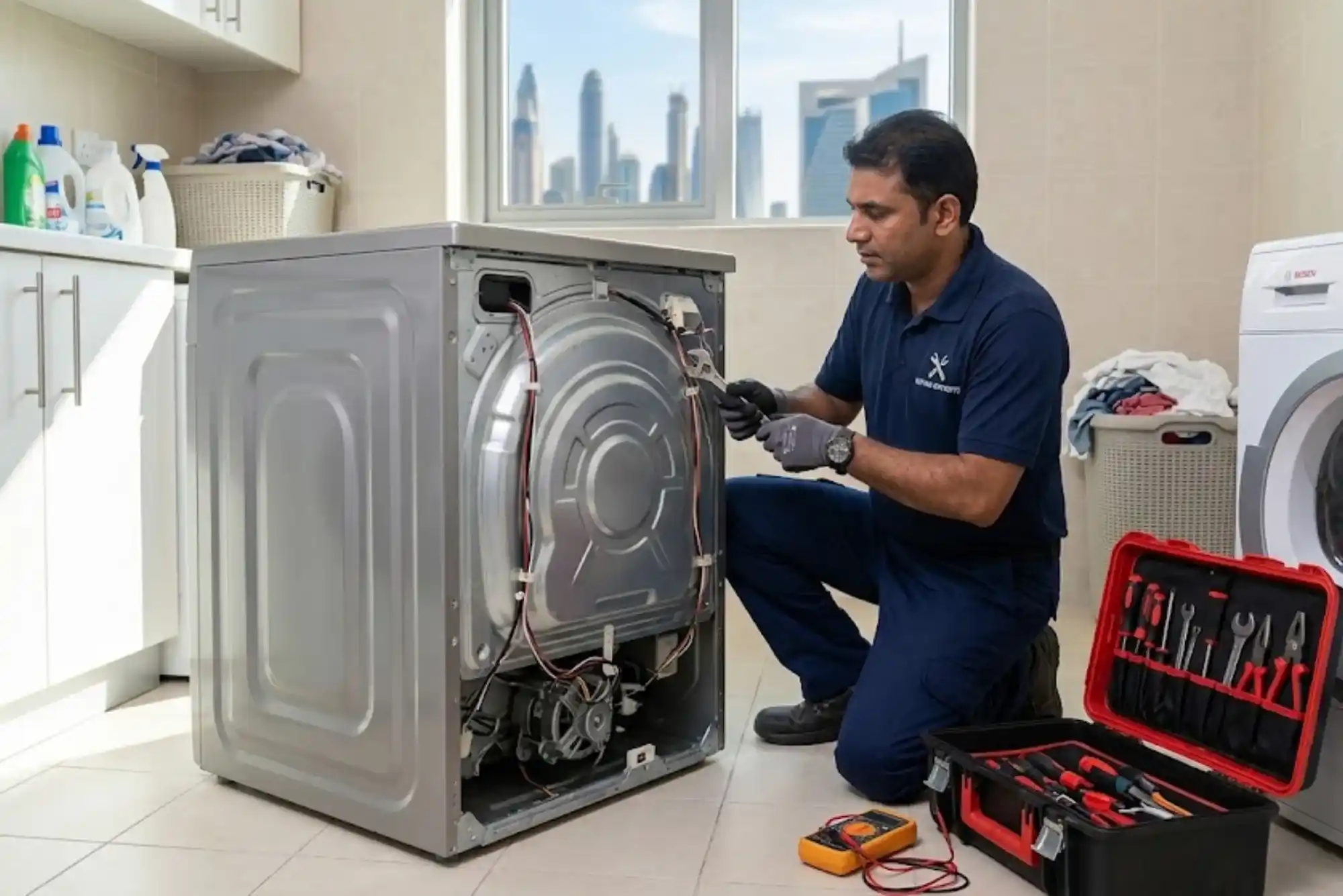
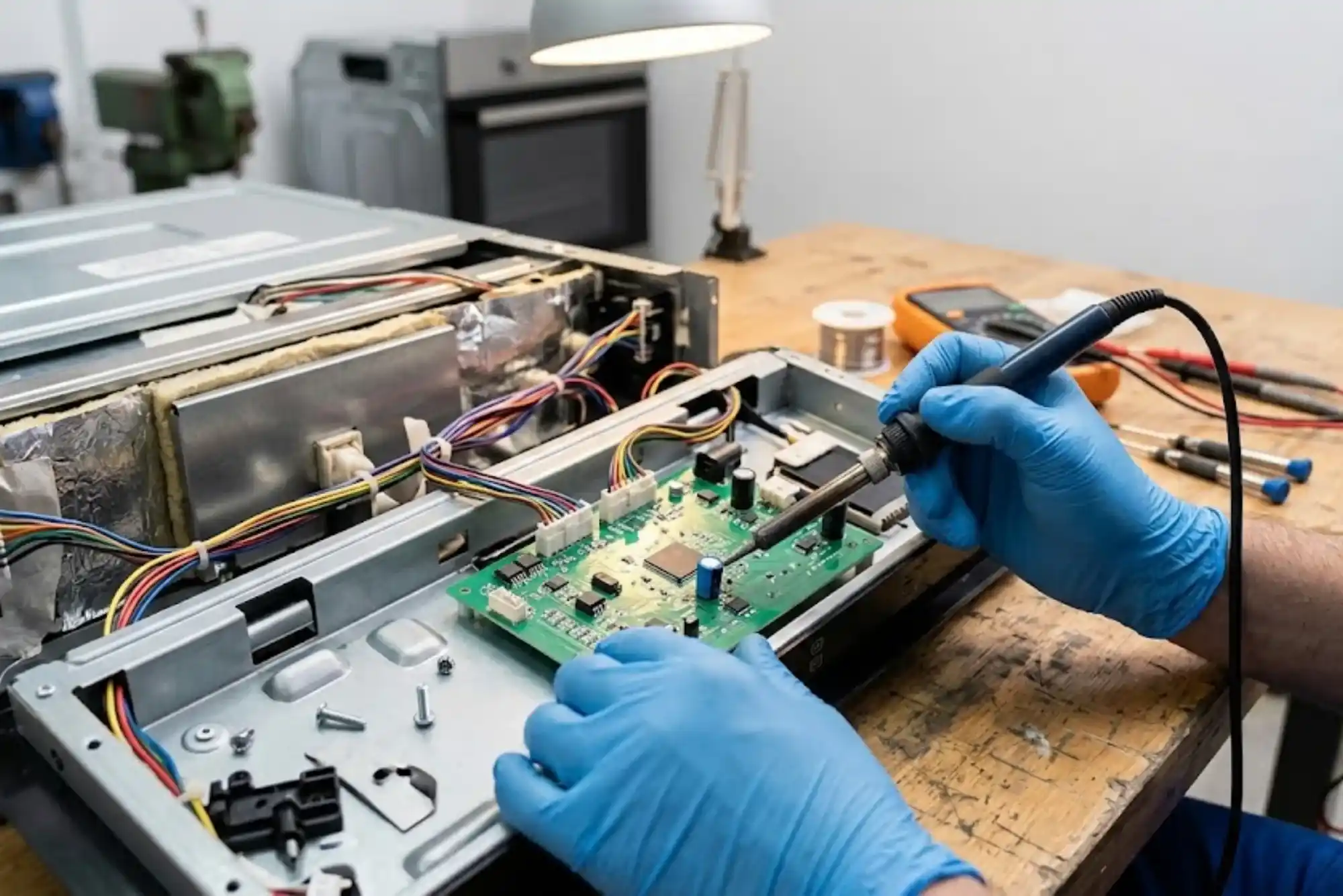
When in doubt, always reach out to a licensed HVAC professional. Experienced technicians have the tools and training to identify refrigerant types without damaging the system. They might inspect service valves, pressure readings, or even perform chemical tests in complex cases. While it may involve a service charge,Post Category, the peace of mind and legal safety it provides is often well worth the cost.
More importantly, certain refrigerants, especially older ones like R-22, are now regulated substances. In many countries, only certified technicians can legally handle them. Attempting to recharge or service these systems without the proper qualifications can result in fines or hazards.
Using System Pressure and Temperature Readings
Technically savvy users or HVAC professionals sometimes identify refrigerants by analyzing pressure and temperature behavior. Each refrigerant type has specific pressure-temperature relationships at given conditions. By attaching a pressure gauge set and thermometers to the unit, you can match observed values to known refrigerant charts.
For example, if your system shows a suction pressure of around 118 psi at 40°F evaporator temperature, this may align closely with R-410A characteristics. However, this method requires accurate tools, understanding of refrigeration cycles, and cautious handling. Misreading the data or using the wrong charts can lead to dangerous assumptions, so this approach is best left to professionals or advanced DIYers.
Examine the Service Valve Ports
Different refrigerants often require different types of service tools. For example, R-410A systems operate at significantly higher pressures than R-22 and use larger diameter service ports. In some cases, the presence of pink or purple color-coded caps on the ports may also indicate R-410A refrigerant. Meanwhile, R-22 units might have green or light blue markings.
Again, these visual indicators are not universal or foolproof. Manufacturers don’t always follow a strict color code. But if you’re experienced in handling AC systems, valve and port design can provide another useful data point in identifying the refrigerant type.
The Rise of R-32 and Eco-Friendly Refrigerants
In recent years, more air conditioners have begun using R-32—a newer refrigerant known for its low global warming potential and high efficiency. Many split-type systems and inverter ACs manufactured after 2018 in places like Dubai, India, and Southeast Asia now come with R-32 as standard.
If you’ve recently bought a new unit, there’s a good chance it runs on R-32. This refrigerant often comes labeled clearly on the unit with energy efficiency tags or green certification stickers. R-32 also requires specific handling practices, so it’s essential to confirm the type before any service work is done.
Portable ACs and Window Units: What’s Different?
Portable and window ACs follow the same refrigerant rules, but sometimes manufacturers hide the specs on the bottom or rear of the unit where they’re hard to see. If you’re trying to identify refrigerant in a portable or window AC, it may involve moving the unit or checking behind the exhaust duct. Also, many of these units—especially lower-budget models—use different refrigerants than central systems.
It’s important not to guess. Even if you’re just cleaning or troubleshooting the unit, identifying the refrigerant ensures you stay within safe and manufacturer-approved practices.
Legal and Environmental Considerations
If you’re thinking about topping off refrigerant yourself, know that in many regions, refrigerant handling requires certification—not just for safety, but for environmental protection. Some refrigerants are classified as ozone-depleting substances and must be reclaimed or disposed of according to legal standards.
Identifying the refrigerant type correctly helps ensure the system is serviced ethically and legally. Whether you’re a homeowner trying to learn more, or a technician looking for a specific procedure, it’s critical to follow proper guidelines and never attempt to recharge an unknown system with just “any” refrigerant.
Common Refrigerant Types and Their Properties
While this article isn’t about listing every refrigerant out there, it’s helpful to recognize the most common types and what they’re known for:
- R-22 (Freon): Phased out due to ozone harm, used in older systems.
- R-410A (Puron): Standard in most systems after 2010; efficient and safe.
- R-32: A modern, eco-friendly alternative with higher efficiency ratings.
- R-134a and R-407C: Less common in home systems, often used in commercial or industrial applications.
Knowing these types and what systems they pair with can give you a quick reference point when working with or purchasing air conditioning units.
Final Thoughts
Identifying the refrigerant type in your air conditioning system isn’t just about reading a label—it’s about protecting the environment, ensuring system performance, and maintaining your own safety. Whether you’re dealing with a legacy R-22 system, a modern R-410A unit, or a high-efficiency R-32 model, proper identification allows you to make informed decisions on repairs, maintenance, or upgrades.
Always start with the basics—check the label, review the manual, and verify the system age. If you’re still unsure, don’t hesitate to call in a certified technician. Not only can they help identify the refrigerant type, but they can also advise you on system performance, possible upgrades, and compliance with current regulations.
In the end, a well-informed approach is the best defense against costly mistakes. And with air conditioning being such a vital part of everyday comfort—especially in hot climates like Dubai—keeping your system running efficiently and safely is worth every bit of effort.