An oven is one of the most essential appliances in a modern kitchen, relied on for everything from quick reheats to long, slow roasts. However, one of the most overlooked but frustrating issues that can arise is a misaligned oven door. Even a slight misalignment can lead to heat escaping, uneven cooking, and increased energy bills. While many homeowners might assume this problem requires a costly professional repair, the truth is that most oven door alignment issues can be diagnosed and fixed with some basic knowledge and simple tools.
This article explores in detail the common causes behind oven door misalignment, how to assess the severity of the issue, and safe methods to restore the door to its proper fit. By the end, you’ll understand the mechanics of an oven door, the steps involved in correcting alignment, and when it might be best to call in professional help.
Understanding Why Oven Door Alignment Matters
The oven door is designed to form a tight seal when closed. This seal traps heat inside the cavity, ensuring that food cooks evenly while the appliance maintains efficiency. If the door doesn’t sit flush against the oven frame, hot air escapes. This not only leads to longer cooking times and unevenly cooked dishes, but it also forces the heating elements to work harder, ultimately shortening the lifespan of the oven and increasing energy consumption.
A misaligned door can also pose safety concerns. If the gap becomes large enough, the outer surface may overheat, presenting a burn hazard. For gas ovens, misalignment may even interfere with combustion efficiency, creating potential safety risks. That’s why addressing alignment issues promptly is essential.
Common Causes of Oven Door Misalignment
Oven doors can lose alignment for several reasons, many of which develop gradually over time. One of the most frequent culprits is worn or bent hinges. These hinges bear the full weight of the door and are subjected to repeated stress every time the oven is opened or closed. Even a slight bend in a hinge arm can alter the way the door sits.
Another common factor is worn or damaged door gaskets. The gasket is the rubbery seal that runs along the perimeter of the oven door. If this material becomes compressed or cracked, the door may not close snugly against the oven frame, leading to the appearance of misalignment.
Improper installation can also play a role. If an oven has been moved or repositioned without careful attention, the frame may shift slightly, causing the door to hang unevenly. In other cases, an accidental impact—such as leaning heavily on the open door—can warp its alignment. Over time, grease buildup and debris can even interfere with the closing mechanism, preventing the door from sealing properly.
How to Assess the Severity of the Problem
Before attempting any repairs, it’s important to diagnose the root of the issue. Begin by inspecting the oven when it is completely cool. Stand directly in front of the appliance and close the door slowly, observing whether one side meets the frame before the other or if gaps appear around the seal.
Next, check the hinges by opening the door halfway and gently lifting upward. Excessive wobbling often indicates looseness or wear in the hinge mechanism. If the door feels unusually heavy or does not remain in a stable open position, the springs attached to the hinges may be weakening.
Examine the gasket closely for cracks, flattening, or food debris lodged in the folds. Even a small tear can compromise the seal. For built-in ovens, ensure the appliance is sitting level by using a spirit level across the top surface. An uneven installation can cause alignment issues that appear to originate from the door.
Step-by-Step Guide to Realigning an Oven Door
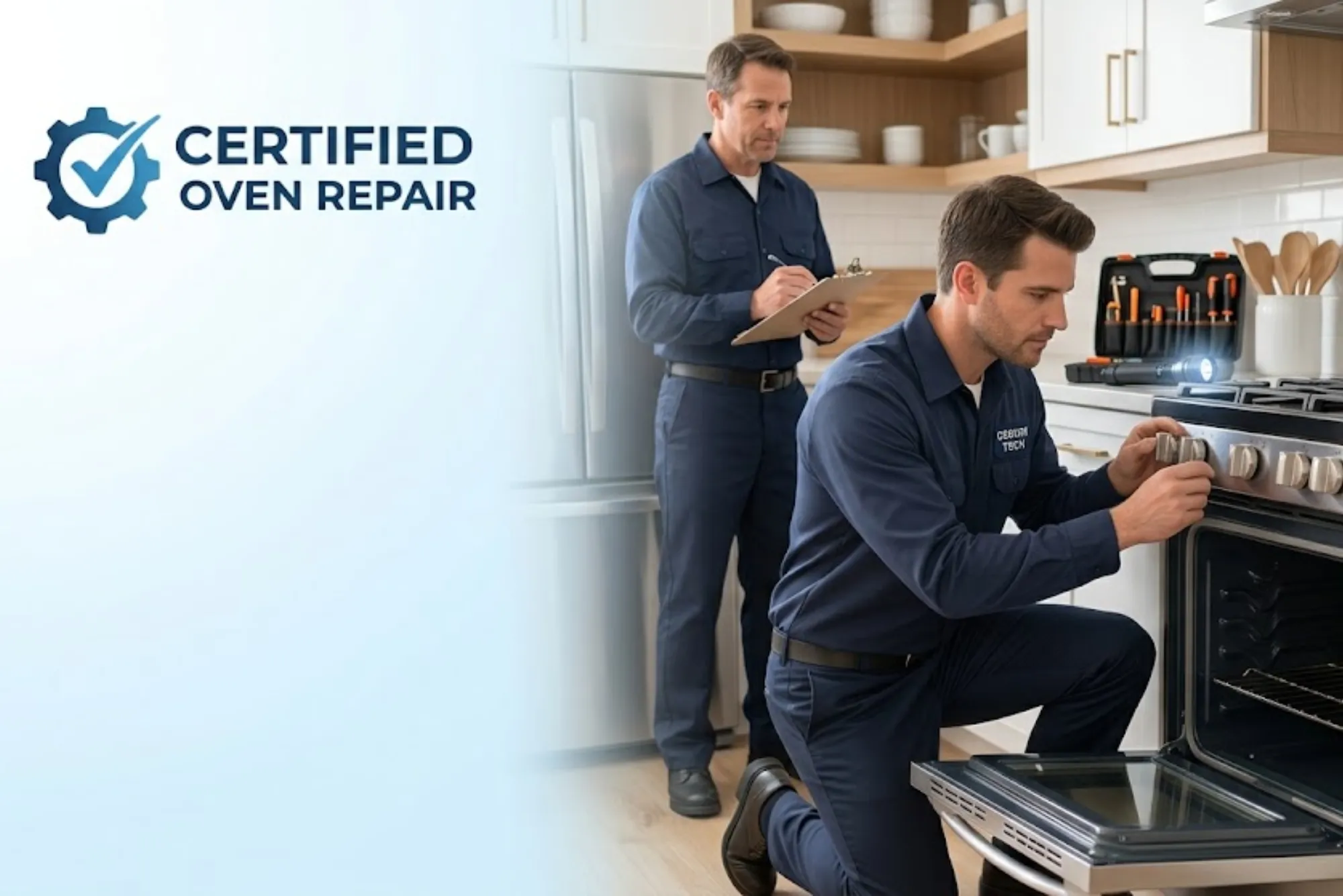
Realigning an oven door requires a methodical approach, beginning with safety precautions. Always disconnect the oven from its power source before attempting repairs, and if working on a gas unit, shut off the gas supply as well.
For most freestanding ovens, the door can be removed entirely to access the hinges. With the door fully open, look for small locking tabs or screws on the hinges. Releasing these allows the door to lift free from its mounting points. Once removed, inspect both hinges for signs of bending, cracks, or worn springs. If damage is visible, replacing the hinges is usually the best solution rather than attempting to bend them back into shape.
If the hinges appear intact, check the alignment of the hinge receivers on the oven frame. Sometimes these metal sockets can loosen slightly, causing misalignment. Tightening the mounting screws or realigning the receivers often resolves the issue.
For gasket-related problems, gently pull the old gasket out of its channel and press a new one into place, ensuring the corners sit flush. This replacement alone can correct a door that no longer closes tightly.
After making adjustments, reinstall the oven door by reversing the removal process. Ensure the hinges seat fully into their receivers and lock securely. Test the alignment by closing the door slowly and checking for uniform contact along all edges.
Tools and Materials You May Need
Most oven door alignment fixes require only basic tools that many households already possess. A screwdriver set is essential for removing hinge screws, while a pair of pliers can assist in gripping stubborn components. A flashlight helps illuminate hidden areas inside the hinge mechanism.
For gasket replacement, a new gasket specific to the oven model is required. Appliance stores or manufacturer websites typically provide model-specific parts. In some cases, high-temperature silicone adhesive may be needed to secure the gasket ends.
Having a spirit level on hand ensures that the oven itself is not contributing to the problem. A soft cloth and mild cleaning solution are also useful for clearing away grease and debris that may interfere with the door seal.
Preventing Future Alignment Problems
Once the oven door has been successfully realigned, proper maintenance can help prevent the issue from recurring. Avoid leaning heavily on the open door or using it as a resting surface for heavy dishes, as this places unnecessary strain on the hinges. Clean the gasket regularly with mild soapy water to prevent grease buildup, which can compromise its flexibility.
Check the gasket every few months for early signs of wear, and replace it promptly if cracks or tears appear. If the oven is moved during kitchen renovations or cleaning, always ensure it is repositioned evenly on the floor or in the cabinet space to avoid frame distortions.
Simple habits, such as closing the door gently rather than slamming it shut, also extend the lifespan of the hinges and sealing mechanisms.
When to Call a Professional
While many oven door alignment issues can be resolved with DIY methods, there are situations where professional assistance is recommended. If hinge springs are broken or the door glass has become loose, handling repairs without proper training can be risky. Similarly, if the oven door alignment problem persists despite adjustments, it may indicate a deeper structural issue within the appliance.
Gas ovens in particular require caution, as any repair near the combustion chamber or seals must be handled with expertise to avoid safety hazards. Calling a certified technician ensures that the repair is completed safely and effectively, often with warranties on the replacement parts and labor.
Final Thoughts on Oven Door Alignment Repairs
A misaligned oven door is more than just a minor inconvenience—it can affect cooking performance, increase energy use, and even present safety concerns. Fortunately, with a clear understanding of the causes and solutions, homeowners can often tackle the problem without resorting to costly replacements.
From inspecting hinges and replacing gaskets to ensuring the oven itself is level, the steps involved in fixing an oven door are manageable with patience and care. Preventive maintenance further ensures long-term performance, helping the oven remain an efficient and reliable kitchen companion.
When in doubt, especially with complex or gas-powered appliances, don’t hesitate to consult a professional technician. By addressing alignment issues promptly and properly, you not only restore your oven’s function but also extend its service life—saving time, money, and frustration in the long run.