A dishwasher is one of the most valuable appliances in any modern kitchen, saving both time and effort while ensuring dishes remain spotless after every meal. While many people focus on cleaning the dishes, filters, and spray arms, one critical part often gets overlooked: the dishwasher gasket.
The gasket, typically made of rubber or silicone, is the seal that runs along the door edges of the dishwasher. Its primary purpose is to keep water from leaking out during wash cycles. Despite being a small component, the gasket plays a vital role in keeping the appliance efficient, safe, and hygienic.
Over time, food particles, soap residue, and moisture build up around the gasket. This creates the perfect breeding ground for mold, mildew, and bacteria, leading to foul odors and potential health concerns. In addition, dirt accumulation weakens the rubber, causing cracks or tears that may result in leaks. Proper care and maintenance of your dishwasher gasket not only improve performance but also extend the life of the appliance.
In this detailed guide, we will explore everything you need to know about cleaning and maintaining dishwasher gaskets, including why they matter, how to clean them thoroughly, and tips to prevent long-term damage.
Understanding the Role of Dishwasher Gaskets
Before diving into cleaning techniques, it is important to understand why the gasket deserves special attention. Each time you run your dishwasher, gallons of water circulate under high pressure. Without a reliable gasket, that water could easily escape, damaging kitchen floors and cabinetry. The gasket compresses when the dishwasher door closes, forming a tight seal that keeps the wash cycle contained.
Because the gasket is constantly exposed to heat, moisture, and food debris, it naturally collects grime. The warm and damp environment inside the dishwasher makes it even more vulnerable to mold growth. If not maintained, the gasket loses its elasticity and sealing ability, leading to water leaks and reduced efficiency. Regular cleaning ensures that it remains flexible and functional, providing the strong seal your dishwasher needs.

Common Problems Caused by Dirty or Damaged Gaskets
Ignoring dishwasher gasket maintenance can lead to several issues that affect both performance and hygiene. One of the most common problems is unpleasant odors. When food particles and grease become trapped in the folds of the gasket, they decay and release a foul smell each time the dishwasher is opened.
Another issue is mold and mildew growth. These thrive in moist environments, and when they take hold inside the gasket, they not only smell but also pose potential health risks. Mold spores can transfer onto dishes, undermining the very purpose of having a dishwasher in the first place.
Water leakage is perhaps the most serious concern. A cracked or hardened gasket cannot create a tight seal, allowing water to seep out during cycles. This not only damages the appliance but may also ruin nearby flooring or cabinetry. Eventually, the cost of repairs could exceed the price of simple maintenance.
Steps for Cleaning Dishwasher Gaskets
Cleaning dishwasher gaskets is not complicated, but it requires consistency and attention to detail. The goal is to remove grime, eliminate odors, and restore the gasket’s flexibility. The process typically involves wiping down the gasket with a mild cleaning solution, addressing any mold growth, and drying it thoroughly to prevent moisture buildup.
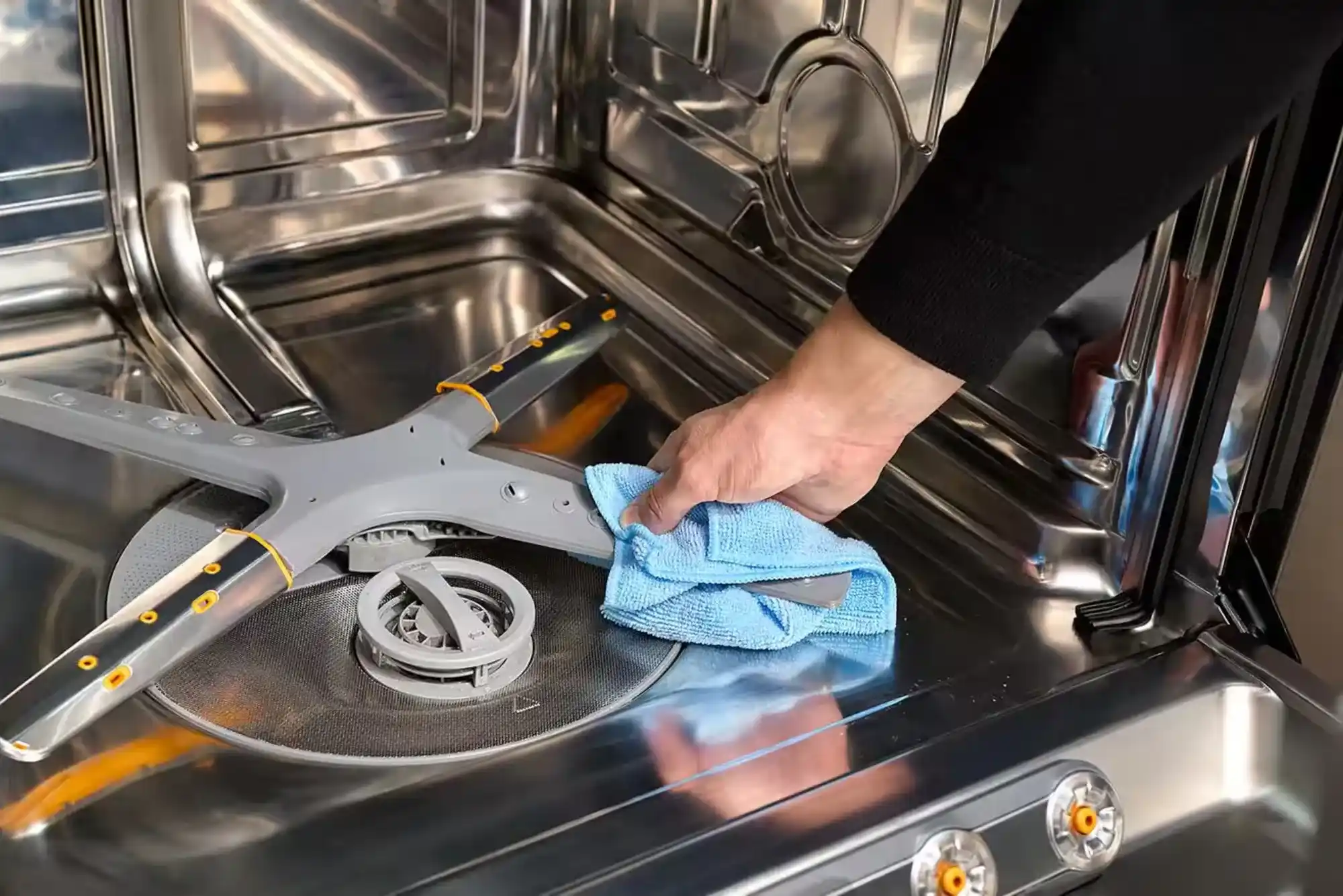
Start by carefully opening the dishwasher door and inspecting the gasket. Run your fingers gently along its length to check for debris, sticky residue, or dark mold spots. Using a soft cloth or sponge dipped in warm soapy water, wipe the gasket thoroughly. Avoid using harsh chemicals or abrasive tools, as these can damage the rubber. For stubborn spots or mold, a mixture of vinegar and water works effectively, breaking down grime while neutralizing odors. Baking soda can also be applied sparingly to scrub away tough stains without harming the material.
Once the gasket is clean, use a dry cloth to remove any remaining moisture. This step is crucial because leaving the gasket damp encourages mold regrowth. If you notice cracks or signs of wear during cleaning, it may be time to replace the gasket entirely.
Preventing Gasket Damage Through Proper Maintenance
Cleaning is only one part of dishwasher gasket care. Preventive maintenance ensures that the gasket remains in good condition for years. Simple habits, such as leaving the dishwasher door slightly ajar after a cycle, allow air circulation and prevent moisture buildup. Regularly wiping down the gasket after each wash cycle also goes a long way in maintaining its cleanliness.
Avoid slamming the dishwasher door shut, as this puts unnecessary stress on the gasket. Instead, close it firmly but gently to preserve the seal. In addition, inspect the gasket regularly for signs of deterioration, such as brittleness or discoloration. Replacing a gasket at the first sign of damage prevents leaks and protects your dishwasher from bigger issues.
Professional Care and When to Seek Help
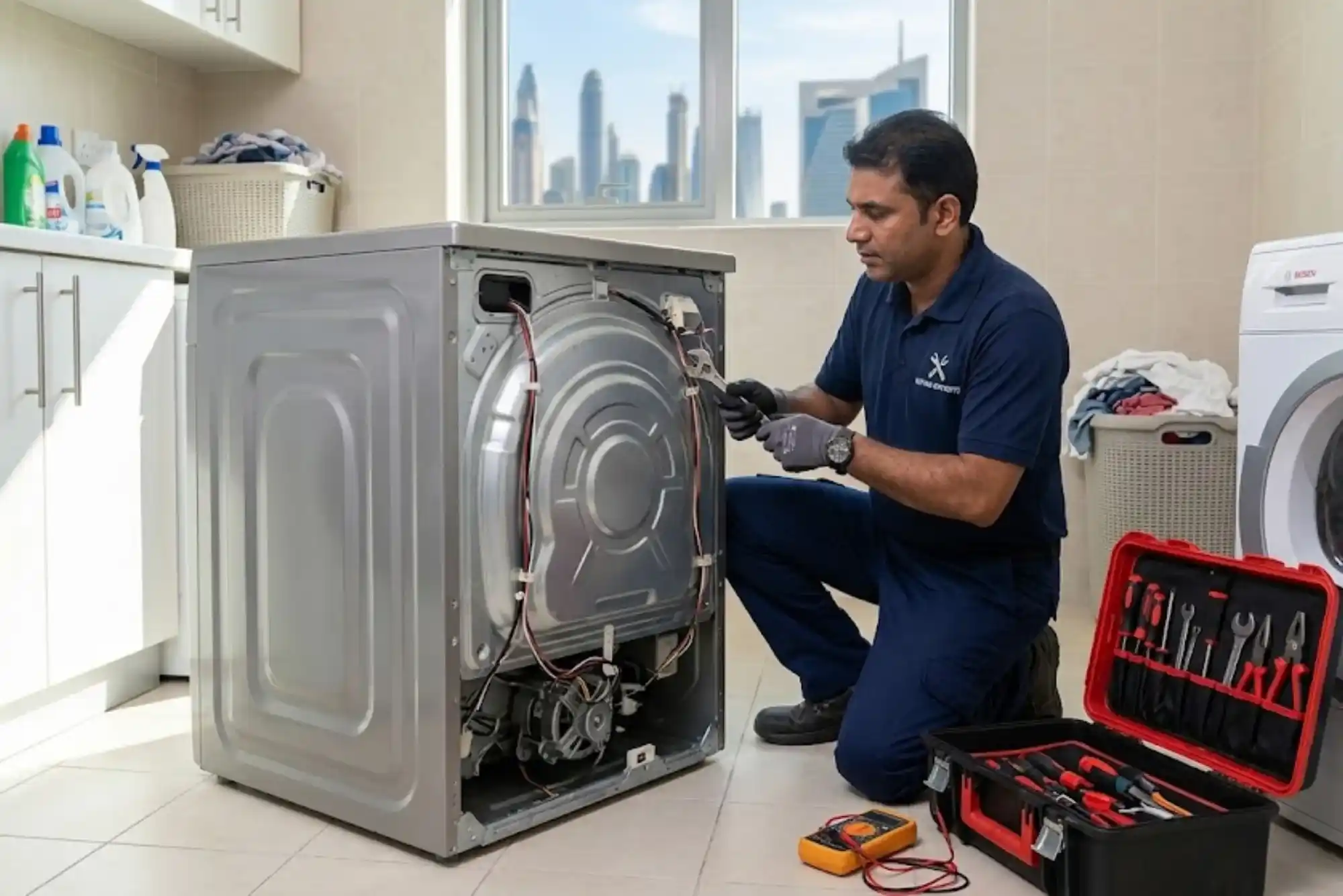
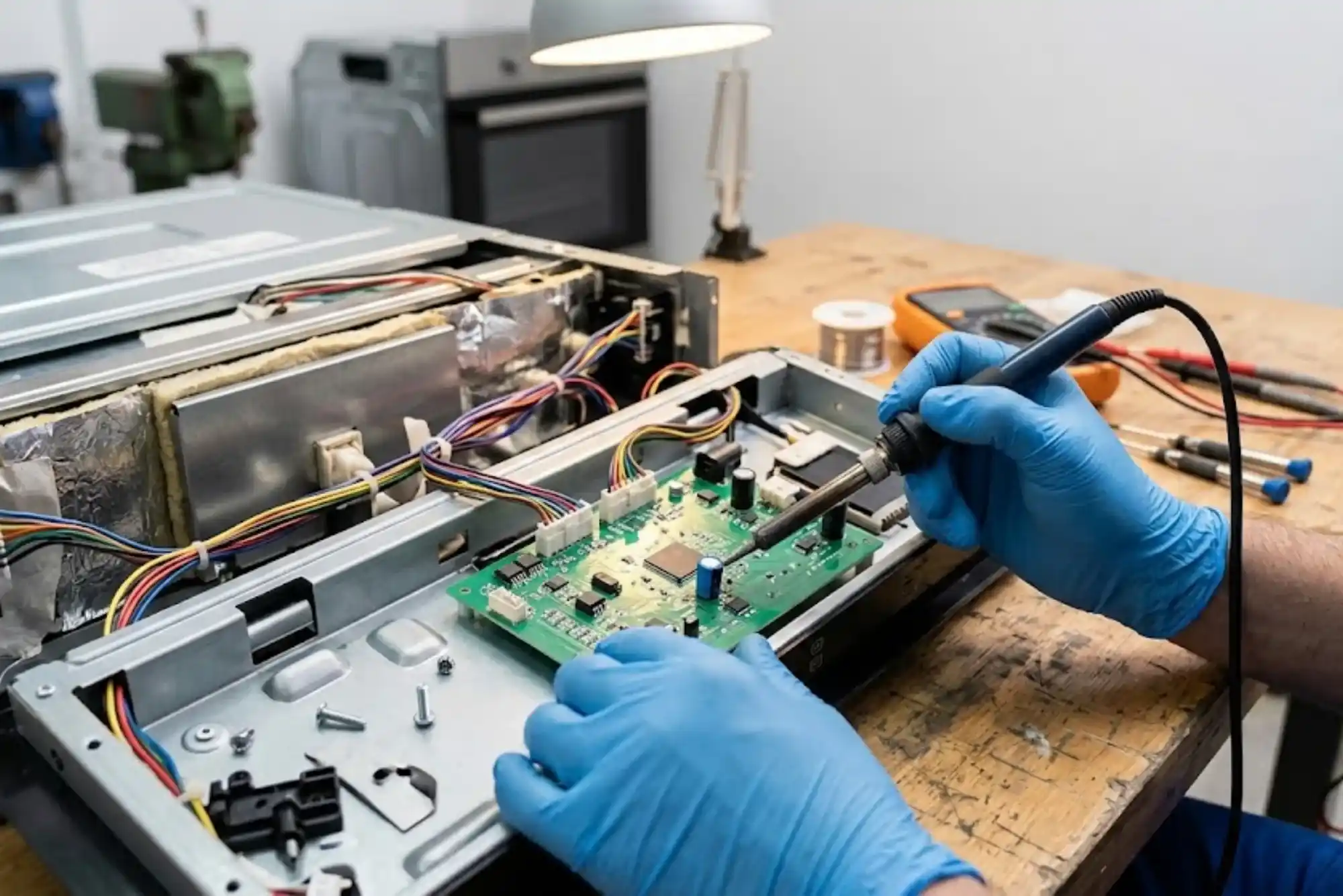
While most cleaning and maintenance can be done at home, there are times when professional care is necessary. If you notice persistent leaks even after cleaning, it may indicate that the gasket has worn out and needs replacement. Similarly, if mold growth keeps returning despite regular cleaning, a deeper inspection by a technician may be required to ensure there are no hidden issues.
Professional appliance repair services can provide thorough cleaning, gasket replacement, and inspection of related components such as hinges and latches. Seeking expert help at the right time saves money in the long run and extends the overall lifespan of the appliance.
The Importance of Consistency in Dishwasher Care
Dishwasher gaskets often go unnoticed until a problem arises, but consistent care prevents costly repairs and health concerns. By incorporating gasket maintenance into your regular cleaning routine, you keep your dishwasher operating smoothly and hygienically. Clean gaskets not only prevent leaks but also ensure that every cycle leaves your dishes truly clean and safe to use.
Explore the latest insights and expert tips on home appliance care at Hafixer. Our blog section covers essential topics such as dishwasher door repair in Dubai, along with practical guides like How to Clean and Maintain Dishwasher Gaskets and How to Clean a Dishwasher in 5 Steps. We also provide valuable information about Home Appliance Repairing Service In Dubai to help you keep your appliances running efficiently. Stay updated with professional advice, maintenance techniques, and cost-saving solutions designed to extend the lifespan of your household appliances.
Think of the gasket as the invisible guard that keeps your dishwasher efficient. Without it, even the most advanced dishwasher cannot function properly. A few minutes of attention each week can make the difference between a reliable appliance and one that fails when you need it most.
Caring for dishwasher gaskets may seem like a small task, but it has a significant impact on performance, hygiene, and durability. Neglecting this essential component leads to odors, mold, leaks, and even appliance failure. On the other hand, regular cleaning with mild solutions, careful drying, and preventive maintenance keeps your dishwasher running smoothly for years.Whether you choose to handle gasket care yourself or call in professionals when needed, the key lies in consistency.
A well-maintained gasket ensures a strong seal, efficient cleaning, and peace of mind knowing that your dishwasher is working at its best. By giving attention to this overlooked part, you protect both your appliance and your home, proving once again that small details make a big difference.