Air conditioning has become a basic necessity rather than a luxury, especially in regions where temperatures remain high for most of the year. Whether at home, in an office, or in a commercial environment, an AC unit plays a critical role in maintaining comfort, air quality, and productivity. Yet one question continues to puzzle many homeowners and property managers: How Often Should You Service Your AC Unit? The answer is not always as simple as once a year, because servicing frequency depends on usage, environment, system type, and overall maintenance habits.
Understanding the importance of regular AC servicing helps you avoid unexpected breakdowns, reduce energy bills, and extend the lifespan of your system. This article explores the topic in depth, explaining why servicing matters, how often it should realistically be done, and what can happen when maintenance is ignored.
Why Regular AC Servicing Is More Important Than Most People Think
An air conditioning unit is a complex system made up of mechanical, electrical, and refrigerant-based components that work together continuously during hot months. Over time, dust, dirt, moisture, and wear naturally build up inside the system. Without proper servicing, these small issues gradually turn into major problems that affect cooling performance and efficiency.
Many people assume their AC is fine as long as it is blowing cold air. However, internal components such as filters, coils, fans, and drainage lines may already be under stress long before visible symptoms appear. Regular servicing helps identify these hidden problems early, keeping the system stable and reliable. This is one of the main reasons experts emphasize understanding how often should you service your AC unit rather than waiting for it to fail.
How Climate and Usage Affect AC Service Frequency
Climate plays a major role in determining how often an AC system should be serviced. In hot and humid regions, air conditioners tend to run for longer hours and endure heavier loads compared to cooler climates. Continuous operation accelerates wear on components and increases the accumulation of dust and debris inside the unit.
Usage patterns also matter. A residential AC used a few hours a day will not face the same stress as a system running nonstop in a commercial space. Homes with pets, smokers, or high foot traffic also experience faster filter clogging and airflow restriction. These factors explain why the question how often should you service your AC unit does not have a one-size-fits-all answer and must be evaluated based on real-world conditions.

The Impact of Regular Servicing on Energy Efficiency
One of the most immediate benefits of timely AC servicing is improved energy efficiency. A system that is clean and well-maintained requires less power to cool a space effectively. Dirty filters, blocked coils, or low refrigerant levels force the unit to work harder, increasing electricity consumption and utility costs.
Over time, even a small efficiency drop can translate into significantly higher energy bills. Regular servicing restores optimal airflow and heat exchange, allowing the system to operate smoothly. This efficiency boost alone makes it worthwhile to seriously consider how often should you service your AC unit instead of postponing maintenance.
How Servicing Protects Your AC from Major Breakdowns
Most major AC failures begin as minor, easily fixable issues. Loose electrical connections, worn belts, clogged drains, or low refrigerant levels can all be resolved during routine servicing. When these issues are ignored, they place strain on larger components such as the compressor, which is one of the most expensive parts of the system.
Preventive servicing reduces the risk of sudden breakdowns during peak summer months when repair services are in high demand. It also saves money by avoiding emergency repairs and premature component replacements. This preventive approach is a key reason professionals stress the importance of understanding how often should you service your AC unit rather than waiting for signs of trouble.
Indoor Air Quality and Health Considerations
Air conditioners do more than cool the air; they also circulate it throughout your living or working space. When filters and internal components are dirty, the system can spread dust, allergens, mold spores, and bacteria. This can aggravate allergies, asthma, and other respiratory conditions, especially in children and elderly individuals.
Regular servicing includes cleaning or replacing filters and inspecting moisture-prone areas where mold may develop. Cleaner air improves overall comfort and supports better health. For people sensitive to air quality, the question how often should you service your AC unit becomes a health-related concern rather than just a maintenance issue.
Manufacturer Recommendations and Warranty Protection
Most AC manufacturers provide general servicing guidelines in their user manuals. Typically, they recommend at least annual maintenance, with more frequent servicing for systems in heavy-use environments. Following these guidelines is not only good practice but also important for protecting your warranty.
Failure to service the AC as recommended may void warranty coverage, leaving you responsible for repair costs that would otherwise be covered. Keeping service records demonstrates proper care and ensures continued warranty protection. This practical aspect further reinforces why homeowners should take how often should you service your AC unit seriously.
Seasonal Timing and the Best Time for AC Servicing
Timing plays a crucial role in effective AC maintenance. Servicing the unit before peak usage seasons ensures it is ready to perform efficiently when temperatures rise. Pre-season servicing allows technicians to address issues calmly rather than under emergency conditions.
Off-season servicing can also be beneficial, as it allows for deeper inspections without the pressure of immediate cooling demands. Choosing the right time to service your AC is just as important as deciding how often should you service your AC unit in the first place.
Signs That Indicate Your AC Needs Servicing Sooner
While regular schedules are helpful, certain signs indicate that servicing should not be delayed. Reduced cooling performance, uneven temperatures, unusual noises, unpleasant odors, or increased energy bills all suggest internal problems. Water leakage or frequent cycling are also warning signals that should be addressed promptly.
These symptoms do not always mean the system is failing, but they do indicate that maintenance is overdue. Paying attention to these signs helps you make informed decisions about how often should you service your AC unit based on actual performance rather than assumptions.
The Long-Term Cost Benefits of Consistent AC Maintenance
Some people avoid regular servicing to save money, assuming it is an unnecessary expense. In reality, consistent maintenance is far more cost-effective than dealing with major repairs or replacing the entire system prematurely. A well-maintained AC unit can last several years longer than one that is neglected.
Lower repair costs, reduced energy bills, and extended system lifespan all contribute to long-term savings. When viewed from this perspective, the question how often should you service your AC unit becomes an investment decision rather than a cost consideration.
Residential Versus Commercial AC Servicing Needs
Residential and commercial AC systems differ significantly in size, complexity, and usage intensity. Commercial systems typically require more frequent servicing due to continuous operation and higher cooling demands. Offices, retail spaces, and industrial facilities also have stricter air quality and safety requirements.
Homeowners may not need servicing as frequently as commercial operators, but that does not mean maintenance should be overlooked. Understanding the specific demands of your environment helps determine how often should you service your AC unit for optimal performance and reliability.
How Professional Servicing Improves System Reliability
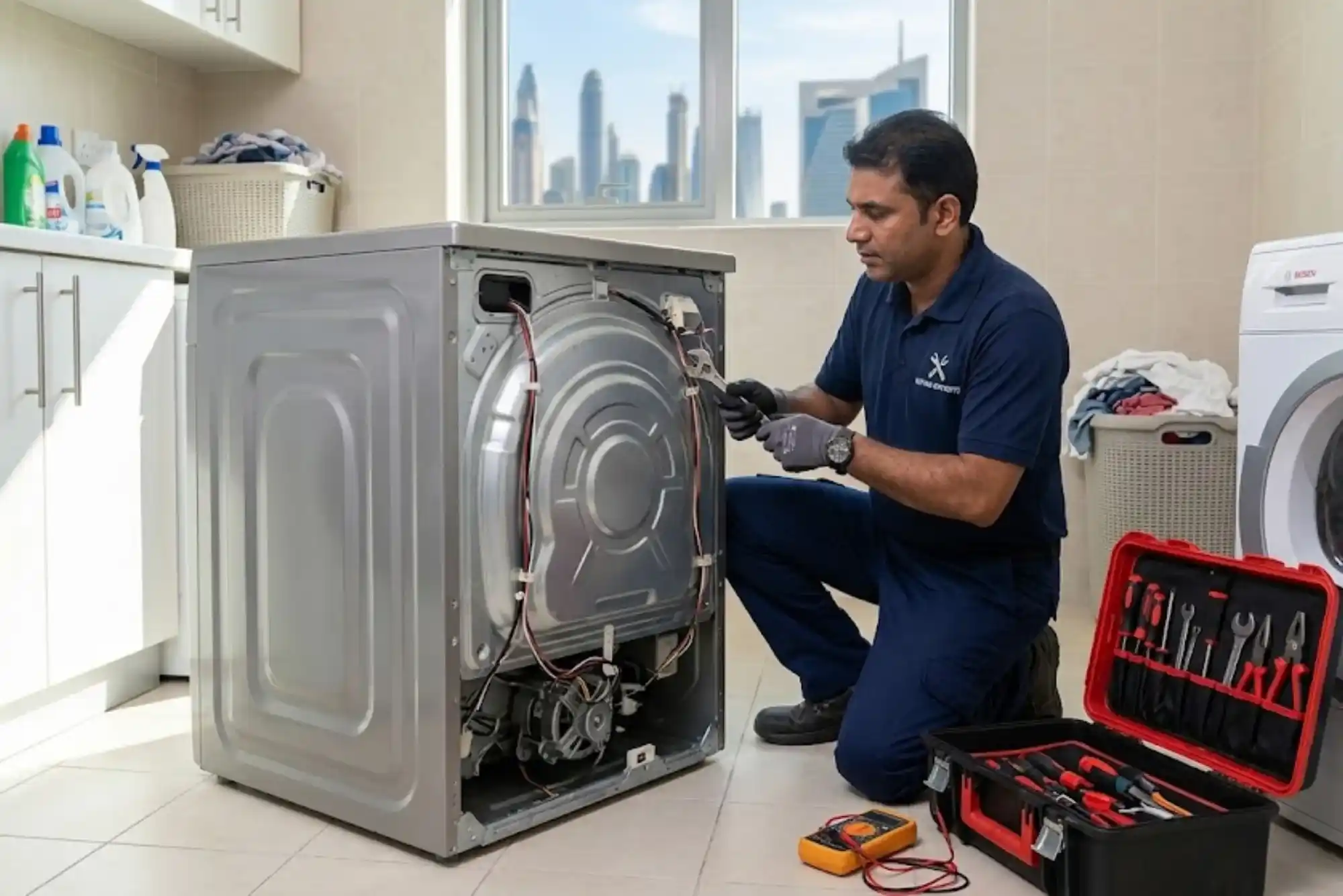
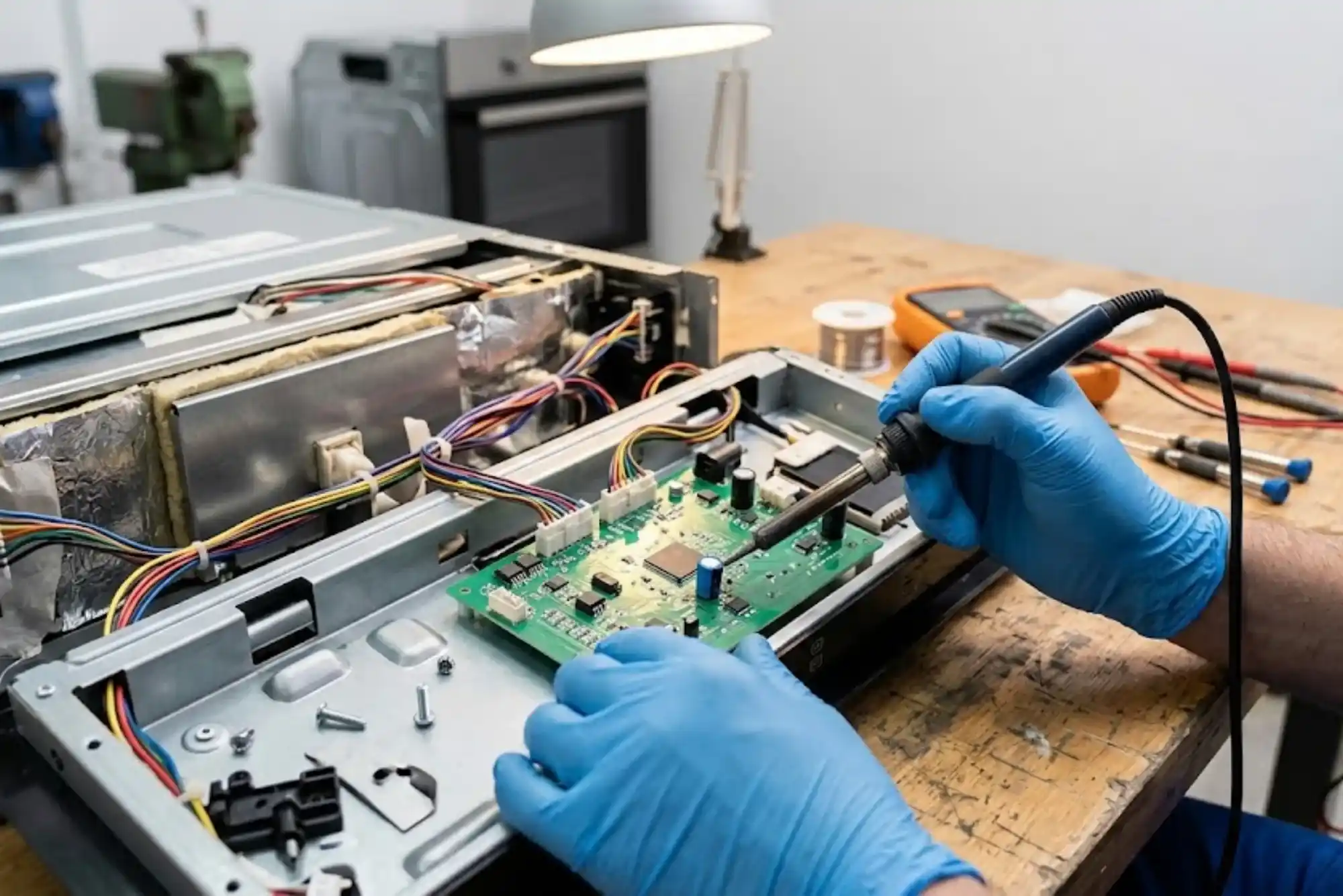
Professional AC servicing involves more than just cleaning filters. Trained technicians inspect electrical components, test refrigerant levels, clean coils, calibrate thermostats, and ensure proper airflow. This comprehensive approach identifies issues that are not visible to the untrained eye.
Relying on professional expertise ensures the system is serviced according to industry standards. It also provides peace of mind that the AC will function reliably during periods of heavy use. This professional insight adds clarity to the ongoing question of how often should you service your AC unit.
Adapting Servicing Frequency as Your AC Ages
As an AC unit ages, its components naturally experience more wear. Older systems often require more frequent servicing to maintain acceptable performance levels. Small inefficiencies become more pronounced over time, and proactive maintenance becomes even more critical.
Adjusting servicing frequency based on the system’s age helps prevent sudden failures and extends its usable life. This adaptive approach ensures that how often should you service your AC unit evolves with the condition of the equipment rather than remaining fixed.
Environmental Responsibility and Efficient Cooling
Energy-efficient air conditioning reduces carbon emissions and lowers overall environmental impact. Regular servicing ensures the system operates efficiently, using less electricity to achieve the same level of comfort. Proper refrigerant management also prevents harmful leaks that can damage the environment.
By maintaining your AC responsibly, you contribute to sustainable energy use while enjoying reliable cooling. This broader perspective adds another dimension to understanding how often should you service your AC unit beyond personal comfort and cost savings.
Final Thoughts on AC Servicing Frequency
The question how often should you service your AC unit cannot be answered with a single universal rule. It depends on climate, usage, system type, age, and environmental conditions. However, one principle remains constant: regular servicing is essential for performance, efficiency, and longevity.
By paying attention to manufacturer guidelines, monitoring system behavior, and scheduling professional maintenance at appropriate intervals, you ensure that your AC remains dependable year after year. Rather than viewing servicing as an optional task, consider it a vital part of responsible home and property management that delivers comfort, savings, and peace of mind.