Air conditioners are a necessity in hot and humid climates, offering comfort, air circulation, and temperature control. However, the effectiveness of an air conditioning system depends largely on the cleanliness and condition of its components—particularly the condenser coils. Dirty condenser coils are among the most common causes of reduced AC performance, yet they often go unnoticed until serious problems emerge. Understanding how these coils work and how dirt buildup affects system performance is essential for maintaining energy efficiency, ensuring indoor comfort, and avoiding costly repairs.
The Function of Condenser Coils in an Air Conditioner
Condenser coils are a crucial part of an AC system, located in the outdoor unit. Their primary function is to release the heat absorbed from the indoor air. During the cooling cycle, the refrigerant flows through the evaporator coil inside the home, absorbing heat. It then travels to the outdoor condenser unit, where the condenser coils help to expel this heat into the surrounding air. As the refrigerant cools and condenses, it becomes ready to cycle back and repeat the cooling process.
If the condenser coils are covered in dust, dirt, or other debris, they cannot efficiently release heat. This causes the refrigerant to remain warmer than it should, which in turn forces the system to work harder to cool indoor spaces. This inefficiency leads to a cascade of problems that affect the entire air conditioning system.
How Dirt Builds Up on Condenser Coils
Since condenser coils are located outdoors, they are constantly exposed to environmental elements. Dust, sand, pollen, pollution, leaves, and even grass clippings can settle on the coils over time. In dry and dusty environments, or in areas with high construction activity, dirt buildup can happen even faster. Without regular maintenance, these particles accumulate and form a thick layer of grime that insulates the coils and prevents effective heat transfer.
Unlike other components that are protected inside the home, condenser coils are more vulnerable to contamination. This is why they require routine cleaning as part of regular AC maintenance. When neglected, the accumulated dirt severely restricts the system’s ability to cool effectively.
Reduced Cooling Performance and Indoor Discomfort
One of the earliest signs of dirty condenser coils is a noticeable decline in cooling performance. Because the coils can no longer efficiently expel heat, the refrigerant does not cool down properly. As a result, the air conditioner has to run longer cycles to achieve the set indoor temperature. This not only delays comfort but also increases the strain on the compressor and other components.

Homeowners may notice that rooms take longer to cool, the indoor temperature remains higher than expected, or certain areas of the home feel warmer than others. These issues are direct outcomes of inefficient heat dissipation caused by dirty coils.
Increased Energy Consumption and Utility Costs
When the condenser coils are dirty, the air conditioning system becomes significantly less efficient. Since it cannot release heat properly, the unit must consume more electricity to maintain the same level of cooling. Over time, this results in increased energy bills, especially during peak summer months when cooling demand is highest.
Studies have shown that dirty condenser coils can reduce an AC unit’s efficiency by up to 30 percent. This inefficiency doesn’t just impact your utility bill—it also contributes to the system’s overall wear and tear, Post Category , increasing the likelihood of mechanical failures. Maintaining clean coils is a simple way to improve energy efficiency and reduce long-term operational costs.
Risk of System Overheating and Component Failure
A buildup of dirt on condenser coils does more than just reduce efficiency—it can lead to overheating. When heat is trapped in the system due to obstructed coils, the internal temperature of the air conditioner rises. The compressor, in particular, suffers under these conditions. As it struggles to perform, it may overheat and eventually fail.
Compressor failure is one of the most expensive AC issues to repair or replace. If the compressor is damaged due to overheating caused by dirty coils, the entire system may be compromised. Preventing this scenario is as simple as regular coil maintenance. In many cases, what begins as a minor maintenance issue escalates into a major system failure due to prolonged neglect.
Impact on Humidity and Indoor Air Quality
Although the condenser coils are located outside, their condition can still affect indoor air quality. An inefficient cooling process impacts the system’s ability to remove moisture from the indoor air. As a result, humidity levels inside the home may rise, leading to discomfort and an increased risk of mold or mildew growth.
High humidity can also exacerbate allergies, respiratory issues, and create a damp, unpleasant environment. By keeping the coils clean and the system operating efficiently, proper dehumidification is ensured, and indoor air quality is preserved.
Early Warning Signs of Dirty Condenser Coils
There are several signs that indicate condenser coils may be dirty. These include decreased cooling performance, warm air from vents, unusually high electricity bills, and frequent cycling of the AC unit. Homeowners might also notice that the outdoor unit is excessively hot to the touch or making unusual noises.
These warning signs should not be ignored. Addressing coil cleanliness at the first sign of trouble can prevent more serious and costly repairs down the line. Regular inspections by trained professionals can identify and resolve coil-related issues before they impact the overall system.
The Importance of Regular Maintenance
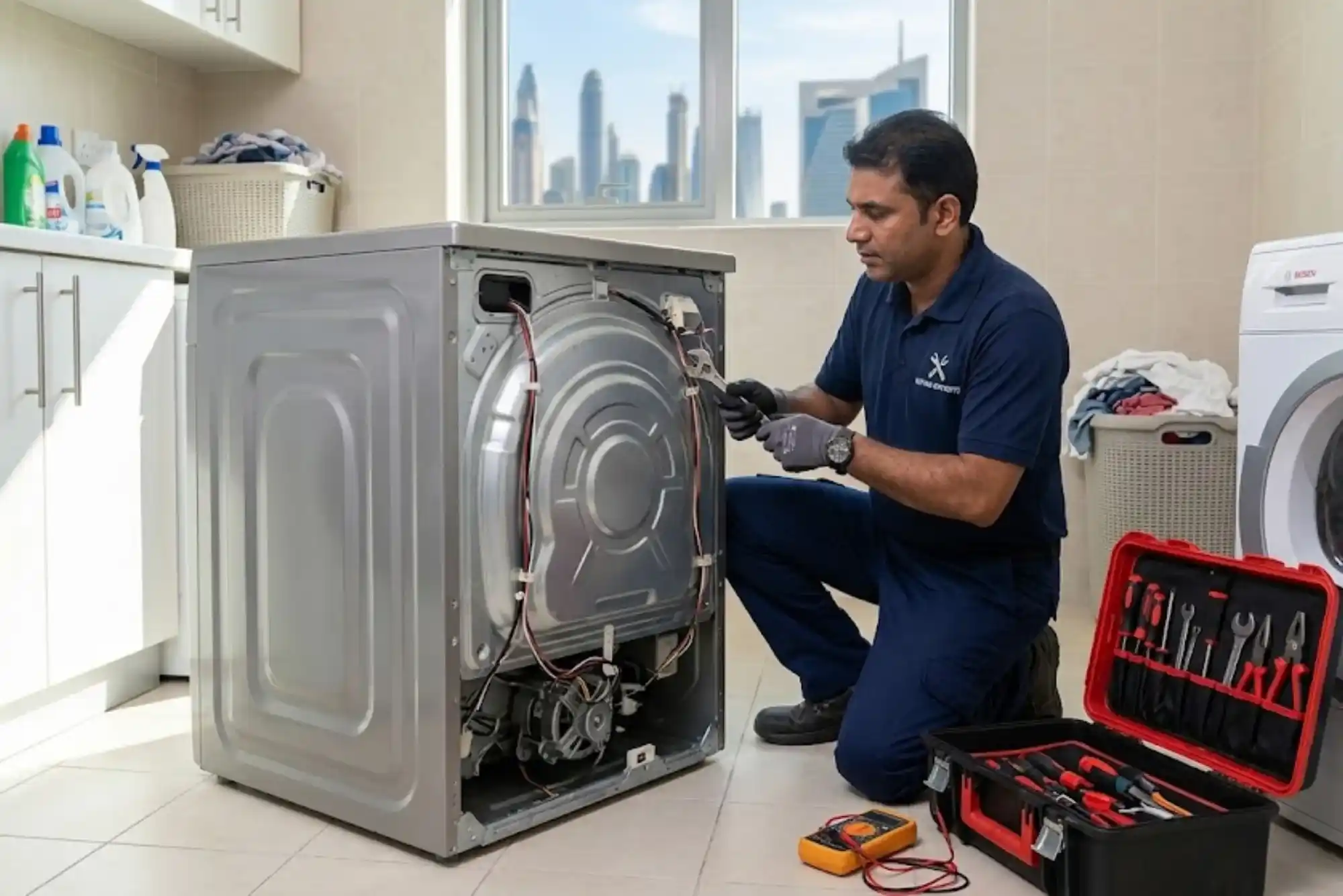
Routine maintenance is the best defense against dirty condenser coils and the performance issues they cause. Cleaning condenser coils should be a standard part of any air conditioning maintenance plan. Professional technicians use safe cleaning agents and tools to gently but thoroughly remove dirt from the coils without causing damage.
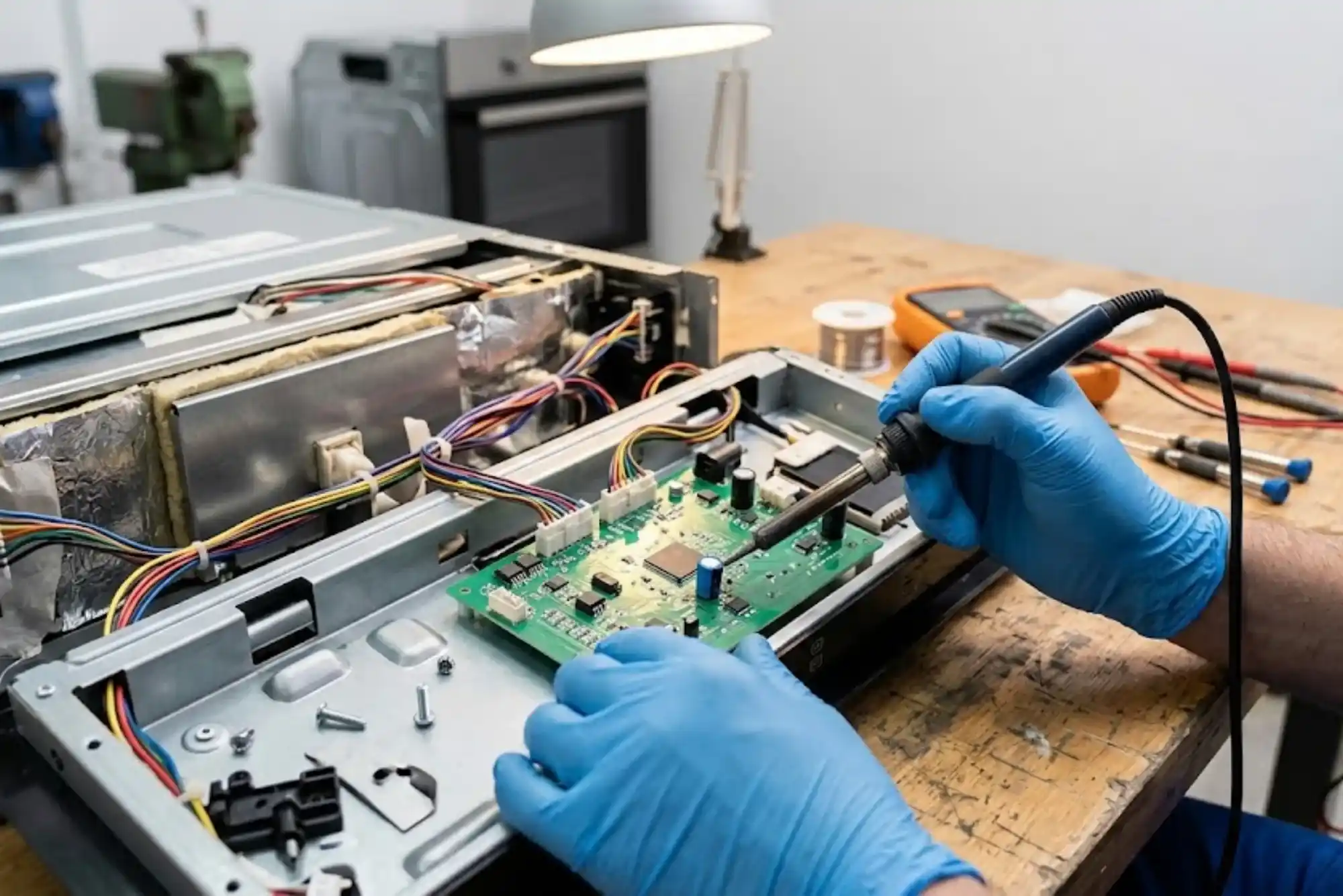
Regular maintenance typically includes not only coil cleaning but also checking refrigerant levels, inspecting electrical components, and testing the overall performance of the system. These preventive steps extend the life of the air conditioner, reduce energy usage, and provide peace of mind.
Skipping maintenance might save money in the short term, but it leads to increased costs over time due to higher energy bills, repairs, and system replacements. Maintaining condenser coils is a small investment that delivers substantial long-term benefits.
Long-Term Financial Impact of Neglect
Neglecting coil maintenance can have serious financial consequences. As the system works harder to cool the home, the added strain reduces the lifespan of key components, including the compressor, fan motor, and electrical circuits. Repairs for these parts are often expensive and may require full system replacement if the damage is severe.
Additionally, an inefficient air conditioner can lower property value. For those renting or selling a home, potential buyers or tenants may view a poorly maintained HVAC system as a major drawback. On the other hand, a well-maintained AC system can serve as a selling point, showing care and attention to property upkeep.
The cost of professional coil cleaning is minimal compared to the expenses associated with emergency repairs, energy overuse, and early system replacement. This is why regular servicing is not just a recommendation—it’s a necessity.
Choosing the Right Time for Coil Cleaning
The best time for condenser coil maintenance is before the peak cooling season begins. Preparing the system in advance ensures optimal performance when temperatures rise. However, if the system is already underperforming or exhibiting signs of dirty coils, it’s important to schedule maintenance immediately rather than waiting for the next routine service date.
Outdoor environments that are especially dusty or exposed to pollution may require more frequent cleaning. Understanding local environmental factors and adjusting maintenance schedules accordingly helps in maintaining consistent performance throughout the year.
Professional Expertise Matters
Although some homeowners may attempt to clean condenser coils themselves, professional cleaning is highly recommended. The coils are delicate and can be easily damaged if handled improperly. Professionals use industry-grade tools and non-corrosive cleaning agents to ensure effective yet safe coil cleaning.
In addition to cleaning, professional service providers inspect the entire system for any potential issues that could affect performance. This holistic approach ensures that no problem goes unnoticed and that your system runs efficiently and reliably.Dirty condenser coils are one of the most overlooked yet impactful issues affecting air conditioner performance. They reduce cooling efficiency, increase electricity consumption, elevate humidity levels, and place immense strain on the compressor and other system components. Ignoring coil maintenance can result in costly repairs, decreased indoor comfort, and even complete system failure.
Fortunately, these issues are entirely preventable. Regular maintenance, timely inspections, and professional cleaning ensure that your AC system operates at peak performance year-round. Taking proactive steps to maintain condenser coils is not only essential for comfort but also a smart financial decision that protects your investment in home cooling.Keeping your condenser coils clean is a simple yet powerful way to maximize performance, extend equipment lifespan, and maintain consistent indoor comfort.