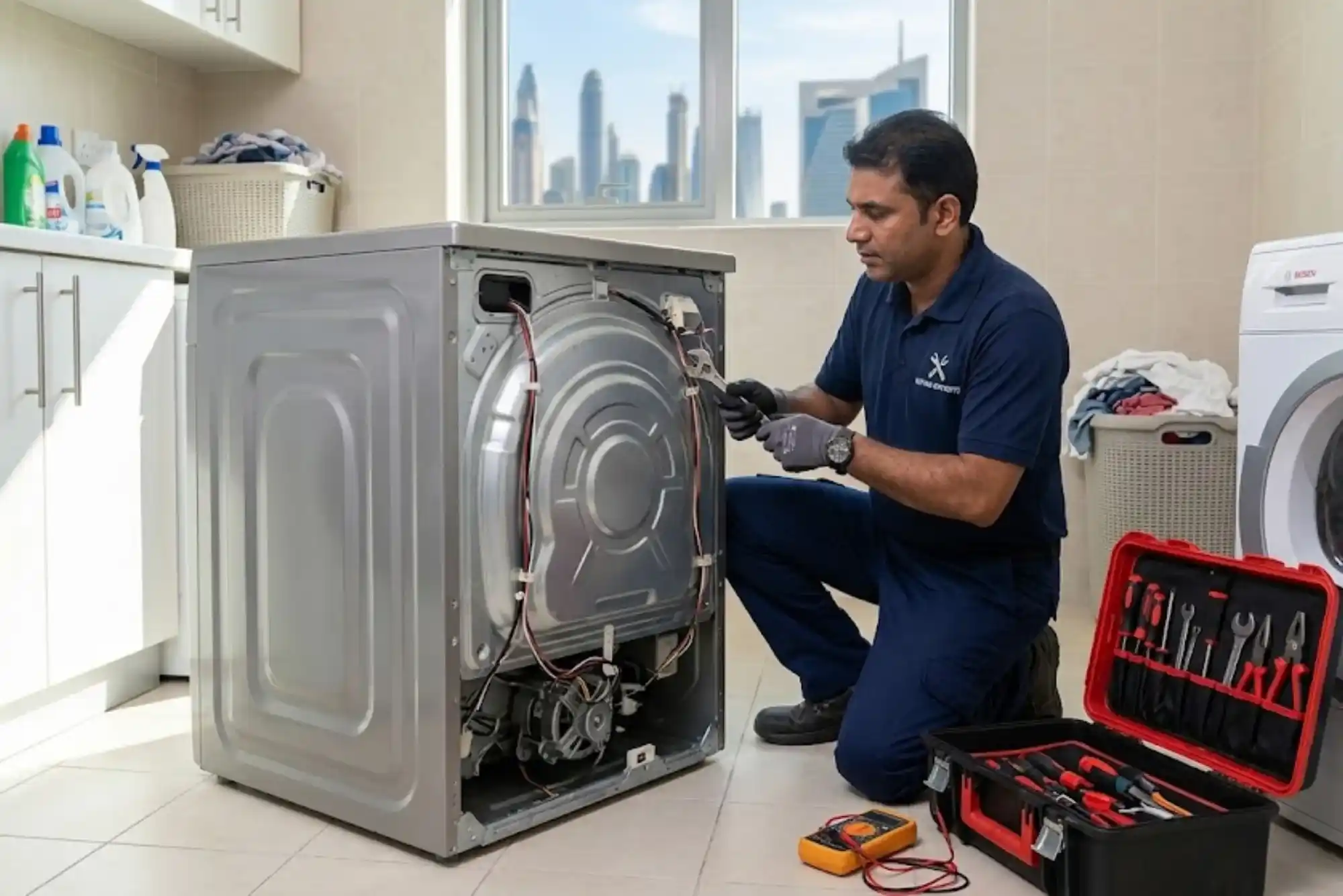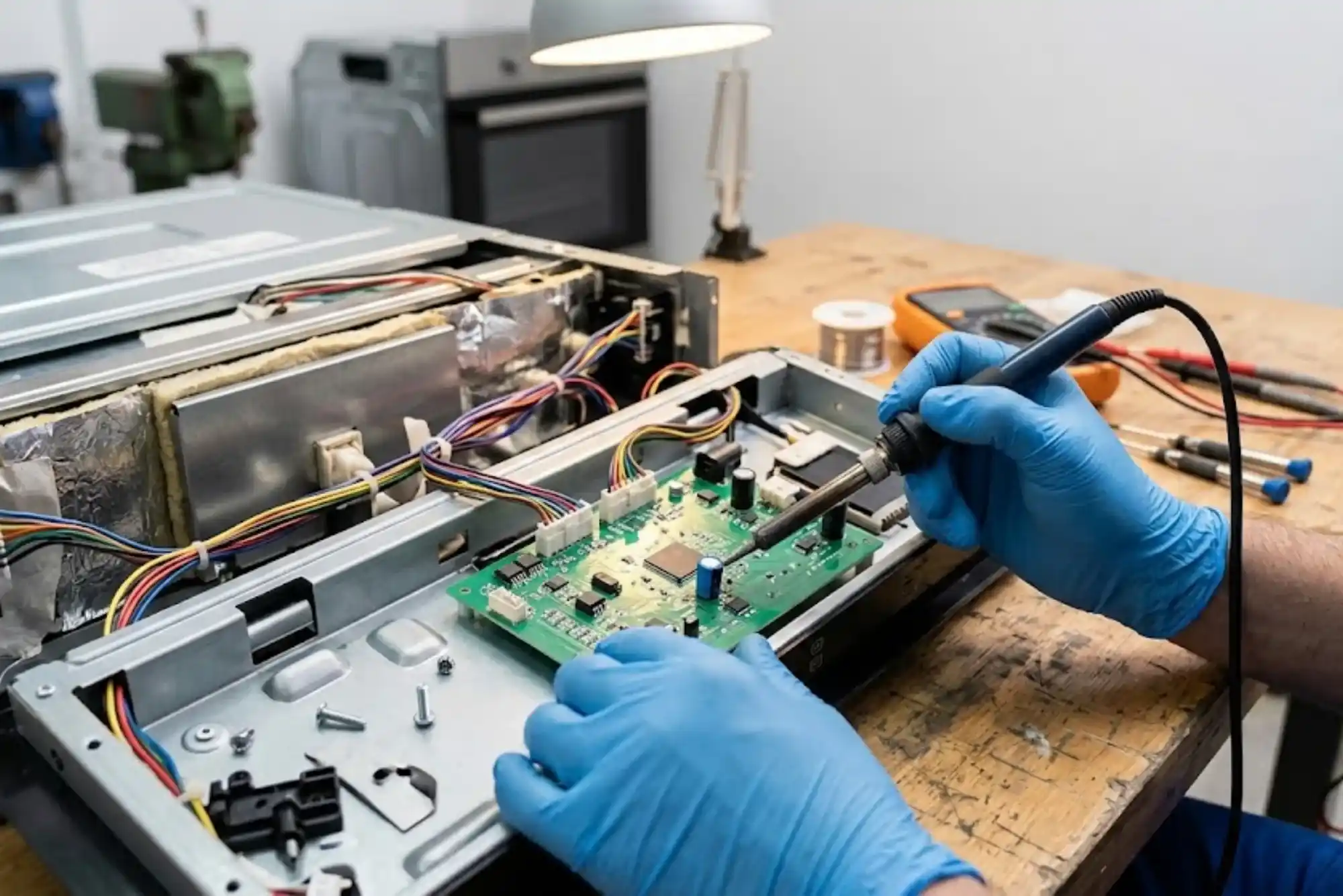
A refrigerator is one of the most reliable and hardworking appliances in any home, running continuously to preserve food and beverages at safe temperatures. Normally, a fridge operates quietly with a soft humming sound that most people barely notice. However, when it begins to make loud or strange noises, it can quickly become a source of frustration and concern. These noises are often a sign of an underlying problem that requires prompt attention. Understanding the reasons behind the noise, diagnosing the issue correctly, and applying an effective repair solution are the key steps in performing a professional fridge making loud noise fix.
When your refrigerator starts making unusual sounds such as banging, rattling, humming, or grinding, it usually means that a mechanical or electrical component is malfunctioning. These issues should never be ignored because even a minor defect can worsen over time, leading to expensive repairs or complete appliance failure. Identifying the root cause early and taking action immediately can help you prevent bigger problems and maintain your fridge’s efficiency.
Understanding Why Fridges Make Noise
Every refrigerator produces some level of noise as part of its normal operation. Sounds like a gentle hum, soft clicks, or occasional dripping noises are usually harmless and part of the cooling and defrost cycles. But when the sound becomes unusually loud or consistent, it indicates something is wrong. For example, a buzzing sound might suggest a compressor issue, while rattling could mean a fan blade is loose or the fridge is not level. Each sound tells a different story, and understanding them is the first step toward finding the right fridge making loud noise fix.
When a refrigerator becomes noisy, it could be due to mechanical wear, dirt buildup, or improper installation. Even new refrigerators can make strange sounds if installed unevenly or placed too close to a wall, preventing proper ventilation. Therefore, a careful inspection of both internal and external components is essential.
Common Causes of a Loud Fridge
One of the most common causes of loud noises in a fridge is a faulty evaporator fan. This fan is responsible for circulating cold air inside the compartments. When the fan blades become obstructed by ice or debris, they begin to rub against the obstruction, producing a grinding or squealing noise. In some cases, the motor itself becomes worn out and may need replacement.
Another frequent reason is a damaged condenser fan. Located near the compressor at the back of the fridge, this fan cools the condenser coils. Over time, dust, dirt, and pet hair can accumulate around the blades, making the fan unbalanced and noisy. Cleaning the fan carefully often resolves the problem.

The compressor, which acts as the heart of the refrigerator, can also be a source of loud noise. A soft humming sound from the compressor is normal, but if it becomes excessively loud or starts making knocking or clicking sounds, the compressor may be failing. This is a more serious issue that typically requires professional attention.
Sometimes, the problem is as simple as loose components or an unbalanced refrigerator. If the appliance is not level or certain panels, shelves, or trays inside are loose, the vibration during operation can produce an irritating rattling noise. Adjusting the fridge’s position and tightening the screws can eliminate this type of sound.
If your refrigerator has an automatic ice maker, you might hear clicking or knocking sounds when it tries to cycle. This could indicate that the ice maker motor is jammed or struggling. In such situations, turning off the ice maker temporarily until it can be inspected or repaired is the best solution.
During the defrost cycle, it’s also normal to hear a little hissing or dripping, but loud crackling or popping noises may point to a problem with the defrost heater or timer. Replacing these components can restore quiet operation.
Diagnosing the Noise Source
The key to a proper fridge making loud noise fix lies in determining where the noise originates. The location of the sound often points directly to the problematic component. If the noise is coming from the back, it’s likely related to the compressor or condenser fan. If it seems to come from inside the fridge, the evaporator fan or ice maker may be responsible. A noise that seems to originate from the bottom could mean the fridge’s drain pan is loose or the appliance is unbalanced.
A useful diagnostic method is to unplug the fridge for a few moments. If the noise immediately stops, the issue is mechanical or electrical. Always remember to disconnect the power before inspecting internal parts to ensure your safety. A careful observation and step-by-step approach can help identify the fault without risking further damage.
Step-by-Step Fridge Making Loud Noise Fix
Fixing a noisy fridge requires patience and attention to detail. The first step is cleaning the condenser coils. These coils are located at the back or underneath the fridge and can gather a thick layer of dust over time. Dirty coils cause the compressor to work harder, leading to louder operation. Cleaning them with a soft brush or vacuum helps reduce strain on the appliance and restores quiet functioning.
Next, check the fan blades both inside the fridge and behind it. If they are obstructed by dirt, ice, or food debris, clean them thoroughly. Make sure the blades rotate freely without touching any nearby surfaces.
It’s also important to check if the refrigerator is sitting evenly on the floor. An uneven position can cause vibration and noise. Adjust the front legs until the fridge is level and stable.
Inspect the interior for any loose shelves or drawers that could vibrate during operation. Tightening or repositioning these components often eliminates unnecessary sounds.
If the noise persists after these steps, the compressor might be the source of the problem. Gently placing your hand on the compressor while it’s running can help you detect unusual vibrations or knocking sounds. These are signs of internal wear and usually require a professional technician to repair or replace the component.
Finally, examine the ice maker by turning it off temporarily. If the noise disappears, the ice maker mechanism may need servicing or replacement.
When to Call a Professional
Although some noise issues can be resolved with basic maintenance, persistent or complex problems require professional intervention. If your fridge continues to make loud noises despite your efforts, it’s best to call a qualified appliance repair technician. Professionals have the right tools, experience, and knowledge to diagnose compressor or motor issues safely. They can replace faulty parts, clean internal systems, and ensure that your refrigerator operates efficiently.
Trying to repair advanced mechanical components without experience can be dangerous and may void your appliance warranty. A professional technician ensures the job is done correctly and prevents further complications.
Preventive Maintenance for a Quieter Fridge
To avoid future noise problems, regular maintenance is essential. Keeping your refrigerator clean and ensuring it’s properly leveled are simple but effective steps. Always leave enough space behind the fridge for air circulation and avoid pushing it too close to the wall. Cleaning the condenser coils every few months helps prevent overheating and reduces noise.
Checking door gaskets for wear ensures proper sealing and reduces strain on the compressor. Overloading shelves should also be avoided, as excess weight can cause vibrations. Scheduling routine professional servicing every six months keeps your fridge in top condition and prevents unexpected breakdowns.
The Importance of Professional Service
A professional fridge making loud noise fix offers long-term reliability. Technicians use specialized diagnostic equipment to identify the exact problem quickly and repair it using original parts. This approach guarantees optimal performance and ensures the fridge remains quiet and energy-efficient. Reliable service providers also offer warranties on repairs, giving you confidence that the problem will not return. Whether you own a single-door, double-door, or side-by-side refrigerator, expert technicians handle all types with precision and care.
Why Ignoring the Noise is Risky
Ignoring a loud refrigerator can lead to serious consequences. A persistent noise often signals a deeper mechanical issue that can worsen over time. This can cause reduced cooling performance, higher energy consumption, or complete compressor failure. It can also shorten the lifespan of other components due to continuous strain. Addressing the problem promptly saves you from costly repairs and unnecessary power bills while ensuring food safety and appliance longevity.
A refrigerator that suddenly starts making loud or unusual noises should never be ignored. While some issues are minor and can be fixed with basic cleaning and leveling, others require professional expertise. Understanding the possible causes, diagnosing the problem correctly, and applying the right repair method are essential for a successful fridge making loud noise fix.
By acting early and maintaining your fridge regularly, you can restore its quiet operation and extend its lifespan. Professional technicians can ensure that every part functions perfectly, preventing recurring noise issues and improving energy efficiency. Don’t wait for the problem to get worse—take immediate action and let a trusted repair expert bring back the peace and comfort to your kitchen with a perfectly silent and efficient refrigerator.