A dryer is one of those household appliances that many people take for granted until it starts to make strange noises or fails to spin properly. The smooth rotation of the drum is what allows clothes to tumble evenly and dry efficiently. At the heart of this operation is the drum bearing, a small but essential component that ensures the drum moves with minimal friction. When this bearing wears out or becomes damaged, it can create loud squeaks, grinding noises, and uneven motion that disrupts the entire drying process.
The dryer drum bearing is a mechanical part designed to support the drum as it spins. Depending on the model, it may be located at the rear of the drum or integrated into the drum support assembly. Because it continuously handles motion and weight, it naturally wears over time. Dust, moisture, and heat also contribute to its deterioration. Understanding how this part functions helps in identifying when it needs repair or replacement before the problem worsens.
Common Symptoms of a Worn Drum Bearing
A failing drum bearing usually announces itself through sound and performance changes. One of the most common symptoms is a loud squealing or scraping noise that becomes more pronounced as the drum spins. Some dryers may also vibrate excessively or stop spinning entirely if the bearing has seized. These noises and vibrations are not only irritating but can also lead to further damage if ignored.
In some cases, the dryer may still heat properly, giving the impression that everything is fine. However, the internal stress caused by a worn bearing gradually affects the motor and the drum shaft. This increases the risk of complete failure, making timely intervention essential. Specialists trained in dryer drum bearing repair can quickly diagnose such symptoms and recommend the best solution before other parts are affected.
The Role of Professional Dryer Drum Bearing Repair
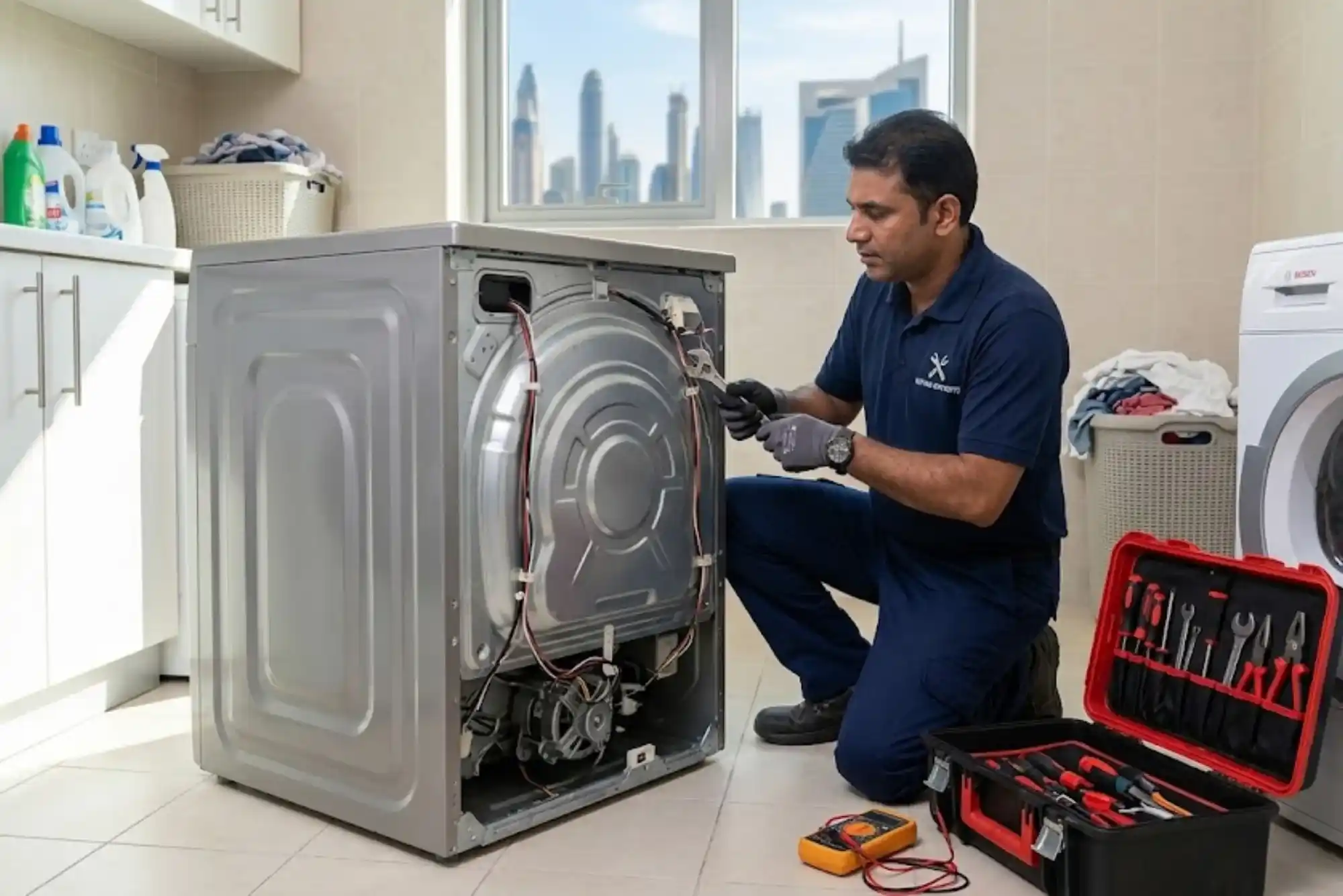
Dryers today are built with precise engineering, combining mechanical components with electronic controls. While some maintenance tasks can be handled by homeowners, repairing or replacing a drum bearing requires professional expertise. The process involves disassembling the dryer, safely removing the drum, and installing the new bearing in exact alignment. Any mistake during reassembly can cause noise, imbalance, or even damage to the motor.
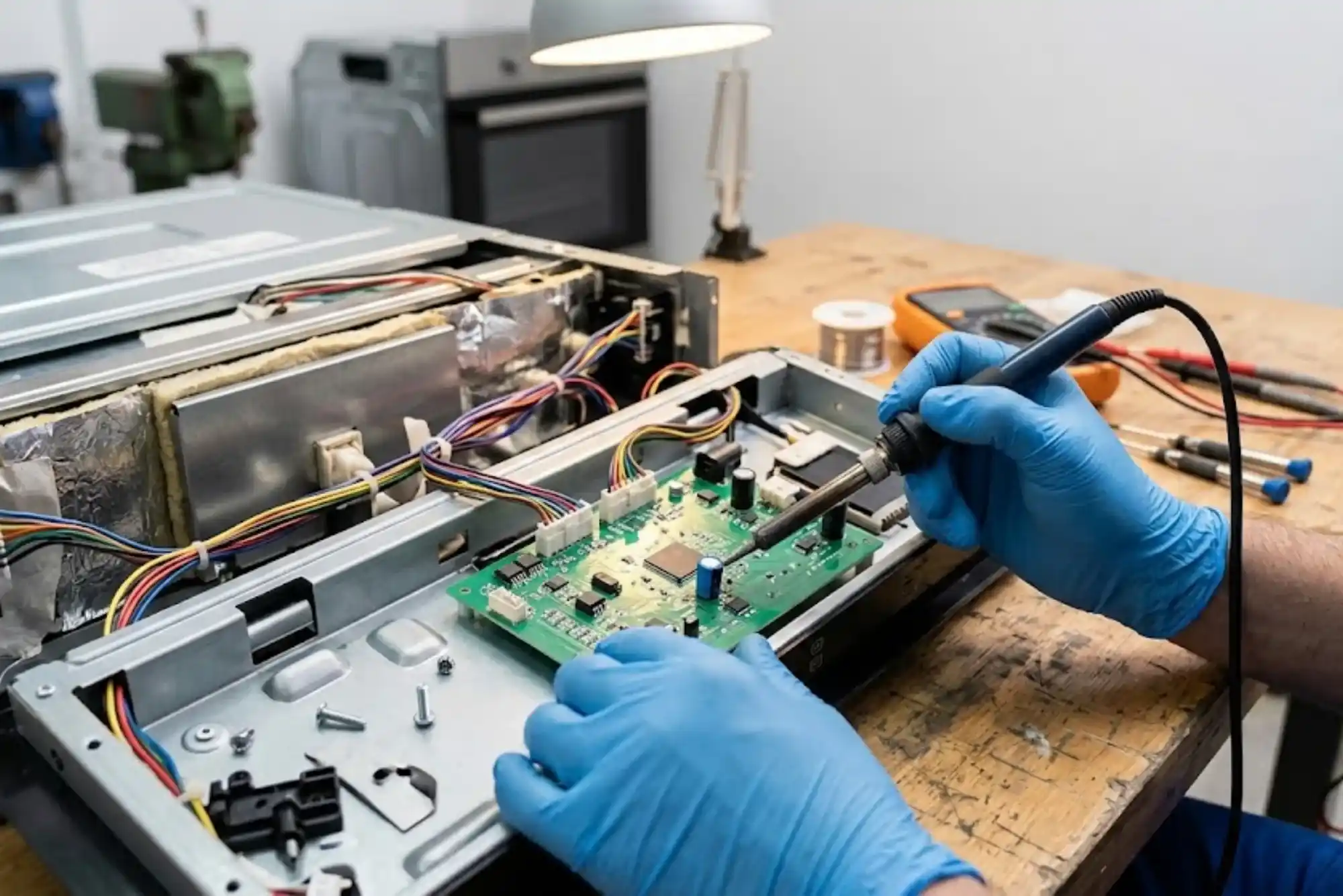
Professional repair specialists have the right tools, technical knowledge, and experience to ensure that the replacement is done safely and effectively. They also perform diagnostic checks to ensure that other parts, such as the belt, pulleys, and drum rollers, are functioning correctly. This comprehensive service prevents repeated breakdowns and restores the dryer to its optimal condition.

Why Specialists Are Essential for Long-Term Performance
A dryer that operates smoothly and quietly is a result of precise internal balance. The drum, bearing, and motor must work together seamlessly. When one part is repaired without considering the others, it can cause misalignment and create new issues over time. This is why experienced specialists take a holistic approach during repairs.
They understand that drum bearing issues rarely occur in isolation. A worn bearing can affect belt tension, drum rotation speed, and even heat distribution inside the machine. By addressing these related areas, repair professionals extend the overall lifespan of the dryer. Their attention to detail ensures that once the bearing is replaced, the appliance continues to perform reliably for years.
The Technology Behind Dryer Drum Bearings
Modern dryers use high-quality bearings designed to reduce friction and withstand constant rotation. These bearings are typically made from heat-resistant metals or composites and are lubricated to minimize wear. Over time, however, the lubrication can dry out, or debris can enter the bearing housing. This is especially true in households where the dryer is used frequently or handles heavy loads.
Advanced models now incorporate self-lubricating bearings that require less maintenance, but even these can fail under extreme conditions. Repair specialists keep up to date with new technologies and manufacturer standards, allowing them to replace or service bearings according to each specific model’s design. Their understanding of both traditional and modern dryer systems makes their role indispensable in maintaining appliance performance.
The Importance of Accurate Diagnosis
Not every noise or mechanical issue in a dryer is caused by a damaged drum bearing. Sometimes, similar symptoms come from worn belts, loose pulleys, or malfunctioning rollers. A professional diagnosis helps avoid unnecessary part replacements. Using specialized tools, technicians can determine whether the sound originates from the rear bearing, the front glides, or another internal component.
Accurate diagnosis saves time and money, as it ensures only the necessary parts are repaired or replaced. It also prevents further complications by addressing the root cause rather than just the symptoms. Experienced specialists perform these evaluations methodically, ensuring that the dryer is restored to its best working condition.
The Repair Process in Detail
Repairing a dryer drum bearing typically begins with disconnecting power and safely disassembling the appliance. The drum must be carefully removed to access the bearing assembly. Once the old bearing is exposed, it is inspected for wear or corrosion. The technician then installs a new bearing that matches the original specifications.
The repair process does not end there. The technician also checks the drum shaft, motor alignment, and supporting components to confirm that everything moves smoothly. After reassembly, the dryer is tested under load conditions to verify quiet, even operation. This careful, step-by-step approach ensures the bearing replacement restores full performance and eliminates any future operational noise.
Preventing Future Bearing Failures
While no part lasts forever, proper care and maintenance can extend the lifespan of a dryer’s drum bearing. Avoiding overloading the dryer, ensuring proper ventilation, and cleaning the lint filter regularly all help reduce mechanical stress. Excessive moisture and heat buildup are common reasons bearings wear prematurely, so ensuring the dryer vent is clear also makes a significant difference.
Professional technicians often provide advice on maintaining appliance efficiency after completing repairs. Routine inspections and minor servicing can prevent major failures later on. By working with repair specialists, homeowners can develop a maintenance schedule that keeps their dryers running quietly and efficiently year-round.
Why Choosing the Right Repair Service Matters
Selecting a qualified dryer drum bearing repair specialist is as important as the repair itself. Skilled technicians not only fix the problem but also ensure the appliance’s safety and performance meet manufacturer standards. They use genuine replacement parts, follow correct installation procedures, and test the dryer thoroughly before returning it to service.
Choosing a reputable repair service also gives homeowners peace of mind, knowing the job is done right the first time. Whether the dryer is part of a home laundry setup or a commercial operation, professional care ensures consistent performance and safety. A well-repaired dryer saves energy, operates quietly, and reduces long-term maintenance costs.
The dryer drum bearing may be a small component, but it plays a vital role in the machine’s smooth and quiet operation. When this part begins to fail, it affects not only performance but also the appliance’s efficiency and safety. Ignoring the problem can lead to costly repairs, while timely professional intervention can restore the dryer to peak condition.
Dryer drum bearing repair specialists bring a combination of technical skill, precision, and experience that ensures reliable results. They diagnose problems accurately, replace worn parts with high-quality components, and verify that the machine runs smoothly once more. Their expertise transforms a noisy, inefficient dryer back into a dependable household appliance, ready to handle daily laundry needs with ease.