
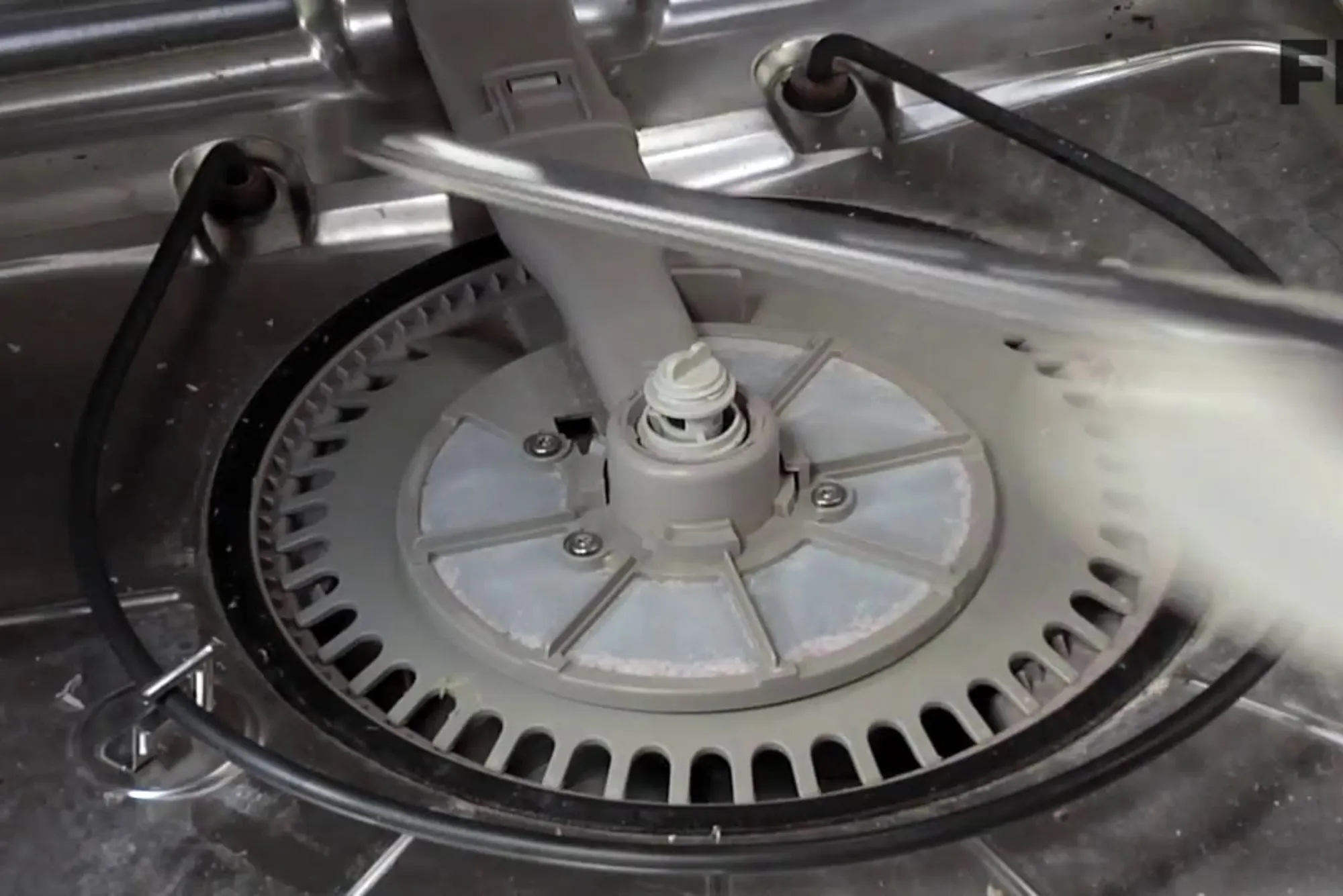
Dishwashers have become an essential part of modern kitchens, saving time, water, and effort while ensuring hygienic cleaning of utensils. Behind this convenience lies a carefully programmed system where every wash stage follows a specific time sequence. When this sequence is disrupted, the appliance no longer functions as intended. A dishwasher cycle timing fault fix becomes necessary when cycles run too long, stop unexpectedly, or fail to complete properly. This issue is not only frustrating for users but can also lead to increased energy consumption, poor cleaning results, and long-term damage to internal components.
Understanding how dishwasher cycle timing works and why it fails is the first step toward a reliable solution. This article provides a comprehensive explanation of dishwasher cycle timing fault fix, written in a professional tone with clear headings and structured paragraphs to help homeowners, technicians, and appliance service providers understand the problem thoroughly.
How Dishwasher Cycle Timing Works
Dishwasher cycle timing is controlled by a combination of electronic and mechanical components. In modern dishwashers, the electronic control board plays the central role, managing how long each stage of the cycle runs. These stages include water filling, heating, washing, draining, rinsing, and drying. The control board relies on data from sensors to determine when to move from one stage to the next.
Older dishwashers often use mechanical timers that rotate slowly to advance cycles. While simpler, these timers can wear out over time and lose accuracy. Regardless of the technology used, accurate timing is critical. If any part of this system fails, the dishwasher loses its ability to manage cycle duration correctly, making a dishwasher cycle timing fault fix unavoidable.
What Is a Dishwasher Cycle Timing Fault
A dishwasher cycle timing fault occurs when the appliance cannot correctly regulate the duration of its wash program. This may result in cycles that never end, cycles that stop halfway, or cycles that finish too quickly without cleaning dishes properly. In some cases, the dishwasher may repeat the same stage multiple times, wasting water and electricity.
This fault is not a single problem but a symptom of underlying issues. Identifying the exact cause is essential because a dishwasher cycle timing fault fix depends entirely on accurate diagnosis rather than guesswork.
Common Symptoms of Timing Faults
One of the earliest signs of a timing fault is an unusually long wash cycle. A program that normally completes in one to two hours may continue running far beyond that time. Another common symptom is when the dishwasher stops mid-cycle and does not resume unless manually restarted. Some users notice that the dishwasher finishes very quickly, leaving dishes dirty or covered in detergent residue.
Inconsistent water temperature is another indicator. If the water remains cold throughout the cycle, the dishwasher may be stuck waiting for a heating signal that never arrives. These symptoms clearly point toward the need for a professional dishwasher cycle timing fault fix before the problem escalates.
Causes Behind Dishwasher Cycle Timing Faults
Several technical issues can lead to timing faults. A faulty electronic control board is one of the most common causes in modern dishwashers. This board processes information from sensors and sends commands to motors, valves, and heaters. If it becomes damaged due to moisture, power surges, or component failure, timing logic can become corrupted.
Temperature sensors also play a crucial role. Dishwashers are programmed to advance cycles only after reaching specific water temperatures. If the temperature sensor fails or sends incorrect readings, the dishwasher may remain stuck in a heating phase or skip it entirely. This disruption directly affects cycle timing and requires a targeted dishwasher cycle timing fault fix.
The Impact of Water Level and Turbidity Sensors
Water level sensors ensure the dishwasher fills with the correct amount of water. If this sensor malfunctions, the dishwasher may overfill or underfill, confusing the control system and affecting cycle timing. Turbidity sensors measure how dirty the water is during washing. When these sensors provide false readings, the dishwasher may extend the wash cycle unnecessarily or end it too early.
Sensor-related issues are often overlooked, yet they are a major reason why timing faults occur. Replacing or recalibrating these sensors is a common part of a professional dishwasher cycle timing fault fix.
Electrical and Wiring Issues Affecting Timing
Electrical problems can significantly interfere with dishwasher timing. Loose wiring connections, damaged harnesses, or corroded terminals can interrupt signals between components. Even brief communication losses can cause the control board to reset or pause the cycle.
In areas with unstable power supply, repeated voltage fluctuations can weaken electronic components over time. This makes electrical inspection an important step in diagnosing and completing a dishwasher cycle timing fault fix, especially for electronically controlled models.
How Heating Problems Influence Cycle Duration
Heating elements are responsible for raising water temperature during washing and drying. If the heating element fails or operates inefficiently, the dishwasher may wait indefinitely for the required temperature to be reached. As a result, the cycle appears stuck or excessively long.
In some cases, the dishwasher may bypass heating stages entirely, shortening the cycle but reducing cleaning effectiveness. Addressing heating system faults is often essential for a complete dishwasher cycle timing fault fix.
Professional Diagnosis of Dishwasher Timing Faults
Accurate diagnosis is critical when dealing with timing faults. Professional technicians use diagnostic modes built into many modern dishwashers to retrieve error codes related to timing, heating, or sensor failures. These codes provide valuable insight into which component is responsible.
Technicians also perform manual testing using multimeters and specialized tools to measure resistance, voltage, and signal continuity. This detailed approach ensures that the dishwasher cycle timing fault fix targets the real cause of the problem rather than relying on trial and error.
Repair Solutions for Cycle Timing Faults
Repair methods vary depending on the dishwasher model and the faulty component. Replacing a defective control board often restores proper cycle management. If sensors are the issue, installing new temperature or water level sensors corrects inaccurate readings and stabilizes timing.
For older dishwashers, replacing worn mechanical timers can significantly improve cycle accuracy. Wiring repairs may also be necessary to ensure uninterrupted communication between components. Each repair step contributes to a reliable dishwasher cycle timing fault fix that restores normal operation.
The Importance of Software and Firmware Updates
Some modern dishwashers rely on software programming within the control board. Software glitches can occasionally cause timing irregularities, even when hardware components are functioning correctly. In such cases, firmware updates or control board resets may resolve the issue.
Although not always required, software checks are becoming an increasingly important aspect of professional dishwasher cycle timing fault fix procedures, particularly for smart and high-end dishwasher models.
Long-Term Effects of Ignoring Timing Faults
Ignoring cycle timing issues can lead to serious consequences. Prolonged cycles place extra stress on motors, pumps, and heating elements, increasing the risk of component failure. Shortened cycles compromise hygiene, leaving grease and bacteria on dishes.
Over time, these issues result in higher utility bills, frequent breakdowns, and reduced appliance lifespan. Addressing timing faults promptly protects both the dishwasher and household efficiency, making a timely dishwasher cycle timing fault fix a smart investment.
Preventive Maintenance to Avoid Timing Issues
Regular maintenance plays a key role in preventing timing faults. Cleaning filters and spray arms ensures proper water circulation, which supports accurate sensor readings. Using the correct detergent and avoiding overloading the dishwasher reduces strain on internal systems.
Protecting the appliance from power surges and ensuring stable electrical supply further minimizes the risk of electronic damage. These preventive measures significantly reduce the likelihood of needing frequent dishwasher cycle timing fault fix services.
When Professional Repair Is Necessary
While basic troubleshooting may help identify obvious issues, complex timing faults usually require professional expertise. Control boards, sensors, and heating systems involve electrical and electronic components that can be hazardous if handled incorrectly.
Seeking professional assistance ensures that the dishwasher cycle timing fault fix is carried out safely and effectively, restoring the appliance to its original performance standards.
Final Thoughts on Dishwasher Cycle Timing Fault Fix
Dishwasher cycle timing faults are a clear sign that the appliance’s internal control system is not functioning correctly. These faults affect cleaning quality, energy efficiency, and overall reliability. By understanding how timing works, recognizing symptoms early, and relying on professional diagnosis and repair, homeowners can avoid costly replacements and extend the life of their dishwasher.


