Air conditioning systems play a vital role in maintaining comfort in residential and commercial spaces, particularly in regions where temperatures remain high for most of the year. While air conditioners are designed to operate efficiently, faults within the system can cause excessive electricity consumption. One of the most serious and commonly ignored issues is an air conditioner power consumption fault.
This condition occurs when the system draws more electrical power than required, resulting in higher energy bills, reduced cooling efficiency, and long-term damage to internal components. Understanding how this fault develops and why it requires professional attention is essential for anyone relying on air conditioning for daily comfort.
What Is an Air Conditioner Power Consumption Fault
An air conditioner power consumption fault refers to an abnormal increase in energy usage caused by mechanical, electrical, or environmental problems within the system. Under normal conditions, an air conditioner consumes power according to its capacity, runtime, and environmental demand. When a fault occurs, the system compensates by working harder, which leads to unnecessary power draw. This imbalance often goes unnoticed until energy costs increase significantly or system performance deteriorates.
Power consumption faults can affect both inverter and non-inverter air conditioners. Even modern energy-efficient systems can suffer from excessive power usage if internal components are damaged or maintenance is neglected. Because these faults develop gradually, they can silently impact efficiency for months before symptoms become obvious.
Why Air Conditioner Power Consumption Fault Is a Serious Issue
An air conditioner power consumption fault is not just a financial concern. It directly affects the health of the cooling system. When an air conditioner consumes excessive power, it places continuous stress on critical components such as the compressor, condenser fan, and electrical circuitry. Over time, this stress reduces component lifespan and increases the likelihood of sudden breakdowns.
Excessive power consumption also leads to inconsistent cooling performance. The system may struggle to maintain the desired temperature, resulting in hot spots, frequent cycling, or continuous operation. These performance issues reduce comfort levels and further increase electricity usage, creating a damaging cycle of inefficiency and wear.

Mechanical Factors Causing Power Consumption Fault
Mechanical problems are among the leading causes of an air conditioner power consumption fault. One of the most common issues is restricted airflow. When air filters are clogged with dust and debris, the indoor unit cannot circulate air effectively. This restriction forces the blower motor and compressor to operate longer and harder, increasing power usage.
Dirty condenser coils also contribute significantly to excessive energy consumption. The condenser is responsible for releasing heat outside the building. When the coils are covered with dirt or grease, heat transfer becomes inefficient. As a result, the compressor works under increased pressure, consuming more electricity to achieve the same cooling effect.
Worn bearings, misaligned fan motors, and damaged blower assemblies can also increase mechanical resistance. These faults cause motors to draw higher current, leading to elevated energy consumption and overheating risks.
Electrical Issues Leading to Air Conditioner Power Consumption Fault
Electrical problems are a major contributor to air conditioner power consumption fault and often require professional diagnosis. Faulty capacitors reduce motor efficiency, forcing the system to draw additional current to maintain operation. Weak or failing contactors can cause voltage fluctuations that disrupt normal power flow.
Damaged wiring or loose electrical connections create resistance within the circuit. This resistance results in energy loss and increased power draw, which can eventually lead to overheating or component failure. Control board malfunctions can also cause the system to operate outside normal parameters, leading to excessive runtime and unnecessary energy consumption.
Voltage imbalance from the main power supply is another critical factor. When an air conditioner operates under unstable voltage conditions, motors and compressors draw higher current to compensate, significantly increasing electricity usage and reducing system reliability.
Refrigerant-Related Causes of Power Consumption Fault
Refrigerant plays a central role in cooling efficiency, and any imbalance can lead to an air conditioner power consumption fault. Low refrigerant levels reduce the system’s ability to absorb heat effectively. In response, the compressor runs longer cycles, consuming more power while delivering weaker cooling.
Overcharged refrigerant is equally problematic. Excess refrigerant increases pressure within the system, forcing the compressor to work harder than designed. This condition raises energy consumption and increases the risk of compressor damage.
Refrigerant leaks not only affect performance but also contribute to environmental harm. Undetected leaks allow the system to operate inefficiently for extended periods, gradually increasing power usage and repair costs.
Environmental and Installation Factors
External conditions play a significant role in air conditioner power consumption fault. Poor insulation allows cooled air to escape, forcing the system to run longer to maintain indoor temperatures. Rooms exposed to direct sunlight or high ambient heat place additional load on the air conditioner, increasing power consumption.
Improper installation is another major factor. An air conditioner that is too small for the space will operate continuously, while an oversized unit will cycle frequently. Both scenarios lead to inefficient operation and unnecessary power draw. Incorrect placement of indoor and outdoor units can further reduce efficiency by restricting airflow or exposing components to excessive heat.
Symptoms of an Air Conditioner Power Consumption Fault
One of the most noticeable signs of an air conditioner power consumption fault is a sudden or gradual increase in electricity bills without any change in usage habits. The system may take longer to cool the space or fail to maintain consistent temperatures.
Frequent system cycling, unusual noises, or excessive heat from the outdoor unit are also common indicators. In severe cases, circuit breakers may trip repeatedly due to electrical overload. These symptoms should never be ignored, as they often signal deeper issues that can worsen over time.
Impact on Energy Bills and Operational Costs
An air conditioner power consumption fault can significantly increase monthly electricity expenses. Since air conditioners are high-energy appliances, even minor inefficiencies can result in substantial financial impact over time. For businesses, this increase in operational costs can reduce profitability and strain budgets.
Energy inefficiency also places additional demand on power grids, especially during peak usage seasons. Addressing power consumption faults helps reduce energy waste and supports sustainable energy practices, benefiting both consumers and the environment.
Why Professional Inspection Is Necessary
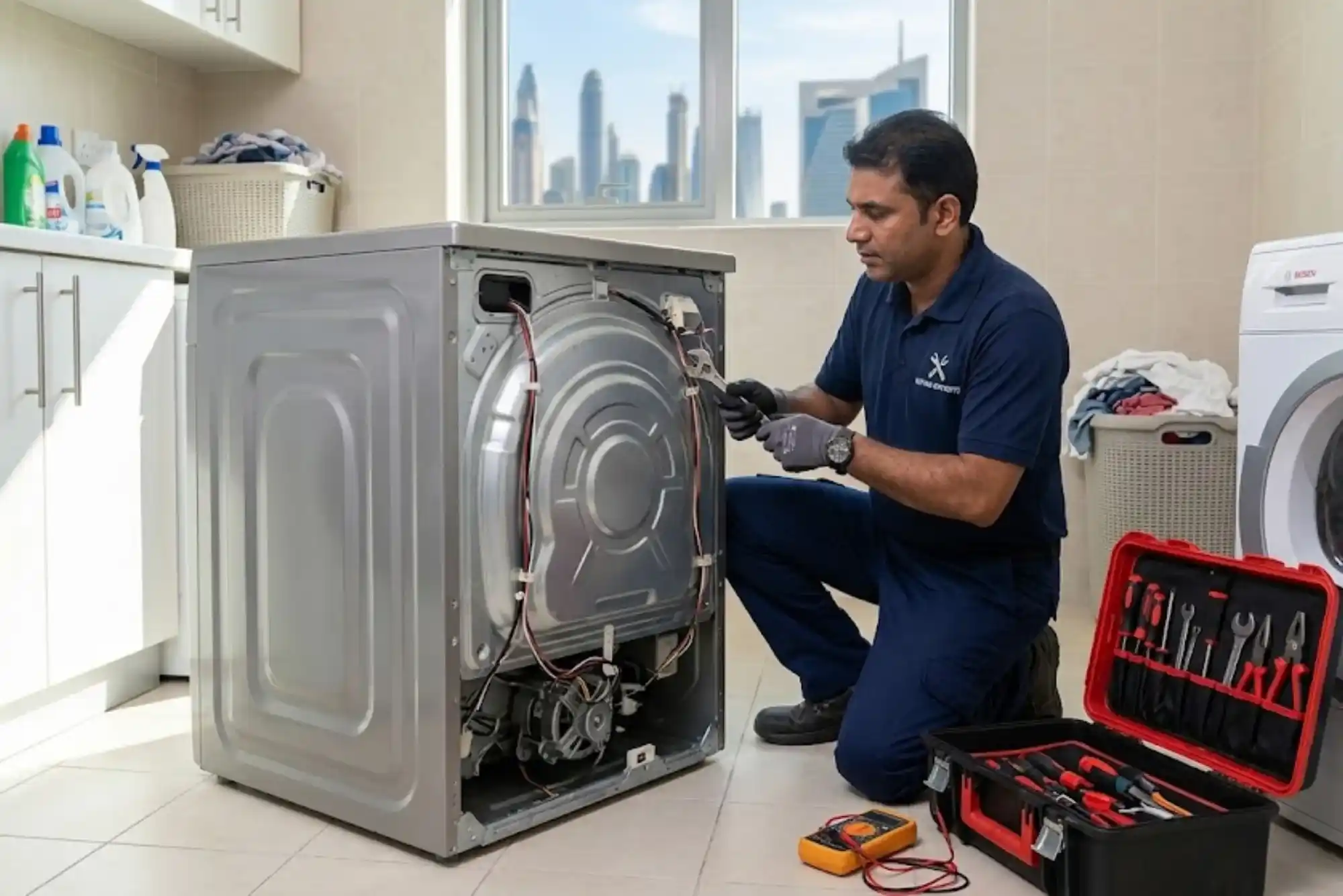
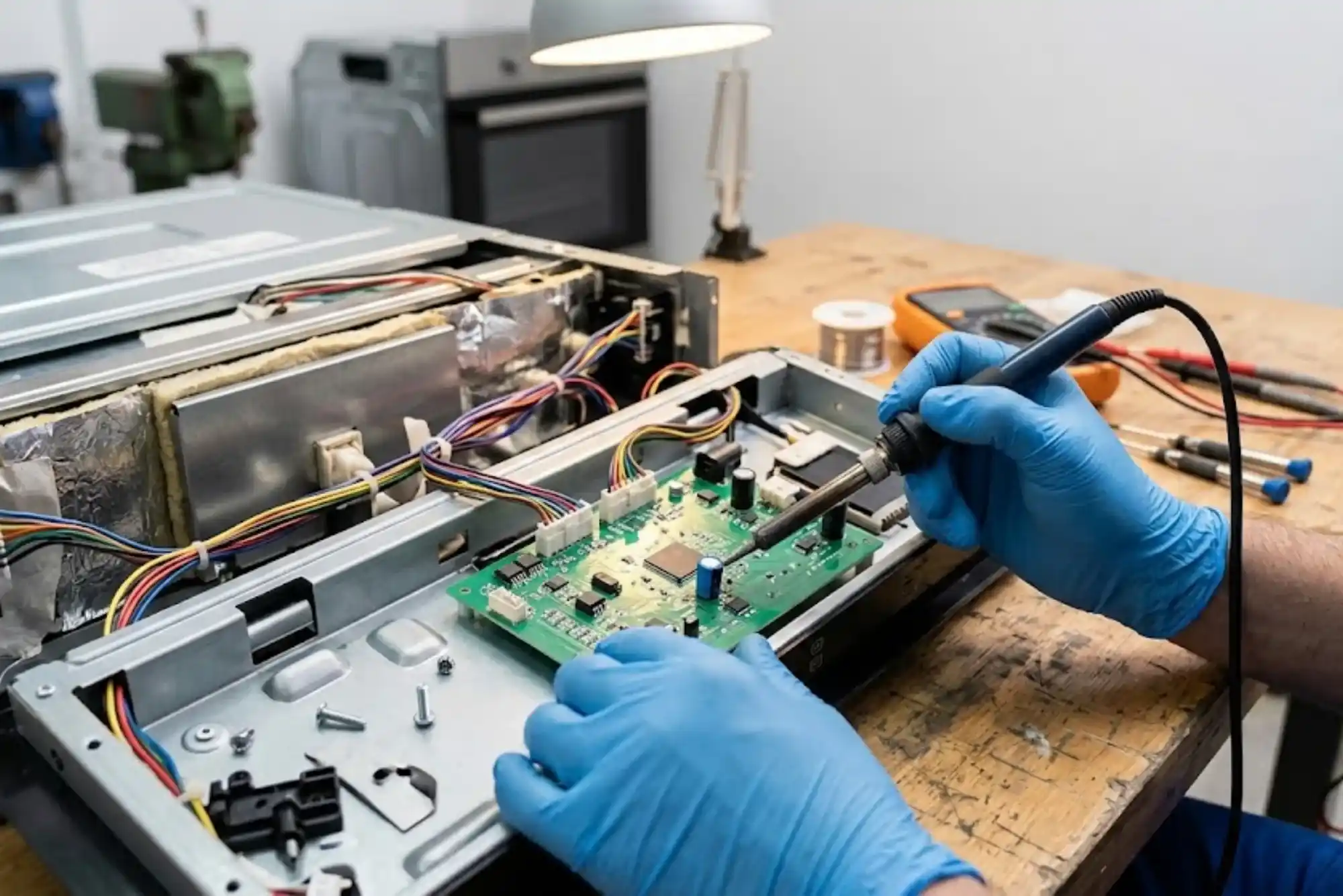
Diagnosing an air conditioner power consumption fault requires technical expertise and specialized tools. While basic maintenance tasks can improve efficiency, hidden electrical or refrigerant-related issues often require professional evaluation. Technicians use diagnostic equipment to measure current draw, voltage stability, and system pressure to identify the root cause of excessive power consumption.
Professional servicing ensures accurate repairs and prevents recurring problems. Attempting to fix complex faults without proper knowledge can worsen the issue and compromise safety.
Long-Term Consequences of Ignoring Power Consumption Faults
Ignoring an air conditioner power consumption fault can lead to serious long-term consequences. Continuous operation under high load accelerates wear on critical components, increasing the frequency of breakdowns. Compressors, which are among the most expensive components, are particularly vulnerable to damage caused by excessive power draw.
Over time, neglected faults can reduce the system’s lifespan by several years. This premature failure results in higher replacement costs and unexpected downtime, especially during peak cooling seasons.
Preventive Maintenance and Efficiency Improvement
Regular maintenance is the most effective way to prevent air conditioner power consumption fault. Routine inspections help ensure that airflow remains unobstructed, electrical components function correctly, and refrigerant levels are balanced. Preventive maintenance also allows early detection of minor issues before they escalate into major faults.
Improving insulation, optimizing thermostat settings, and ensuring proper ventilation can further enhance system efficiency. These measures reduce system load and help maintain stable power consumption throughout the year.
An air conditioner power consumption fault is a complex issue that affects efficiency, comfort, and system longevity. Whether caused by mechanical wear, electrical malfunction, refrigerant imbalance, or environmental factors, excessive power consumption signals that the system is not operating as designed. Ignoring this problem leads to higher electricity bills, frequent repairs, and reduced cooling performance.
Professional diagnosis, timely repairs, and consistent maintenance are essential for resolving power consumption faults and restoring optimal efficiency. By addressing these issues early, homeowners and businesses can enjoy reliable cooling, lower energy costs, and extended system lifespan. Investing in proper care today ensures long-term comfort, sustainability, and financial savings.