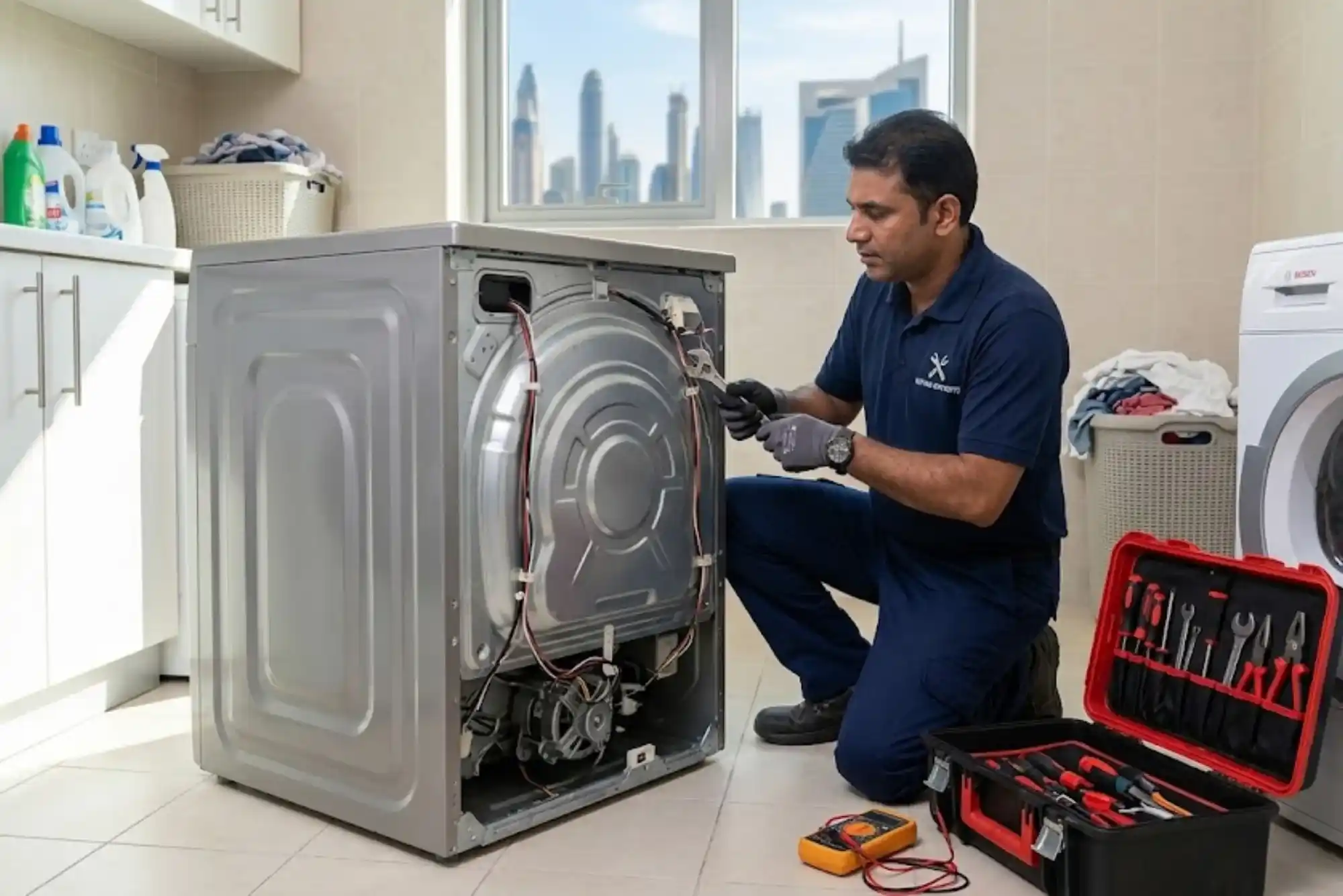
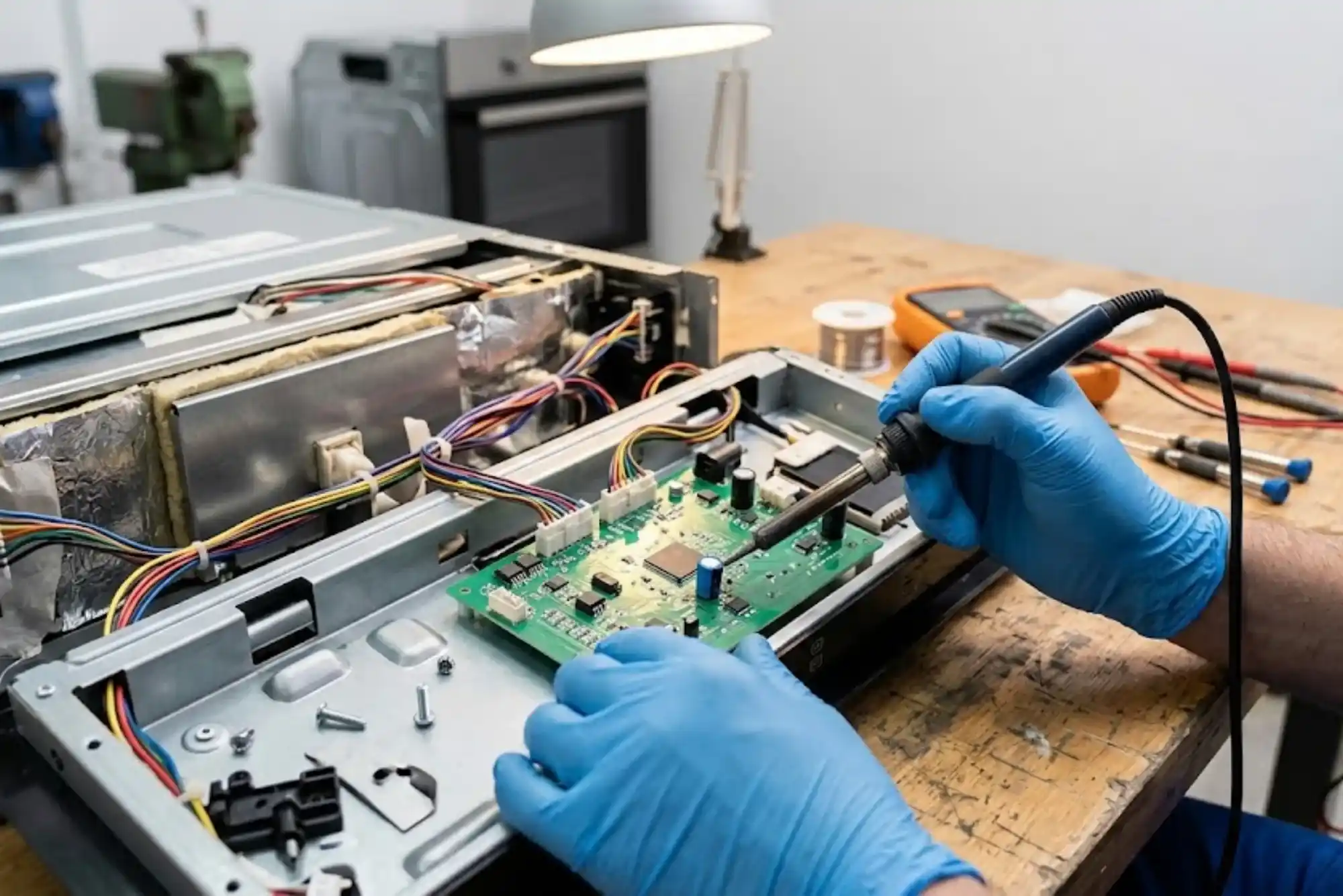
In modern households, the clothes dryer is an essential appliance that significantly cuts down laundry time. Especially in busy urban homes or humid climates where outdoor drying is impractical, a dryer becomes more than just a convenience—it’s a necessity. But what happens when your dryer suddenly stops heating? A clothes dryer not heating is one of the most common and frustrating appliance issues faced by homeowners, leading to delays, damp laundry, and mounting frustration.The absence of heat in a dryer can be caused by a wide range of underlying problems. From minor electrical faults to worn-out internal components, identifying and repairing these issues requires both technical knowledge and timely attention. In this article, we’ll explore the significance of dryer heating problems, the most likely causes, and why seeking professional repair is the most efficient path to getting your dryer back in working condition.
The Importance of Proper Dryer Functionality
Clothes dryers rely on a combination of heat and air circulation to remove moisture from garments. When the heating element or system fails, the dryer may still tumble, giving the illusion that it is functioning. However, without proper heat, the clothes remain wet even after a full cycle. This inefficiency increases utility costs and extends laundry time. In some cases, homeowners may unknowingly rerun cycles multiple times, placing unnecessary strain on the appliance.
Besides inconvenience, a malfunctioning dryer can lead to other problems such as excess humidity in the laundry area, risk of mold, or safety hazards. Electrical issues, faulty wiring, or overheating components—when left unaddressed—can turn into fire risks. That’s why it’s crucial to understand the causes behind dryer heating failure and act promptly when this issue arises.
Why Dryers Stop Heating: A Technical Overview
When it comes to heating failure in clothes dryers, the issue is rarely due to a single cause. Modern dryers are designed with multiple components working in harmony. If even one of these components malfunctions, the unit may lose its ability to generate or sustain heat. Below are some common technical issues that can contribute to this malfunction.
Heating Element Failure
The heating element is a key component responsible for generating the heat that dries your clothes. Over time, it can wear out or break due to regular usage, electrical overload, or poor ventilation. When the heating element fails, the dryer runs but produces no heat.
Faulty Thermostat or Thermal Fuse
Dryers are built with thermostats and thermal fuses to monitor and regulate temperature. These safety devices prevent the machine from overheating. If the thermal fuse blows or a thermostat malfunctions, the dryer may shut off the heating function entirely to avoid hazards.

Broken Igniter (in Gas Dryers)
Gas-powered dryers use an igniter to light the gas burner. If the igniter fails, no flame is produced, and the dryer remains cold. This component is sensitive and can deteriorate with frequent use.
Defective High-Limit Thermostat
High-limit thermostats act as a backup to the primary thermostat, cutting power to the heating element if the dryer gets too hot. A defective high-limit thermostat may prevent the dryer from heating even under normal conditions.
Malfunctioning Timer or Control Board
Digital dryers rely on control boards and timers to manage the cycle sequence, including when to engage the heating function. If these electronics are faulty, they may skip the heating phase entirely or shut off prematurely.
Clogged Dryer Vent or Airflow Blockage
Airflow is essential for a dryer to function effectively. A clogged or restricted dryer vent can cause heat to build up internally, triggering the thermal fuse and stopping heat generation. In severe cases, this can even lead to dryer fires.
Electrical and Safety Considerations
Electric dryers run on 240 volts, and any issues with the power supply—such as a tripped circuit breaker, damaged plug, or faulty outlet—can impact the dryer’s ability to heat. In some instances, only one of the two required power phases may be reaching the dryer, resulting in a unit that spins but doesn’t heat.
Safety is a key concern in all dryer repair situations. Tampering with the internal components without proper knowledge or equipment can pose a serious risk. High voltage, gas connections (in gas dryers), and heat-sensitive elements make DIY repairs dangerous for the average homeowner.
The Role of Professional Repair Services
When facing heating problems in your dryer, professional repair service is often the most practical and safest solution. Trained technicians have the tools, experience, and manufacturer-specific knowledge to diagnose and fix the issue quickly. Here’s why opting for professional repair is the smart choice:
Accurate Diagnosis: Professionals can pinpoint the exact issue—whether it’s electrical, mechanical, or ventilation-related—saving you time and guesswork.
Genuine Replacement Parts: Authorized repair services use manufacturer-approved parts that extend the life of your appliance and maintain safety.
Efficient Service: With access to the right tools and diagnostic equipment, repairs are often completed in a single visit.
Warranty Protection: Most professional services offer warranties on parts and labor, providing peace of mind and financial protection.
Prevention of Future Issues: A good technician won’t just fix the problem—they’ll also inspect the overall appliance to identify other wear-and-tear signs, helping prevent future breakdowns.
Common Signs of Heating Problems in Dryers
While a total lack of heat is obvious, there are several subtle signs that your dryer’s heating system might be compromised:
Clothes remain damp after a full cycle
Dryer gets unusually hot or smells burnt
The cycle takes significantly longer than usual
Error codes appear on the digital panel (for modern dryers)
Dryer shuts off mid-cycle
These warning signs should not be ignored. The earlier you address a malfunction, the easier and less costly it is to fix.
Extending Dryer Life Through Preventive Maintenance
Repairing a malfunction is only part of the equation. Preventive maintenance plays a vital role in extending the lifespan of your clothes dryer and avoiding future heating failures. Simple actions such as cleaning the lint filter after every cycle, ensuring the vent pipe is clear, and having the dryer professionally inspected once a year can make a big difference.
Regular maintenance reduces the risk of overheating, improves energy efficiency, and ensures the dryer operates at optimal performance. It also helps identify and resolve minor problems before they turn into major repairs.
Choosing the Right Dryer Repair Service
If you’re experiencing heating issues, it’s important to choose a reputable, local dryer repair service with a proven track record. Look for companies that:
Have certified technicians
Offer same-day or emergency repair
Are experienced with your dryer brand (e.g., LG, Samsung, Whirlpool, etc.)
Provide transparent pricing and written estimates
Offer guarantees or warranties on service
Online reviews, referrals, and professional websites can also give you insight into the company’s reliability and customer service quality.A dryer that runs but doesn’t heat is more than just an inconvenience—it’s a signal that your appliance needs immediate attention. Whether the issue lies in the heating element, fuse, thermostat, or control board, the best course of action is to seek professional diagnosis and repair. Acting quickly can prevent further damage, save energy, and restore convenience to your daily routine.In today’s busy lifestyle, a fully functional dryer isn’t a luxury—it’s a necessity. If your clothes dryer is no longer heating properly, don’t delay. Contact a trusted appliance repair professional to get fast, safe, and lasting results.