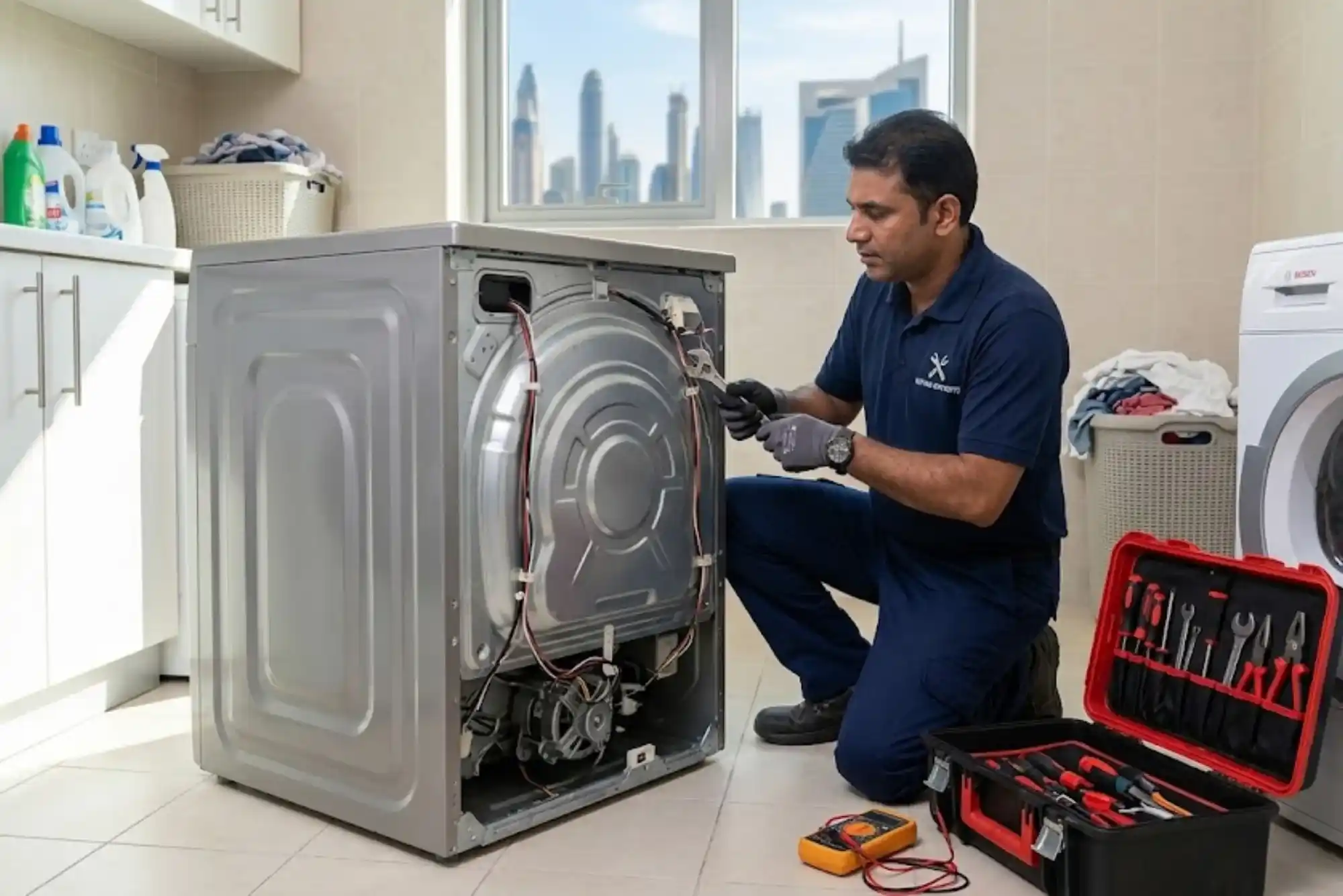
Air conditioning systems have become an essential part of modern homes and workplaces, especially in regions where high temperatures make indoor comfort difficult to maintain. An air conditioner is designed to regulate indoor temperature, remove humidity, and improve air quality. However, like any mechanical system, it requires regular attention and proper care to function efficiently. AC cooling system maintenance is the key factor that ensures the unit continues to deliver reliable performance throughout the year. When maintenance is ignored, even the most advanced air conditioning systems can begin to lose efficiency, consume more electricity, and eventually develop serious mechanical problems.
Many people assume that an air conditioner will continue working properly as long as it is switched on and off when needed. In reality, the system operates through multiple components such as compressors, coils, fans, refrigerant lines, and filters. Each of these parts plays an important role in the cooling process. Over time, dust, moisture, and daily wear can affect their performance. Regular AC cooling system maintenance helps prevent these issues and ensures the system operates smoothly without unnecessary strain.
How an Air Conditioning Cooling System Works
To understand why maintenance is important, it is helpful to know how an air conditioning cooling system functions. The process begins when warm air from inside a room is drawn into the air conditioner. This air passes through filters that remove dust and pollutants. The air then moves over evaporator coils where refrigerant absorbs the heat. The cooled air is then circulated back into the room while the heat is transferred outside through the condenser unit.
This entire process relies on a precise balance between different components. If one part becomes dirty or damaged, the cooling process can be affected. For example, blocked air filters restrict airflow, forcing the system to work harder to maintain the desired temperature. Dirty condenser coils prevent heat from being released effectively, causing the compressor to run longer than necessary. Regular AC cooling system maintenance ensures that all components work together efficiently and maintain proper airflow and temperature control.
Common Problems Caused by Lack of Maintenance
When air conditioning systems do not receive regular maintenance, several problems can begin to appear. One of the most common issues is reduced cooling efficiency. The air conditioner may run continuously but still struggle to maintain the desired temperature. This often happens when coils become dirty or when refrigerant levels drop.
Another common problem is increased energy consumption. When components are not clean or properly adjusted, the system requires more power to achieve the same level of cooling. This results in higher electricity bills and unnecessary energy waste. Poor maintenance can also lead to unusual noises from the unit. Loose components, worn-out fan motors, or clogged filters can cause vibrations or humming sounds during operation.

In some cases, lack of maintenance can even lead to complete system failure. If small problems are ignored for too long, they can place excessive strain on the compressor, which is one of the most expensive parts of an air conditioner. Proper AC cooling system maintenance helps detect these issues early and prevents costly repairs.
The Role of Air Filters in Cooling Efficiency
Air filters are one of the most important components in an air conditioning system. Their main purpose is to trap dust, pollen, and other airborne particles before they enter the system. When filters become clogged, airflow is restricted and the system must work harder to circulate air throughout the room.
Replacing or cleaning air filters regularly is a simple yet effective part of AC cooling system maintenance. Clean filters improve airflow, enhance indoor air quality, and reduce stress on the system’s fan and compressor. When filters are maintained properly, the air conditioner can cool rooms more quickly and operate more efficiently.
Dirty filters also contribute to poor air quality inside homes and offices. Dust and allergens can accumulate and circulate through the ventilation system, potentially causing respiratory issues or allergies. Regular maintenance helps keep indoor air fresh and healthy.
Importance of Cleaning Condenser and Evaporator Coils
The evaporator and condenser coils are responsible for transferring heat during the cooling process. The evaporator coil absorbs heat from indoor air, while the condenser coil releases that heat outside the building. Over time, these coils can become coated with dust, dirt, and debris.
When coils are dirty, heat transfer becomes less efficient. The system must run longer to achieve the same cooling effect, which increases energy consumption and reduces the lifespan of the compressor. AC cooling system maintenance includes cleaning these coils to ensure they remain free from buildup.
Professional technicians often use specialized tools and cleaning solutions to remove stubborn debris from coils. Regular coil cleaning not only improves cooling performance but also helps maintain the overall health of the air conditioning system.
Checking Refrigerant Levels and System Pressure
Refrigerant plays a crucial role in the cooling cycle of an air conditioner. It absorbs heat from indoor air and releases it outside, allowing the system to maintain a comfortable indoor temperature. If refrigerant levels drop due to leaks or improper charging, the air conditioner may struggle to cool the room effectively.
During AC cooling system maintenance, technicians inspect refrigerant lines and check pressure levels to ensure the system is operating within the recommended range. Low refrigerant levels can cause the compressor to overheat or fail prematurely. Detecting leaks early prevents damage and ensures the cooling system continues to function efficiently.
Maintaining the correct refrigerant balance also improves energy efficiency and cooling performance. A properly charged system can cool spaces faster while using less electricity.
Inspecting Electrical Components and Connections
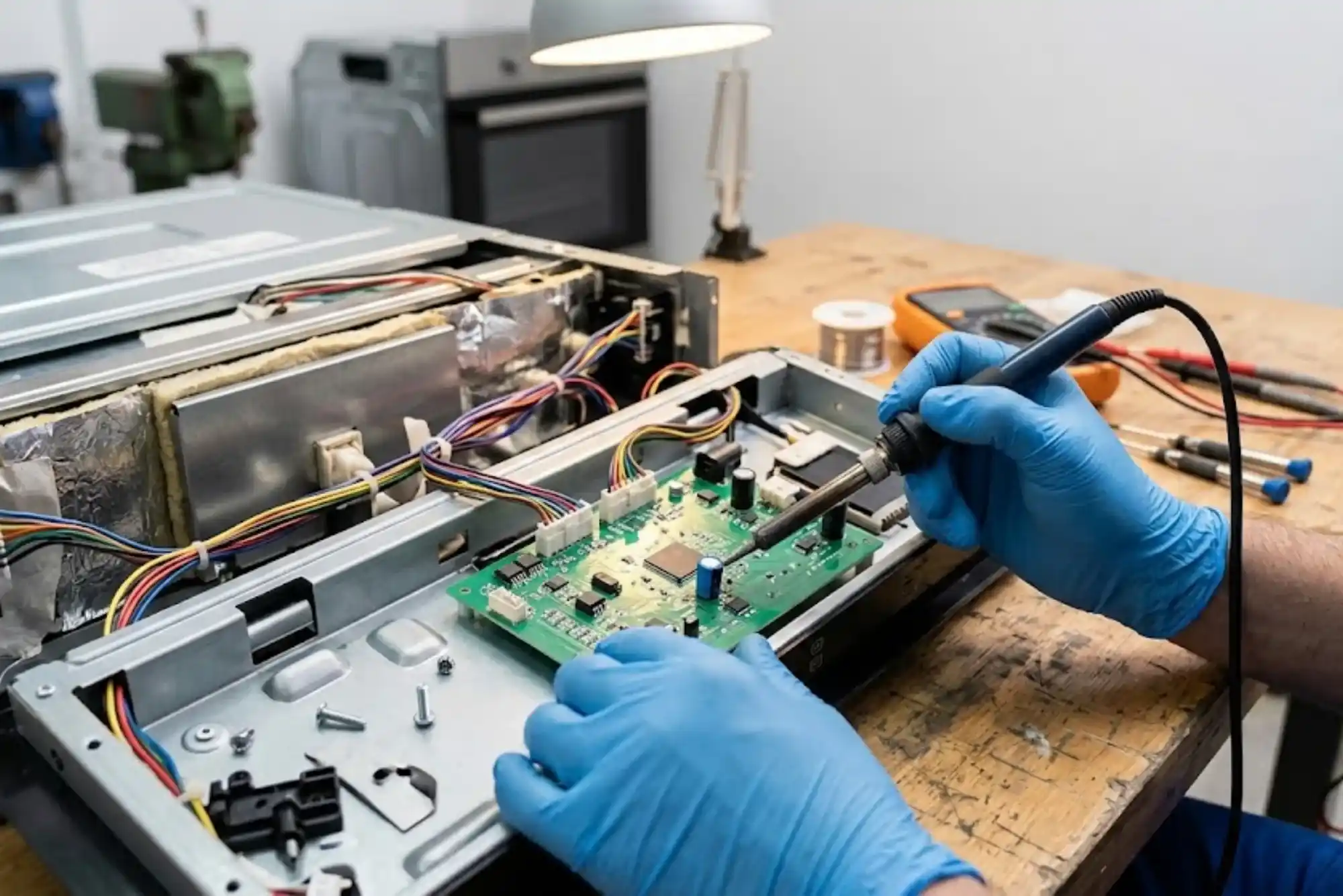
Air conditioning systems rely on various electrical components to operate safely and efficiently. These include wiring, capacitors, relays, and circuit boards that control different functions within the unit. Over time, electrical connections may become loose or worn due to vibrations and continuous operation.
AC cooling system maintenance involves inspecting these electrical components to ensure they are secure and functioning correctly. Faulty wiring or damaged components can cause the system to shut down unexpectedly or create safety hazards.
Professional technicians use diagnostic tools to test voltage levels and ensure the system’s electrical components operate within safe limits. Addressing these issues during routine maintenance helps prevent unexpected breakdowns and costly repairs.
Improving Energy Efficiency Through Maintenance
One of the biggest advantages of regular maintenance is improved energy efficiency. When all components are clean and functioning properly, the air conditioner can achieve optimal cooling without consuming excessive electricity. This results in lower energy bills and reduced environmental impact.
AC cooling system maintenance also allows the system to maintain consistent temperatures throughout the space. Instead of running continuously, the unit cycles on and off at appropriate intervals, conserving energy and extending the lifespan of its components.
Energy-efficient systems not only save money but also contribute to sustainable living by reducing overall energy consumption. Maintaining air conditioning units properly ensures they perform at their best while minimizing environmental impact.
Extending the Lifespan of Air Conditioning Systems
Air conditioning systems represent a significant investment for homeowners and businesses. Without proper care, their lifespan can be significantly reduced. Dust accumulation, worn-out parts, and lack of lubrication can gradually damage internal components.
Regular AC cooling system maintenance helps extend the life of the system by keeping components clean and properly adjusted. Routine inspections allow technicians to identify potential issues before they escalate into major problems.
When maintenance is performed consistently, air conditioning units can operate efficiently for many years without requiring major repairs or replacements. This protects the initial investment and ensures long-term comfort.
Professional Maintenance and Long Term Comfort
While some basic maintenance tasks can be performed by homeowners, professional servicing provides a deeper level of inspection and care. Experienced technicians have the knowledge and equipment required to identify hidden problems that may not be visible to untrained eyes.
Professional AC cooling system maintenance includes thorough cleaning, component testing, refrigerant inspection, and airflow evaluation. These services ensure that every part of the system is functioning correctly and delivering maximum performance.
Regular professional maintenance not only prevents unexpected breakdowns but also provides peace of mind. Knowing that the air conditioning system is operating safely and efficiently allows homeowners and businesses to enjoy consistent indoor comfort throughout the year.
AC cooling system maintenance plays a vital role in ensuring the efficiency, reliability, and longevity of air conditioning units. By keeping filters clean, coils free from debris, refrigerant levels balanced, and electrical components secure, the system can operate at peak performance. Regular maintenance not only improves cooling efficiency but also reduces energy consumption and prevents costly repairs.
Related Reading: Central Cooling System Maintenance And Repair Specialists