Washing machines have become an essential part of modern households, saving time and effort in daily laundry routines. However, like any frequently used appliance, they are prone to wear and technical faults. One of the most common questions homeowners ask is: how much does washing machine repair cost? The answer is not always straightforward, as pricing depends on multiple factors including the type of fault, machine brand, parts required, and service location.
Understanding repair costs helps you make informed decisions, avoid unnecessary expenses, and determine whether repairing or replacing your machine is the better option. In this detailed guide, we break down everything you need to know about washing machine repair pricing, common issues, and expert insights from professional technicians.
What Influences Washing Machine Repair Cost?
The cost of repairing a washing machine is not fixed. Instead, it varies based on several technical and service-related factors. Here are the key elements that affect pricing:
- Type of fault: Mechanical issues like drum failure cost more than minor drainage blockages.
- Spare parts required: Genuine replacement parts increase total cost but improve durability.
- Machine brand and model: High-end or imported brands usually require specialized components.
- Labor charges: Technician expertise and service complexity affect labor pricing.
- Urgency of repair: Emergency or same-day services may include additional charges.
For example, a minor hose replacement will cost significantly less than a motor or control board replacement, which involves more technical work and expensive parts.
Average Washing Machine Repair Cost Breakdown
To help you better understand typical expenses, here is a general breakdown of common washing machine repair services and their estimated cost ranges:
| Repair Type | Common Issue | Estimated Cost Range |
|---|---|---|
| Drainage Repair | Clogged or blocked drain pump | Low to Moderate |
| Drum Repair | No spinning or loud noise | Moderate to High |
| Motor Replacement | Machine not starting or spinning | High |
| Door/Lid Switch Repair | Machine not locking or starting | Low to Moderate |
| Control Board Repair | Electrical malfunction or error codes | High |
These cost ranges can vary depending on your region and service provider, but they provide a realistic expectation of what homeowners usually pay for repairs.

Common Washing Machine Problems and Their Costs
Different faults come with different repair complexities. Let’s explore the most common issues and what they typically mean for your repair budget.
1. Machine Not Spinning
This is often caused by a worn-out belt, motor issue, or imbalance in the drum. In most cases, repairs are moderately priced unless the motor needs replacement.
2. Water Leakage Issues
Leaks usually originate from damaged hoses, seals, or internal connections. These repairs are generally affordable if detected early.
3. Electrical Faults
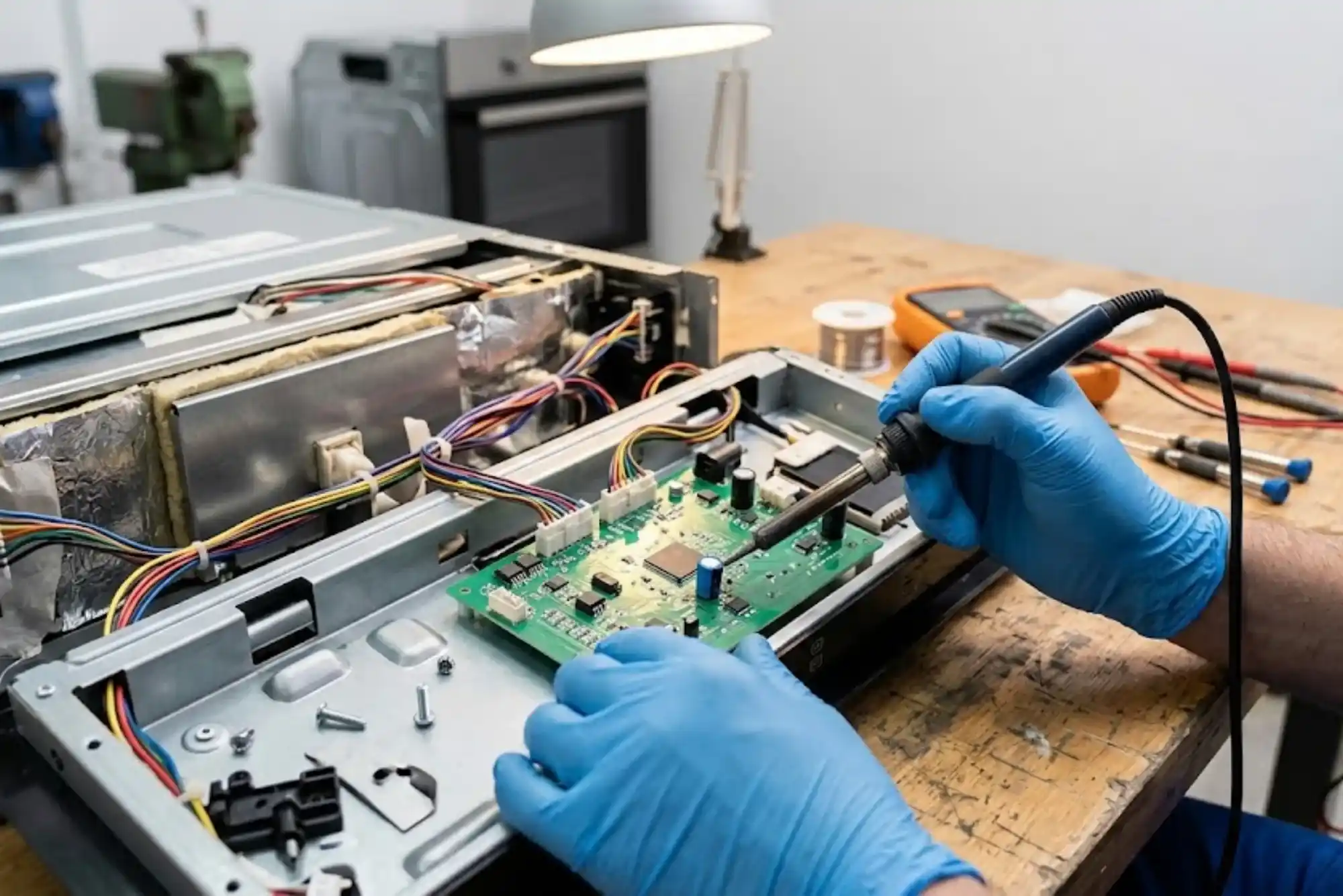
Control board or wiring issues can significantly increase repair costs due to the complexity of diagnosis and replacement.
4. Excessive Noise or Vibration
This is often linked to drum bearings or suspension issues. If ignored, it can lead to more expensive repairs over time.
Professional Repair Services Matter
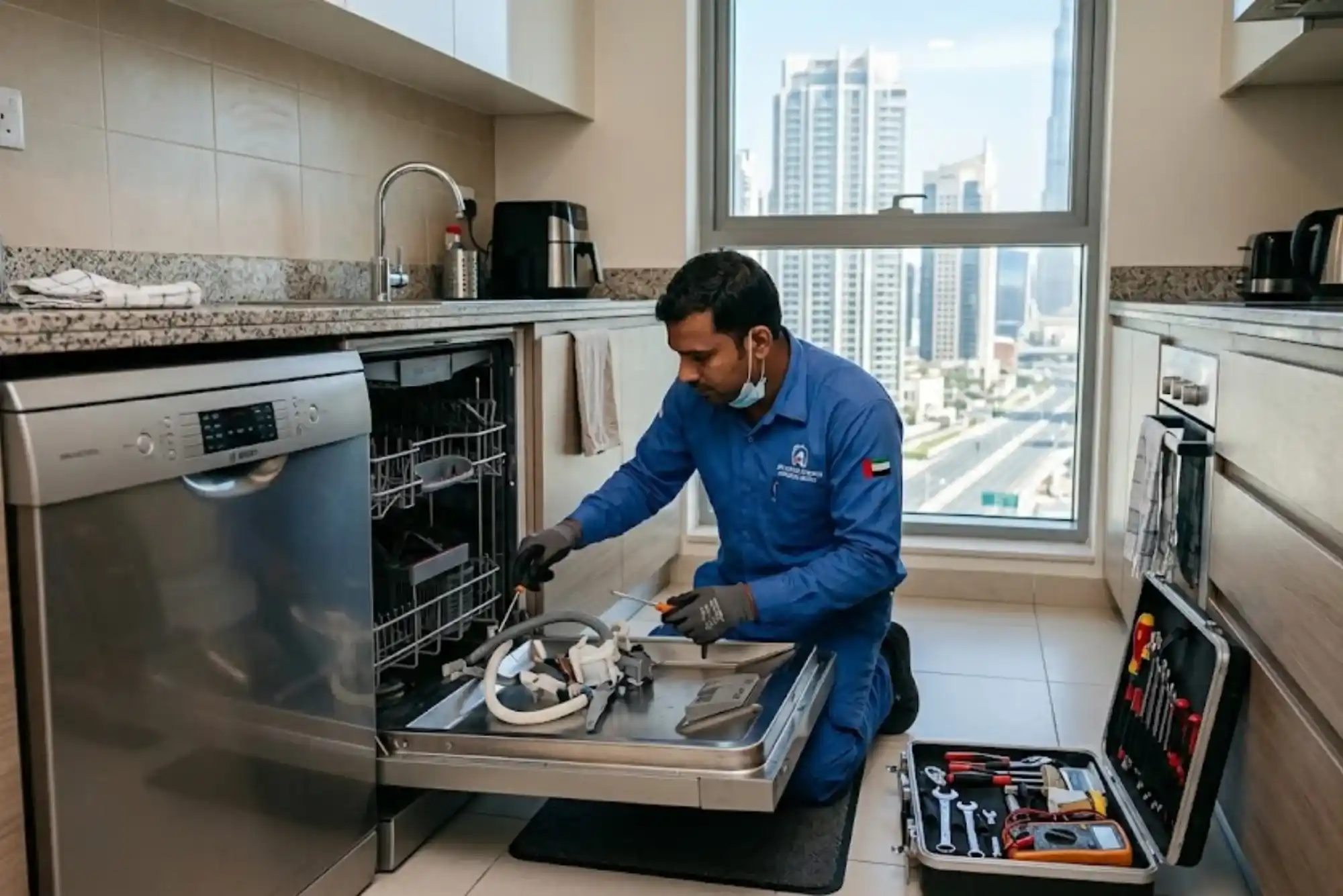
While DIY fixes may seem cost-effective, washing machines are complex appliances involving electrical, mechanical, and plumbing systems. Hiring a qualified technician ensures accurate diagnosis and long-term reliability.
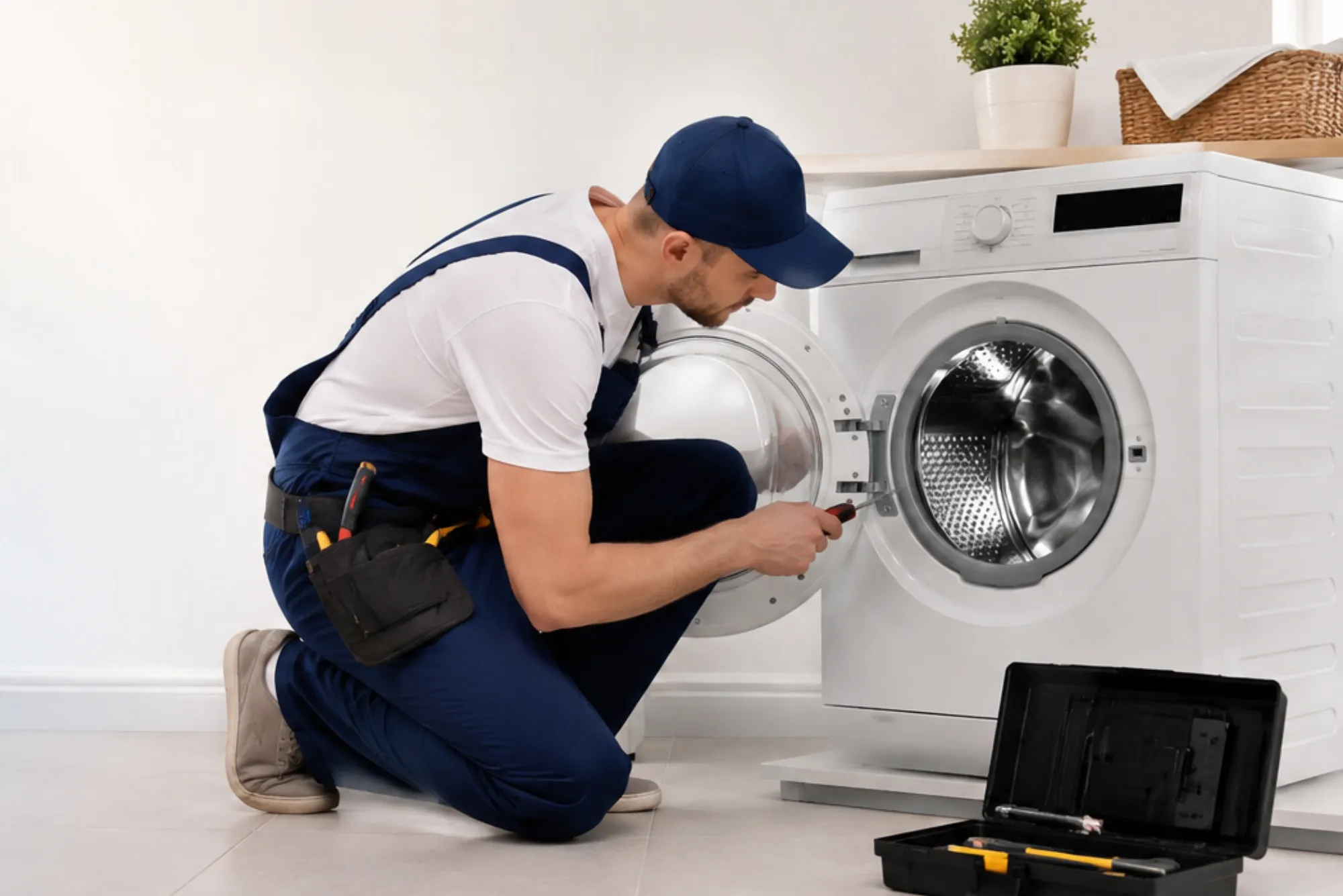
Professional service providers such as washing machine repair experts near you offer diagnostic tools and genuine parts that reduce the risk of recurring problems. In many cases, expert repair ends up being more cost-efficient than repeated DIY attempts.
Repair vs Replacement: What Makes More Financial Sense?
One of the most important decisions homeowners face is whether to repair or replace a faulty washing machine. Here are some practical guidelines:
- If repair costs are less than 40% of a new machine, repair is usually recommended.
- If the machine is older than 8–10 years, replacement may be more economical.
- Frequent breakdowns indicate long-term reliability issues.
Sometimes upgrading to a newer, energy-efficient model can reduce electricity and water bills, balancing out the replacement cost over time.
How to Save Money on Washing Machine Repairs
Reducing repair expenses is possible with proper maintenance and smart decision-making. Here are some expert tips:
- Schedule regular servicing to prevent major faults.
- Do not overload the machine beyond capacity.
- Use appropriate detergents to avoid internal damage.
- Address minor issues immediately before they escalate.
Choosing reliable service providers like multi-brand washing machine repair specialists ensures better diagnostics and cost transparency, helping you avoid unnecessary expenses.
Same-Day and Emergency Repair Costs
In urgent situations, such as complete breakdowns or water leakage emergencies, same-day services may be required. These services typically come with slightly higher charges due to priority scheduling and immediate response.
However, in many cases, emergency repair prevents further damage, saving you money in the long run. Some providers even offer affordable washing machine repair solutions that balance urgency and cost efficiency.
When to Call a Professional Technician
You should contact a professional when:
- The machine stops working completely
- There are electrical burning smells
- Water leakage becomes frequent
- Unusual noise persists during operation
Reliable services like same-day washing machine repair assistance ensure quick response and prevent further damage to your appliance.
Conclusion
The cost of washing machine repair depends on multiple factors including the nature of the fault, parts required, and service urgency. While minor issues can be resolved at a low cost, major mechanical or electrical problems may require more investment. Understanding these cost structures helps homeowners make informed, budget-friendly decisions.
Ultimately, regular maintenance and timely professional support are the best ways to reduce long-term expenses and extend the life of your washing machine. Whether you choose repair or replacement, making an informed decision ensures better performance and cost efficiency in the long run.
Related Reading: Washing Machine Not Spinning Issue Repair
Related Reading: Cheap Washing Machine Repair
Related Reading: Front Load Washing Machine Repair