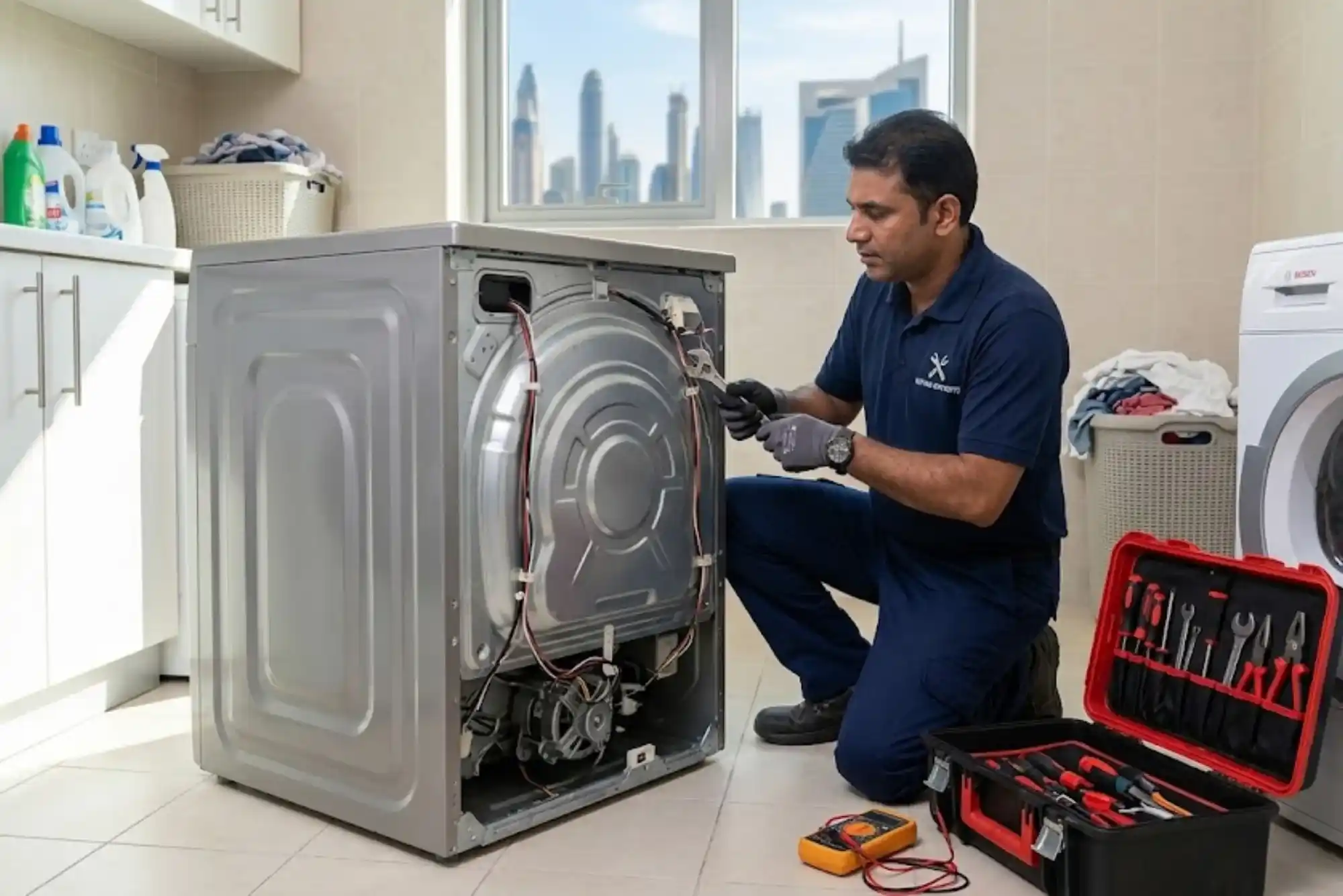
A washing machine is one of the most frequently used appliances in modern homes. It handles daily laundry tasks efficiently and saves a significant amount of time and effort. However, like any mechanical device, washing machines can develop problems over time. One of the most common and frustrating issues homeowners face is water leakage. When a washing machine begins leaking water, it not only affects the appliance’s performance but can also damage floors, walls, and nearby furniture. Understanding the causes and solutions for washing machine leaking water repair is essential to maintaining a safe and efficient laundry environment.
Water leakage may appear to be a small problem at first, but it can quickly turn into a larger issue if ignored. Continuous leakage may weaken internal components, cause rust, and reduce the overall lifespan of the appliance. Additionally, water accumulation around the machine can lead to electrical hazards and mold growth in the laundry area. Addressing leakage promptly helps prevent these complications and ensures that the washing machine continues to operate smoothly.
Understanding the Causes of Washing Machine Leaks
To perform effective washing machine leaking water repair, it is important to identify the root cause of the issue. Washing machines consist of several components that manage water intake, circulation, and drainage. A malfunction in any of these parts can lead to leakage.
One of the most common reasons for leakage is a damaged or loose water inlet hose. These hoses carry water from the supply line to the washing machine. Over time, they may crack, loosen, or develop small holes due to wear and tear. When this happens, water can escape during the filling process and accumulate around the appliance.
Another possible cause is a clogged or damaged drain hose. The drain hose is responsible for removing dirty water after each wash cycle. If the hose becomes blocked with lint, detergent residue, or debris, water may back up and leak from the connection points.
A faulty door seal or gasket can also cause water to leak from front-loading washing machines. The rubber gasket around the door ensures a tight seal during the washing cycle. When the gasket becomes worn, torn, or covered with detergent buildup, it may fail to contain the water inside the drum.

The Role of Internal Components in Leakage
Internal components of the washing machine also play a major role in preventing leaks. The water pump, for example, is responsible for circulating and draining water during the wash cycle. If the pump becomes damaged or its seals wear out, water may leak from the bottom of the machine.
Similarly, the detergent dispenser may cause leaks if it becomes clogged with hardened detergent or fabric softener residue. When the dispenser cannot release detergent properly, water may overflow from the compartment during operation.
The tub seal is another critical component. This seal prevents water from escaping between the inner drum and the outer tub. Over time, the tub seal may deteriorate due to constant exposure to moisture and high-speed spinning. When the seal fails, water can leak from beneath the washing machine.
Understanding how these components interact helps technicians perform accurate washing machine leaking water repair and restore the appliance to proper working condition.
Effects of Ignoring Water Leakage
Ignoring a washing machine leak can lead to several serious consequences. Continuous water leakage can damage flooring materials such as wood, laminate, or tiles. Over time, moisture may seep into the subfloor, causing structural damage that requires costly repairs.
Electrical hazards are another major concern. Washing machines operate using electrical circuits and motors. When water leaks near electrical components, it increases the risk of short circuits or electrical shocks.
Mold and mildew growth is also a common problem associated with persistent moisture. Damp areas around the washing machine provide an ideal environment for mold to grow. This not only creates unpleasant odors but may also affect indoor air quality and cause health issues.
Performing timely washing machine leaking water repair prevents these risks and ensures a safer living environment.
Diagnosing the Source of the Leak
Proper diagnosis is the first step in solving any washing machine leakage issue. Observing when the leak occurs can provide important clues about its source. For example, if water appears during the filling stage, the problem may involve the inlet hoses or water valves.
If the leak occurs during the wash cycle, it may indicate issues with the door gasket, tub seal, or internal hoses. On the other hand, leakage during the draining stage often points to problems with the drain hose or pump.
Technicians often inspect hose connections, examine seals for visible damage, and check internal components to identify the exact cause. Accurate diagnosis ensures that the correct repair solution is applied and prevents unnecessary part replacements.
Importance of Professional Repair Services
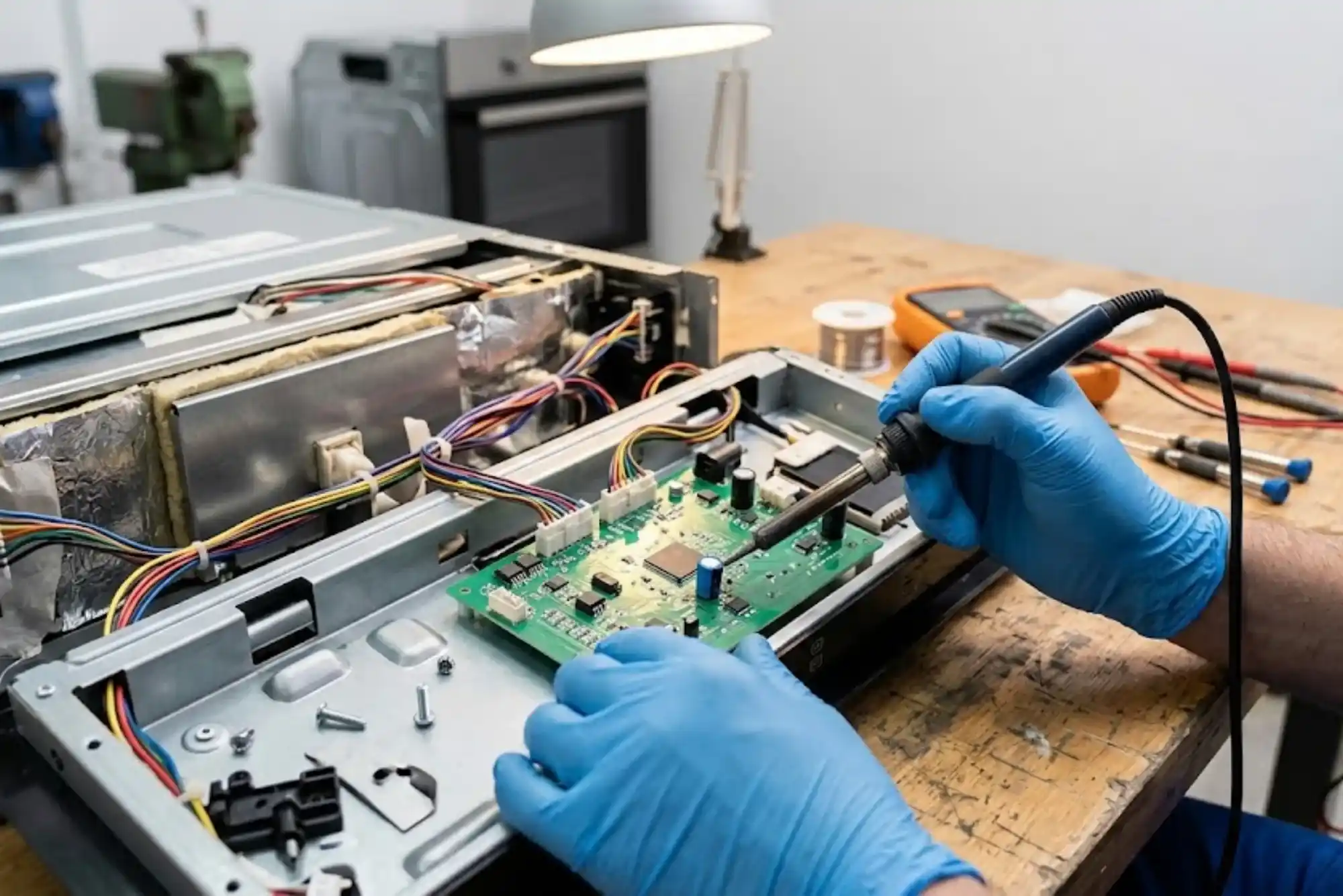
Although some minor issues may appear simple, washing machine leaking water repair often requires professional expertise. Modern washing machines include complex electrical systems, sensors, and tightly integrated components. Attempting repairs without proper knowledge may worsen the problem or damage additional parts.
Professional technicians have the tools and experience needed to identify leaks quickly and repair them effectively. They can inspect internal components, replace worn seals, and ensure that all connections are secure. Professional repairs also help maintain the appliance warranty and extend the machine’s lifespan.
Another advantage of professional service is preventive maintenance. During the repair process, technicians can check other components for signs of wear and recommend maintenance steps that prevent future issues.
Preventing Future Water Leakage
Preventive maintenance plays an important role in avoiding washing machine leaks. Regularly inspecting hoses for cracks or loose connections helps detect problems before they worsen. Replacing old hoses every few years is a simple yet effective way to prevent unexpected leaks.
Cleaning the detergent dispenser and door gasket regularly prevents residue buildup that can interfere with proper sealing. It is also important to avoid overloading the washing machine, as excessive weight can strain internal components and cause seals to fail prematurely.
Proper installation is another key factor. Ensuring that the washing machine is level and stable reduces vibration during operation, which helps maintain tight connections between hoses and internal parts.
Taking these precautions minimizes the likelihood of leaks and keeps the appliance functioning efficiently.
Improving Washing Machine Efficiency After Repair
Once washing machine leaking water repair has been completed, users often notice improvements in the appliance’s performance. Properly sealed components ensure that water flows through the system efficiently, which helps the machine complete wash cycles more effectively.
A leak-free washing machine also operates more quietly and consumes less energy. When water leaks occur, the machine may run longer cycles to compensate for lost water pressure or improper drainage. Repairing the leak restores normal operation and reduces energy consumption.
Maintaining optimal performance after repair requires continued attention to cleaning and maintenance. Regular inspections help ensure that hoses, seals, and internal parts remain in good condition.
Long-Term Benefits of Timely Repairs
Addressing washing machine leaks early offers several long-term benefits. It protects the appliance from internal damage, reduces repair costs, and extends the lifespan of the machine. Timely repairs also prevent damage to surrounding areas in the home, such as flooring and cabinetry.
A well-maintained washing machine operates more efficiently, saving water and electricity over time. This not only reduces household expenses but also contributes to environmental sustainability by conserving resources.
Homeowners who invest in regular maintenance and prompt repairs often experience fewer appliance breakdowns and enjoy consistent performance from their washing machines.
Washing machine leaking water repair is an essential aspect of appliance maintenance that should never be ignored. Water leaks may originate from hoses, seals, pumps, or internal components, and identifying the source is crucial for effective repair. When addressed promptly, leaks can be resolved quickly and prevent further damage to both the appliance and the surrounding environment.
Related Reading: Washing Machine Leaking Water Repair Dubai